
When you imagine a homesteader’s life, what do you imagine? A wide-open pasture with a cute farmhouse, barn, and no neighbors in sight? That’s the stereotypical idea, and I understand the appeal. But this notion comes with a dark side…

Lots of would-be homesteaders give up on their dreams of living a more meaningful and self-sufficient life just because they can’t do it in a setting like that.
And it might feel like a dream indeed if you are stuck in the middle of the city or suburbia with limited space, oppressive regulations and codes, and lots of other obstacles between you and your lifestyle of choice.
But like the old saying goes: where there is a will, there is a way. Despite living in the city, it is possible to live your life like a homesteader. Keep reading, and I’ll tell you about some great ways you can homestead in the city or anywhere else.
Start a Garden
This post contains affiliate links. If you click them and buy, I may earn a commission. Read my disclosure policy.
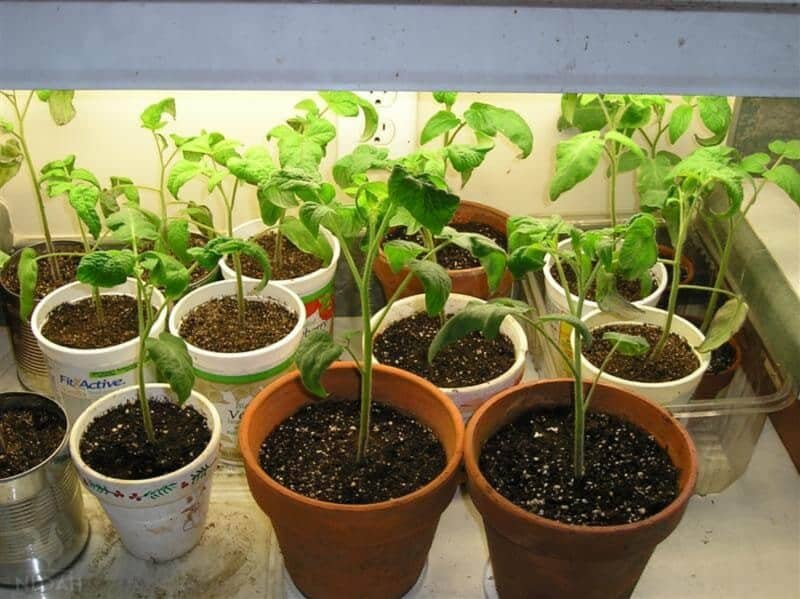
Pretty much all the homesteaders I know, including myself, are gardeners. Growing your own fruits, veggies, herbs, and more is a great way to get closer to your food supply and really understand what goes into it—and what comes out!
I understand that you might feel left out in this regard if you are an apartment or townhouse dweller or if you just don’t have much room in your backyard. Not to worry, because you can garden virtually anywhere with the right approach!
Container gardening can be done on a patio or balcony, or even indoors with some grow lights. Vertical gardening racks can make use of otherwise wasted space for more plants. You’ve got options! What you need is the will, water, soil, and seed!
Raise Chickens or Rabbits
The very notion of raising livestock might seem laughable to those of us without large properties. Let’s get real: horses, cows, sheep, goats, and other larger animals are indeed off the table, but you are selling yourself short if you don’t consider chickens and rabbits…
Both species tolerate confinement pretty well, don’t need much space, and are very easy to care for compared to the other animals I mentioned. They are also highly productive.
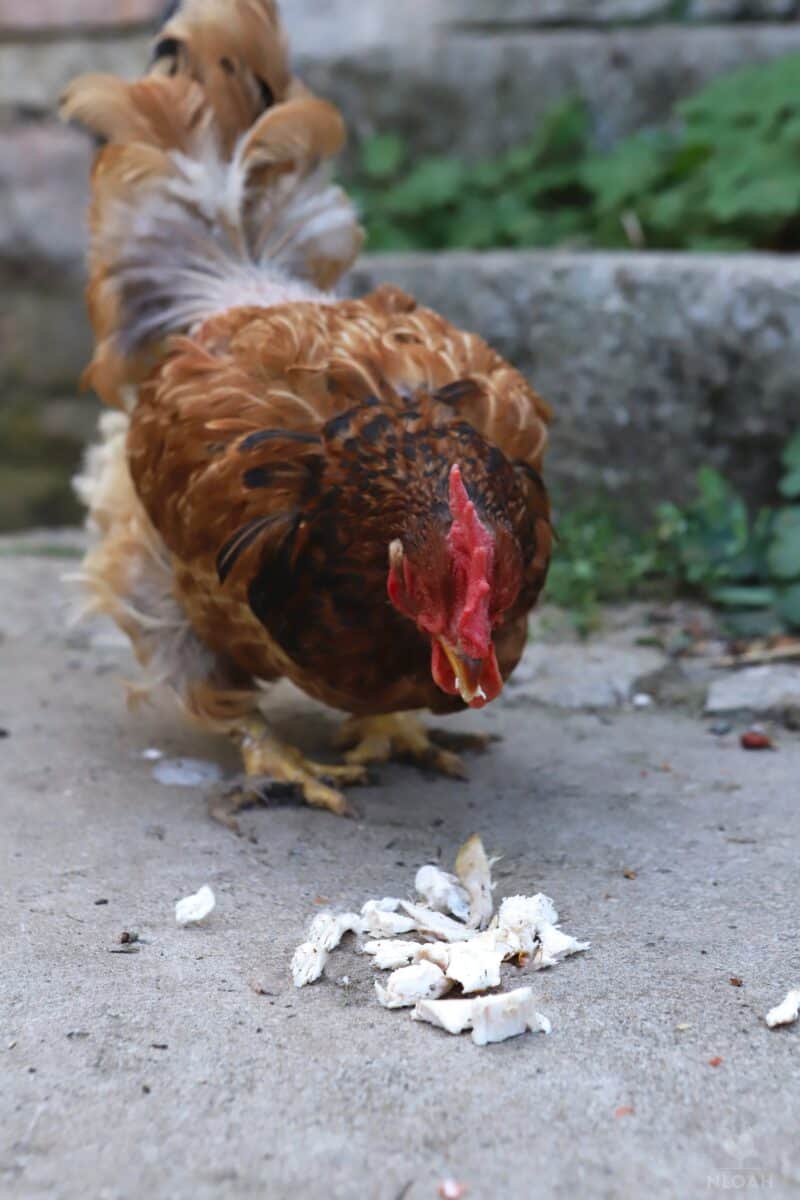
Chickens can keep you well-stocked with the best eggs that you will ever have, along with meat, and rabbits can produce lots of meat as well as fur.
The only thing here is understanding what livestock you can, and cannot, keep according to your current habitation and zoning laws. If there’s not a rule or a law against it, there’s really nothing stopping you! Just three to five chickens or rabbits can give you valuable experience.
Make Compost
A gardener’s best friend for so many chores is compost. Compost is nothing more than nutrient-rich biological matter that has broken down into soil, basically.
You get compost by tossing organic matter containing carbon or nitrogen into a pile and letting bacteria and other microorganisms facilitate the decomposition process. After a couple of months, you’ll have one of the best all-natural fertilizers you can get.
This is another classic homesteading activity that urbanites often count themselves out of, and with no good reason.

Although compost is typically made in a large pile or a special bin or trough-like container, it isn’t so much a matter of size as it is about ratios: with the right ratio of “greens” to “browns,” along with adequate moisture and warmth, the process will start.
You can start a nice little compost bin in a common hardware store 5-gallon bucket or in a specialty kitchen container that you can keep next to your trash can.
The process is the same otherwise, and even if you’re just keeping a few plants in containers like we talked about above, they will be a lot better off if you give them some extra nutrients now and then…
Line-Dry Your Clothes
More and more homesteaders are turning to the old ways when it comes to laundry, and the most visible sign of this is line-drying clothes.
It turns out that modern washing machines and dryers are not only expensive, power-hungry, and very hard on our clothes, but they honestly don’t do a better job compared to classic methods…
Line-drying your clothes is a great way to not only save money on electricity and keep your clothes looking better and smelling fresher, but to start getting yourself into the habit of doing more things yourself and not relying on machines.
And don’t forget: this was the standard in cities for ages before dryers became popular and affordable, and it still is in many cities around the world!
Some sturdy twine or rope, clothes pins, and sunshine on your balcony, in your backyard, or in a small private courtyard are all you need to do a good job of it.
Make Your Own Natural Cleaning Products
Keeping a clean, tidy house is always important, whether you are a homesteader or not. The difference is, most homesteaders are happy to leave behind the questionable chemicals that we call modern cleaning products.
Not only are they overpriced, but they degrade the air quality in your home and leave behind chemical residues that can hurt your health and the health of your family over time.
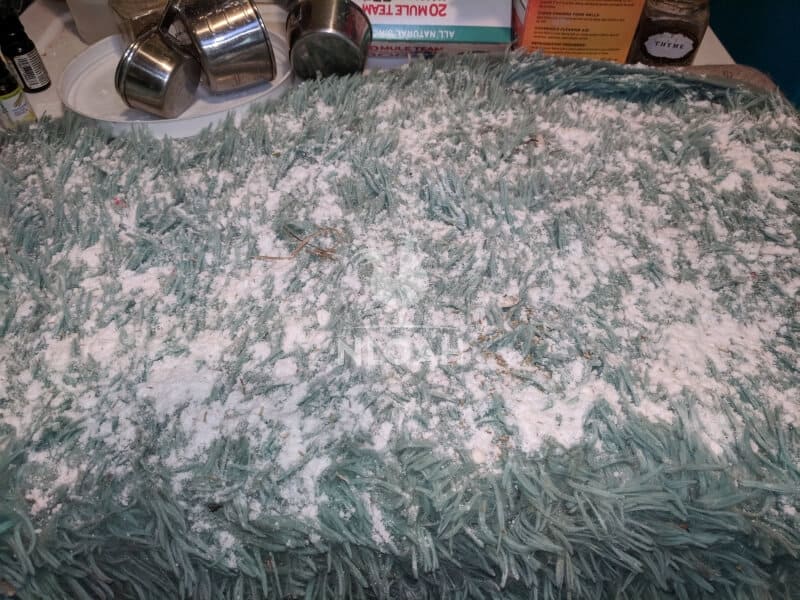
Once again, we find a great solution in the old ways: making our own effective, safe cleaning products!
Using vinegar, baking soda, essential oils, rubbing alcohol, and other readily available, affordable ingredients, you can make all-purpose surface cleaner, floor cleaner, glass cleaner, and even stuff like carpet freshener.
Not only is it fun mixing these things together to do it yourself, but you’ll save a fortune and enjoy a noticeably fresher and healthier home. You don’t need to live way out in the country to do this!
Repair and Re-Purpose
When something breaks, what do you do? Take it to get repaired? Throw it out? Just buy a new one? Time to put an end to that!
Homesteaders have that pioneer spirit when it comes to taking care of problems. If something breaks, be it a fridge shelf or even your manual water pump, take the time to learn more about it, figure it out, and fix it yourself. If you can’t fix it, improvise, and if you can’t improvise, repurpose it.
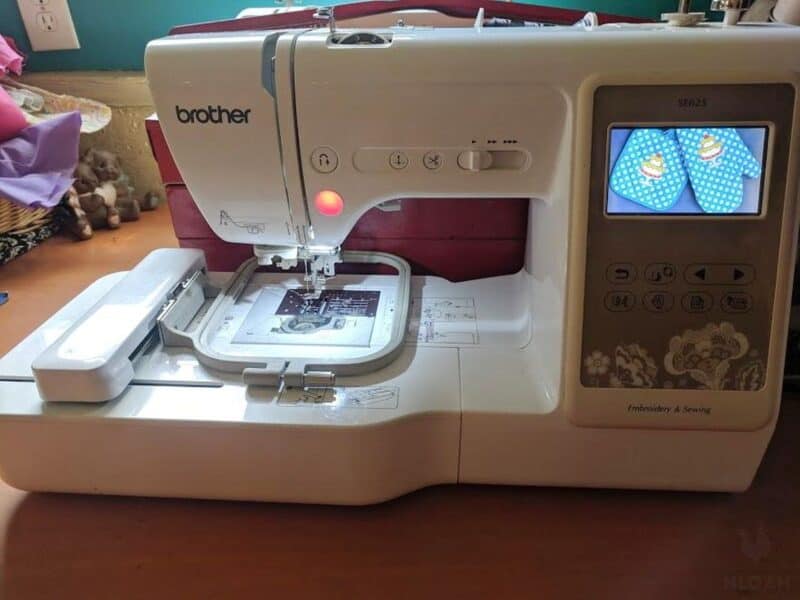
This is another thrifty lifestyle change that’s virtually synonymous with homesteading, and one that you can implement anywhere you live today. Yes, it will take time and often aggravation, but the satisfaction is oh so sweet, and you’ll save more money in the long run.
Catch Rainwater
No matter where you are homesteading, and no matter what you are doing, frugal use of precious resources is fundamental to this way of life.
One of the most precious resources of all is water, and for obvious reasons. No need to belabor that point. The problem is that when you are in the city, water is all around you pretty much at all times.
Open any tap and you’ll have an unlimited supply. Nonetheless, you shouldn’t waste it if you don’t have to. Harvesting rainwater is a smart and easy way to keep extra water on hand for all manner of purposes, be it cleaning, gardening, or taking care of animals.
If you have a home of your own, it’s easy to set up a diverter system on your gutters, which will direct dozens of gallons worth of rainwater that lands on your roof to a nearby barrel or tank.
Even if you live in an apartment, it’s possible to rig up window units that can catch water and direct it inside to tanks or buckets.
Prepare Meals from Scratch
Seemingly one of the most innocuous things on our list can also be the most meaningful: when was the last time you had a meal made from scratch? And I mean really from scratch!
It’s probably been a while, hasn’t it? In a way, it seems almost unthinkable that our ancestors could have had the time to prepare food entirely on their own from basic ingredients. But they did!
The truth is it doesn’t take as long as you might be thinking, especially when you learn how to prioritize your time and use a few labor-saving hacks.
Truly homemade meals will not only feed your body but your spirit, and they are so much healthier for you. I challenge you to start doing more scratch cooking wherever you happen to live.
Start Canning Your Food
Another time-honored homesteading technique is at-home food preservation, and out of all the methods you might employ, the king of them all is canning.

Whether you want to try simpler water bath canning or slightly more sophisticated pressure canning, there is almost nothing that you can’t preserve. Fruits, veggies, meat, and more are all on the table, and best of all, canned goods often have a unique flavor and texture that is just plain yummy.
Once you start, it’s hard to stop, and you’ll have the benefit of fresh, healthy, and delicious food that can be stored at room temperature for a year or a little longer. Even if you live in a tiny apartment, if you’ve got a working kitchen, you can get started canning.
Start Living Simply
This last piece of advice is a little esoteric, but I’m standing by it. Start living more simply, and start doing that with deliberation.
Today, there is a literal war raging in every sphere for our attention, our mind, and our opinions. Legacy media, social media, news, on-the-clock work, shadow work, school, extracurricular activities, and on and on.
It’s never been easier to become a prisoner in your own life, as evidenced by what’s going on in society. Start breaking that cycle.
Ruthlessly assess your life for things that are utterly necessary and the elective stuff that truly brings you joy. Everything else that doesn’t qualify, eliminate or minimize it. Then you’ll have free time, downtime, time to think.
Use it for exactly that. Use it to learn and grow. Use it to reflect. Use it to cultivate and nurture your relationships. Putting the brakes on the ever-more frantic tempo of modern life is one of the most rebellious things you can do, and something that every homesteader does!


Get your gift and learn things like:
- how to make this really quick pest spray
- how to prevent egg waste
- two cheap automation devices that will make your life easier
Tom has lived and worked on farms and homesteads from the Carolinas to Kentucky and beyond. He is passionate about helping people prepare for tough times by embracing lifestyles of self-sufficiency.