
There’s always a lot to do in your garden: plants to tend, pests to get rid of, and soil to improve. Even a small garden can turn into quite a job! Most of us who garden by choice want to get a great return and enjoy the fruits of our labors. That’s why companion planting is so important.
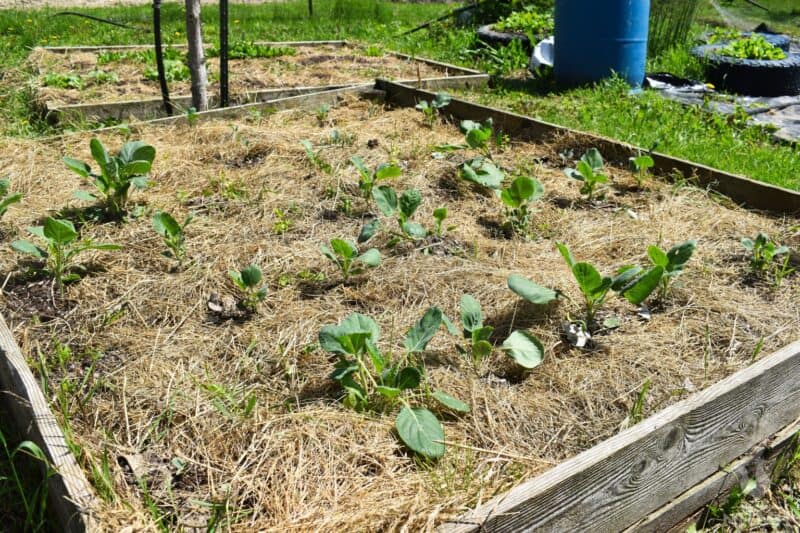
Companion planting will help our plants, whatever they are, grow even bigger and more bountifully, and also save us time and energy because neighboring plants will support each other.
But you’ve got to know what you’re doing, as each kind of plant has neighbors it prefers, so you don’t want to plant the wrong thing. If it’s a brassica like broccoli you’re trying to grow, I’m here to help with a list of 16 awesome companions for it.

Onions
Onions are one of the very best veggies you can put in your garden, and not just for their versatility in the kitchen.
Onions, like most allium genus veggies, are repulsive to pests and this time not just insects. They will repel the usual assortment of aphids, fly and moth larvae, beetles, and more but they will also keep rodents, rabbits, and sometimes deer at bay.
Even better, onions have very shallow and fine root networks, meaning you can grow them pretty close to your broccoli, just 10 to 12 inches (25 to 30 cm) away. The shade that broccoli can provide for the onions will help the soil stay cool which is a big benefit to onions.
Celery
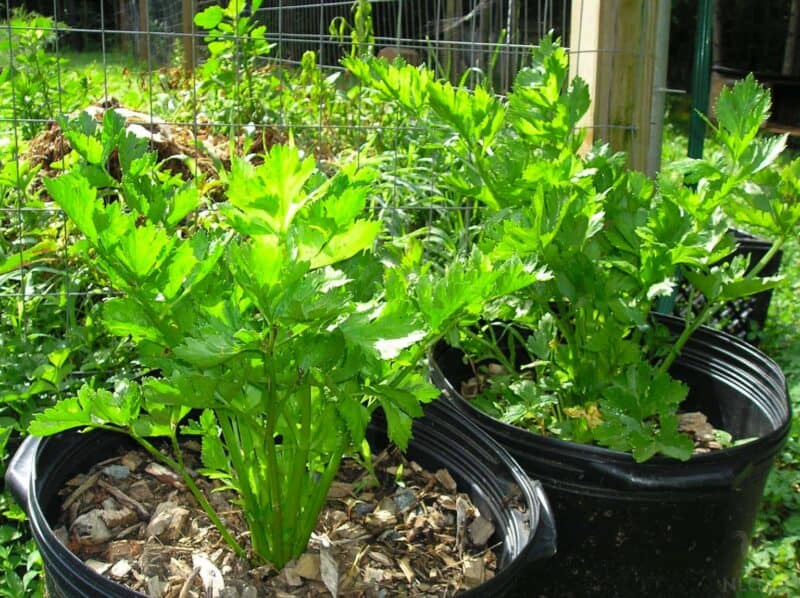
Celery is an inspired choice for a broccoli companion planting. Though both have a big appetite for nutrients, this is manageable as long as you keep an eye on soil levels and fertilize as needed.
Broccoli can provide celery with much-needed shade during the hottest days, and broccoli tends to be tastier when it is grown near celery.
But most cultivars, of both plants, tend to be pretty sizable, so proper spacing is essential. I’d give them no less than 12 inches of space on either side, and 16 inches might be better if you are growing bigger broccoli types like Calabrese.
Potatoes
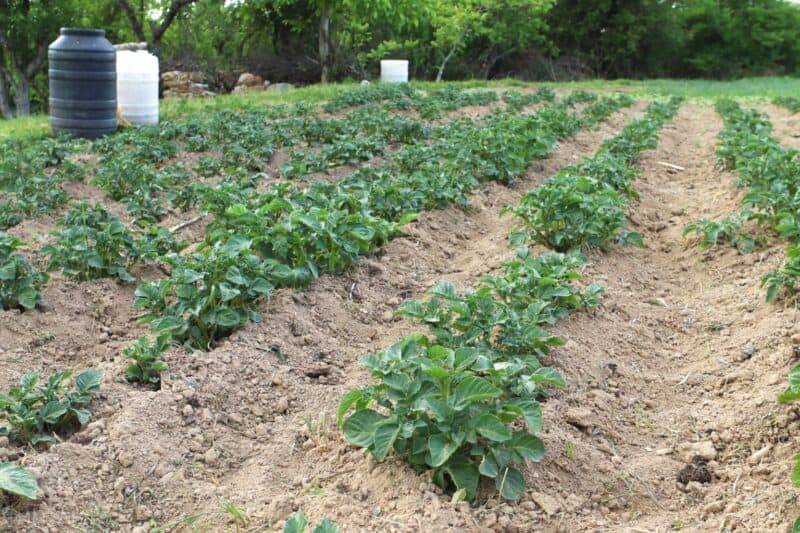
At first glance, potatoes and broccoli seem like incompatible neighbors, but that isn’t really the case so long as you’re careful. Both plants are heavy feeders, yes.
Both plants need a fair amount of room for their root networks. But the trick is that potatoes need different nutrients in abundance compared to broccoli, specifically phosphate and magnesium.
This means that, as long as you leave about a foot and a half between the plants, you can grow both broccoli and potatoes together without them starving each other out. Plus, broccoli and potatoes are constant side items for meals in my house, so you can’t go wrong growing both!
Beets
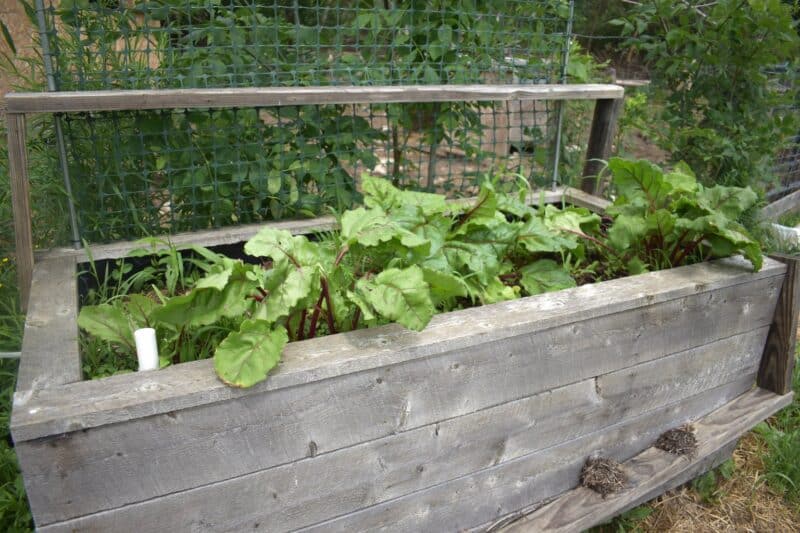
If there are two veggies that you might say are truly symbiotic in the garden, it has to be beets and broccoli.
Broccoli, as you probably already know, is a heavy feeder and needs lots of calcium to grow those big, crisp green heads. In contrast, beets grow best in soil with lower calcium levels. You can see where this is going!
The broccoli will ensure that excess calcium is taken up out of the soil, and the result is that beets will be ruby red, tender, and flavorful.
Plus, beets help to loosen compacted soil which will benefit broccoli roots. You can plant these two pretty close together, about 6 to 8 inches apart depending on the variety.

Radishes
Radishes are another space-saving neighbor that you can plant right alongside broccoli, and one that will grow very quickly and loosen soil at the same time. Most of your smaller globe-type radishes only need between 3 and 6 inches of space.

Lettuce
Lettuce, all kinds of lettuce, makes great neighbors for broccoli. Broccoli tends to grow a bit taller than most people think, whereas most kinds of lettuce do the opposite and stay low to the ground.
Planted at the same time, the broccoli can help shade the lettuce from the most intense sun, preventing it from going to seed.
In kind, your lettuce will help the broccoli by shading the soil, lowering the overall temperature, and also keeping it moist while preventing weeds from sprouting, which broccoli tends to be vulnerable to.
Simply plant alternating rows of broccoli and lettuce, or even alternating plants if you are very pressed for space. Maintain a spacing of between 6 and 10 inches depending on the variety.
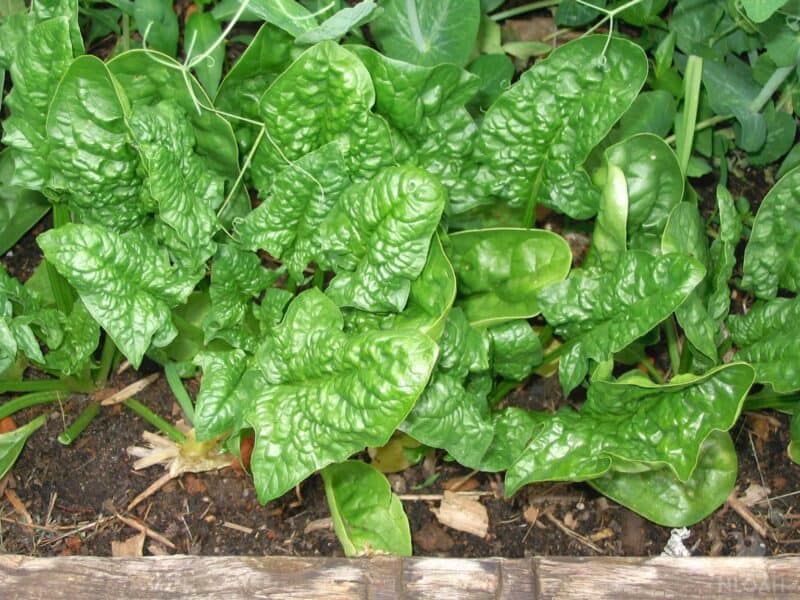
Spinach
Spinach works very much like lettuce for our purposes as a broccoli companion, keeping soil cool, moist, and weed-free.
Spinach also does especially well in cooler weather just like broccoli does, and those tall, broad broccoli plants will help protect spinach from getting cooked by intense UV, especially during elevated temperatures.
The same approach here as with lettuce: plant in alternating rows if you are able, and keep spacing anywhere from 6 to 10 inches.
You don’t need to leave as much room if you plan on harvesting spinach when it is young, as baby spinach. Leave more room if you want to let it mature.
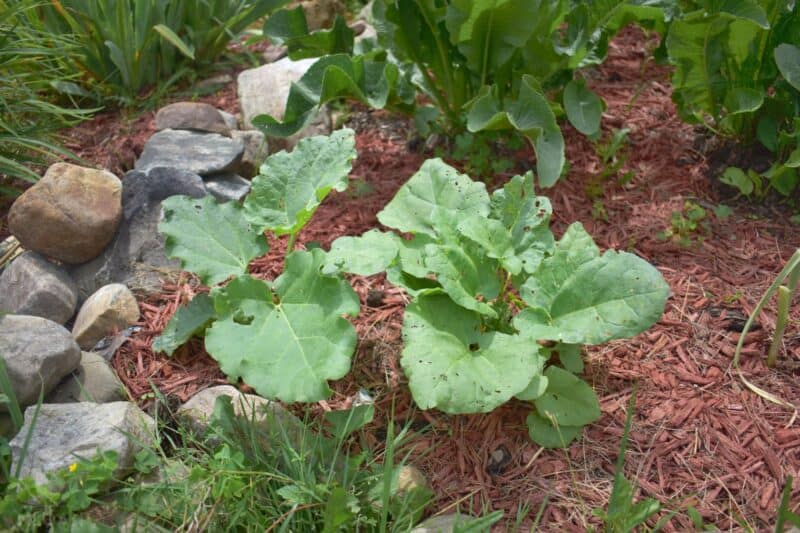
Rhubarb
If you like strawberry rhubarb pie, rhubarb can be a surprisingly good companion for broccoli.
You’ll have to give both plants plenty of room, since you don’t want either to shade the other, but rhubarb will help drive off several devastating broccoli pests like whiteflies, various beetles, aphids, and other specialized leaf-eating or leaf-sucking insects.
Just be prepared to prune back the rhubarb if you need to since its enormous leaves will often reach farther to either side than you anticipate. Early pruning that will train them to grow mostly along the length of the row can help to ease this problem.
Chamomile
Chamomile is more than just pretty flowers, as it has been used to make herbal tea and supplements for ages.
As a broccoli companion, it will help with pollination by attracting butterflies, bees, and other insects, and the broad leaves of broccoli can help provide a little bit of shade for chamomile while it is young.
You’ve got plenty of options for planting chamomile as it only needs about 8 to 10 inches of space to itself. You can plant it among the broccoli where there is room, or in rows of its own at your preference.
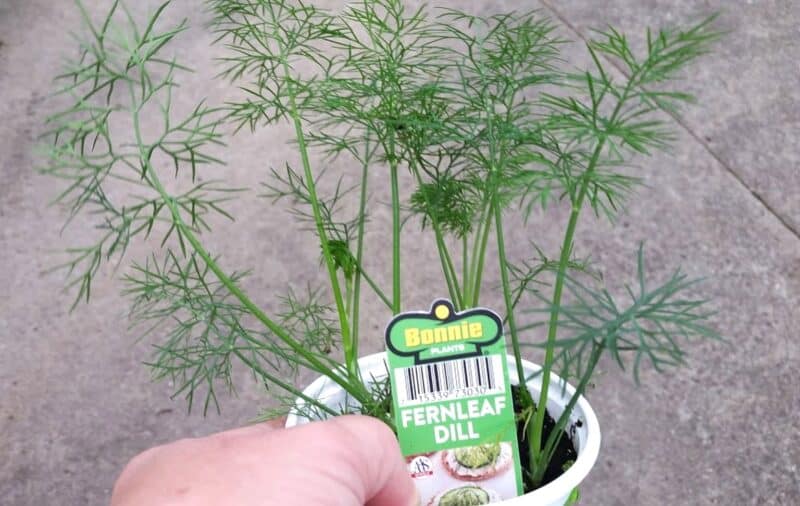
Dill
Dill is highly aromatic and a fixture for making pickles and all sorts of vegetable salads, and it has the curious property of enhancing the growth of nearby plants by fortifying the soil with beneficial compounds.
But dill can improve the health of your garden overall, including the health of your broccoli, because it is a powerful attractor of garden pollinators and beneficial predators.
Bees and butterflies will flock to dill blooms, and the plant will continually attract ladybugs which will then go on to devastate aphid populations that would otherwise drain your broccoli leaves!
Like most of the other herbs here, give it at least a foot of space between the broccoli, or you can set pots of it around at your convenience.

Oregano
Certainly one of the most popular and versatile herbs, oregano is also one of the most ferociously potent for keeping garden pests away from your plants. It is utterly repulsive to aphids and other bugs besides, including various beetle species.
But what some gardeners don’t know is that oregano, when it bolts and flowers, is highly attractive to beneficial garden predators in kind like lacewings. These helpful critters will then go on to get rid of pests that managed to stick around!
Oregano works best as a perimeter plant in your broccoli beds.
But, if you don’t have room for it or prefer not to plant it, you can set containers of it around at various points among the broccoli or at the edges; it’s the fragrance that drives off the insects, not something that it releases into the soil.
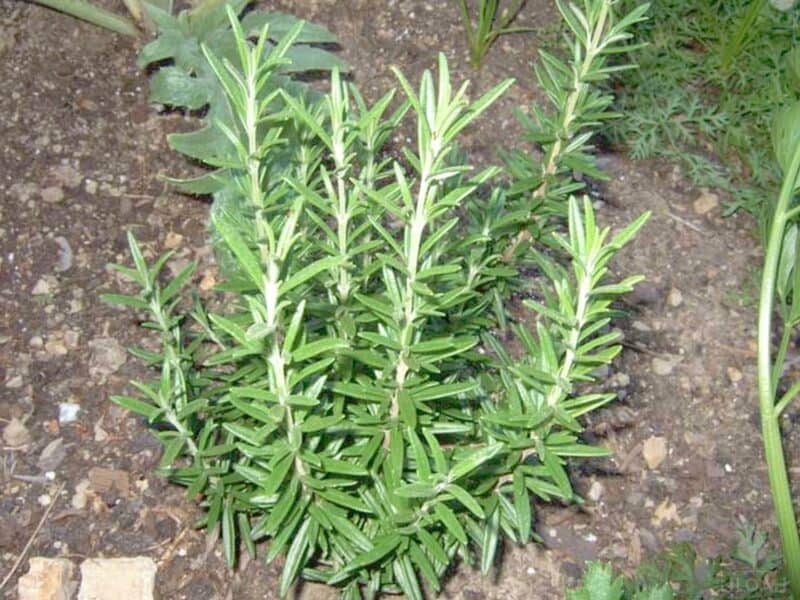
Rosemary
Rosemary has to be one of my very favorite herbs, and there is hardly a recipe I make where I don’t use it. That delicious, complex flavor is reason enough to grow it in your own garden, but you’ll have even more good reasons if you’re growing broccoli, too.
Rosemary is a really powerful insect repellent and is proven to be highly effective against aphids, cabbage worms, moths, and various mites.
Rosemary can protect a lot more besides your broccoli, too. But you’ve got to take care with placing it because it prefers drier soil:
I recommend you plant it at the very edge of your broccoli bed, and make sure the soil is well-drained and has a small dam around it to keep it from getting saturated. If that is impossible or just too much work, plant it in pots and then place them strategically around your broccoli. It will work just the same!
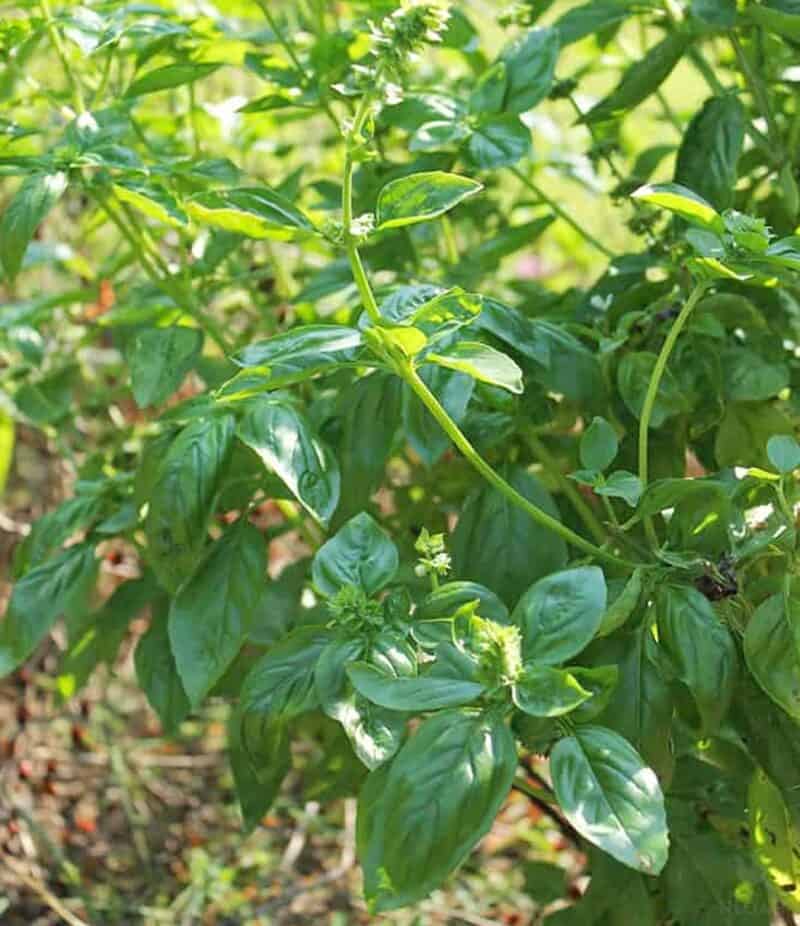
Basil
Basil is one of the most popular and commonly used herbs in the entire world, and that sweet, fresh flavor makes it easy to understand why.
Like rosemary, this is an all-natural and strong insect repellent, and all kinds of little creatures from mites and aphids to various grubs and flies will head for the hills when they get a whiff of the stuff.
It’s possible to plant basil near broccoli with a spacing of about 12 inches, but this can still be a little risky because of its roots. Try to place it just around the perimeter of your broccoli beds as with rosemary, or else start them in a pot and then set them outside at each of the corners.

Mint
The fresh, bracing smell of mint is welcome in the kitchen and the garden, and if you can smell it, you can rest easy knowing that this super-strong herb is keeping all sorts of harmful garden pests at arm’s length, including many kinds of beetles and flies.
More than that, blooming mint is downright irresistible to helpful insects that you actually want to visit, pollinators like bees and butterflies among them.
But mint can be a fickle ally in your garden. Mint grows quickly, voraciously, and wild, and that can easily interfere with and overtake your broccoli.
If you aren’t up for regular pruning, stick it in a pot as with the other herbs we’ve talked about. If you are going to plant it in the ground, put it around the perimeter or just at the corners of your beds or garden to make it easier to manage.
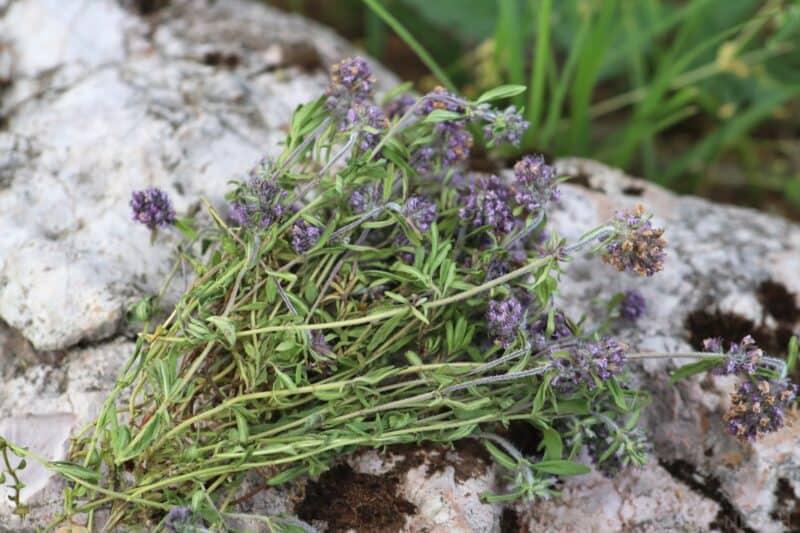
Thyme
Not much of a surprise here. You should be getting the picture by now that many common kitchen herbs happen to be super useful companion plants in the garden because they keep bad bugs at bay and attract the good ones.
Thyme is one of the former and is noted for its effectiveness against moth and fly larvae and the devastating corn earworm.
Unlike mint, you can grow thyme right next to your broccoli because it’s far more sedate in its growth habit and easier to manage. It typically takes the form of a small bush.
This lower, denser growth habit also helps to keep the soil a little cooler and damp, which your broccoli will appreciate. Space anywhere from 6 to 8 inches from the broccoli.
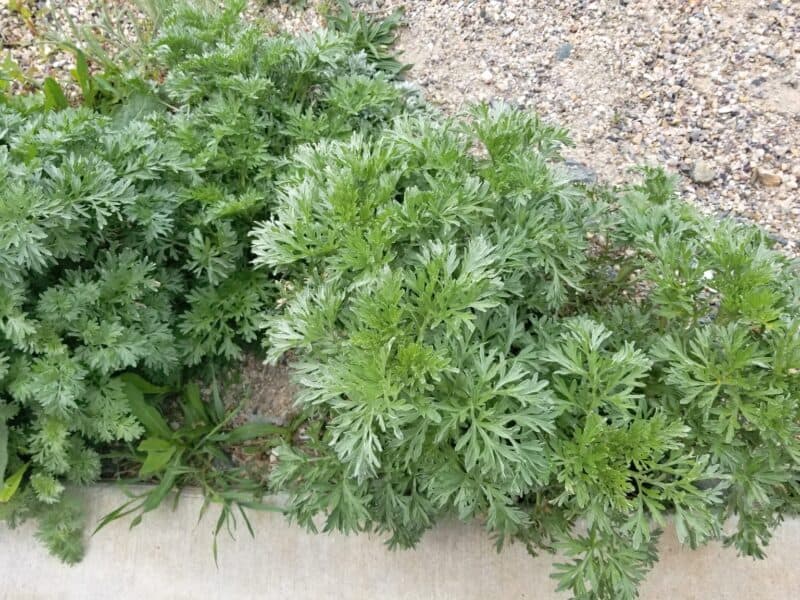
Sage
This sweet and woody herb can make nearly any dish taste better, and it’s yet another great herbal companion for broccoli. If you want to pair these two up, though, you’ll need to plant the sage early because it takes a good while to get established and start growing.
I recommend that you plant it one season prior to your broccoli, leaving at least a foot between your sage plants and where you plan on putting the broccoli.
It takes a little extra effort, but it is certainly worth it: sage is a strong repellent of various parasitic flies, including carrot flies, beetles, cabbage moths, and more. Many of these critters can decimate your broccoli and other garden plants besides!
If you don’t have room to plant rows of sage, try to plant it around the perimeter of the broccoli or, if you’re really pressed, at the corners of your garden.


Get your gift and learn things like:
- how to make this really quick pest spray
- how to prevent egg waste
- two cheap automation devices that will make your life easier
Tom has lived and worked on farms and homesteads from the Carolinas to Kentucky and beyond. He is passionate about helping people prepare for tough times by embracing lifestyles of self-sufficiency.