How to Set Up a Brooder for Your Chicks
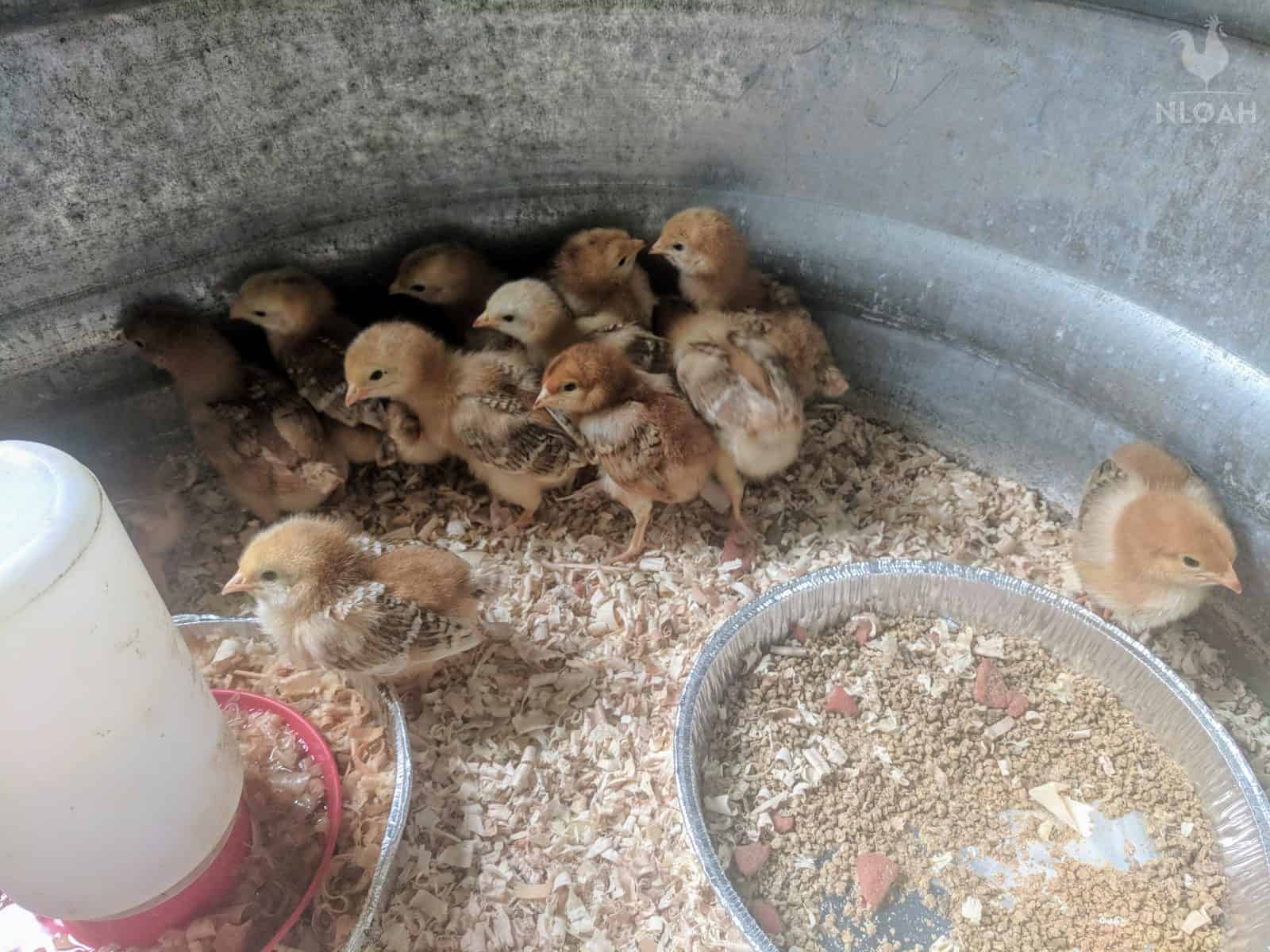
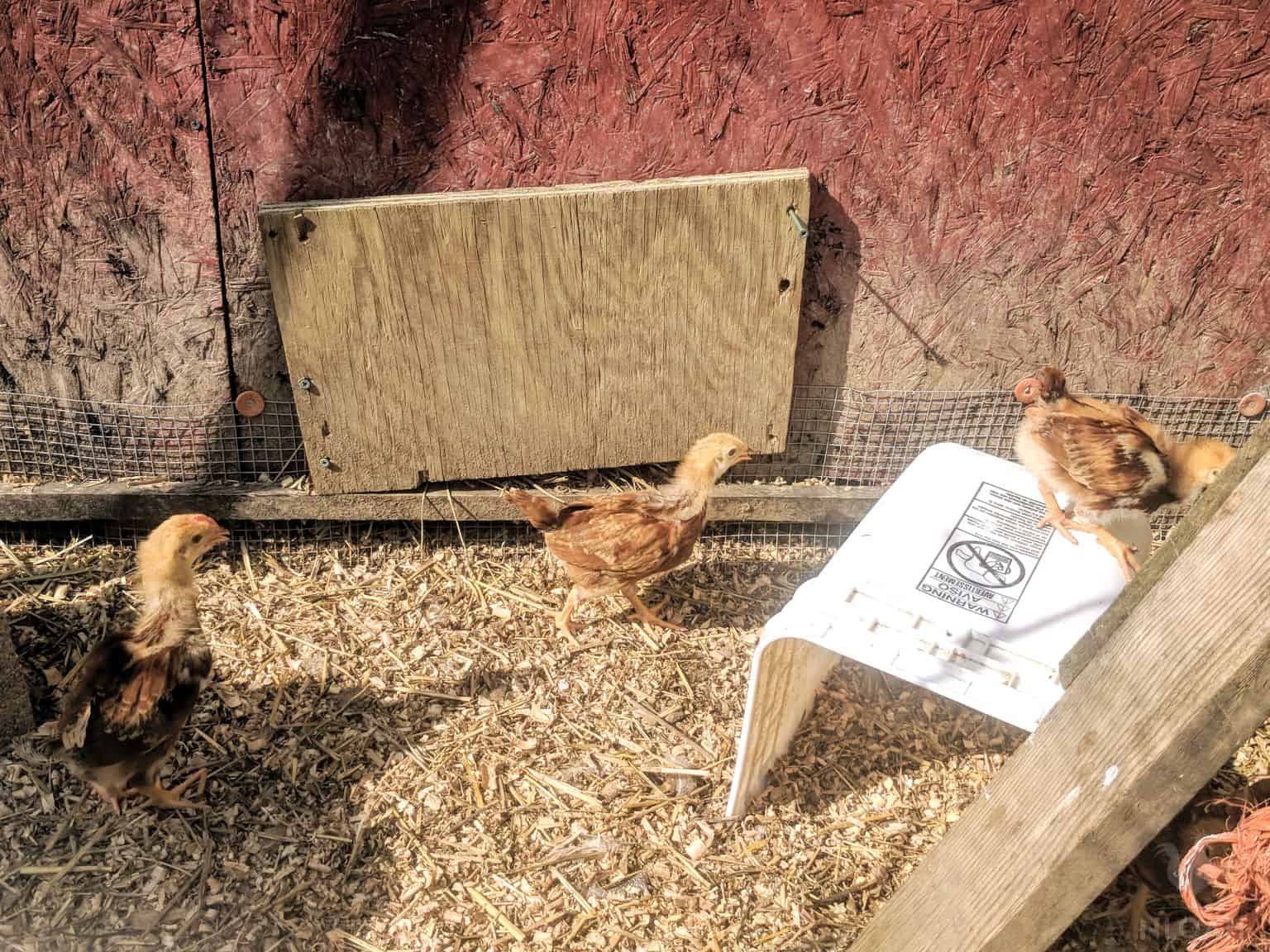
chickens in brooder

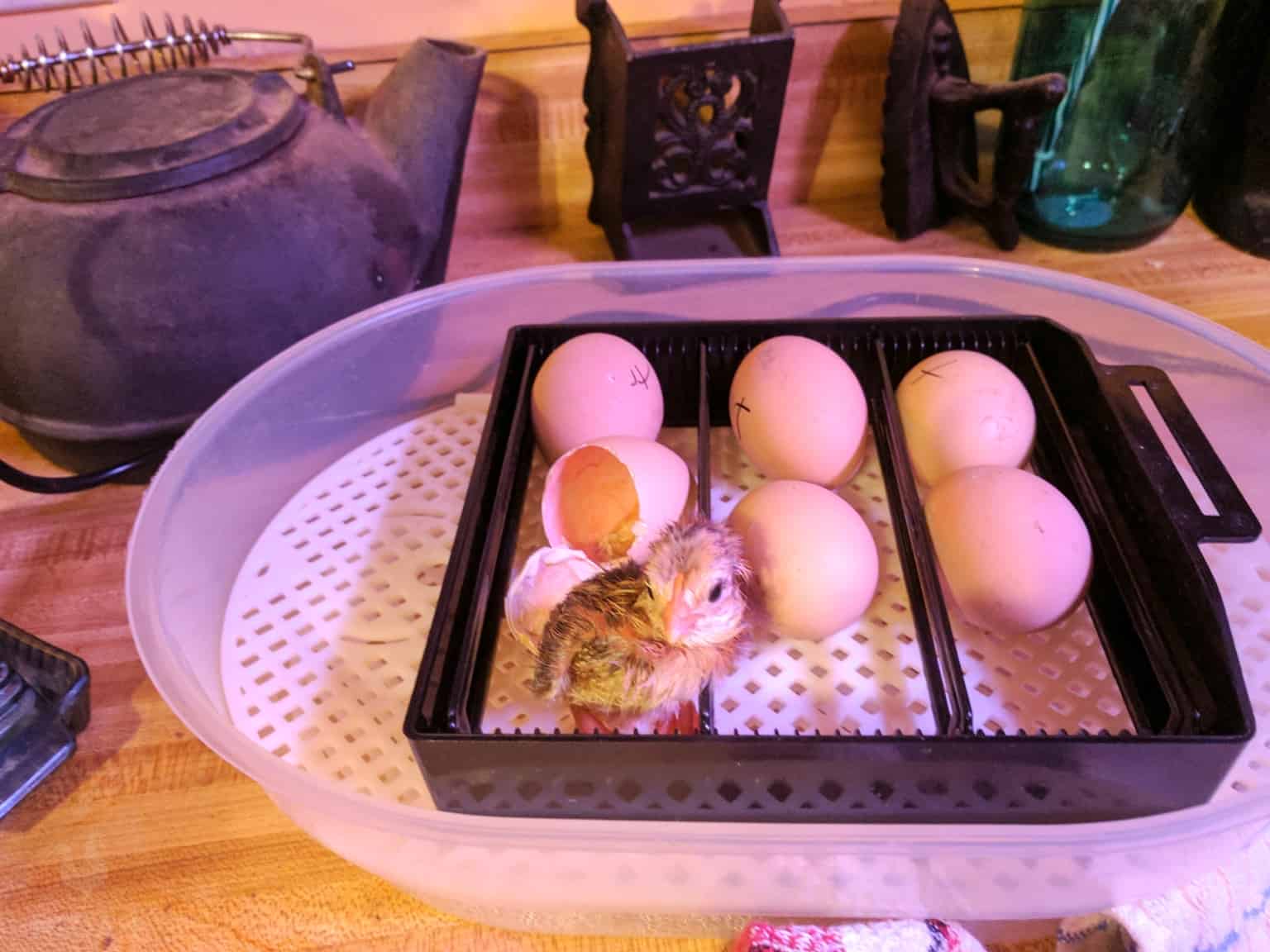
Getting new chicks – especially if it is your first time, is quite exciting. But, if you fail to set up the brooder and start the little flock members properly, tragedy can strike. While there’s no need to purchase an expensive commercially manufactured brooder, the habitat must conform to the basic needs of the chicks … Read more
How to Make Dandelion Infusion and Tincture

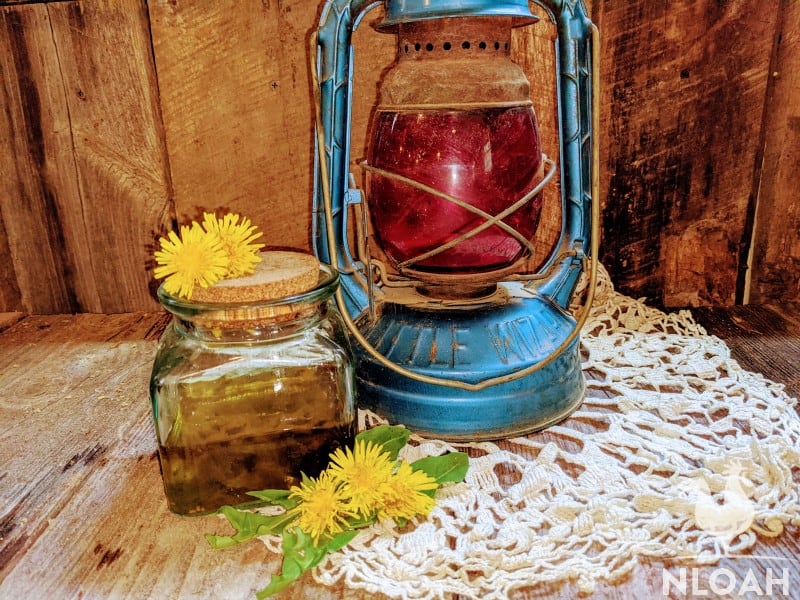
dandelion infusion

Dandelion infusions and tinctures have been used to garner the high nutrient content contained in the flowers, leaves, roots, and stems, and also to harness the potential natural medicinal properties the plant parts contain. Making a dandelion infusion is neither difficult nor expensive, but it does require both time and patience on the part of … Read more

How to Make Honey and Chamomile Soap

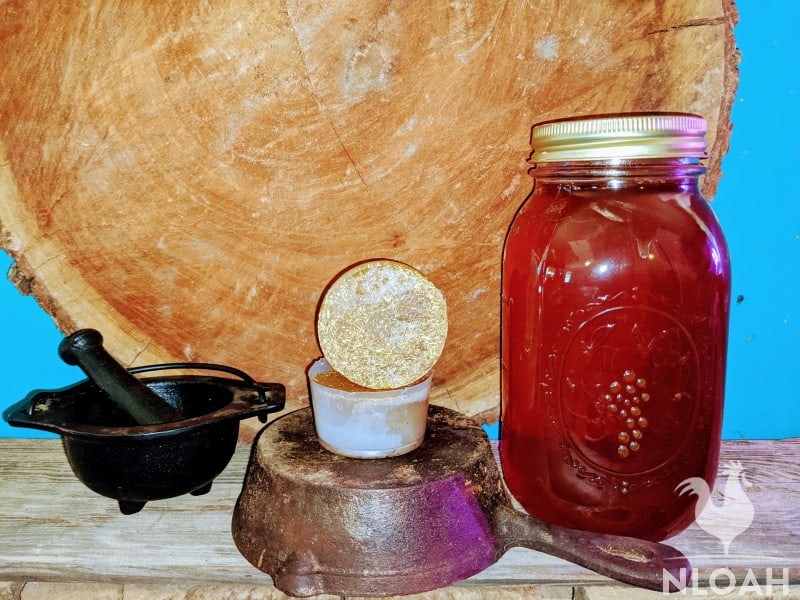
honey and chamomile homemade soap

Honey and chamomile are two of the most popular additives to natural soap bars. Combining the two is to make, and the melt and pour soap base creates both a pleasing scent and feel when used. The use of honey in soaps infuses it with humectant compounds that help combat and prevent acne, as well … Read more

Homemade Duck Feed: How to Grow Your Own

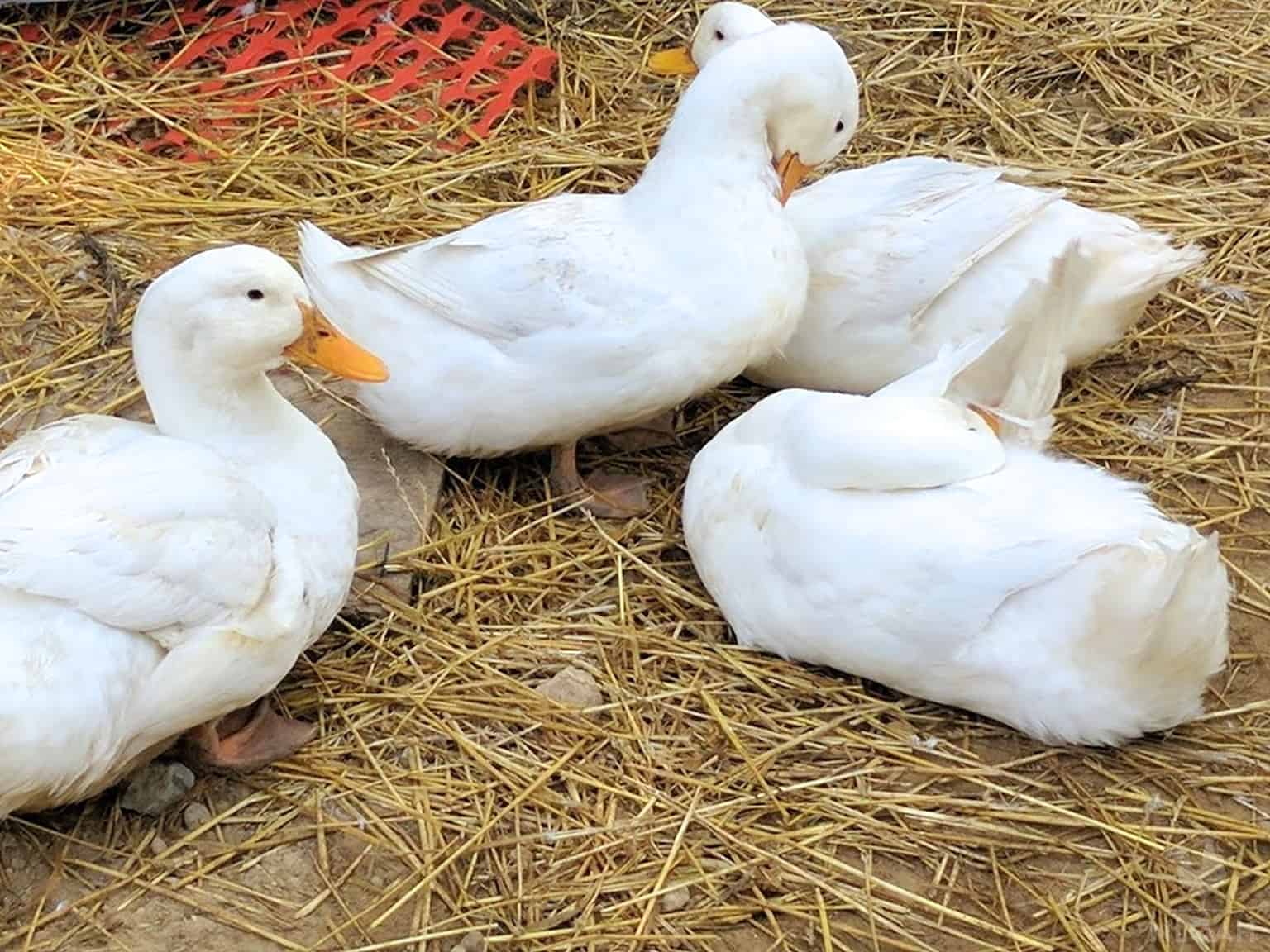
four Pekin ducks

Growing your own duck food may not only save you an enormous amount of money over time, but will also provide both a sustainable and more natural diet for your meat and egg birds. It is possible to do away with store-bought commercial feed entirely if you cultivate aquatic and ground food plots for your … Read more

So, How Long Do Seeds Last?

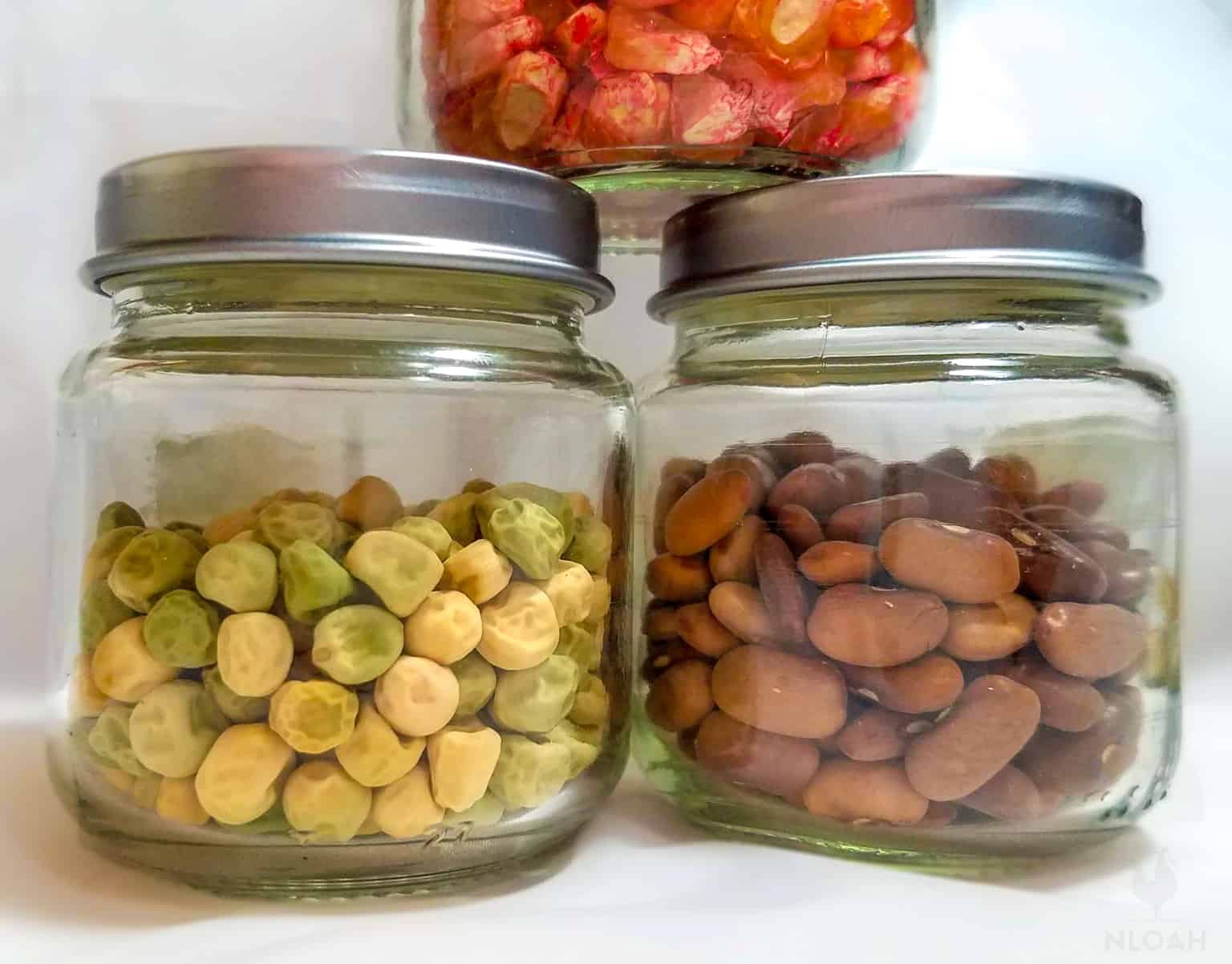
peas and beans seeds in glass jars

Saving seeds so you can start a new crop the following season only makes good economic sense. Preserving the seeds from a tasty and bountiful vegetable, fruit, or herb harvest also helps you increase the odds of replicating the same flavor and yield the following year. Typically, seeds will last between 1 and 5 years … Read more

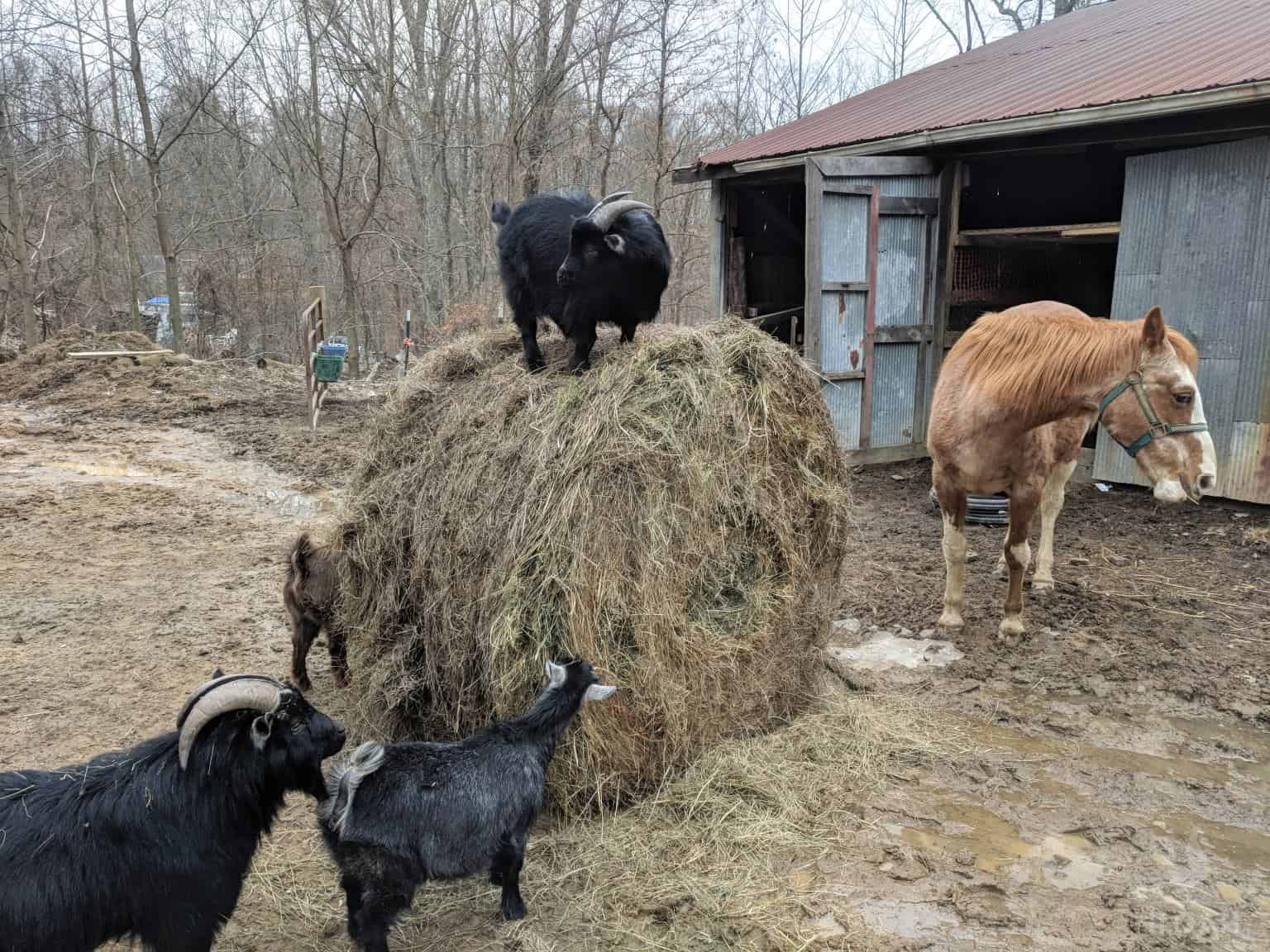
Raising Fiber Goats: Everything You Need to Know

four pygoras and two other goats free-ranging

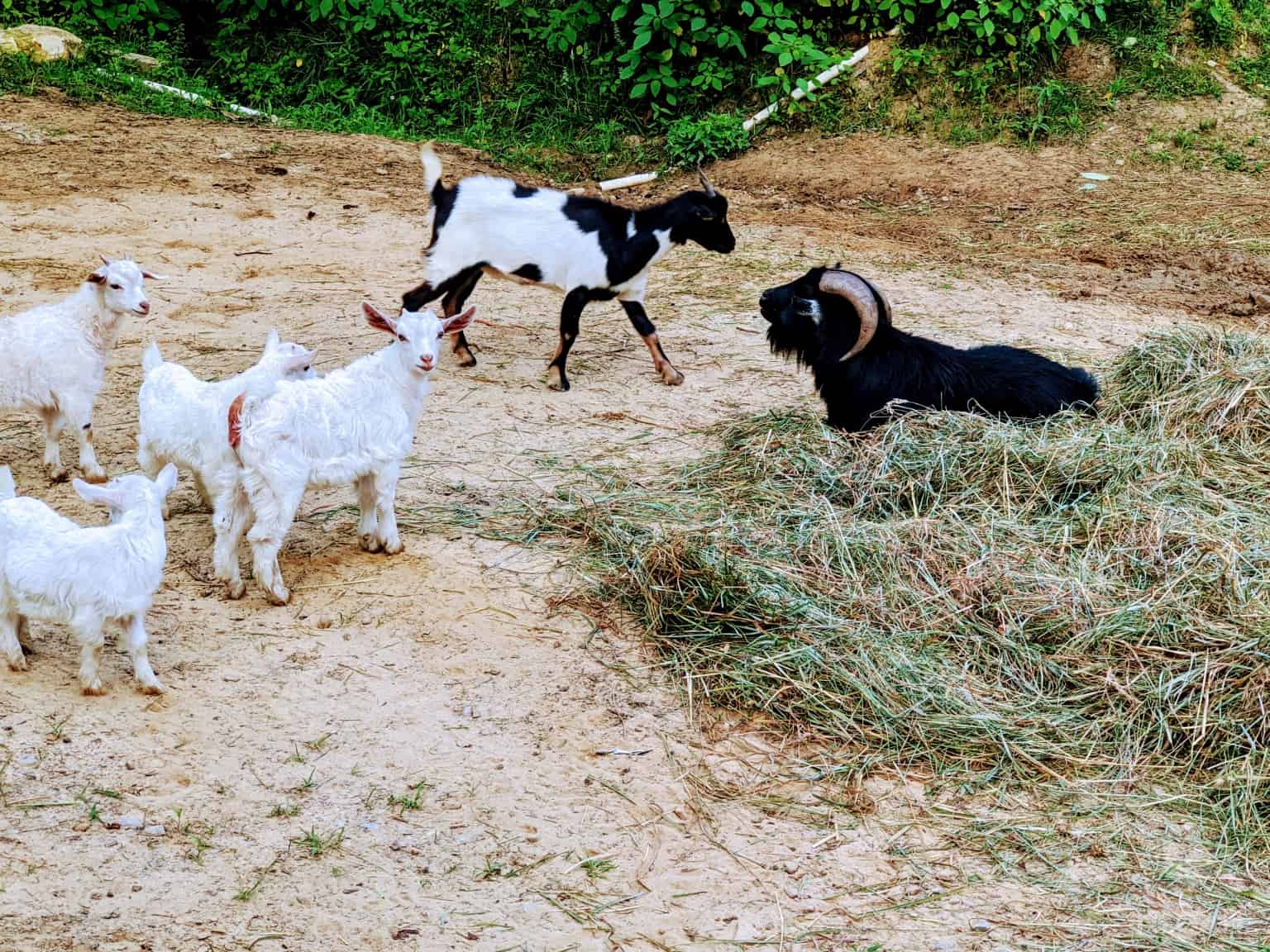
Caring for fiber goats is a fun and profitable way to have a homestead. Not only do they produce high-quality fiber, but they’re also entertaining animals that can provide plenty of laughs. And let’s not forget how beautiful that fiber is! Not all fiber goats produce cashmere – some produce mohair – but cashmere in … Read more

How to Use Jewelweed on the Homestead

harvested jewelweed

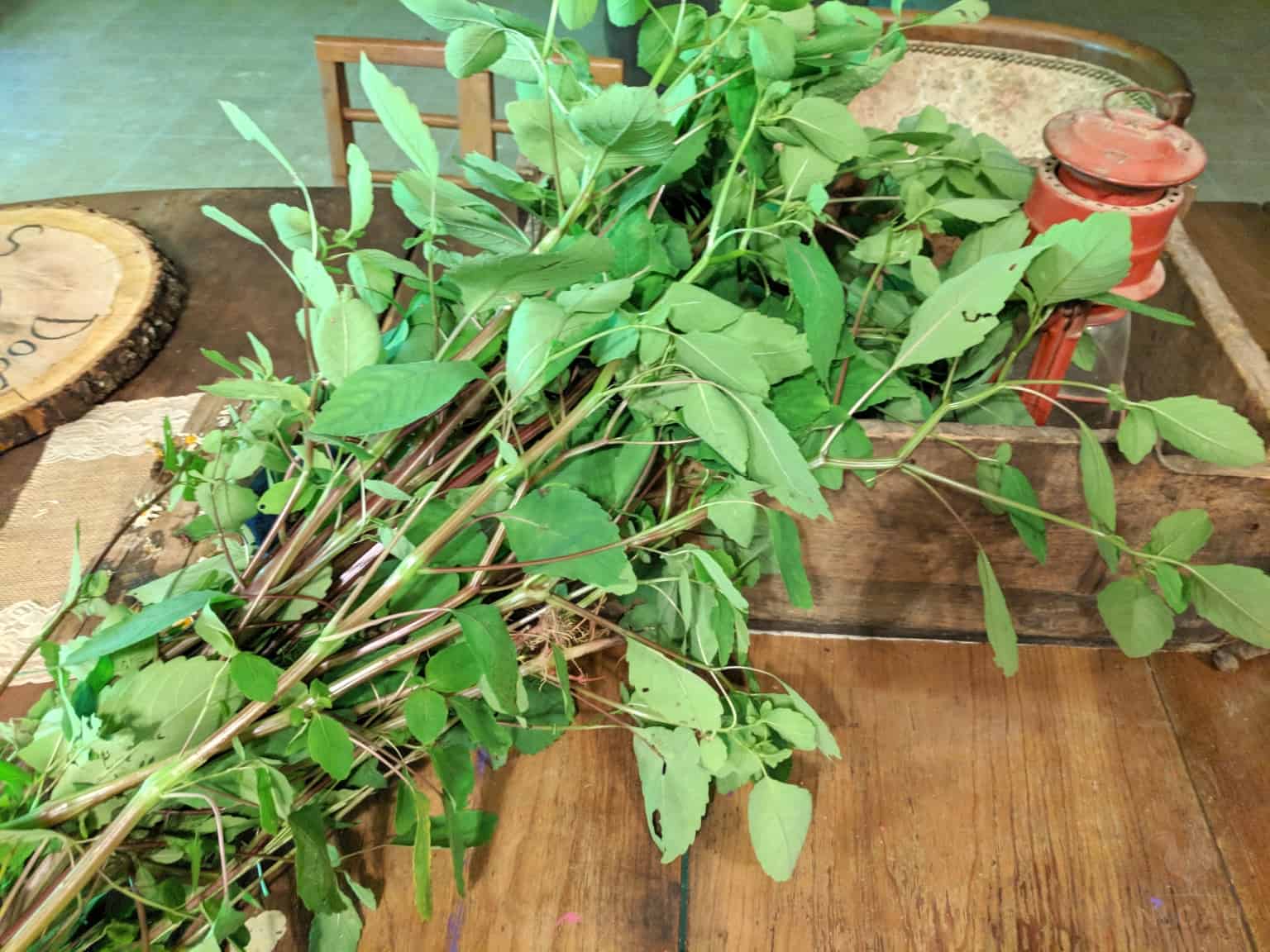
Jewelweed is a drastically underappreciated “weed.” While you can eat jewelweed, it is most often grown or foraged it for its potential healing properties. While this attractive bush-like plant has many uses, it is perhaps most widely known for its antipruritic (anti-itching) value. This wild plant is an active natural ingredient in poison ivy rash … Read more

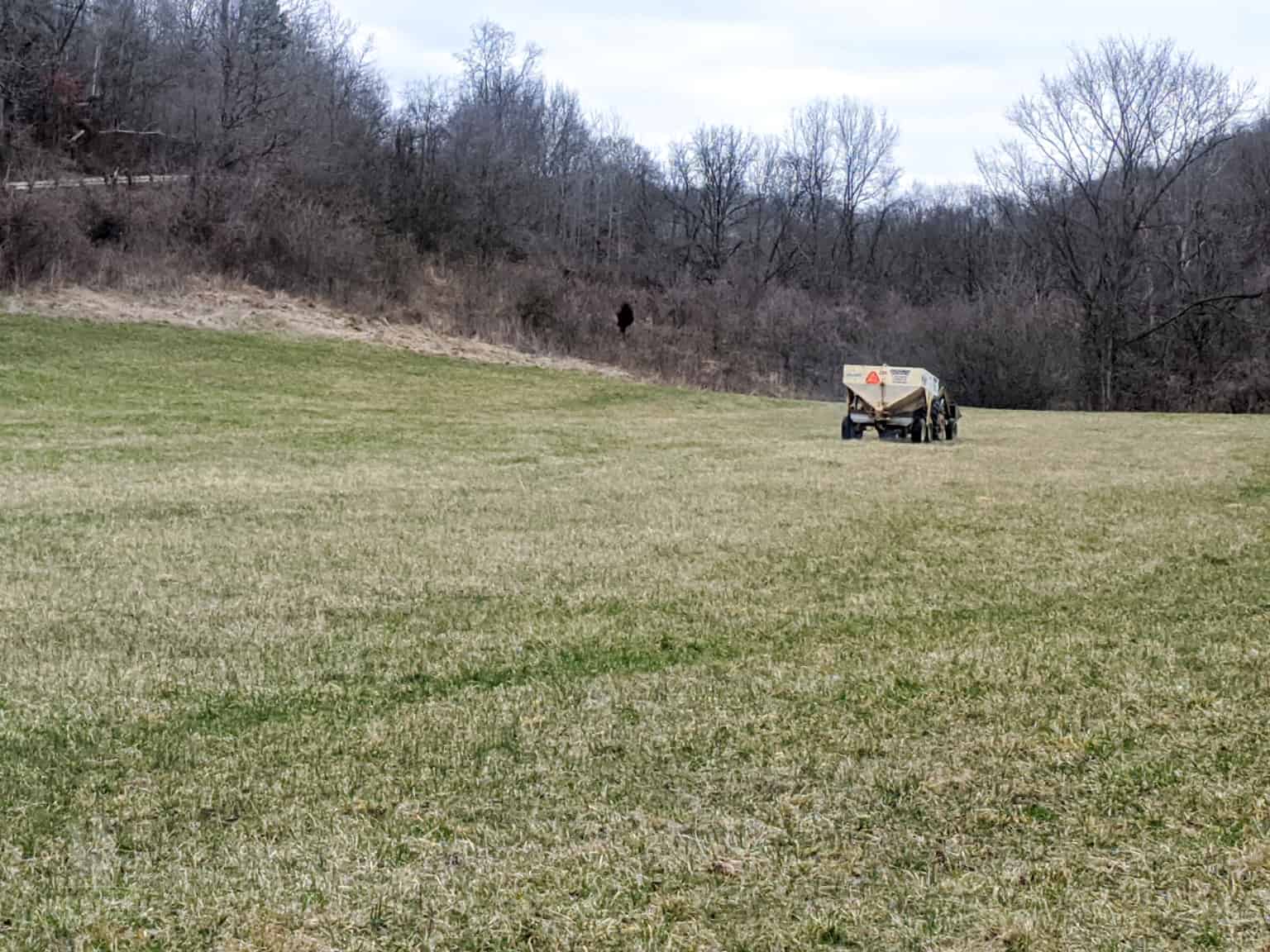
How to Fertilize Pastures and Hay Fields

fertilizer truck on pasture

Adding fertilizer to a pasture or hayfield can help infuse nutrients back into the soil and bring about robust growth of highly nutritious hay or field grass for the livestock to eat … if you do it right. Making mistakes when fertilizing livestock areas can not only bring about a vastly disappointing hay or straw … Read more

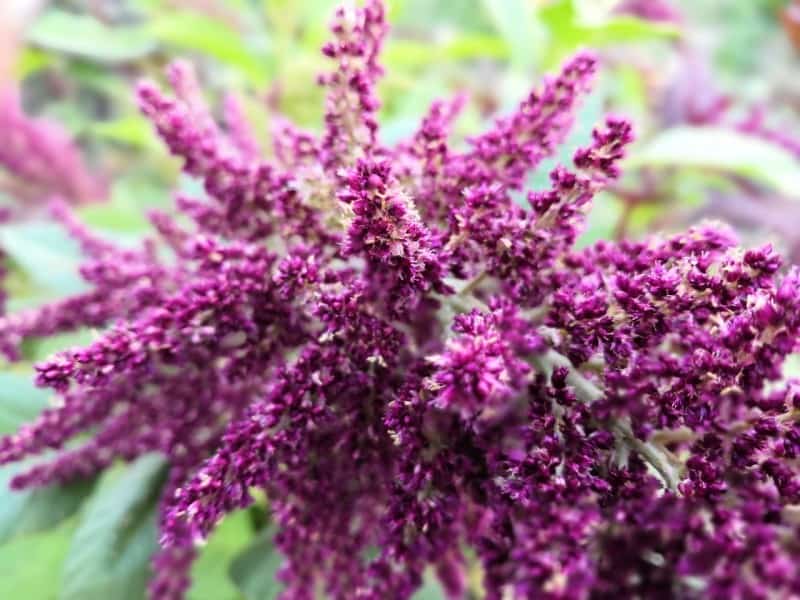
Amaranth: How to Grow and Use It

amaranth

Amaranth may not be a staple crop on American homesteads right now, but it should be. This nutrient-rich plant has been used as a dietary staple in many parts of the world for centuries. This beautiful and easy to grow plant that is often classified as both a grain and an herb, has long been … Read more

22 Herbs That Do Well in the Shade

Growing herbs in the shade is a wonderful way to increase the amount of crops on the homestead to eat or use. There are a plethora of benefits of living on a partially wooded homestead, but having ample full sun growing areas is not necessarily one of them. If you live on a small homestead … Read more