
If you’ve ever wanted to figure out how to get your chickens to lay more eggs, you aren’t alone. I’ve had this problem many times myself – often, due to a change in the seasons – and have more than once found myself researching how to boost production.

There are plenty of factors that can affect how many eggs your girls lay. Some common reasons include too little or too much protein in the diet, not enough calcium, and boredom from lack of stimulation.
If you’re looking for ways to get more eggs from your chickens, read on! I’ll tell you everything you need to know.
Overview
To sum up what”s written below:
- ✅ wait for your birds to be around 20 weeks old before they start laying
- ✅ give them the right foods, and add some treats from time to time
- ✅ keep the coop and nesting boxes clean
- ✅ let them free-range
- ✅ add an extra calcium source
- ✅ ensure they have cool (but not ice/cold) water in the summer
- ✅ keep coop temperature between 65–75 °F (18–24 °C)
- ✅ pick breeds that are better egg layers
- ✅ check for parasites
- ✅ look for eggs in places that are out of reach
- ✅ ensure each bird has enough space
- ✅ minimize social stress
- … and more!
Know Your Timeline
One of the best (and obvious) tips to remember is that chickens don’t start laying as soon as they hatch out of their own eggs.
It takes time!
In fact, most hens won’t lay their first eggs until they’re at least 18 weeks of age. Some “late-blooming” breeds won’t even start until they’re 24 weeks or older.
Although there are chickens of some breeds – typically hybrids, like Golden Comets – that can start laying eggs as early as 16 weeks, most will be 18 weeks or later.
So be patient! Also, keep in mind that chicks that hatch later in the year (like in summer or fall) may delay laying until the winter has passed. Typically, they only follow the 18-24 week “deadline” if they hatch normally, in the spring.
While you’re marking your calendar for the expected laying times, also keep in mind that there are normal times around the year for chickens to stop laying once they’ve already started, too. For example, molting.
Chickens molt once a year (usually when they are at least one year old). When chickens molt, they lose their feathers to grow new ones – and typically, the laying shuts off too, until those feathers grow back.
You can’t do anything to avoid the molt, but knowing when to expect it (typically in the fall, for about a month) can help relieve some of the stress. You might consider feeding your girls a higher protein diet during this time, too. Opt for protein feeds that are 16% protein or more.
Mind the Feed
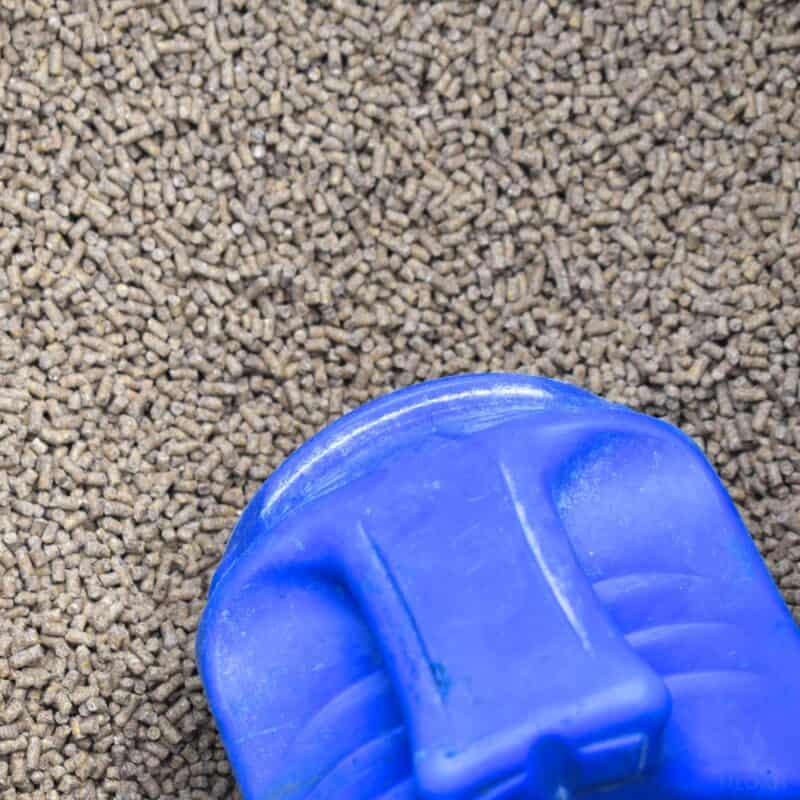
Often, chickens don’t lay enough eggs (or any eggs at all) because something in their diet needs to be tweaked. Try feeding your girls a steady diet of premium laying mash or pellet along with occasional supplements like fresh vegetables, fruits, and other treats.
If you change their feed to a new blend, do it gradually. Changing feed formulations all at once is a surefire way to shock and overload your chickens, making them less likely to lay abundant quantities of eggs.
You may find that upping the portion sizes for your hens can help, too. Try offering feed-free-choice by using automatic feeders, rather than only feeding your hens a few times a day. By giving them food at all times, they’re more likely to eat more and consequently to lay more, too.
If you don’t already, make sure you have multiple feeding stations set up around your coop and yard. That way, if you have a large flock and find that certain members are bullying others, this will guarantee that all of your chickens can access the feed.
Lastly, you should check the feed for signs of mold. Sometimes it’s issues like this one that are easy to fix…
Check out our articles on what you should and shouldn’t feed chickens:
- Things Chickens Can Eat, and 20 Things They Cannot
- Free Ideas to Feed Your Chickens
- Herbs To Feed Your Chickens
Add Some Treats
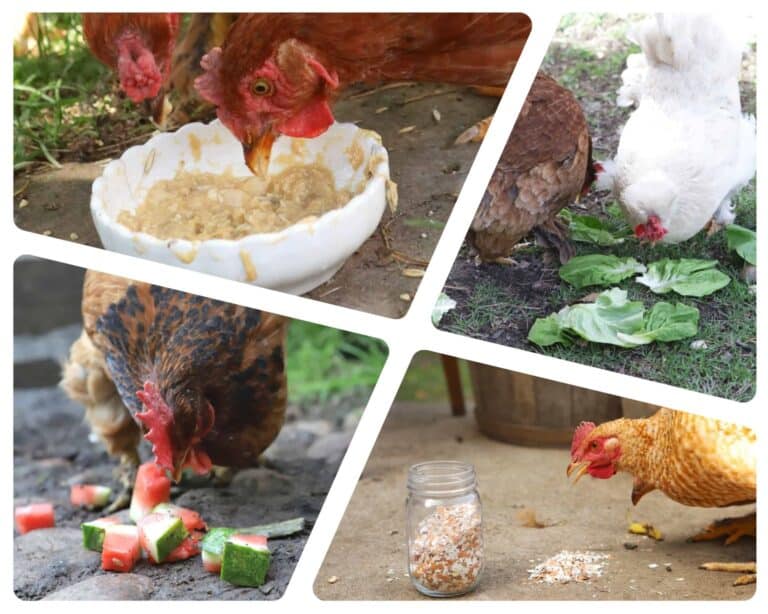
Although the easiest way to modify your chickens’ diets to get them to lay more eggs is to simply provide them with more of their regular, high-protein, and high-calcium feed, you can also supplement with treats.
You don’t need to go crazy with this, but there are a few treats you can feed that will help your chickens lay more eggs – something that can be especially helpful as the winter months approach.
Some good options include:
- ✅ Mealworms and earthworms, BSFL (black soldier fly larvae, – a good source of calcium)
- ✅ Cooked eggs and eggshells
- ✅ Leafy greens
- ✅ Watermelon and other watery fruits
- ✅ Japanese beetles
- ✅ Pumpkin and sunflower seeds
- ✅ Scratch grains
- ✅ Warm oatmeal (a great treat in the cold winter months!)
- ✅ Cracked corn
- … or any that you like to make yourself (there are a ton of recipes out there)
If you do decide to feed treats, only do it about once a day, and limit the number of treats your chickens get.
You don’t want them to fill up on treats at the expense of the more balanced diet their layer feed provides. Instead, consider feeding treats just once in the evening, after they’ve eaten their fill of their regular feed.
Keep Things Clean
Think about it – how relaxed would you feel if your toilet was overflowing and your house was a mess? Probably not very.
It’s important that you keep your chicken coop and run as clean as possible. This will prevent ammonia build-up inside the coop, and any subsequent health issues such as respiratory pathogens.
Even if you’re using a low-maintenance style of coop management like the deep litter bedding method, make sure you’re at least going in and adding fresh bedding on a weekly (or more frequent) basis.
Tidy Up Those Nest Boxes
How are your nesting boxes looking? Ideally, you should have at least one nesting box for every four chickens, but if your girls are struggling to lay the right amount of eggs, you may need to add a few more areas for them to do so.
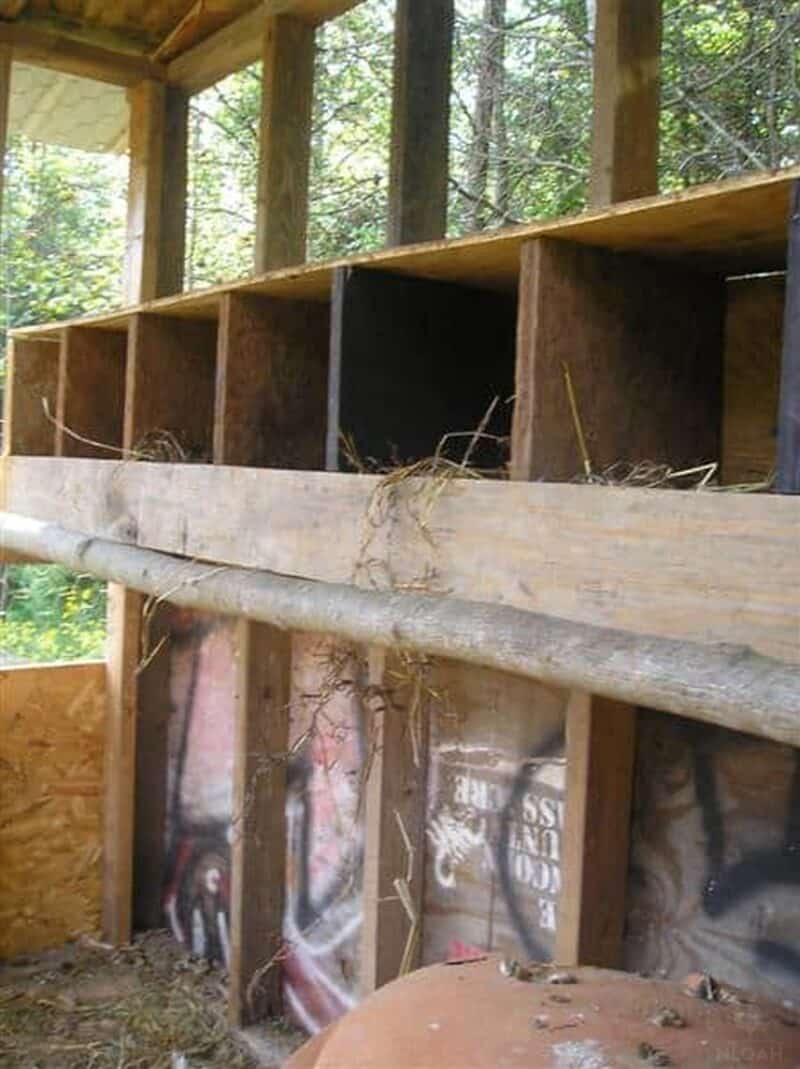
You also need to make sure these spaces are clean. Chickens don’t like laying eggs in a dirty environment – we can’t blame them!
Plus, eggs that are dirty or laid in inadequate amounts of bedding are more likely to be cracked and broken – which increases the likelihood that other hens will decide to eat those eggs, too (something I’ll address in more detail later on in this article for you).
Last but not least, consider the privacy of these nesting boxes. As you know, your girls need as much privacy as they can get when laying, so if the boxes are in areas with too much light or close where the other birds typically pend their time, they are less likely to use them.
In fact, I encourage you to experiment with various containers to be used as nesting boxes. You”d be surprised to see them choosing an old car tire as their main choice!
Add Calcium
Laying an egg requires a shocking amount of calcium. Make sure your laying hens have access to a calcium supplement.
This can be mixed directly into the feed or, if you are raising your hens amidst roosters, whose bodies can’t handle the extra calcium, you can just provide a free choice calcium supplement. Oyster shell is good. This will encourage your birds to not only lay more eggs, but to lay healthier eggs with stronger shells, too.
Make sure They’re Getting Other Essential Nutrients, Too
Now, you don’t have to go above and beyond to make sure they are hitting their micronutrients targets every day, but so ensure they’re getting enough of the following:
- calcium, mentioned in a separate section
- vitamin D3
- salt (lack of will lead to more pecking and agitated birds)
- B-complex vitamins
- Omega 3
- Zinc
- Copper
- Phosphorous
- And essential amino-acids like lysin, cysteine, and methionine
Of course, you don’t want them to have too much of any of the above, so do proper research for each nutrient.
Regularly Inspect Your Birds
Many times, a hen will refuse to lay eggs because she has some sort of health problem going on. Check your hens regularly to inspect them for various health problems.
Does she have any cuts? Broken bones? This might help you get an idea of any conditions that need to be taken care of before your hen can start laying again.
Upgrade the Coop Security
Make sure your coop is secure and protected from predators. A stressed hen is a hen that won’t want to lay a lot of eggs. Make sure animals like raccoons, rats, cats, weasels, and foxes can’t get into your coop or run, and don’t forget about those aerial predators, either!
Often, flightier predators like hawks and owls can stress your hens without you even knowing about it.
Give Them Fresh Water
Chickens need lots of fresh water to lay eggs. Make sure you refill and clean waterers every single day and, as with the feeders, make sure there are multiple watering stations available to your chickens so that they don’t have to compete.
It might be a chore to maintain these watering stations, but well worth it when it comes to getting more eggs.
Temperature Regulation
Have you checked the weather lately? What about your birds, are they panting and standing with their wings up? If it’s super cold or super hot, that could be the reason why your chickens aren’t laying eggs like they used to. Although you can’t control it, there are steps you can take to make your girls more comfortable and get them to lay more…
Give them plenty of shade and ventilation in the coop in the summer, and try dropping some cold water in your chickens’ waterers. Adding some vitamin C and electrolytes to it will help, too.
Avoid adding ice cubes as they may make the water too cold for them. Also move the waterer in a shady spot. Adding some electrolytes to it will help as well. Heat stress is a real issue and has been documented.
You should also increase their fat intake a little as it is said it won”t raise their body heat when eaten. SOme baking soda will help balance their pH levels.
Now, in the winter, ventilation is still important, but pay particular attention to drafts, which you don”t want. You also might try feeding some warm treats at night to make sure your girls stay toasty warm. Though chickens are resilient to cold temperatures, hypothermia can sometimes get to them.
One thing that’s important during winter is warm water to drink – and by warm I mean not letting it freeze or letting your birds drink it if it’s really cold. You can use a waterer that also heats the water to a suitable temperature.
All in all, if you want to maximize egg production, aim for ambient temperatures between 65–75 °F (18–24 °C) inside the coop and nesting boxes.
Check for Parasites
There are all kinds of internal parasites that love nothing more than feasting on your chickens. Check your birds regularly to make sure they don’t have mites or lice – these external parasites can wreak havoc on your chickens, too.
They’ll often manifest as itchy, red areas on your chickens’ bodies or areas where feathers have been plucked and the skin pecked raw.
You should also take the time to check the coop for mites at night. This is when these red-brown pests are most common. You can use a parasiticide to get rid of mites, but often, keeping a clean coop is the first line of defense against both internal and external parasites.
When in doubt, consider adding a dollop of garlic or a drop or two of apple cider vinegar to your chickens’ feed. This is a harmless way to ensure that parasites will stay away from your chickens to begin with.
Upgrade Your Breeds
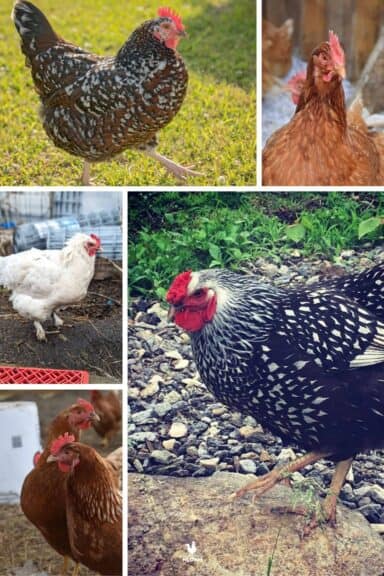
There are some chicken breeds that are far better than others when it comes to laying lots of eggs. If you’re just not happy with the eggs your chickens are laying, it might be time for an upgrade.
Some good options to consider include:
- White Leghorns
- Golden Comet
- Rhode Island Red
- Barred Plymouth Rock
- Ameraucana
- Golden Laced Wyandottes
- New Hampshire
- Ancona
- Barnevelder
- Sussex
Cull When Necessary
Sometimes, hens just get old. Although a chicken can live for nearly a decade when properly cared for, if your sole goal is egg production – and not in raising a chicken as a pet – you may find that you have to cull members of the flock.
Of course, that doesn’t mean you have to kill the chicken – you can always just choose to find it a new home at another farm. Nothing wrong with sending the chicken to the stewpot, either!
Make Sure Eggs Aren’t Being Eaten
One of the most common reasons why egg production drops – or seems to drop – is that eggs are being eaten. It could very well be that your chickens are already laying an appropriate amount of eggs but that those eggs are being stolen by hungry hens!
There are several reasons why hens might eat eggs such as a calcium defficiency. Unfortunately, once a hen gets a taste for rich, creamy egg yolk, she’s unlikely to stop eating eggs – meaning you might have to cull her or find her a new home if you want to protect your cache.
Feeding chickens raw eggs can also lead to egg-eating compulsions (but cooked eggs should be okay, since the eggs are in an unidentifiable form).
Boredom and a dirty coop are two other culprits behind egg eating. Make sure you provide your flock with opportunities to free range and entertain themselves, and keep the coop clean at all times.
Try Adding Lights
This method of getting your chickens to lay more eggs is somewhat controversial, but if you’re raising eggs to sell, or just really don’t want your chickens to stop laying eggs during the winter, you may have to give it a try.
Hens will naturally drop off in their laying abilities during the winter months, when there is less daylight. They will lay far more in the late spring and summer months.
To get around this natural tendency, many folks choose to put a light inside the coop. Commercial farmers aim for 14 to 16 hours of light every day, and that’s a good target. You don’t want the lights running throughout the night, though.
On the other hand, others sometimes avoid it during winter so they can give their girls a break from egg laying. This is particularly useful for older hens that could really use some recovery time – instead of forcing egg production. You may be better off in the long run…
Look for Hiding Spots
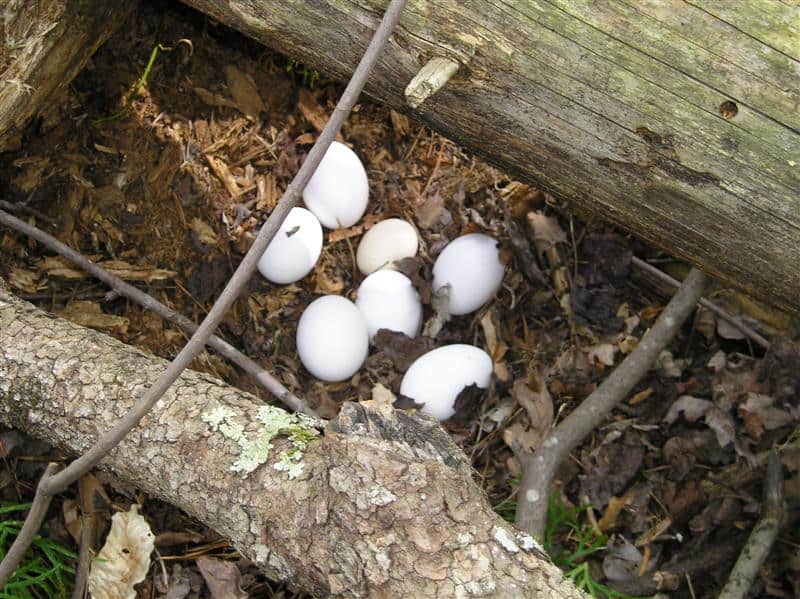
If you’ve tried out all the tips on this list and still can’t figure out why your hens aren’t laying eggs, it may behoove you to stop and think for a moment. Maybe your chickens aren’t not laying eggs – perhaps they’re just laying them where you can’t find them!
Sometimes, squirrelly little hens will hide their eggs away, laying them in odd spots. This can be due to too much competition for the nest boxes, pressure from predators, or sometimes, for no reason at all. Take a good, long look around the chicken yard and see what you can find. Then, revisit these tips on how to get chickens to lay more eggs.
ONe neat trick some folks use is to put fake eggs or even golf balls inside the nesting boxes to convince the birds to lay their eggs in the places you choose, not where they choose. This may or may not work, but it’s worth a shot. Also, use this method too much, otherwise you could trigger broodiness…
Give a Girl Some Space!
If you adde new girls to your flock, they may need some time to get adjusted. Aggressive roosters or if the existing birds are less-than-welcoming can hinder egg production. There are ways to add new birds to existing flocks you should be aware of.
Overcrowding can also lead to a lot of fighting, so make sure the coop and run have enough space. For teh coop aim for 2 sqft per bantam bird, 2-4 sqft per normal bird, and 6 sqft per giant bird.
Also, consider allowing your chickens room to free-range, if you don’t already. Even if the number of eggs doesn’t increase, the quality sure will. Free-range chickens lay eggs that are higher in vitamins and minerals – and that taste better, too.


Get your gift and learn things like:
- how to make this really quick pest spray
- how to prevent egg waste
- two cheap automation devices that will make your life easier

Rebekah is a high-school English teacher n New York, where she lives on a 22 acre homestead. She raises and grows chickens, bees, and veggies such as zucchini (among other things).
In the eggs are being eaten segment, you did not include animals who eat chicken eggs, such as snakes. Plenty other native wildlife will too, but snakes will take up residence in your coop. I can’t tell you how many times I’ve caught and relocated black rat snakes.
Got a rooster 7 to 8 months old. He was crowing when we first got him, He got sick, fixed him up but not crowing any. Suggestions?
Thank you
Thelma, her rooster Tyrone Capone and the girls