
I wouldn’t trade living on a homestead for anything. Being more connected to my property and living to live instead of living to work is rewarding in ways that go beyond mere money or simple pleasure.

But there’s no escaping the fact that living on a homestead is often hard, hard work, and there’s a lot to do once you start becoming radically self-sufficient. Month in, month out, there are things that need to get done if you want to keep things running, grow, and remain prosperous.
To help you on your own homestead, I’m bringing you a month-by-month to-do list that will help you stay on top of regular and seasonal things that just have to be done. Ready to work? Pull on your overalls, strap those boots on your feet, and let’s get to it.
January
- Pick out seeds for the upcoming spring planting and order them.
- Start your indoor sprouts, whatever they are.
- It’s time; take down your Christmas tree. If it’s a real one, dispose of it by burning it or put it on your burn pile for later.
- Give your workshop, garage, and other workspaces a once-over and check for rodents.
- Break out and sharpen all of your knives and other cutting tools. Oil them too!
- It’s really cold right now. Check all of your animals’ shelters for leaks and drafty spots.
- Comb your property for fresh pine needles you can use to make pine needle tea!
- Make sure your animals are getting adequate feed to help them fight the cold.
- Set a budget for your efforts in the new year.
- Speaking of the new year, review last year: figure out what worked, what didn’t, and what you can do better. Plan for success!
February
- Start planning your transplants from your started seeds.
- Expand your seed-starting station if you live in a cold climate or latitude.
- Place your order for mail-order chicks so they will arrive on time come spring.
- If temperatures are warm enough, start cleaning out your raised beds.
- Prune back fruit trees and berry bushes.
- Check out your root cellar or other crop storage areas for spoilage.
- Start cleaning up and cleaning out your animal shelters to get ready for spring. Be especially vigilant if you are expecting spring births!
- Start planning and setting up rotational grazing areas now before it warms up.
- Inspect and mend all fences that might have been damaged by ice or the freeze-thaw action.
March
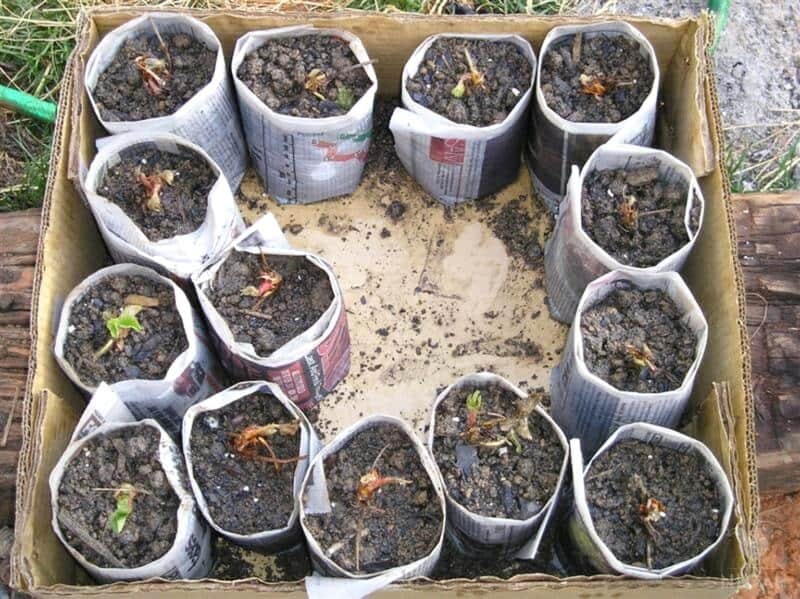
- Start hardening off seedlings to prepare them for transplanting.
- Prepare your garden: add amendments, aerate, till, and fertilize as needed.
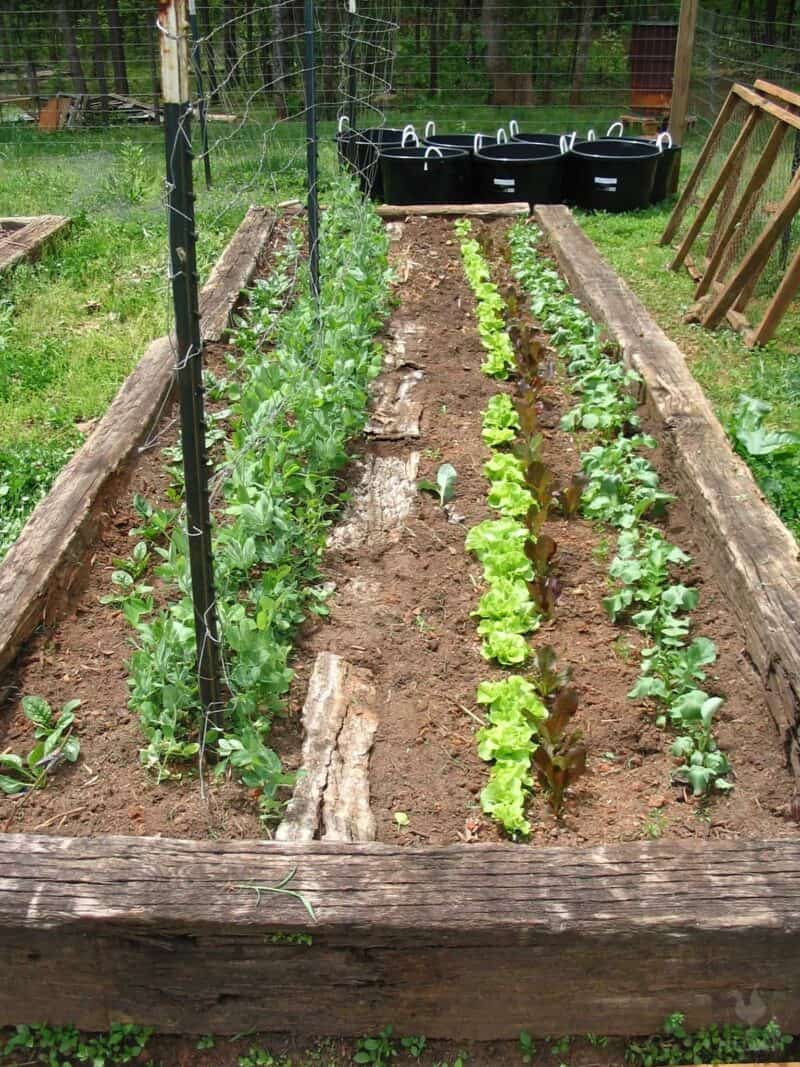
- Early crops go in the ground now: peas, spinach, radishes, etc.
- Clean, inspect, test, and place rain barrels and other water collection systems. Replace or repair if they are leaky.
- If you raise bees, check your hives, clean them up, and repair as needed for spring activity.
- Give any animal shelters a thorough deep cleaning if required. This is especially important for chicken coops, which can overwinter mites, lice, and other pests.
- Replace any of your gardening tools or other daily-use tools that are no longer serviceable. They’ll get more expensive in just a month!
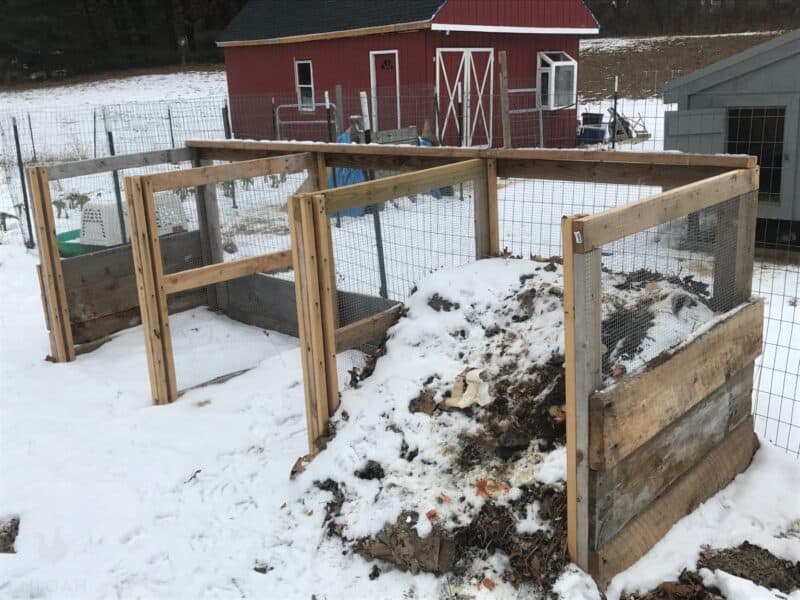
- Start up that compost pile you’ve been meaning to create in a bucket, bin, or other container.
- Carefully inspect all irrigation systems to ensure they are operational. Late freezes often cause problems. Repair or replace busted connections, lines, and so forth as needed.
April
- Most hardened-off seedlings will go into the ground or other containers at this time.
- Now’s a good time to plant most new berry bushes and fruit trees, too!
- Lay down mulch in your garden, landscaping, and elsewhere to suppress weeds before they start.
- Thoroughly turn and aerate that compost pile you started.
- Start implementing your garden pest control measures: decoy plants, natural repellents, pest predators, mesh covers, etc.
- Clean out all gutters, downspouts, drains, and other water control measures before the rainy season truly starts.
- Plant spring veggies like lettuce, onions, and carrots at this time. Note that the exact timing is dependent on your zone.
- Start watching for the emergence of pest plants, insects, and other animals. Squirrels, beetles, grubs, and more will be on the rampage.
- At the very least, start planning supports for climbing or trellised plants. If you have time or are a go-getter, build them now.
- Start reviewing and preparing against spring and summer storms. Consider what went wrong last year and make the necessary changes now.
- Check all small engines and vehicles for proper function after a long winter. Prep and tune up as necessary.
- Start chopping, sizing, and seasoning firewood if you rely on wood for heat or just want it for a fire pit or fireplace.
May
- Get rid of weeds while they are sprouts. Don’t let them get established now while they are young.
- Plant your warmer-weather veggies like beans, peppers, tomatoes, etc.
- Give your lawn and garden a little jolt of fertilizer to support growth and proper hydration.
- Thin out any direct-planted veggies to maintain proper spacing in the garden, beds, or containers.
- If you have livestock, start diligently checking them over for signs of parasite infestation, fly strike, and other maladies. Most pests will be highly active at this time.
- Implement your rotational grazing strategy that you put together a couple of months ago. Monitor and adjust as needed.
- Double-check all gate and latch hardware for serviceability and problems.
- Give the roof of your home and all outbuildings an inspection.
- Start a kitchen herb or tea garden, either inside or outside.
- If you have beehives, keep an eye out for pest problems and swarming behavior.
- Switch your ceiling fans back to the summer setting to keep your home cooler. Open crawl space and attic vents if needed.
June
- Your early crops like lettuce, radishes, spinach, and so forth will likely be ready to harvest by this time. Time to enjoy the fruits of your hard work!
- Prepare to freeze, dry, or otherwise store your upcoming harvests.
- Continue protecting your crops and garden from pests by using safe and natural repellents.
- Start watering early in the morning to save water and help your plants stay hydrated.
- Now’s a good time to add compost to landscaping, gardens, and beds – if it is completely broken down.
- Do a soil test to see if any of your plants are missing out on vital nutrients. Fertilize accordingly.
- Prune back trees and bushes, especially ones that are close to your home.
- Mow down any unused pasture now to stop weeds and other unwanted plants from taking it over.
- Double-check all irrigation systems for proper function and flow.
- If you have beehives, you’ll probably be ready to harvest honey for the first time – assuming the spring bloom has been productive and the nectar was flowing.
- If you rely on propane, natural gas, or other fuel storage on your property, June is the month to have the tank and other systems inspected.
- Have chimney and wood stove flues cleaned out and serviced or do it yourself.
July
- Time for another round of fence inspections. Many animals are hard on them, especially when they are more active in nice weather.
- Sweep all animal housing and shelters for signs of rodent or insect infestation.
- Implement row covers or other shading solutions to protect sensitive plants that are getting too much sun heading into summer.
- Make sure your livestock are getting enough water.
- Storm season is upon you. Always double-check structures and other equipment for damage after a nasty storm comes through.
- Give your compost pile a little more water than you would normally so it can maintain moisture levels.
- Start planning your fall plantings.
- Assuming the weather cooperates, now is a good time to take care of any needed painting and finishing. It’s not just cosmetic; finishes help protect the material beneath.
August
- Time to plant those fall crops: kale, carrots, broccoli, garlic, and so on.
- Save the seeds from your most productive plants and store them properly to ensure bountiful future harvests.
- Divide your perennials if you intend to replant.
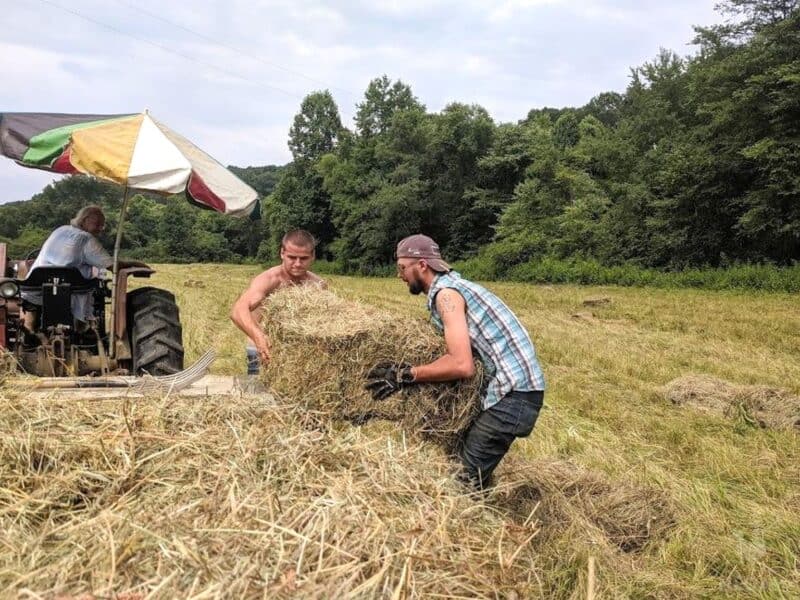
- If you own cattle, you probably have a fairly large hay field waiting for you. I knot it’s one of the most exhausting tasks on a farm, but August is the month to start baling hay!
- Take stock of your pasture and reassess your rotational grazing plan: was your stocking rate correct, or was it either too conservative or too liberal?
- Start organizing your food storage spaces and checking relevant equipment: you’ll have a lot of stuff to freeze, can, or stash in your root cellar.
- Cooler fall and winter weather is just ahead. Check on all of your animals for lingering health issues. Get them addressed before the cold weather arrives, as cold stress can be enough to finish them off.
- Check on your firewood to make sure it is seasoning properly.
- Do preventative maintenance and inspection on generators and other backup power systems.
September
- Winterize your beehives.
- Winterize water pumps, faucets, fixtures, taps, duck pools, and so forth.
- Install heated buckets or other heaters for your animal’s water sources. If you don’t want to do that, be prepared to cart hot water to them on an as-needed basis.
- Double-check your root cellar for adequate humidity and ventilation.
- Make sure your animal shelters aren’t drafty. Be sure barns and coops still have adequate ventilation.
- Set up temporary cold frames or get your greenhouse cleaned out and in good repair to extend your growing season.
- Take extra precautions against mice and rats that will be looking for warm homes in animal shelters, beehives, sheds, barns, and your own home.
- Pick up and dispose of leaves and other yard debris.
- Harvest late-season crops at this time and store or preserve them if you aren’t going to eat them all or give them away.
- Start canning to build your winter food pantry.
October
- Weed, clean out, and mulch your gardens for overwintering. Do the same thing for raised beds.
- Empty, clean, and store unused containers.
- Drain the fuel from and winterize small engines for power tools that won’t be needed; do the same for larger vehicles.
- Now’s the deadline for draft-proofing your home. Get out your caulk, weather stripping, expanding foam, insulation, and whatever else you need to do a good job of it. Don’t wait!
- Make sure you have extra bedding laid in for livestock.
- Cover all frost-sensitive plants. Note that you might need to do this earlier in the year the farther north you live.
- Test your generators and alternate power supplies. Make sure your wood stove, propane heaters, and similar devices are in good repair.
- Start moving a “ready rack” supply of firewood closer to your home.
November and December
- Stock up on de-icing salt and sprinkle it liberally on your driveway and all other surfaces that could be dangerous if slick.
- Inspect stored animal feed for rodent and insect infiltration. Do this regularly.
- Keep snow clear of entrances and exits to animal shelters.
- Ensure that animal water stays liquid and drinkable at all times.
- Harvest your cold-hardy veggies like kale and Brussels sprouts.
- Butcher or sell livestock that are surplus to requirements or for holiday meals.
- Close crawlspace vents as needed. Set ceiling fans to winter mode.
- Remove heavy snow buildup from roofs and tree branches that could threaten your buildings or animals.
- Monitor all livestock for any signs of cold stress, hypothermia, or frostbite.
- Start brainstorming your ideas, goals, and solutions for problems to get ready for next year.
- Enjoy the holidays!
Is there anything missing from this list? Something you religiously do every year in one particular month or another? Let me know in a comment below and I’ll be sure to add it to the list!


Get your gift and learn things like:
- how to make this really quick pest spray
- how to prevent egg waste
- two cheap automation devices that will make your life easier
Tom has lived and worked on farms and homesteads from the Carolinas to Kentucky and beyond. He is passionate about helping people prepare for tough times by embracing lifestyles of self-sufficiency.