
Every gardener out there, no matter what they are growing, has a singular enemy in common. You know what I’m talking about: weeds!
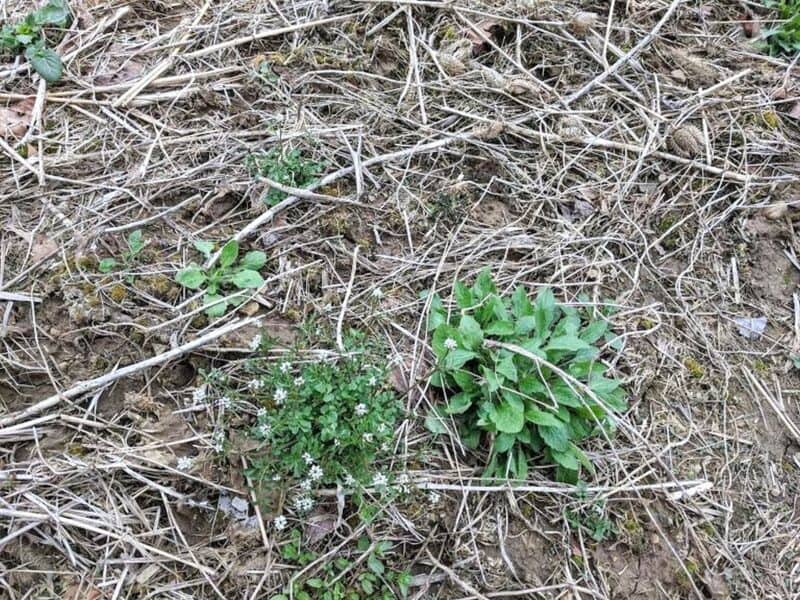
Whether you’re cultivating gorgeous flowers or just trying to bring in a bountiful crop of tomatoes, weeds will always be there to get in the way, spoil the aesthetics, and rob both nutrients and water from your precious plants.
This battle can seem endless. But it is possible to put a stop to weeds once and for all using the 12 strategies I’m about to share with you. A weed-free garden can be yours if you read on!
Weed Often
The simplest advice is often the best, and I’ve learned from long experience that this is the strategy no one wants to do when combating weeds! But do it you must if you want to get weeds under control.
You need to be making a pass through your garden or your beds preferably every day and no less often than every other day. Some weeds can get established quickly and will turn into a bigger problem before you know it.
The sooner you get the jump on them, the easier and quicker the job will be…
More frequent but shorter passes through the garden won’t feel like hard, backbreaking work, which means you’re more likely to keep it up.
Don’t Let Weeds Go to Seed
This is a veritable apocalypse for your poor garden: letting weeds mature to the point that they develop and then release their seeds means you can look forward to clearing out weeds for weeks and weeks, maybe even seasons to come.
That’s because weed seeds can stay dormant in the soil for years, waiting for conditions to turn ideal for their future growth.
You know the old saying: an ounce of prevention is worth a pound of cure. If you discover weeds that are mature and ready to flower or disperse, you need to get them right away before that happens. You’ll be, literally, nipping the problem in the bud!
Weed Thoroughly
Another strategy that’s basic but easy to forget. You need to be judicious with your weeding.
Grab a weed and yank, and the stalk and foliage will come away while leaving the roots behind, and you already know that weeds are notorious for regrowth after damage like that.
Get a trowel, a weeding tool, or anything else you like for digging the little suckers up in their entirety and get to work, even for the little ones. This tip is especially crucial for weeds that spread rhizomatically, like bindweed, knotweed, and mugwort, among many others.
In these cases, you’ll have to diligently follow the underground rhizomes and remove them entirely to prevent them from sprouting up somewhere else.
Mulch Early and Mulch Thickly
Mulching really is one of the smartest things any gardener can do. It helps keep moisture in the soil, lower the average soil temperature, and, most importantly for us, prevent weeds from growing or even getting established.
A thick layer of bark chips, straw, pine needles, or any other kind of mulch you like will usually work just fine.
However, it’s been my experience that you’ll need a much thicker layer of mulch than many sources are reporting for the job: my personal rule of thumb is that, for weed control, I have to put down at least 6 inches of mulch.
Yes, you’ll get the other benefits with a lot less mulch than that, but you’ll still have to deal with weeds, especially tough and persistent ones like dandelions.
Precision Watering Helps Starve Weeds
If you’re currently battling a major infestation of weeds, whatever you do, don’t water the whole garden or the entirety of your beds!
We are all guilty of this, me included, but do keep in mind that weeds need water just like your veggies and ornamentals do! Watering the weeds will keep them alive and help them surge, and that’s the last thing you want.
Instead, water with precision using a watering can or a tight but gentle stream from the watering hose.
You can also use a drip or soaker irrigator if you position the nozzles immediately over your plants and nowhere else. Don’t use sprinklers and don’t completely saturate the entire garden.
Garden Densely So Weeds Can’t Get Established
If weeds are going to establish themselves anywhere, it will be the spaces between your plants and on the paths you use to get through your garden.
Weeds, at the end of the day, are just unwanted plants of another kind, and if they’re unable to compete with nearby plants, they won’t have a chance.
You can make sure weeds don’t even get a chance to grow by planting your chosen ones as closely together as you can. If certain plants need some space to themselves, choose companion plantings that can go between them to eat up that dead space.
Fall Cover Crops Make for a Weed-Free Spring
I know lots of gardeners who just dread the approach of spring, despite the excitement of a new planting season, because it means heavy weeding is just ahead.
What these folks might not know is that they’re only facing that chore because they didn’t take care to protect their garden at the end of fall.
Yes, lots of weeds are trying to survive the winter and will establish themselves near the end of fall when they go to seed. A clever strategy for stopping this is to use fall cover crops in your garden, which will stop those seeds from getting to the soil in the first place.
When spring arrives, simply chop down those old cover crops or mow them down, then plant as usual. You’ll immediately notice a lot fewer weeds!
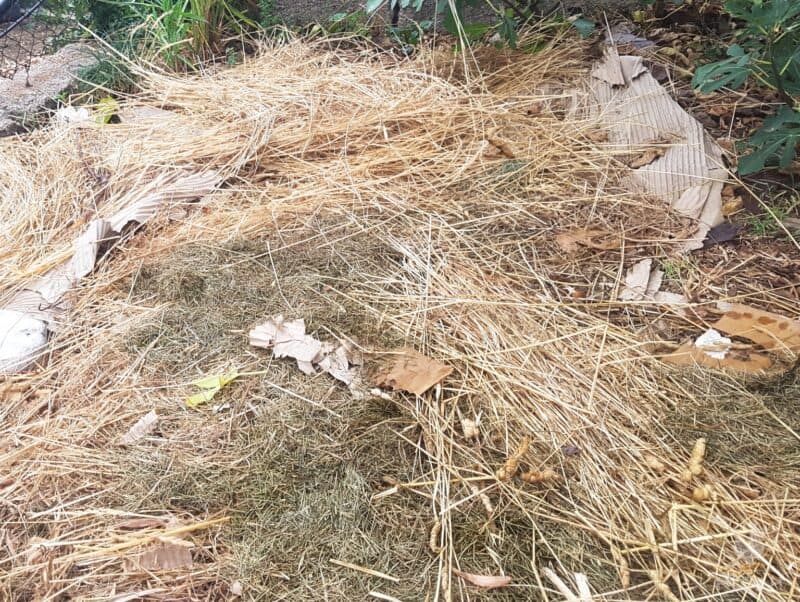
Use Cardboard When Establishing New Beds
Weeds seem almost opportunistic at times. Anytime you’re undertaking a project or a new installation in your garden or elsewhere on your property, it seems like they just know and decide to pounce.
That’s not really the case, but anytime you are putting in new soil, especially in raised beds, you’ll be creating ideal conditions for weeds to get started. That’s because weed seeds are already hiding in the soil, particularly fill dirt.
This simple, painless trick will put an end to that: lay down cardboard once your beds are built up or your rows prepared, and then you’re ready to lay down your topsoil or other nutrient-rich mix.
Cardboard will act as a barrier that will completely smother weeds, and better yet, it will break down over time and improve soil structure.
Always Check New Plants and Transplants Thoroughly
Chances are pretty good that any new plants you bring home from anywhere, be it a friend, neighbor, or nursery, will be contaminated with unwanted seeds that will then sprout once you transplant them.
This rule also applies to plants you are moving from elsewhere on your property. Like I said above, weeds can seem downright opportunistic!
Although it’s impossible for you to truly decontaminate your transplants, spending just a couple of minutes per plant carefully looking over the remaining soil on the root ball will reveal any sprouts or shoots that shouldn’t be there.
Eliminate them with prejudice, and you won’t have to weed them later.

Consider Harvesting and Using Weeds
Sometimes a bit of motivation makes all the difference in tackling a tricky chore. Many weeds, like the aforementioned dandelions, can be used as food or may even have health-boosting properties.
In the case of dandelions, every single part of the plant is edible, tasty, and highly nutritious! They’re perfect for adding to salads and other dishes.
Take some time to get acquainted with the weeds that appear regularly in your garden, and you might come to see them as a bonus crop for you to harvest.
Don’t misunderstand, you still definitely want to get them before they go to seed, but at least you’ll have something to enjoy for your labor!
Think Twice Before Tilling
I can’t tell you how many gardeners I know that till their soil religiously year after year. I’m not sure why: I think it’s a conspiracy by Big Tiller to keep selling machines!
Tilling the soil overworks it, and overworks it brutally. At the same time, it will turn those weeds and their seeds into the soil, leading to some huge weed growth!
This, obviously, is completely disastrous…
A better approach to caring for your soil is to use a combination of cover crops, mulch, composting, manure, and other no-dig gardening practices to improve soil composition and texture. This will give your plants a head start while making things harder on the weeds.
Keep Soil Nutrient Levels High
Lastly, a tip that might seem counterintuitive. Make it a point to keep the nutrient levels high and in the proper range for your plants.
Optimal nutrition will often allow your plants, in combination with a little weeding, to properly establish themselves before weeds can get a toehold.
If you are managing spacing at the same time, weeds simply will not stand any chance of outcompeting your plants, and most of them will die off. Turns out that the best weed defense is a good offense sometimes!


Get your gift and learn things like:
- how to make this really quick pest spray
- how to prevent egg waste
- two cheap automation devices that will make your life easier
Tom has lived and worked on farms and homesteads from the Carolinas to Kentucky and beyond. He is passionate about helping people prepare for tough times by embracing lifestyles of self-sufficiency.