
If you’re low on space, don’t have land of your own, or just want flexibility when taking care of your plants, container gardening is where it’s at. You can move things around to reorganize, protect your plantings from harsh weather, and even garden in your own home or greenhouse through the winter.

But growing some plants, particularly veggies, in containers can be challenging because of space requirements or growth habits. That alone is reason enough to deter some folks, but it shouldn’t: there are lots of good veggies out there, common ones too, that grow perfectly well in conveniently sized containers.
I’ll be telling you about 10 of the best in this article and giving you some recommendations on varieties that work perfectly. Grab your pots and pruners, and let’s get a move on.
Spinach
One of the most nutritious and versatile leafy veggies around, spinach is basically made for container growing.
Planting in a container allows you to protect it from harsh weather and heat and conveniently pick leaves as you need them. Simply snip off the stems near the base and your spinach will send up even more leaves.
Even better news is that you have tons of varieties that are excellent container candidates: Bloomsdale Longstanding, Baby’s Leaf, Space, Catalina, and Little Hero are all compact and easy to grow.
Arugula
Arugula gives a peppery, spicy note to salads, sandwiches, and even pizza, and it’s another versatile and easy-to-grow staple of container gardening.
Compared to most other veggies on our list, it can thrive even in a truly small pot: an 8×8-in container is all you need! I prefer growing arugula in containers over sticking it in the ground because it’s so much easier to shield it from intense afternoon sun.
Rocket and Astro are two of the most well-known varieties, both quick growing with the latter being a somewhat milder variety. Nothing special here since both will still thrive in containers.
Lettuce
For many of us just getting started with veggie container gardening, lettuce is usually the first thing we try. And that’s with good reason! Lettuce is generally quick and easy to grow, but container planting also gives you better control over two of the biggest threats to lettuce: weeds and insect pests.
The ability to move it into a shady spot to protect it from the most intense sunlight on hot days is also a welcome benefit.
Just remember to stay on top of fertilization since many lettuce varieties are surprisingly heavy feeders, and ensure adequate drainage; the soil needs to stay moist but if the roots get waterlogged, your lettuce is done for.
Baby Oak Leaf is a loose-leaf variety that is fast growing and can be picked as needed for toppings, garnishes, and salads, making it one of the best container varieties around. If you like butterhead, Tom Thumb is super tasty and compact.

Peppers
My grandfather was a huge advocate of growing peppers in containers because these often delicate and fussy plants sometimes need rescuing from rough conditions.
As such, putting them in a container in a sunroom or closed patio gives you a better chance of a bumper crop compared to growing them outdoors much of the time.
No matter what kind of peppers you want, the trick is to ensure they get tons of sun, consistent watering, and also consistently moist soil, neither too dry nor too wet. Easy to do with containers!
Sweet and spicy pepper varieties both work wonderfully, so choose your favorite accordingly: banana peppers, compact jalapeno varieties, and baby bells are all terrific choices.
Tomatoes
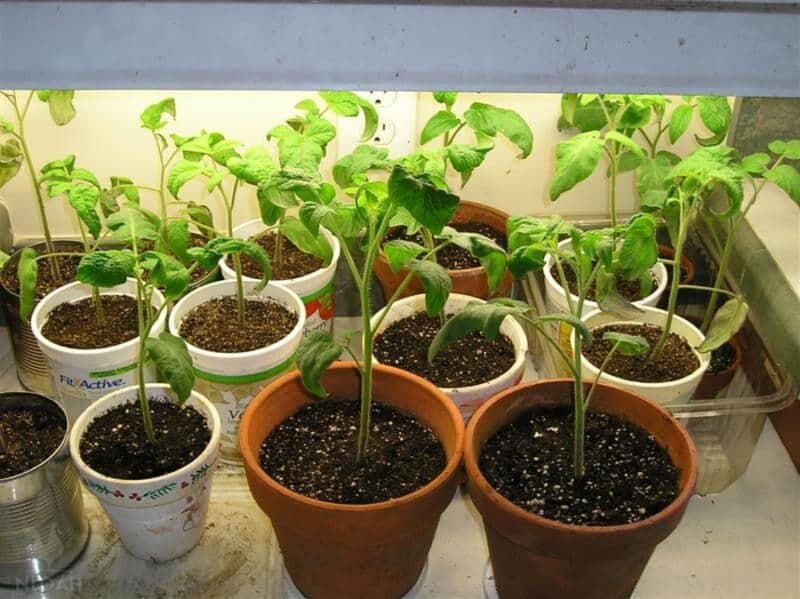
In my opinion, tomatoes are one of the very best candidates among veggies for growing in containers. Tomatoes are very vulnerable to pests, and periods of bad weather can be very hard on them.
Being able to move them around to protect them is a great perk, as is the ability to start them early indoors before hardening them off and moving them out after the last frost in the springtime.
Just remember that most varieties will still need a cage or trellis to climb on for stability, so ensure your containers can accommodate that. Consider smaller varieties like cherry tomatoes, or types with a compact growth habit like Patio Princess.
Cucumbers
If you’ve only ever grown full-size salad cucumbers in your garden, you might be scoffing at their viability in containers but hear me out:
Not only is it possible to choose smaller types that are easier to support in containers, but container growing outside specifically makes it much easier to give cucumbers ideal conditions, specifically warm soil.
Picking the right container, like a ceramic pot, will help the soil retain more moisture but also stay warmer than it would if you had your cucumbers planted in the ground…
Being above the surface, the container itself will heat up and warm the soil when in the sun. Give it a try, and I think you’ll be pleasantly surprised.
Excellent choices for container growing include the humorously named Bush Pickle, which usually doesn’t require support, the Spacemaster which was developed specifically for container gardening, and the Patio Snacker.
Radishes
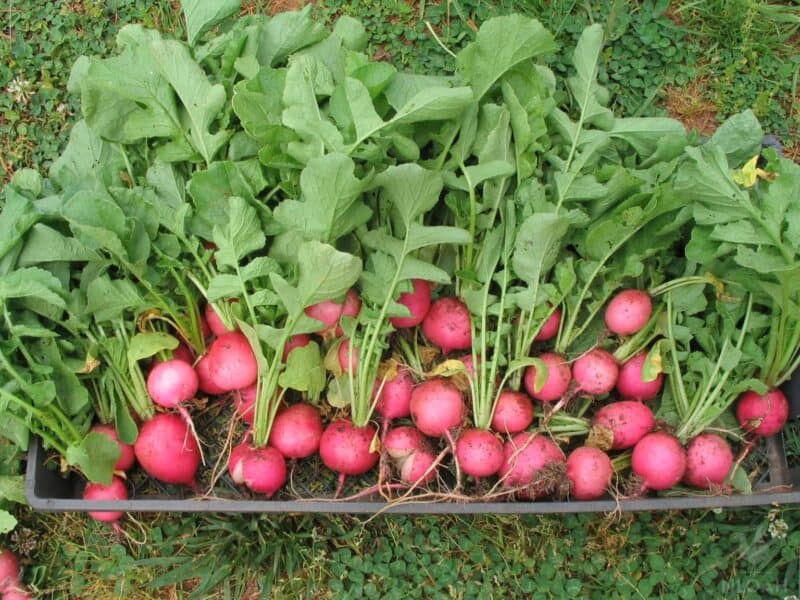
Another veggie I love to eat, love to grow, and specifically love planting in containers. All radish varieties grow quickly, and even planting them directly as seeds, you’ll rarely have to wait more than 4 weeks to harvest.
Plus, they don’t need to be planted very deeply, usually requiring only 6 inches of space below the soil.
Planting in containers also allows you to protect radishes from their number one threat, which is hot weather. Simply tote them indoors or into the shade to give them some relief.
Compact varieties can give you a huge harvest even from a modestly sized container. Multi-colored Easter Eggs and tasty Cherry Belles are mainstays for our purposes, but even the elongated French Breakfast variety still works fine in anything but the shallowest containers.
Beets
Beets are similar to radishes when it comes to growth habit, but they take longer to mature and most varieties tend to be a bit bigger and so accordingly need a somewhat larger container.
Consider a 12-inch by 12-inch container the minimum, and a wide rectangular tray or bin will give you more room for a good harvest. Start them indoors from seed, then move them outdoors after the last frost.
You have several good varieties to choose from that do great in containers: if you are impatient like I am, Chioggia is known for its beautiful red and white color and fast maturation.
Detroit Dark Red is a beloved variety that still does well in containers, and Baby Ball is one of the smallest, which is perfect if you’re trying to maximize yield off of a single pot.
Peas
Peas are another great candidate for container growing that many green thumbs overlook. Like tomatoes, they grow quite well in containers as long as you give them support in the form of a trellis or other structure.
Peas can make a particularly good choice for container gardening because they can save you labor: since they are nitrogen-fixing plants, once you harvest them in the summertime or before the end of fall, the soil in the container will have lots of extra nitrogen in it ready for the next planting.
Sugar Ann, Little Marvel, and Tom Thumb (not to be confused with the lettuce variety elsewhere) are good candidates for containers specifically because of their quick maturation and modest overall height, topping out at no taller than 24 inches.
Green Beans
Green beans are often thought of as another space-intensive plant, but they don’t have to be if you choose a compact, bush-type variety that needs less support.
You’ll still need a wide container, about 2 feet, to achieve adequate spacing between multiple plants; most varieties need a minimum of six and preferably 8 inches between each other.
Container varieties that won’t let you down are Bush Blue Lake 274 and Provider. Contender is one of my personal favorites because of its heat tolerance and the lack of strings on the bean pods.


Get your gift and learn things like:
- how to make this really quick pest spray
- how to prevent egg waste
- two cheap automation devices that will make your life easier
Tom has lived and worked on farms and homesteads from the Carolinas to Kentucky and beyond. He is passionate about helping people prepare for tough times by embracing lifestyles of self-sufficiency.