
Have you stopped to think about what your garden plants need, the very first thing you think of is probably water. The next thing you think of is probably sunlight, and that’s what good reason. All plants, no matter what kind, need sunlight in order to photosynthesize and produce energy.

But where many gardeners go wrong is in giving plants too much sunlight, or assuming that they must place their garden somewhere that gets full sun all the time.
Believe it or not there are tons of veggies out there that cannot only grow with less sunlight than you are thinking, but some of them will actually thrive in the shade… so keep reading and I’ll tell you about the ones that don’t need that much sunlight…
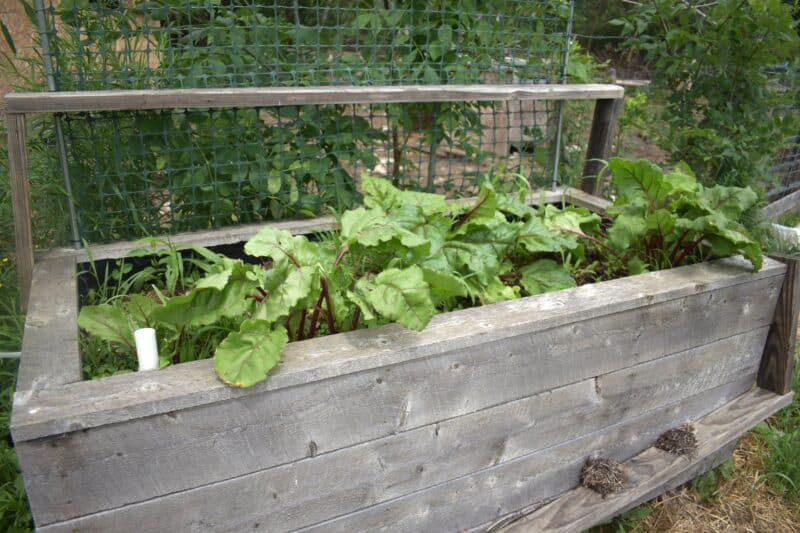
Beets
| Scientific Name | Beta vulgaris |
| Growing Zones | 2-10 |
| Water Needs | Moderate; keep soil consistently moist |
| Sun Needs | Full sun to partial shade |
Beets are one of the easiest garden veggies to grow and are generally adaptable to full sun or partial shade, and they tend to do much better in the latter. This also lends them towards being a great fall vegetable as cooler weather helps them develop a better taste and texture.
Likewise, regular shade helps keep soil temperatures lower which will help your beets be their best. Whether you like them pickled, boiled, in a salad or mixed with other veggies, this is one root veggie that won’t disappoint you.
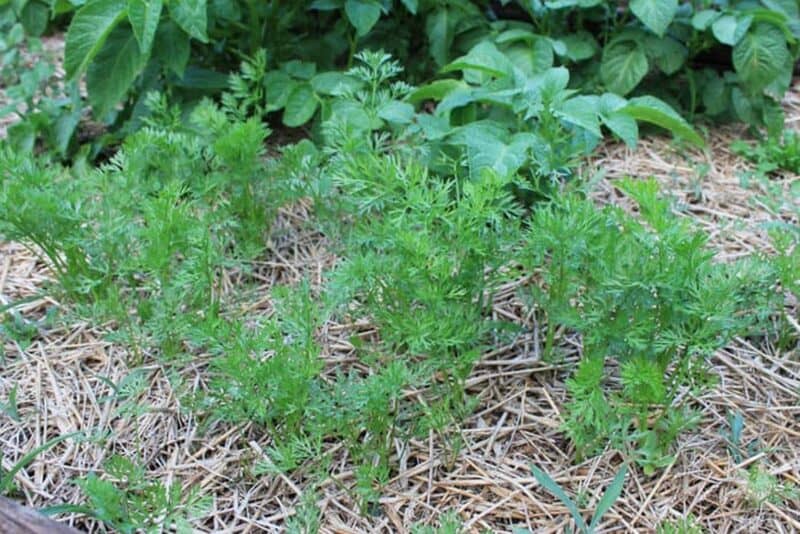
Carrots
| Scientific Name | Daucus carota |
| Growing Zones | 3-10 |
| Water Needs | Moderate; keep soil evenly moist |
| Sun Needs | Full sun to partial shade |
Delicious anyway you want to prepare them, carrots are virtually synonymous with spring and summer harvests. And so it might be surprising to learn that not only will they grow wonderfully well and partial shade but cooler weather and temperatures generally will also significantly improve their taste.
If you’ve ever had a bland, tasteless, hard carrot before, it was probably struggling with too much sun and high soil temperatures.
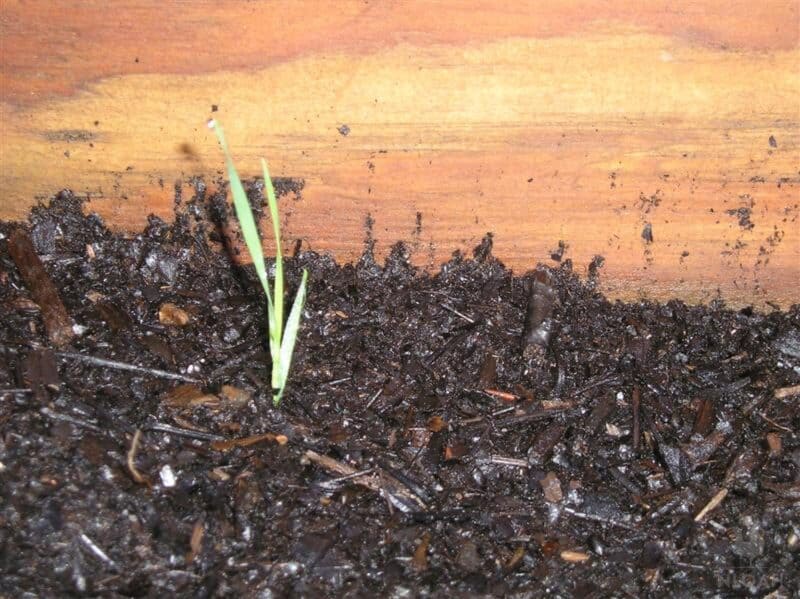
Parsnip
| Scientific Name | Pastinaca sativa |
| Growing Zones | 2-9 |
| Water Needs | Moderate; keep soil evenly moist |
| Sun Needs | Full sun to partial shade |
These pale, khaki colored cousins to carrots thrive in cooler weather and lower soil temperature, and that means giving them partial shade is just the ticket to developing the semi sweet, semi savory nutty flavor that they are famous for.
They are delicious right alongside carrots, or you can use them as a veggie accompaniment for grilled meat or even mash them. They even taste great when pureed and mixed into soup or stew stock!
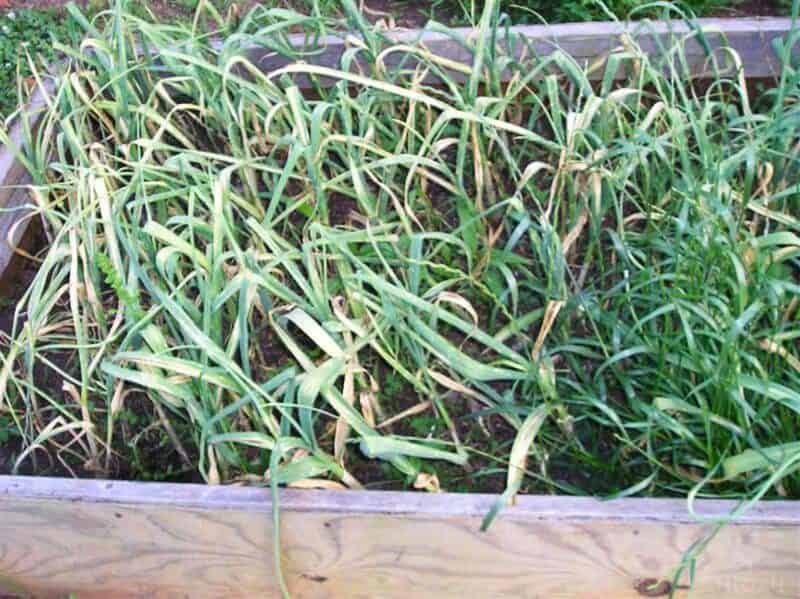
Garlic
| Scientific Name | Allium sativum |
| Growing Zones | 3-8 |
| Water Needs | Moderate; prefers well-drained soil |
| Sun Needs | Full sun to partial shade |
Hands down the most versatile and, the most of us, delicious thing you could possibly grow in your garden, garlic tends to want lots of sunshine but many varieties are completely tolerant of partial shade.
If you want a bumper crop of garlic you’ll need to plant it in the fall to be harvested the following summer.
You won’t have to worry about it during the cooler season, but as spring temperatures start to heat up consider giving it a little bit of protection from the most intense afternoon sun to prevent stress. Once the leaves start to turn brown and wilt away, you’ll know it’s ready.
Scallions
| Scientific Name | Allium fistulosum |
| Growing Zones | 3-9 |
| Water Needs | Moderate; keep soil consistently moist |
| Sun Needs | Full sun to partial shade |
Whether you call them scallions or green onions, these tart, immature onions absolutely love shade and moist, well-draining soil.
Scallions are also great for shady gardens because they are ready to pick much earlier than mature onions.
This means that you can get a double harvest if you plant at the beginning of spring and in the first couple of weeks of fall, or you can plant in the fall, let them overwinter with some mulch to insulate them, and then harvest them once they sprout again in the spring.
Leeks
| Scientific Name | Allium ampeloprasum |
| Growing Zones | 3-9 |
| Water Needs | High; keep soil moist |
| Sun Needs | Full sun to partial shade |
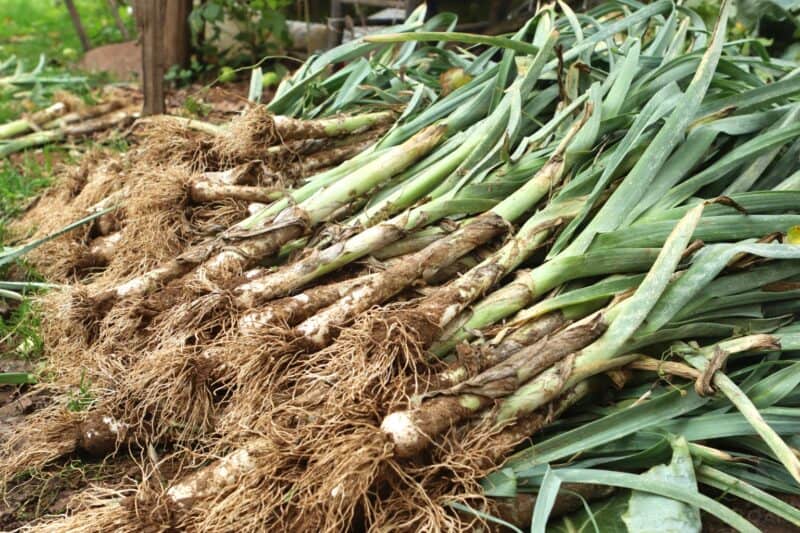
If onions are just a bit too intense for you, try leeks. Though they are an allium genus veggie just like onions and garlic, leeks have a notably milder, sweeter taste that goes good in all kinds of dishes.
They also happen to be quite adaptable, and are happy to get a little more sun or a little less, so you don’t have to worry so much over where you plant them.
This is one veggie that tends to do quite well in containers, and that can make them flexible because you can place them where they get the ideal amount of sunlight.
Potatoes
| Scientific Name | Solanum tuberosum |
| Growing Zones | 3-10 |
| Water Needs | Moderate; prefers well-drained soil |
| Sun Needs | Full sun to partial shade |
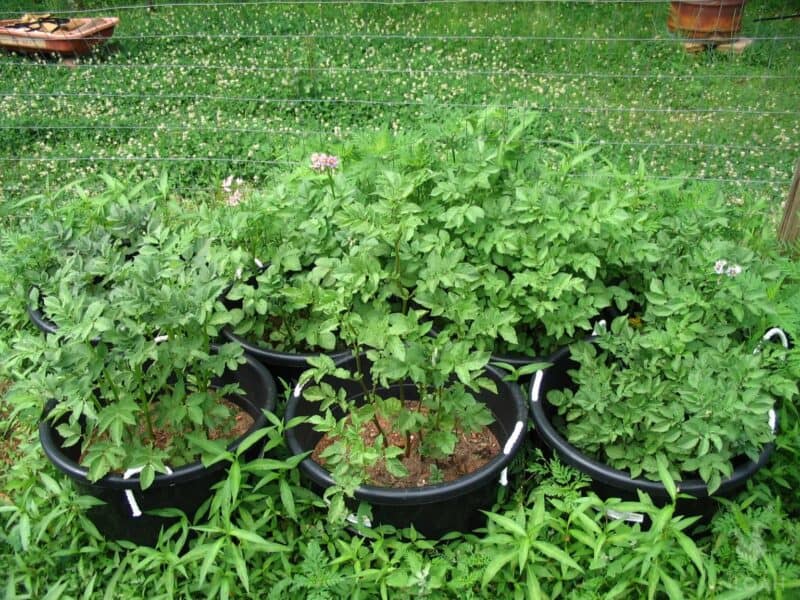
It’s hard to think of any garden veggie that you’ll eat more often than potatoes – they really are the ultimate side dish! – but it turns out that lots of gardeners struggle with them.
If you’re having trouble keeping your potatoes growing and thriving, they might be getting too much sun assuming that you still have them planted in well-draining soil.
Try giving them a little bit of dappled shade during the hottest part of the day, and see if they don’t take off again.
Radish
| Scientific Name | Raphanus sativus |
| Growing Zones | 2-10 |
| Water Needs | Moderate; keep soil consistently moist |
| Sun Needs | Full sun to partial shade |
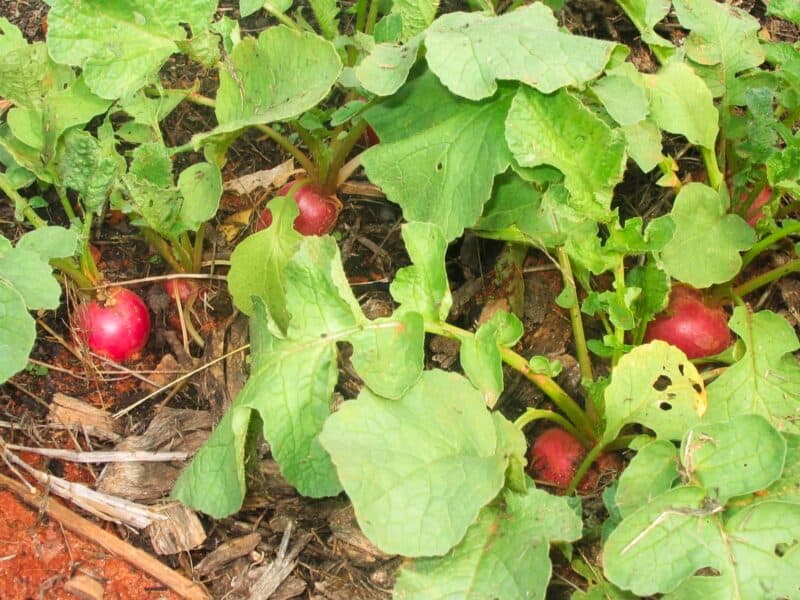
One of the first veggies that beginning gardeners grow, radishes are easy to work with because they grow so quickly and they are so resilient. They love cooler weather and soil temperatures, and partial shade doesn’t bother them in the least.
Pickled whole or sliced, roasted or boiled, or added to salads, this is another veggie that will see constant rotation in your kitchen. Radishes are one veggie that loves shade more than most, so don’t worry if they are only getting five hours of sun a day or even less.
Turnips
| Scientific Name | Brassica rapa |
| Growing Zones | 2-9 |
| Water Needs | Moderate; keep soil moist |
| Sun Needs | Full sun to partial shade |
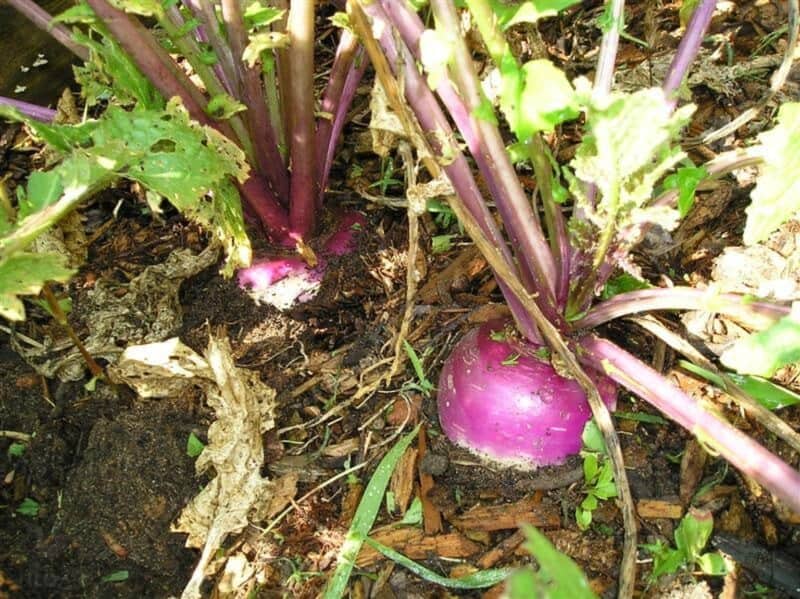
A little sweet and a little peppery, turnips are very much like radishes and that they are hardy, adaptable and can thrive with more sun or less, but you’ll always get a better crop if they have partial shade and cooler temperatures.
Turnips are a great candidate for planting in a corner of your garden where taller crops might cast a long shadow, or anywhere else on your property that is suboptimal for sun loving ornamentals, veggies or fruit. Don’t forget the greens are edible, too!
Broccoli
| Scientific Name | Brassica oleracea italica |
| Growing Zones | 3-10 |
| Water Needs | Moderate to high; keep soil moist |
| Sun Needs | Full sun to partial shade |
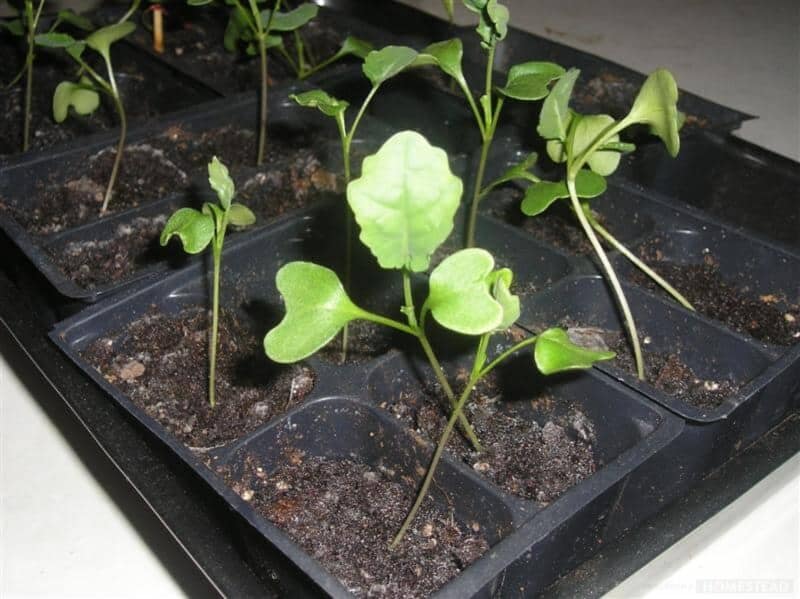
One of the most nutritious veggies around needs plenty of sunlight, that’s true, but it shouldn’t have constant, intense sunlight or else you’re going to crisp it and then you’ll have nothing but stunted, malformed heads to show for your trouble.
Broccoli is decidedly a cool season crop, and like so many of those several hours of shade a day will help it stay sweet and crisp. You’ll know your broccoli has been subjected to too much heat stress when it takes on a bitter flavor.
Cauliflower
| Scientific Name | Brassica oleracea botrytis |
| Growing Zones | 2-11 |
| Water Needs | Moderate; keep soil moist |
| Sun Needs | Full sun to partial shade |
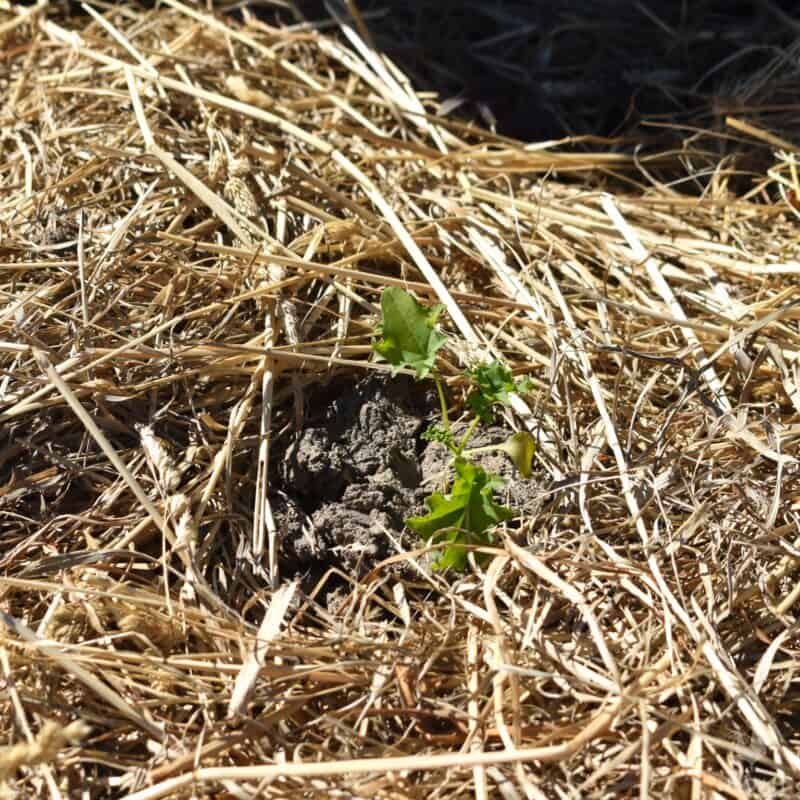
This brassica family veggie is a regular companion for broccoli and needs similar conditions in order to thrive. Partial shade is ideal for cauliflower, as are lower temperatures.
Letting cauliflower get stressed out from it too much direct, hot sun will start to replace its mild, nutty flavor with an unpleasant bitterness or blandness. Give it the shade that it craves during warmer weather and you’ll look forward to crisp, dense heads.
Rapini
| Scientific Name | Brassica rapa ruvo |
| Growing Zones | 3-10 |
| Water Needs | Moderate; keep soil moist |
| Sun Needs | Full sun to partial shade |
Also known as broccoli raab, don’t get confused: although the florets look a lot like broccoli, it is actually a closer relative to turnips! In any case, the bitter taste does remind of broccoli a bit.
Like turnips, it too is pretty adaptable to sun or shade as long as it is planted in well-draining soil that is kept moist.
Cabbage
| Scientific Name | Brassica oleracea capitata |
| Growing Zones | 1-9 |
| Water Needs | Moderate; prefers well-drained soil |
| Sun Needs | Full sun to partial shade |
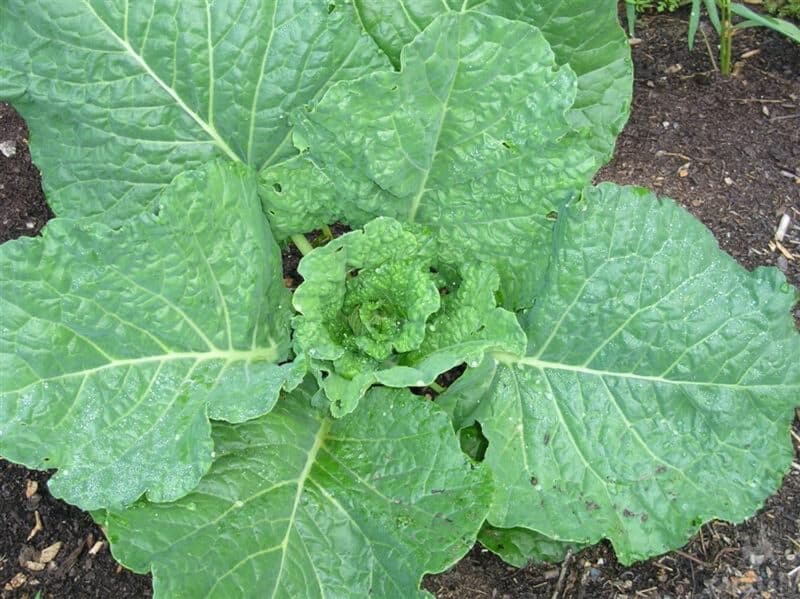
Whether you love it chopped up in coleslaw, as the main ingredient and delicious cabbage soup or sautéed as a flavorful and tender side dish, cabbage always deserves a spot in your garden.
Just make sure that spot offers it partial shade and you can look forward to huge, round heads that will have plenty of crunch and flavor.
But once again, pay close attention to the sunlight requirements of your specific variety: some, like Golden Acre, need a lot more sun than most.
Collard Greens
| Scientific Name | Brassica oleracea acephala |
| Growing Zones | 6-11 |
| Water Needs | Moderate; keep soil moist |
| Sun Needs | Full sun to partial shade |
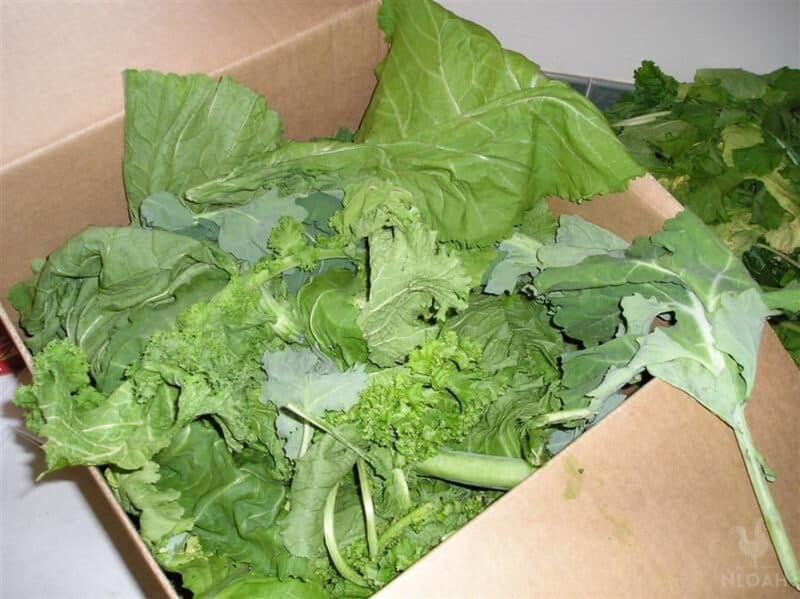
One of the most beloved side dishes in the south, the earthy and aromatic collard greens are one of those veggies that will either make your mouth water or make you turn your nose up. There are no in between fans, it seems!
Collard greens benefit from protection during the hottest parts of the day and always love moist conditions as long as the soil is well draining.
My advice is to plant them early in the spring and then at the end of summer so you can avoid the hottest part of the year. Collard greens are ready to harvest whenever they reach about 8 or 9 inches tall.
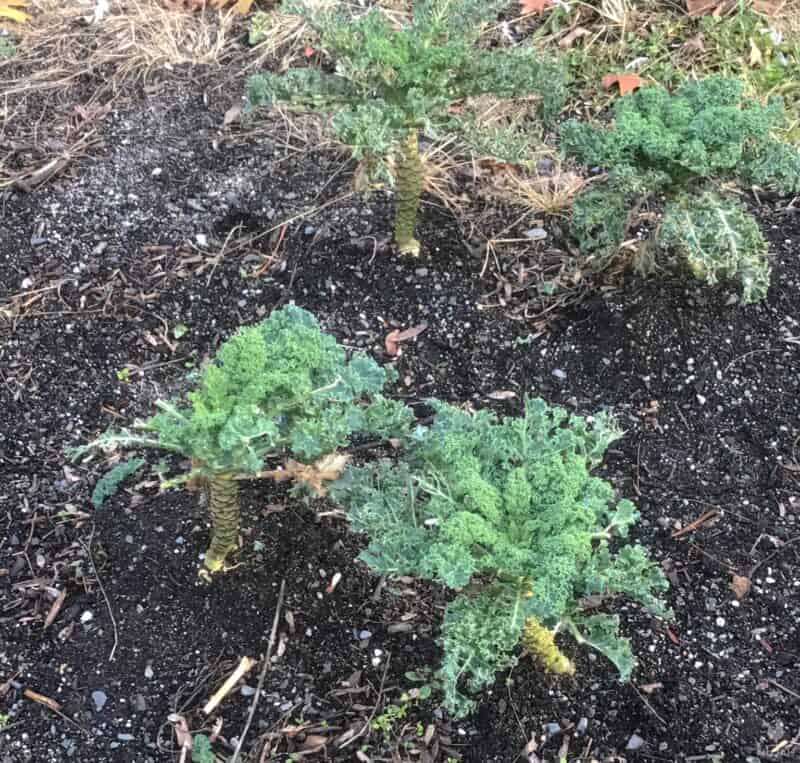
Kale
| Scientific Name | Brassica oleracea acephala |
| Growing Zones | 7-9 |
| Water Needs | Moderate; prefers well-drained soil |
| Sun Needs | Full sun to partial shade |
Unless you’ve been living under a rock for the past decade I have a little doubt that you’ve heard of people talk endlessly about this purported superfood.
Crammed with nutrients, today you’ll find kale served as a salad, added to stir-fries and sautés, and even blended into smoothies.
That’s not my thing, but I like it well enough kale is generally a sun-loving leafy vegetable that grows wonderfully in cooler weather, but it’s quite hardy and most varieties tolerate partial shade easily while still being highly productive.
As with collard greens, plant early in the spring and at the very end of summer to dodge the hottest part of the year.
Brussels Sprouts
| Scientific Name | Brassica oleracea gemmifera |
| Growing Zones | 3-10 |
| Water Needs | Moderate; keep soil moist |
| Sun Needs | Full sun to partial shade |
Little more than composite, baby cabbages that grow on thick stalks, brussels sprouts have to be one of the most contentious vegetables on Earth: people either adore them or hate them with no in-between!
Regardless, if you are growing them you should pick a spot that gets a good amount of sunshine in the morning and late afternoon, but shade in the middle part of the day, even if it’s broken shade.
Cooler temps will make for sweeter heads that only have a pleasantly bitter note. Roasted as a side dish with a little bit of bacon fat there’s hardly anything better!
Kohlrabi
| Scientific Name | Brassica oleracea gongylodes |
| Growing Zones | 3-10 |
| Water Needs | Moderate; keep soil moist |
| Sun Needs | Full sun to partial shade |
A truly one-of-a-kind veggie, you might mistake kohlrabi for a radish, but it isn’t. It does, though, taste a lot like a radish crossed with kale or cabbage.
If you’ve never had it before, give it a try mixed in with your other salad veggies or as a component in a soup or coleslaw and you’ll probably love it! This is another cool season veggie that thrives when the thermometer is reading a little lower.
Note that kohlrabi is quite vulnerable to frost, so only plant it later in the summer or early in the fall if you know it will mature prior to the arrival of the first frost.
Mustard Greens
| Scientific Name | Brassica juncea |
| Growing Zones | 6-9 |
| Water Needs | Moderate; keep soil consistently moist |
| Sun Needs | Full sun to partial shade |
Peppery, potent and eye-opening, mustard greens have a delightfully embracing, spicy flavor – if you like them! If you don’t, they are downright repulsive.
The same plant that yields mustard seeds for everyone’s favorite yellow condiment can grow just as well in full sun as it can with partial shade.
You do, though, want to avoid broiling hot days: plant or start early in the spring and then at the tail end of summer if you want a follow-up fall crop; it only takes a month or two at the most to mature.
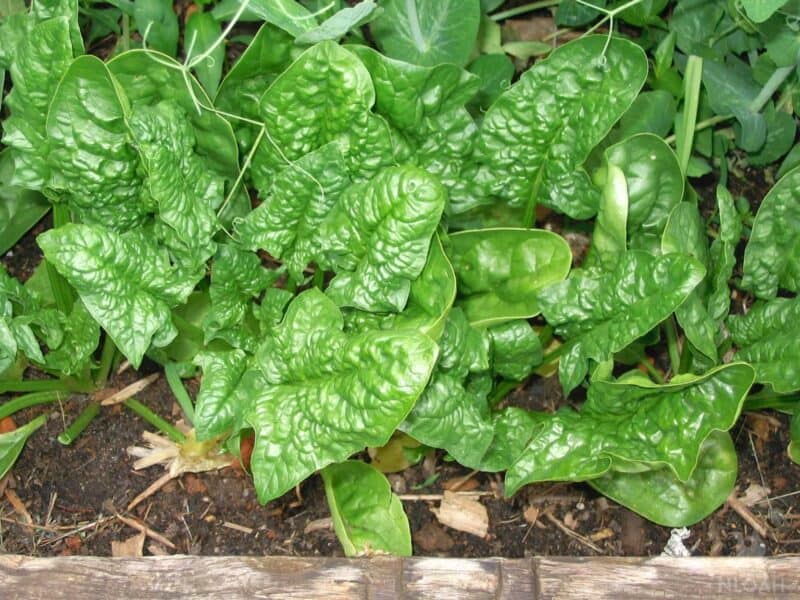
Spinach
| Scientific Name | Spinacia oleracea |
| Growing Zones | 2-9 |
| Water Needs | Moderate; keep soil consistently moist |
| Sun Needs | Partial shade |
One of the most popular, best known and, ounce for ounce, most nutritious leafy vegetables you can grow, spinach is also an ideal candidate for a partially shaded spot. Lower air and soil temperatures help it thrive and develop tender, delicious leaves.
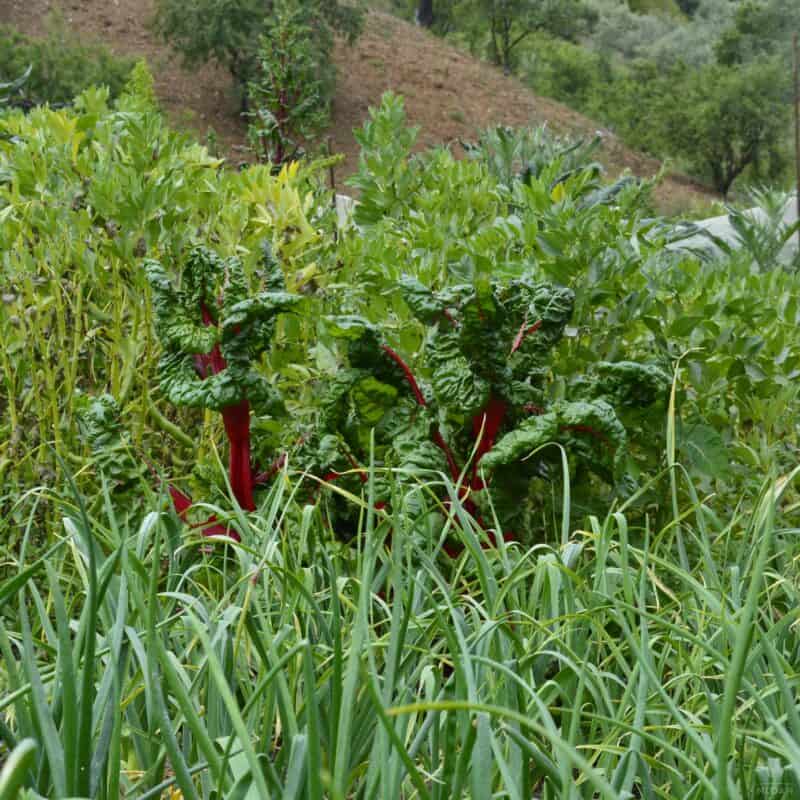
Swiss Chard
| Scientific Name | Beta vulgaris cicla |
| Growing Zones | 3-10 |
| Water Needs | Moderate; keep soil consistently moist |
| Sun Needs | Full sun to partial shade |
Sometimes called just chard, this surprisingly gorgeous, nutritious and tasty veggie is a warm season salad option, but one that is tolerant of varying light levels, and it grows just fine and partial shade or full sun.
It’s also a great candidate for harvesting throughout the season. Simply pick the outermost, mature leaves and each plant will continue to produce!
Cress
| Scientific Name | Lepidium sativum |
| Growing Zones | 2-11 |
| Water Needs | Moderate; keep soil moist |
| Sun Needs | Partial shade |
There are several varieties of cress out there they can grow wonderfully even in periods of prolonged shade so long as you keep the soil moist.
Although some folks think it’s synonymous with a bland, watery flavor, when grown in good conditions, nothing could be further from the truth: cress naturally has a pungent, spicy taste that’s often compared favorably to black pepper. It is excellent in salads, sandwiches, and as a garnish!
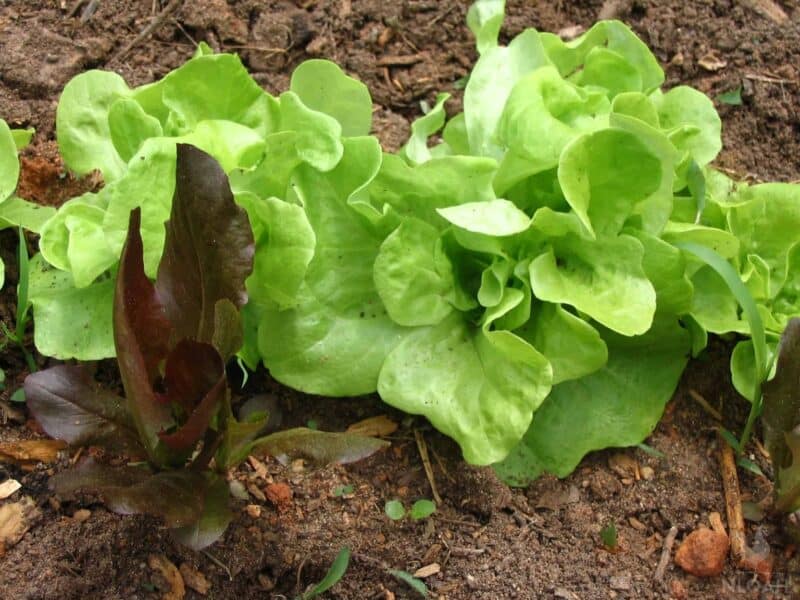
Lettuce
| Scientific Name | Lactuca sativa |
| Growing Zones | 4-9 |
| Water Needs | Moderate; keep soil consistently moist |
| Sun Needs | Partial shade |
You can plant most lettuce varieties very early in the spring or at the very beginning of fall to get a double harvest, but whichever one you pick make sure you keep them in partial shade.
Lettuce is easily damaged by too much sun and prone to bolting. High air temperatures and intense afternoon sunlight has ruined more than one crop, so don’t let that happen to you!
If your lettuce goes to seed you’ll need to dig it up and discard, starting over from a seed or transplants since it will only ever be bitter after that.
Arugula
| Scientific Name | Eruca vesicaria |
| Growing Zones | 3-11 |
| Water Needs | Moderate; prefers well-drained soil |
| Sun Needs | Partial shade |
This peppery, tangy lettuce is perfect in salads and on sandwiches, and some folks even eat it on pizza. Hey, cut them a little slack, you can put anything on a pizza these days!
Arugula grows wonderfully well and fast and partial shade, and like so many other veggies will look at on our list benefits from cooler temperatures generally. Whatever the case, you should protect it from intense afternoon sun during the hottest parts of the year or else it can bolt.
Mache
| Scientific Name | Valerianella locusta |
| Growing Zones | 5-9 |
| Water Needs | Moderate; keep soil moist |
| Sun Needs | Partial shade |
Mache is sometimes known as corn lettuce because of its distinct, sweet, and milky taste. Kind of like corn, as the name suggests!
This cool season leafy vegetable loves partial shade and it grows wonderfully well early in the spring or well after the hottest summer temperatures have subsided heading into fall.
Rhubarb
| Scientific Name | Rheum rhabarbarum |
| Growing Zones | 3-8 |
| Water Needs | Moderate; prefers well-drained soil |
| Sun Needs | Full sun to partial shade |
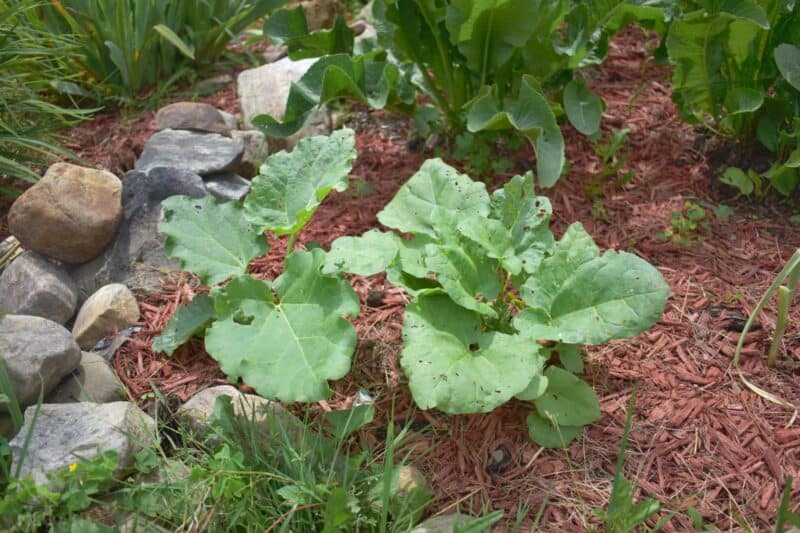
One of the most bountiful perennials you could possibly plant in your garden is rhubarb. It’s a niche sort of vegetable, typically only used as an ingredient in rhubarb pie or other sweet ingredients since the stems taste incredibly tart.
Rhubarb is another surprisingly hardy plant, though it takes a long time to get established. It will need at least 9 months after planting, and more likely a year. In any case, it will tolerate sun or shade with no issues.
Bok Choy
| Scientific Name | Brassica rapa chinensis |
| Growing Zones | 4-7 |
| Water Needs | Moderate; keep soil consistently moist |
| Sun Needs | Full sun to partial shade |
A staple of Asian cuisine and eaten in salads, stir-fries, soups and even steamed or boiled as a side dish, bok choy loves nothing more than moist soil and dappled, shady sunlight.
It’s more tolerant of lots of Sun than you might think, but it will negatively impact the flavor and often the texture.
If you want to keep that spicy tang, you’ve got to keep it in the shade. Also, pay attention to the variety you get: some can do well with full-time indirect light, but others will need at least some direct sunlight in order to prosper.
Mibuna
| Scientific Name | Brassica rapa nipposinica |
| Growing Zones | 5-9 |
| Water Needs | Moderate; prefers moist soil |
| Sun Needs | Partial shade |
Tender, slender and possessing a delicate, mild, mustardy flavor, mibuna is a Japanese green that is constantly used as a garnish, soup ingredient or side item. It is also a popular addition to pasta bowls. Shady conditions and moist soil are called for if you want it to thrive.
Tatsoi
| Scientific Name | Brassica rapa narinosa |
| Growing Zones | 4-9 |
| Water Needs | Moderate; keep soil moist |
| Sun Needs | Partial shade |
Another Asian leafy vegetable, and sometimes known as spoon mustard in the west, tatsoi is spicy and crunchy in equal measure, and this makes it the perfect ingredient for all kinds of different dishes. Cool weather and plenty of shade will all but ensure you get a bumper crop.
Rutabaga
| Scientific Name | Brassica napus napobrassica |
| Growing Zones | 3-9 |
| Water Needs | Moderate; prefers well-drained soil |
| Sun Needs | Full sun to partial shade |
You’ll rarely encounter rutabaga here in the US, but it is a popular mainstay over in Europe for its unique flavor. It’s kind of savory, kind of bitter, kind of earthy, and sometimes a little sweet.
It’s also super versatile, and is used in all sorts of soups and stews or roasted as a side dish by itself. Most varieties thrive with plenty of sun, but they’ll do okay with partial shade and still taste good.
Peas
| Scientific Name | Pisum sativum |
| Growing Zones | 3-11 |
| Water Needs | Moderate; keep soil consistently moist |
| Sun Needs | Full sun to partial shade |
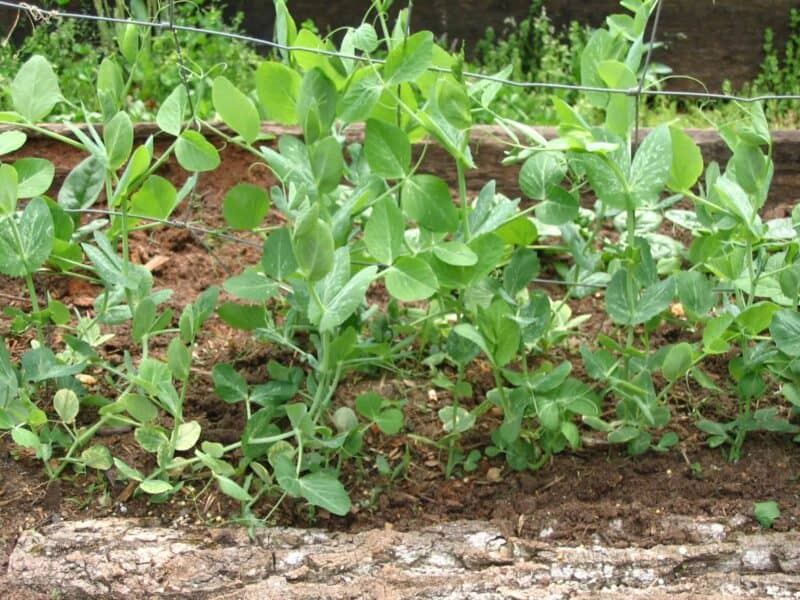
Peas, of all varieties, tend to be pretty adaptable in terms of light, with most preferring full sun but you can still get a great crop even if they are impartial shade all the time.
The biggest part of raising peas is to protect them from pests and also scorching sun during the summertime. This is easy enough to do as long as you plant them right away in the spring once you are sure there is no more danger of frost.
They will be grown and ready to pick by the time the hottest summer weather arrives.

Bush Beans
| Scientific Name | Phaseolus vulgaris |
| Growing Zones | 3-10 |
| Water Needs | Moderate; keep soil consistently moist |
| Sun Needs | Full sun; can tolerate shade. |
Easy to grow and easy to harvest, most bush bean types thrive in sunny, warm weather, but if you choose the right variety you’ll find them to be quite tolerant of shade if you are running out of prime real estate in your garden.
Just remember that more sun generally equals a tender bean with better flavor! Contender, Royal Burgundy and Tender Green taste great and are more tolerant of shade compared to other varieties.
Pole Beans
| Scientific Name | Phaseolus vulgaris |
| Growing Zones | 3-10 |
| Water Needs | Moderate; keep soil consistently moist |
| Sun Needs | Full sun; will tolerate some shade. |
Pole bean varieties grow upward rather than outward like bush beans. They can be a great way to save space, or used as a companion planting for other veggies and herbs that might benefit from a little more shade themselves since they can provide it.
Typically, though, pole beans will grow better and taste better when given more sun. Kentucky Wonder, Blue Lake and Fortex are all pole Bean varieties that will not only save you space but do well when given a little more shade.
Endive
| Scientific Name | Cichorium endivia |
| Growing Zones | 4-9 |
| Water Needs | Moderate; keep soil consistently moist |
| Sun Needs | Full sun to partial shade |
Crisp and bitter, this unique veggie tends to thrive in mild weather when given partial shade. It’s a fixture in many salads and soups, and is often combined with rice and other ingredients in pilaf and risotto.
But make sure you pay attention to its other requirements, too: endive is notoriously intolerant of dried out soil, so do what you can to keep it moist throughout its growing cycle.
Celery
| Scientific Name | Apium graveolens |
| Growing Zones | 4-10 |
| Water Needs | High; keep soil consistently moist |
| Sun Needs | Full sun to partial shade |
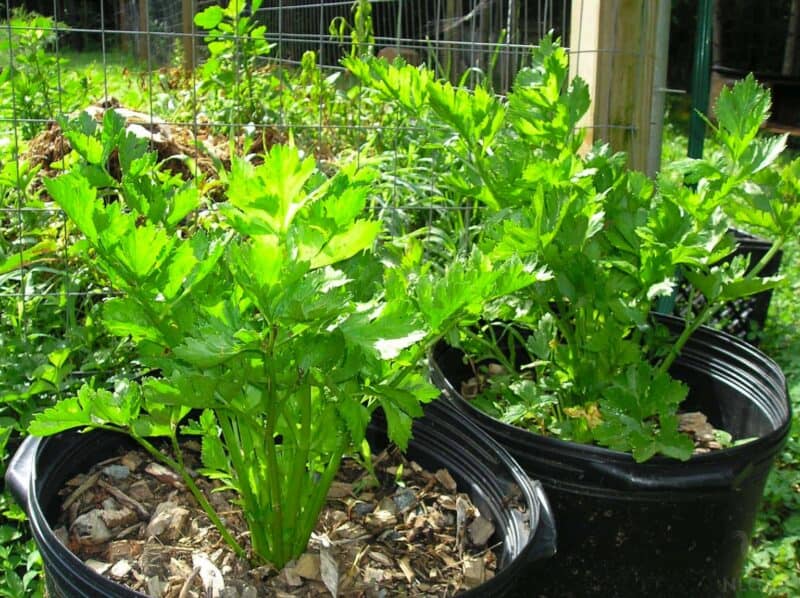
Deserved or not, celery has a reputation for being downright tough to grow. It takes a long time to mature, and if its conditions aren’t exactly right it tends to produce poorly and taste pretty bad.
In my experience, this has more to do with soil composition, moisture and alkalinity than it does sunlight, as most varieties will do just fine and partial shade or full sun.
Asparagus
| Scientific Name | Asparagus officinalis |
| Growing Zones | 3-8 |
| Water Needs | High; prefers moist soil |
| Sun Needs | Full sun to partial shade |
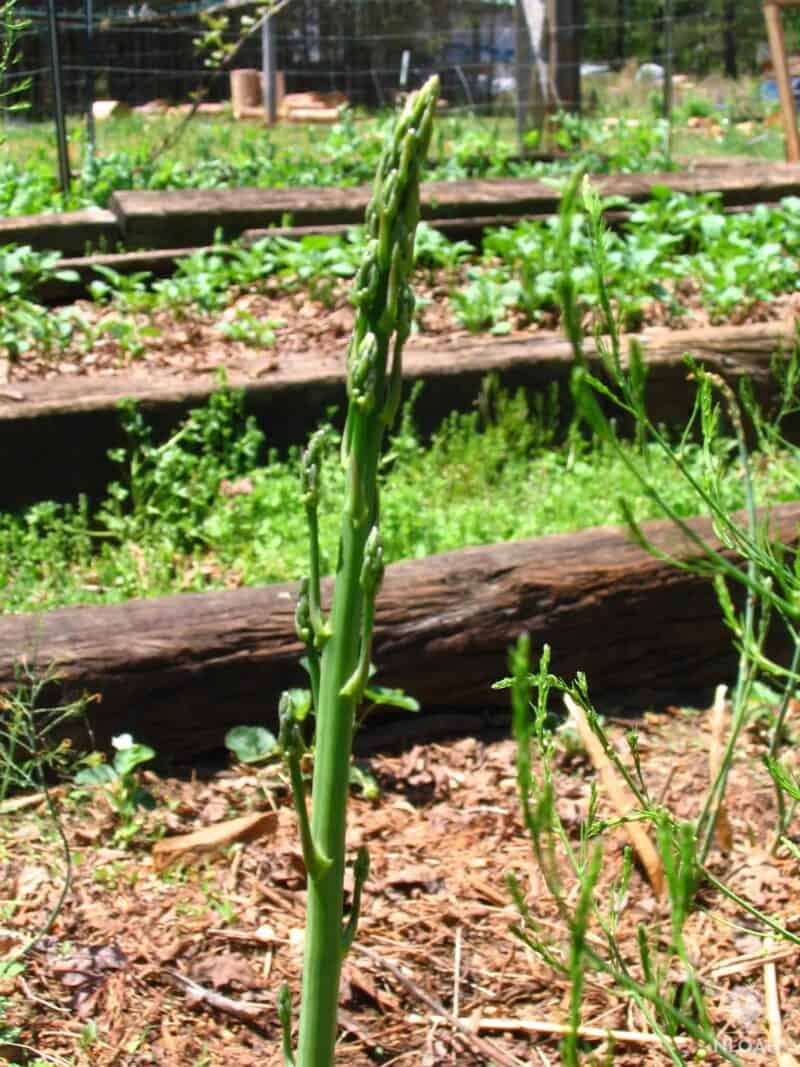
Asparagus is one of those veggies that needs a bit more intensive care in order to thrive, but you won’t have to worry about sunlight too much as long as it’s getting a few hours a day.
Dappled shade throughout the day is ideal, but full sun is fine as long as you protect it from the most intense light and hottest hours, and keep up with its intensive watering requirements.
Do that and you can look forward to crisp stalks, tender, tasty heads, and delectable flavor when roasted.
Radicchio
| Scientific Name | Cichorium intybus |
| Growing Zones | 4-7 |
| Water Needs | Moderate; keep soil moist |
| Sun Needs | Partial shade |
Not to be confused with radishes, radicchio is similar to cabbage, only it has striated purple or purple and white leaves.
Typically eating raw in salads where its bitterness can balance out richer dressings, it is sometimes sautéed or steamed as a side dish on its own. Partial shade and cool temperatures is the recipe for success when growing it, though!

Cherry Tomatoes
| Scientific Name | Solanum lycopersicum var. cerasiforme |
| Growing Zones | 3-10 |
| Water Needs | Moderate; keep soil evenly moist |
| Sun Needs | Full sun, will tolerate more shade than larger varieties. |
If you have your heart set on growing tomatoes but you get shade on your property more often than not, look into cherry tomatoes.
Make no mistake, all tomatoes love getting tons of sunshine and warm weather, but cherry tomato varieties tolerate significantly more shade without a big negative impact to taste and texture.
These are also ideal for container gardening so you can move them around, chasing the sun if necessary.
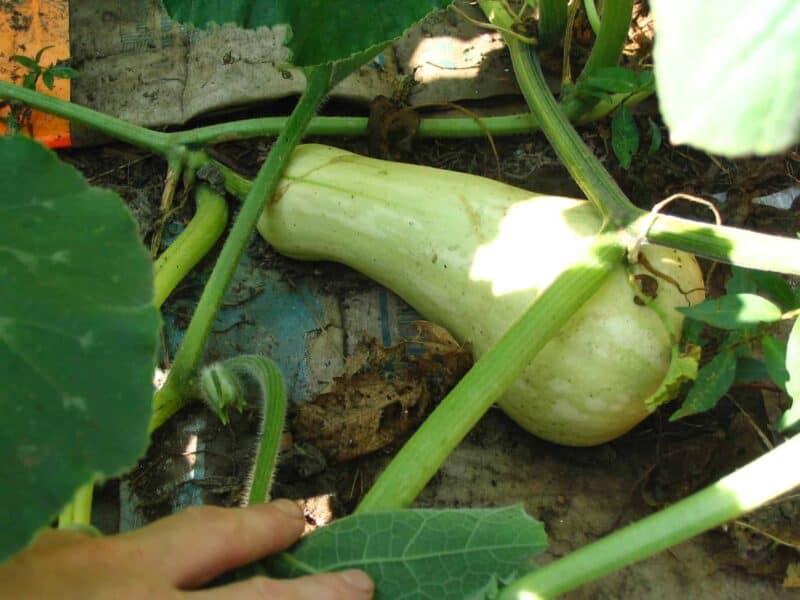
Squash
| Scientific Name | Cucurbita pepo |
| Growing Zones | 3-10 |
| Water Needs | Moderate; keep soil consistently moist |
| Sun Needs | Full sun; some varieties tolerate a lot more shade |
Seeing squash show up on this list is bound to give some seasoned gardeners questions; after all, it is a stereotypically a sun-loving vegetable! But if you are a squash lover and dealing with lots of shade around your garden, take heart.
Types like Early Golden crooknecks and Honey Bear acorns are specially bred and adapted to tolerate a surprising amount of shade and still produce a big and delicious harvest.
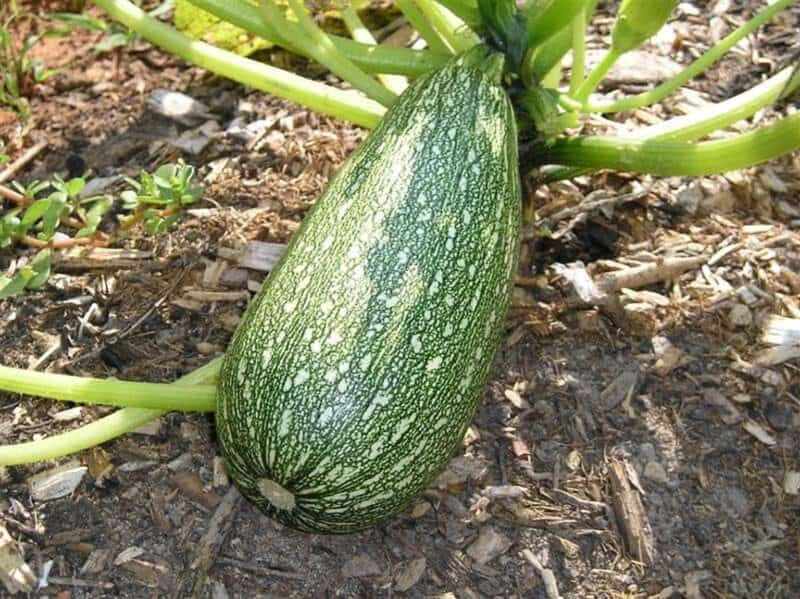
Zucchini
| Scientific Name | Cucurbita pepo |
| Growing Zones | 3-9 |
| Water Needs | Moderate; keep soil consistently moist |
| Sun Needs | Full sun; some varieties tolerate shade |
Even among the most sun loving veggies like zucchini, there are special varieties that can make a bountiful harvest possible for shady gardens.
Raven and Black Beauty are two types that can help you deal with less than ideal lighting conditions, or take advantage of a mobile container gardening setup to maximize what sunlight they can get.
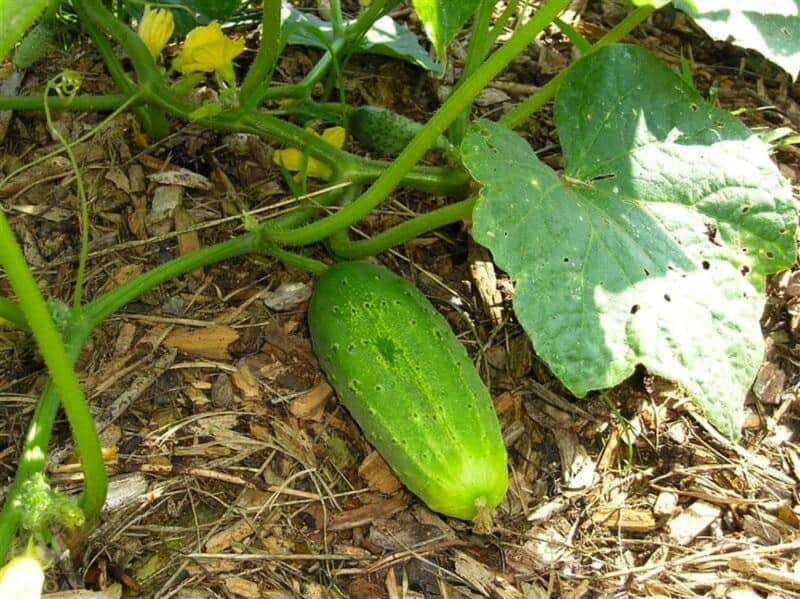
Cucumber
| Scientific Name | Cucumis sativus |
| Growing Zones | 4-12 |
| Water Needs | Moderate; keep soil consistently moist |
| Sun Needs | Full sun; specific pickling varieties still produce okay with shade |
This is another veggie that is sure to get some comments, and I’m not saying that cucumbers generally do okay and partial shade. As a rule, they don’t: they need lots of sunshine! But once again we see certain specific cultivars that can be a good option for shady gardens.
I prefer pickling varieties since the pickling process will help cover up any deficiencies in both taste and texture.
Marketmore 76 and Salad Bush are good choices, as are Lemons; the latter isn’t traditionally a pickling cucumber at all, but it’s small size and intense flavor can make for some interesting pickles and it tolerates more shade than most.


Get your gift and learn things like:
- how to make this really quick pest spray
- how to prevent egg waste
- two cheap automation devices that will make your life easier
Tom has lived and worked on farms and homesteads from the Carolinas to Kentucky and beyond. He is passionate about helping people prepare for tough times by embracing lifestyles of self-sufficiency.