
There’s one thing that’s always at a premium in any garden, and that is space. Whatever it is you are growing, your plants all need a certain amount of room, and when you choose to grow one or the other you can’t put something else in its place. That’s just the way things work.
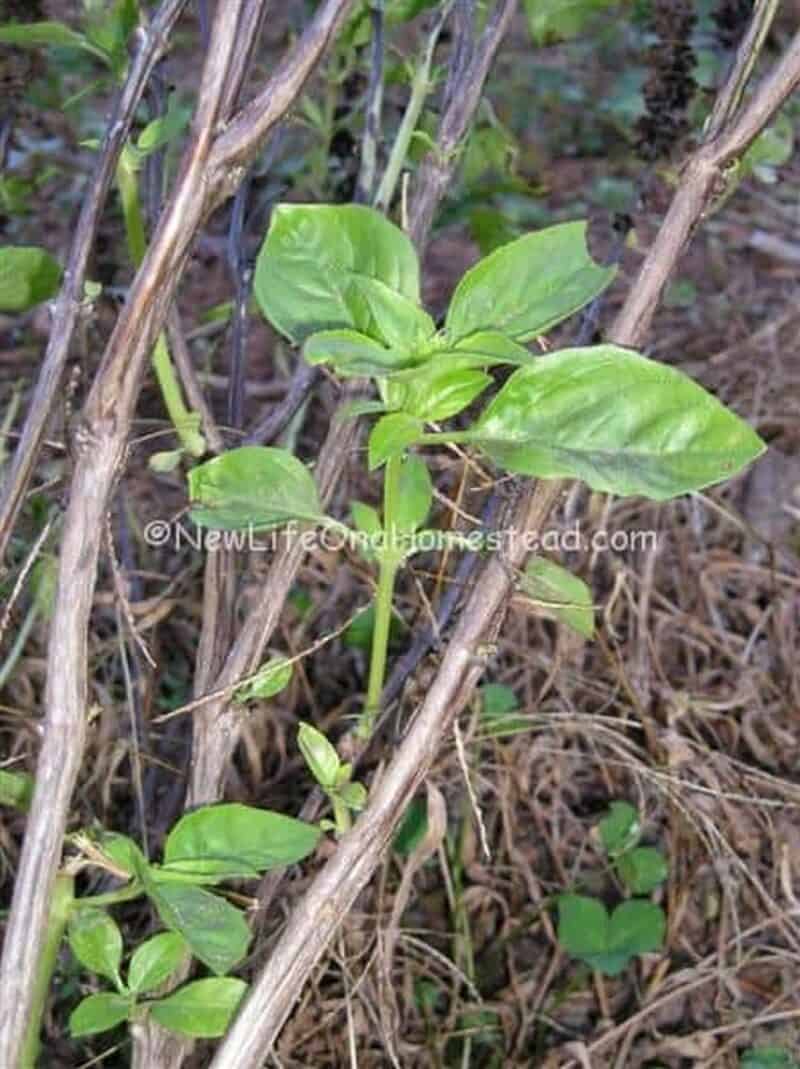
But, if you know a little bit about companion planting, you can maximize both the yield and the efficiency of your garden, however big or small it is, and enjoy even better veggies, herbs, and more.
Companion plantings are those that have beneficial effects for one plant or the other, or even both, and you’re smart to take advantage of them whenever you can.
If you grow basil every year like I do, you’ll definitely want to know about these 19 awesome companion plants below. From improving the flavor and health of your basil to keeping pests away or just saving space, we’ll be looking at plants for every green thumb.
Garlic
Garlic is probably the very best culinary pairing for basil, and I use them in my own recipes constantly. You can tell these two are meant to be together because they also have so many benefits for one another when growing next to each other!
Garlic repels a huge variety of pests, and this time not just insects: it can keep rodents and rabbits at bay along with a wide variety of insects and arthropods like aphids, spider mites, various beetles, and many others
Plus, garlic and basil both do great in well-drained, looser soil with plenty of sunshine.
But like cilantro (more on it later), you’ll need to be smart about this pairing: garlic spends much of its time developing underground, so you need to plant it in the fall prior to planting your basil in the coming spring.
Your garlic can be pretty close together, around 6 inches, but you still want to keep your basil plants about 12 inches away for best results. Don’t let it shade your garlic!
Tomatoes
Another duo that’s meant to be together in the kitchen and in the garden, basil helps tomato plants produce even tastier fruit, and tomatoes do the same for basil when they are grown nearby.
Basil’s insect-repelling aroma will also help keep delicate, vulnerable tomato plants safe from critters that would love nothing more than to chow down on them.
Basil can easily be planted beneath and near tomato plants, but this can easily backfire since tomatoes will throw a lot of shade on your basil.
Cautious planting, keeping basil on the south side of the tomato plants, or strategically placing pots and planters of it around, can avoid this issue.
Eggplant
There are tons of great eggplant recipes that make heavy use of basil, meaning you can make a great case for growing basil if you’ve got plans for your eggplants. But of course, that’s not the only reason to grow these two together.
Basil repels serious eggplant pests, including the tomato hornworm which is otherwise difficult to deal with. As usual, aphids and spider mites also get the boot thanks to basil.
Grow your eggplants spaced about 2 feet apart, and place the basil between them, just take care to make sure that the eggplant does not overly shade the basil.
Carrots
Carrots, like most root veggies, do just fine when growing near basil. Just keep the basil about a foot away from the carrots, which themselves can be spaced as little as 3 inches away from one another, and they’ll do fine. Similar sun and soil requirements once again play to the strengths of both.
Basil has more to offer carrots, though, because it specifically repels the dreaded carrot fly. These nasty, translucent bugs will chew up carrot foliage and also attack parsnips, celery, and turnips.
They find the aroma of basil to be absolutely intolerable, though, and will go out of their way to avoid it, meaning your carrots will stay safe.
Radishes
Radishes can make a fine companion plant for basil thanks to their propensity to grow so quickly and loosen soil. As a rule, they generally won’t bother basil roots, but this is only an academic concern because radishes tend to grow so fast that you’ll be harvesting them before your basil gets too big, meaning you can really maximize a small space if you want to.
Once again, basil is universally beneficial for all of its companions because of its pest-repelling attributes.
Turnips
You can treat turnips just like radishes as a basil companion plant. Just note that some varieties grow slower than most radishes, so you should time your plantings accordingly so that your basil doesn’t get so large that it starts to crowd them.
Asparagus
Asparagus is another fine choice for a basil companion, and one that can save you space and also greatly benefit the asparagus.
That’s because basil naturally repels asparagus beetles, and many other insect pests besides, helping to keep these plants safe from one of their most prolific and devastating pests.
Plus, asparagus grows in nice vertical clusters, that basil can grow all around. Plant your asparagus about a foot and a half apart, maybe two feet apart, and plant basil all around and between the plants.
Think through the location where you place them because asparagus is a perennial that will return again and again. Make sure the soil is well-drained and both plants will get plenty of sun.
Beets
Beets are a root crop that can be a great partner for your basil. Beets grow predominantly below ground, loosening soil as they do, while basil will grow above ground.
Plus, these plants don’t really compete for resources, meaning that if your soil levels are already good you can count on both of them developing properly and having great flavor.
Just give your basil a little bit of room, keeping it anywhere from 10 to 12 inches away from your beets. The beets themselves can be placed pretty close together, anywhere from 6 to 8 inches.
Note that you want to keep beets away from garlic, elsewhere on this list, since they don’t do very well near it.
Chives
This is an inspired choice for planting with basil. Chives have shallow roots which won’t really compete with the deeper and broader root systems of basil, and, not for nothing, these two often work wonderfully together in a variety of recipes.
They can also form a massively powerful, natural, and safe pest-repellent program for your garden: both chives and basil repel all sorts of harmful insects, particularly aphids.
Compared to basil, you can plant most chive varieties closer together, as little as 6 inches apart from one another. Just make sure you keep your basil at least 12 inches away from the chives so they don’t get too much shade, and remember to plant them both in well-drained soil.
Grapes
Grapes are notorious for gobbling up room in gardens, but you can ease this somewhat by planting basil around the base of your grapevines. Basil specifically repels various harmful pests that can decimate your grapes, specifically various flies and beetles.
Just make sure you pay close attention to the variety of grapes that you are growing and tend to their spacing and sunlight requirements first. Careful management may be needed to ensure that the basil, growing much lower, still gets plenty of sunlight.
Peppers
Pepper plants, of all kinds, will benefit from the protection that basil can provide them. Whether you’re growing bells or any variety of spicy pepper, basil will keep parasitic spider mites, flies, and various beetles away, keeping these vulnerable fruits intact, plump, and delicious at harvest time.
But again, you’ll need to be a little strategic when putting these two together. You can intersperse your basil plants throughout your peppers, keeping the pepper plants at least 18 inches apart, but there’s still a good chance that they can put too much shade on your basil.
Paying close attention to positioning and tending to your peppers can help prevent this, or you can just place basil nearby in pots or grow it around the perimeter of the peppers.
Broccoli
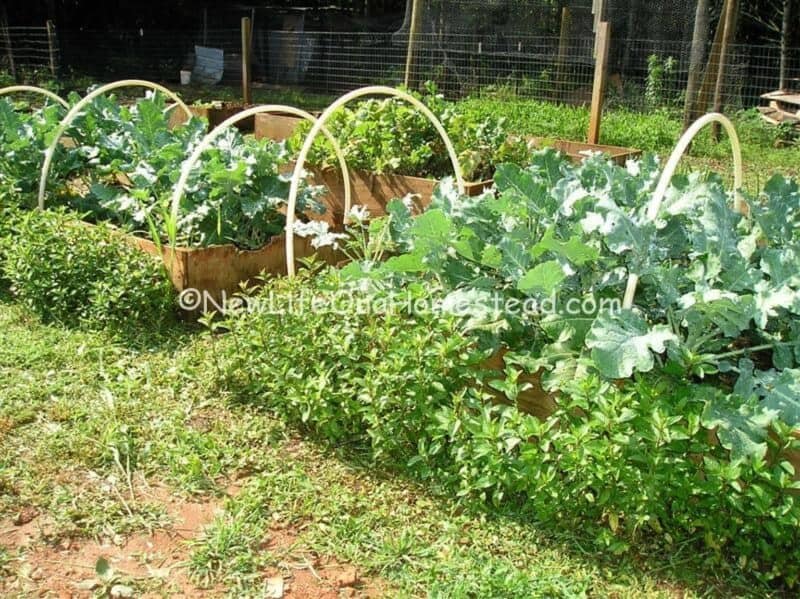
Broccoli is a tasty and nutritious brassica that will benefit a lot from having basil as a neighbor. That’s because basil is a known and potent repellent of awful broccoli pests like cabbage moth larvae, and, of course, aphids.
This relationship definitely benefits the broccoli more than the basil, but if you like both it is a great companion planting.
Just keep your broccolis about a foot and a half apart and then intersperse the basil between them, keeping them about 12 inches apart.
Note that this might require some management and adjustment as they grow, because if the broccoli outpaces the basil its large leaves might start to shade out your basil plants.
Lettuce
Your lettuce, whatever kind it is, will always grow better and more safely if basil is nearby. That’s because basil will repel aphids, always a perennial garden pest.
In turn, growing these two together proves to be remarkably efficient in terms of weed suppression, meaning both will enjoy better overall growth and you’ll have less work to do.
Depending on the variety of lettuce you are growing, you’ll want to plant the basil a little bit closer, around 10 inches, or a little bit farther away: if you live in a hot region closer to the equator, your lettuce can actually benefit from a little shade from the basil.
Chamomile
Chamomile grows wonderfully alongside basil because both herbs enjoy the same type of environment and soil: plenty of sun and good drainage.
Chamomile can help out your basil and the rest of your garden by attracting pollinators to its large and cheery flowers. Basil, in turn, will help protect chamomile by repulsing a variety of common garden pests. This one is a tag team duo for the ages.
I prefer to plant these two in complementary rows, or else plant basil in a perimeter around rows of chamomile. Keep your chamomile plants around 8 to 10 inches apart, and your basil about a foot apart, at the minimum.
Note that some basil varieties can grow quite large and bushy, so extra spacing might be required. You don’t want these plants to get tangled up or start competing with each other!
Anise
Anise is another herb, and one you can grow right alongside basil for a couple of reasons…
Like basil, it likes lots of sun and well-drained soil, meaning you can grow them in the same bed, container, or patch of soil. However, you’ll want to plant anise at least a foot from your basil so they don’t compete.
More than this, anise has a beneficial quality for basil particularly, helping to intensify the essential oils it contains, meaning your basil is going to be even more flavorful.
This plant also attracts beneficial pollinators that can help the rest of your garden, and also beneficial garden predators which can wipe out beetles, aphids, and more.
Cilantro
I’ve got good news for cilantro fans: it makes a powerhouse companion for basil. Like basil, it repels all sorts of harmful insects, including beetles, various moth and fly larvae, aphids, and more.
When it bolts and blooms, it’s irresistible to a variety of beneficial pollinators like bees and butterflies and even some helpful pest predators like wasps. Basil, as ever, is also repulsive to insect pests.
But, you have to use a little strategy if you want to use cilantro as a companion: it likes sun, just like basil does, but does best in cooler weather.
Consider placing cilantro near the end of the warm season to maximize benefits and keep your natural insect protection regimen going all year long.
Oregano
Another herb, yet another great pairing on our list. Oregano and basil are such great companion plants you can say they have a genuinely symbiotic relationship.
Both plants, growing nearby spaced about a foot apart from one another, create a microclimate that will improve the quality and flavor of each, meaning your kitchen dishes will never taste better.
Plus, oregano, like so many other kitchen herbs, has known and powerful insect-repelling qualities. These two together will act like a veritable shield for the rest of your garden, and you can make a great case for alternating them around the edge of a raised bed or elsewhere.
You probably know the drill by now: keep each about 12 inches apart from one another and each other, make sure they both get plenty of sun and ensure good soil drainage to prevent root rot.
Parsley
The good news keeps on coming with parsley. Like oregano above, it is a great neighbor for basil because one will enhance the flavor and overall quality of the other. Both prefer loamy, well-drained soil that is slightly acidic or neutral, and lots of sunlight.
Anywhere you can plant one, you can plant the other. Parsley also attracts garden predators that you want to hang around, namely hoverflies and several species of parasitic wasp.
Compared to basil, you can crowd your parsley plants a little more, keeping them anywhere from 6 to 8 inches apart, though you want to keep your basil plants at least 12 inches away from the parsley stands as with most other herbs we’ve talked about so far.


Get your gift and learn things like:
- how to make this really quick pest spray
- how to prevent egg waste
- two cheap automation devices that will make your life easier
Tom has lived and worked on farms and homesteads from the Carolinas to Kentucky and beyond. He is passionate about helping people prepare for tough times by embracing lifestyles of self-sufficiency.