
For most gardeners, winter and cold weather are synonymous with death and packing it in until spring arrives. If you don’t have a greenhouse or aren’t willing to start seeds indoors, there’s probably not much for you to get out of your garden, right?

Not exactly! Though many gardeners fear the frost and subsequent freezes, some veggies don’t mind at all. In fact, there are quite a few popular ones that will improve with cold weather and provide you with a bountiful and nutritious harvest through the end of fall and into the wintertime.
If you don’t mind the cold weather work in the garden, these veggies won’t let you down. I’ve got 19 to tell you all about below. Grab your spade and your sweater, and we’ll get right into it.

Broccoli
Broccoli has a reputation for being a little tricky to grow, but at least you won’t be worried about winter weather throwing a wrench in the works: most varieties don’t have any problem with frost or even light freezes, withstanding lows from 20°F to 26°F.
Once again, get your broccoli in the ground no later than the first few weeks of fall, and choose a variety like Waltham 29, Marathon, or De Ciccio.
Cauliflower
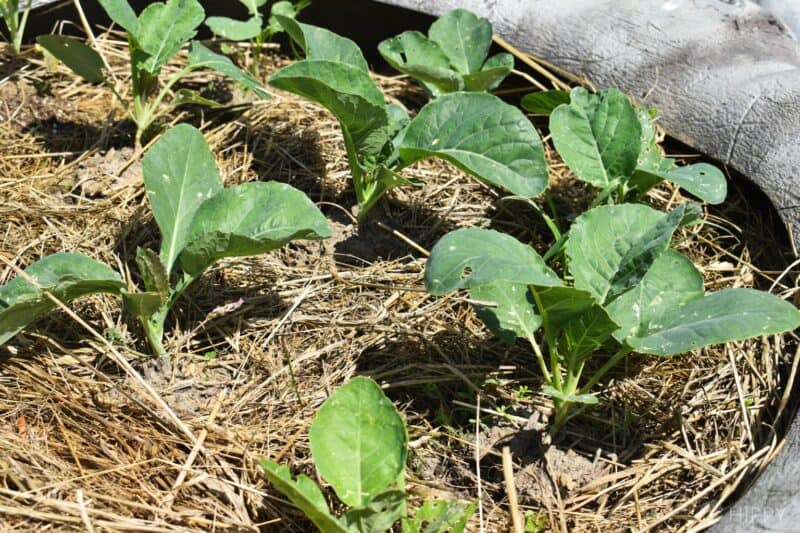
Like broccoli, cauliflower is proof against light frost and will even tolerate some light freezes. Many varieties do well in cooler climates and love colder weather, like Snow Crown, Cheddar, and Purple Cape. Try to keep them from dipping much below 25°F though.
Again, not much of a surprise here when it comes to planting time: late summer or no later than the first few weeks of fall and your cauliflower will be fully formed, firm, and delicious by the time the weather turns really bad.
Mustard Greens
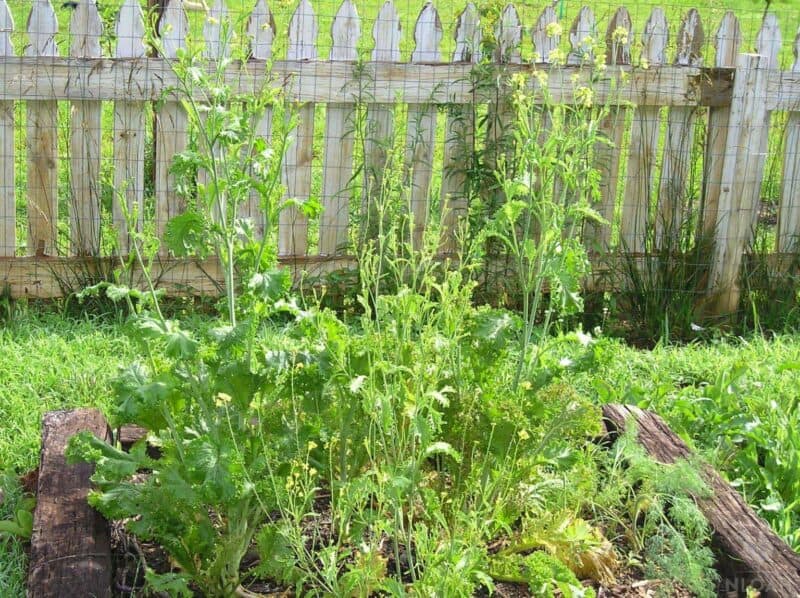
I always love getting a harvest of mustard greens in the wintertime. That warming, highly aromatic burst of flavor and spice is just the thing to kick up some of my favorite winter dishes and pairs especially well with winter squash.
Planted early in the fall, your mustard greens should tolerate temps down to about 25°F (-4° C) with ease, especially if you choose a suitable winter cultivar like Red Giant.
Some types are especially known for their winter performance, but nonetheless do quite well, like Green Wave and Southern Giant Curled.
Kale
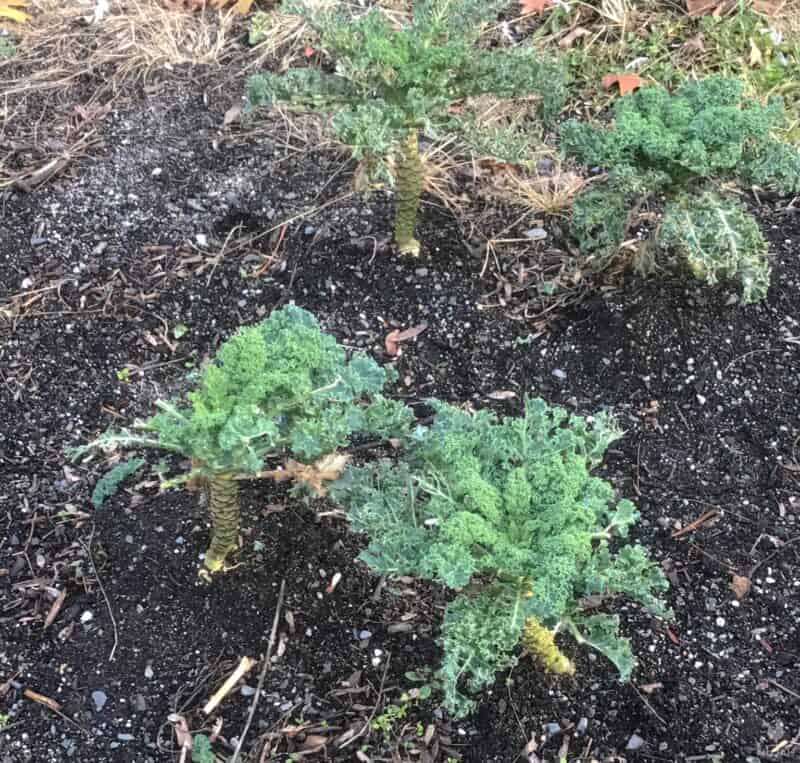
Kale is one of the best-known winter veggies around and certainly one of the most nutritious. Kale is fairly unique in that experiencing a frost, or multiple frosts, will improve its flavor and texture. You can’t ask for more than that!
Depending on the variety, kale is happy and hearty all the way down to 5°F, though some mild varieties will only endure as low as 15°F to 20°F.
Great winter-specific varieties include Lacinato, Red Russian, and Winterbor. Plant in late summer or early fall, and you’ll enjoy a delicious winter harvest.
Brussels Sprouts
Another member of the brassica category on our list, like kale and other winter veggies, Brussels sprouts will sweeten up after being exposed to a frost, and they are easy to harvest well into winter’s embrace.
Your Brussels sprouts won’t survive a deep freeze or sustained frigid temperatures, but most will do just fine down to around 20°F or so.
Diablo is one of my favorite winter varieties and has a great combination of hardiness, taste, and texture. Plant these in the middle of summer or no later than the end of summer for an early to mid-winter harvest.
Spinach
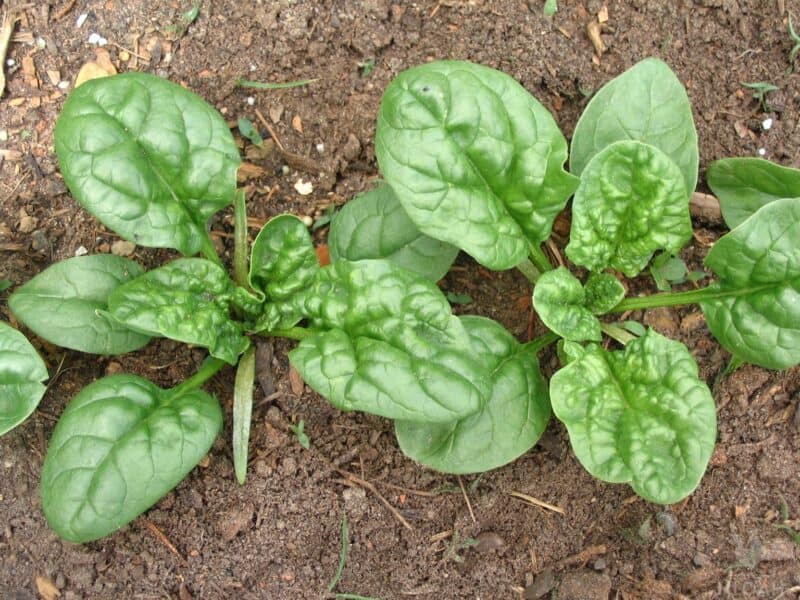
Spinach is one of those garden veggies that can produce for most of the year if you know what you are doing.
But if you want to go with a winter-specific variety like Giant Winter or Tyee, an early fall planting is best: these varieties still grow quickly and can be harvested throughout the season, and they will even keep growing under a light snow.
Not quite as cold-resistant as kale, these winter varieties still do quite well and will taste great all the way down to about 15°F. Don’t be quick to brush away the snow, either: it acts as a great insulator for the soil, helping to keep it warm!
Bok Choy
Another brassica, another shoo-in for your winter garden. Bok choy should not be subjected to hard freezing, but it does well despite frost and tastes great even after a couple of light frost events.
It can cope with sustained temperatures as low as 26°F if you pick a cold-tolerant variety like Joi Choi. Intermittent temperatures as low as 20°F won’t hurt it, either.
Plant this one in the late summertime: you can harvest it as it grows and enjoy it all season long, and in my experience, some varieties don’t take off as quickly as you like, so giving them a little extra time is called for.
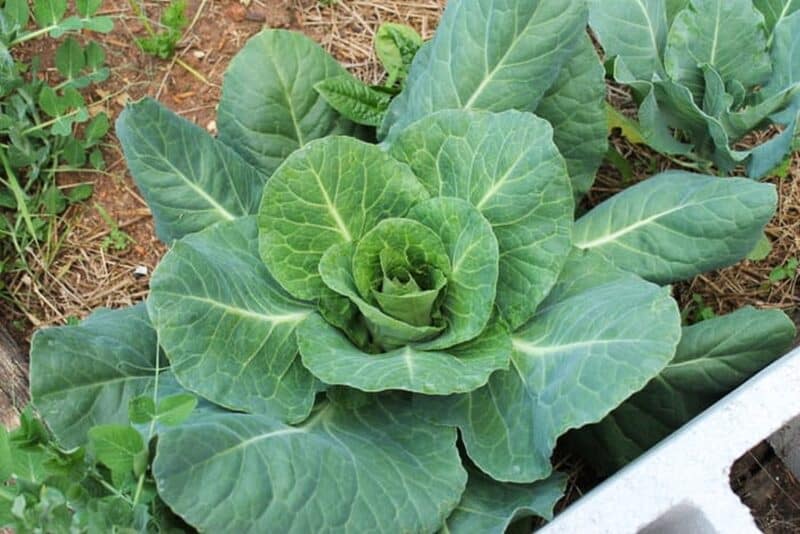
Cabbage
With many extraordinarily cold-hardy varieties like January King and Golden Acre, cabbage is picture-perfect for winter harvesting. These tough leafy greens can withstand lows of 20°F, but it will be better off if the temps stay above 25°F.
Plant your cabbages at the end of summer and get ready to enjoy them in just a couple of months.
Swiss Chard
If you haven’t figured it out by now, you should know that your brassica veggies are some of your very best and most reliable mainstays for a winter harvest. Swiss chard, like kale, can be harvested throughout the winter but compared to kale it will likely need a little bit of protection.
Nonetheless, Fordhook Giant and Bright Lights are two types that can deal with cold like nobody’s business, shrugging off temps as low as 15°F. Get them in the ground at the end of summer and look forward to a bountiful cold-weather harvest.
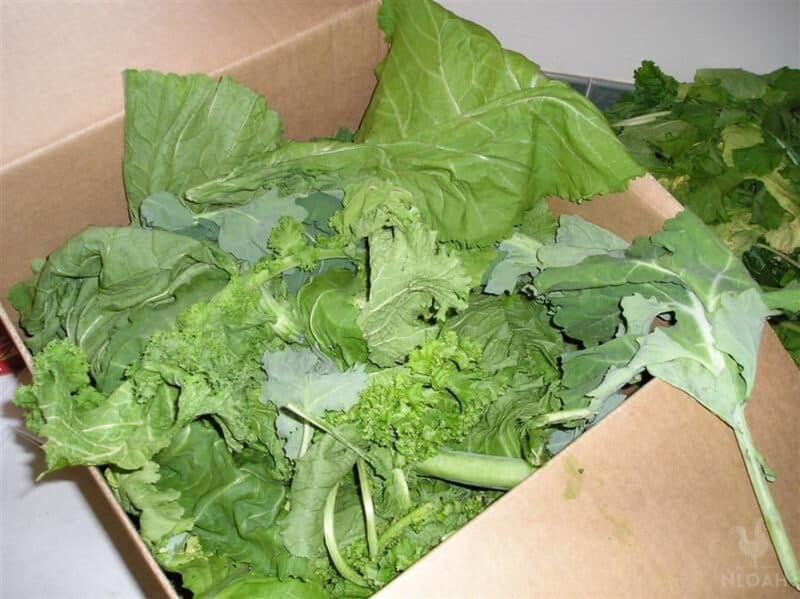
Collard Greens
Collard greens thrive in cooler temperatures generally, and like so many other leafy veggies we’ve looked at already, their flavor will actually improve after they endure the first frost.
Most varieties will tolerate sub-freezing temperatures all the way down to 20°F, with Georgia Southern and Vates being especially good choices.
Late summer is the ideal time to plant your collard greens for a winter harvest before temperatures get too harsh in most places.
Endive
This leafy cool-season favorite can be harvested all winter long as long as it’s protected from truly cold temperatures that stay below 25°F. As with other winter salad veggies, plan on getting it in the ground no later than the first few weeks of fall if you want an ideal first harvest.
No pretty much all varieties of endive do well in the cold, Rhodos, Green Curled Ruffec, and Broadleaf are some of your very best bets for flavor and cold hardiness.
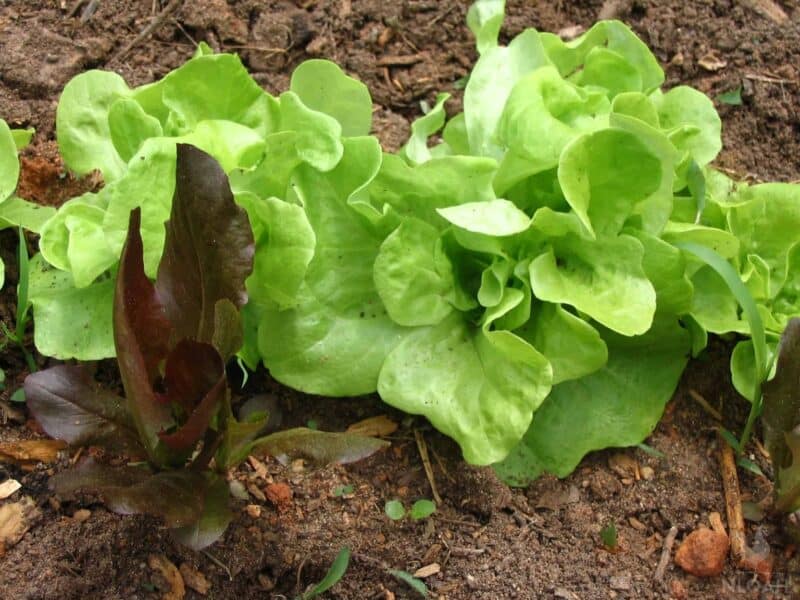
Lettuce
Lettuce is another dependable cold-weather crop, with various cultivars easily tolerating temps as low as 25°F, though they will need a little protection in the form of a cover of some kind.
Growing quickly if planted at the end of summer or early in the fall, choosing the right variety will make your life easy and produce some truly awesome heads; Arctic King and Winter Density advertise their winter suitability right in the name, but Rouge d’Hiver is another great choice too.
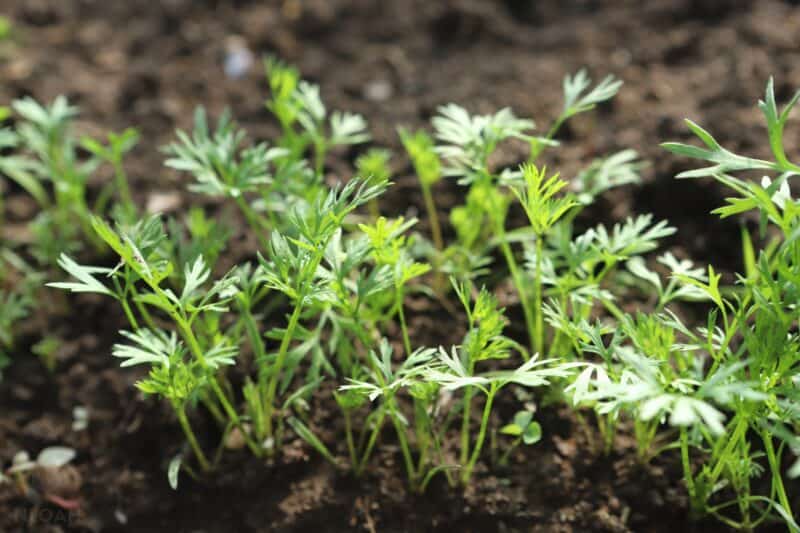
Carrots
Carrots not only withstand blistering cold, frost, and even light freezes but they will actually sweeten in cold weather, making your carrots taste absolutely delicious.
Most carrot varieties are fully safe all the way down to 20°F, and winter varieties like Napoli, Bolero, and Mokum do just fine down to 10°F or even a little bit colder.
Regardless of what variety you pick, your best bet is to plant them at the end of summer or no later than early fall so you can have a perfectly timed winter harvest.
Beets
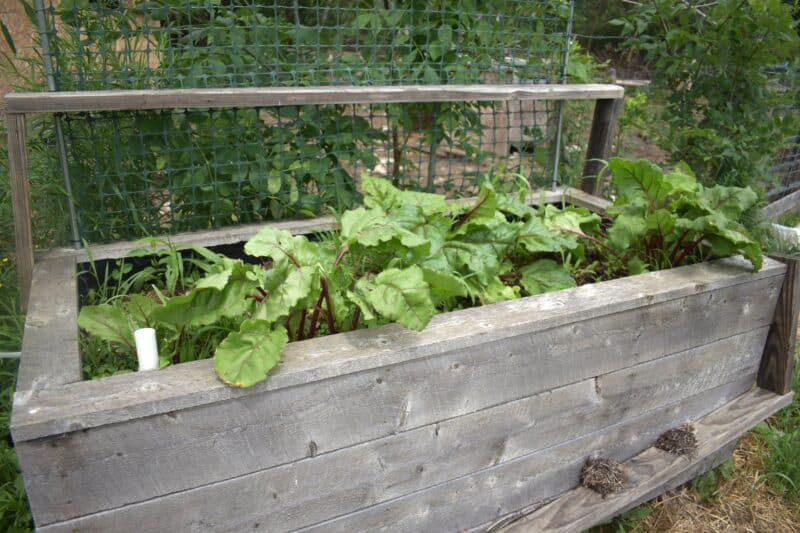
Beets, both the roots and the greens, are highly suited for winter weather, especially some of the tastier and sweeter varieties like Detroit Dark Red, Chioggia, and Lutz Greenleaf. A late summer or early fall planting is your target date.
The density of beets, combined with the great insulation they get from the soil, means that they are highly resistant to freezing.
I’ve had plenty of beet harvests in the wintertime that endured multiple frosts and a couple of light freezes and they turned out absolutely delicious, with no degradation in root quality.
As long as the temps don’t stay below 26°F for days on end, you won’t have to worry about them.
Turnips
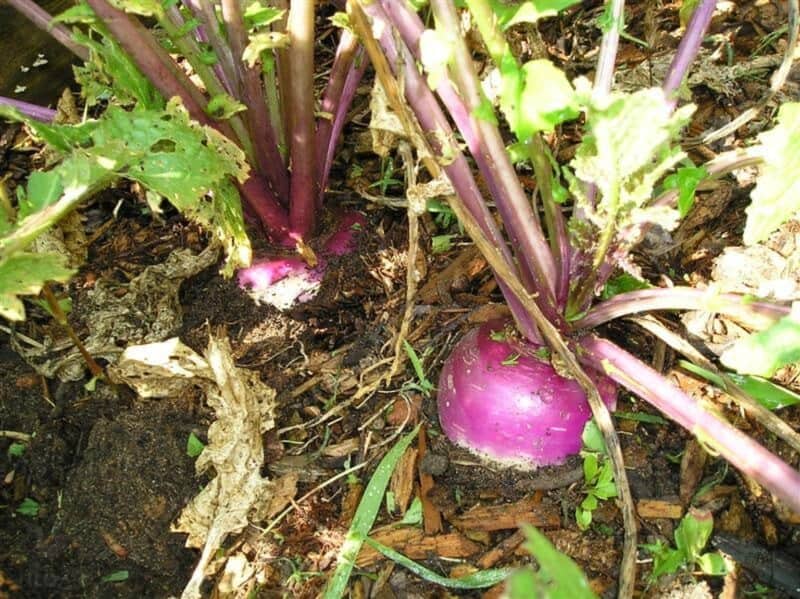
Turnips are more than capable of withstanding brutal winter weather, with many varieties laughing at frost and some being able to endure all but the hardest freezes.
In any case, cold weather makes them sweeter and more palatable, so planning for a winter crop is actually a smart move if you want delicious turnips.
Great choices for cold-weather planting include White Globe, Purple Top, Golden Ball, and White Egg. Don’t forget that the greens are also edible and will do just fine in the cold, too! Depending on the variety, they’ll be good all the way down to 10°F.
Radishes
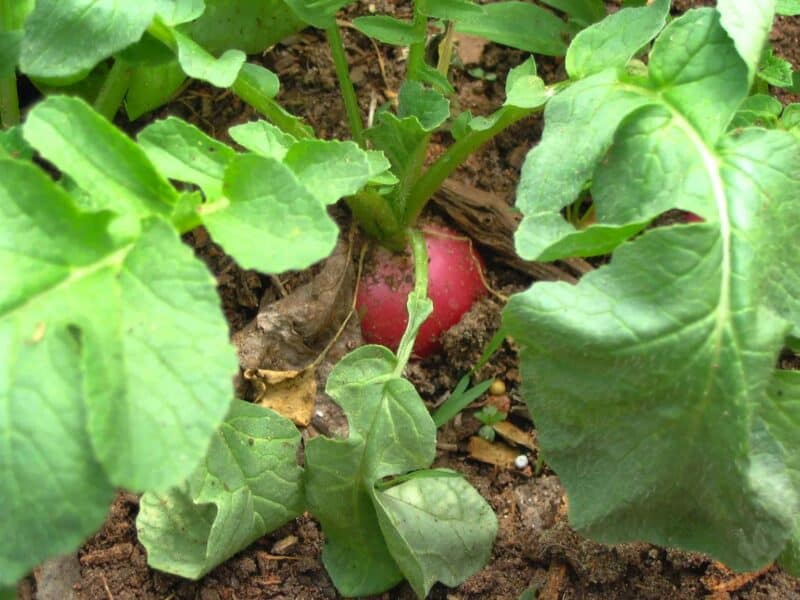
Radishes are a clever choice for a winter crop because they grow so quickly,they can usually be harvested before severe cold takes hold. That, and they certainly don’t mind much cooler temperatures, with most varieties being fine between 20°F and 25°F.
Once again, your planting date is no later than early fall, and slower-growing varieties should be planted at the end of summer. Daikon, China Rose, China Red Meat, and Black Spanish are great options for a winter harvest.
Parsnips
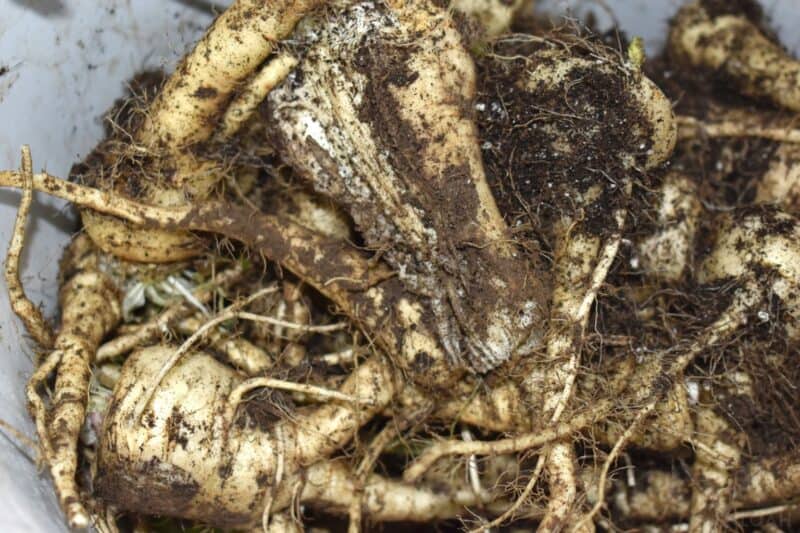
When parsnips get hit with frost, their flavor improves significantly because this converts their stored starches into sugars, sweetening them and improving their texture.
Hardy all the way down to a blistering 0°F, winter varieties like Gladiator, Albion, and Hollow Crown are all superb choices when planted anywhere from the end of summer to the end of fall.
Once again, don’t worry if there is a light snowfall over them: this will actually help to insulate them and make your crop even better.
Onions
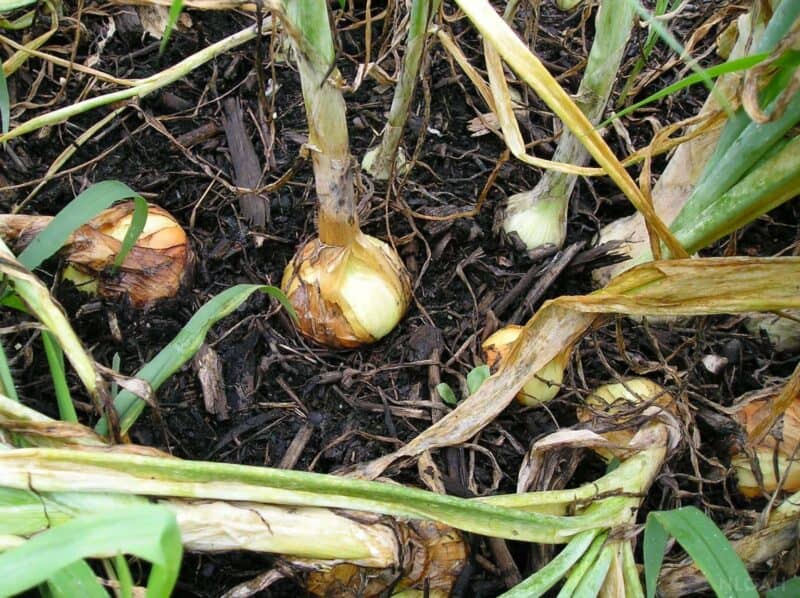
Onions are one of the best and easiest veggies to overwinter, and you can plant them as late as the first week of November and expect them to do just fine. Some varieties are more cold-resistant than others, but all can be expected to survive temps down to about 5°F.
The great thing about winter onions is that the long, cold season greatly improves their flavor. Evergreen Bunching and Walla Walla are two of my favorite cultivars just for this purpose.
Garlic
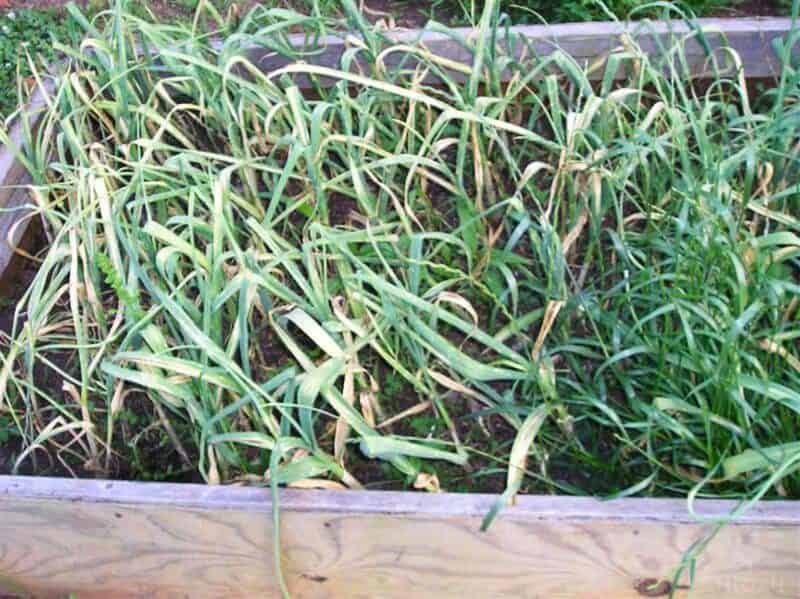
Garlic is fairly unique on our list because you’ve got to plant it in the cold season so you can harvest it in the summertime.
In fact, without a period of sustained cold, garlic will fail to develop, and you’ll have a puny or tasteless harvest! If delicious, pungent, flavorful bulbs are what you want, you better be praying for cold weather!
The time to plant garlic is in the middle of fall, or a little bit earlier if it’s a particularly cold year. Garlic will easily withstand temps of 0°F no matter what variety you pick: you can go with mainstays like Purple Stripe or Porcelain, but I prefer German Extra Hardy and Spanish Roja for their unique flavor profiles.
Leeks
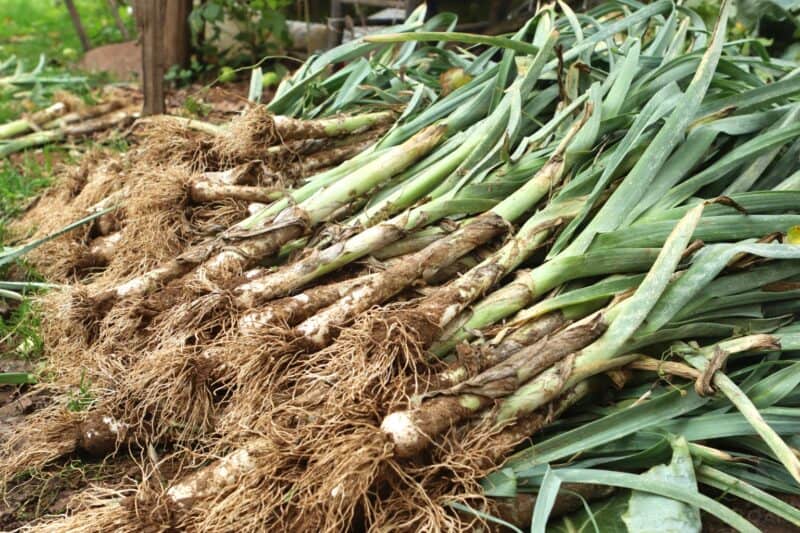
Another allium genus veggie, though one that isn’t quite as cold-resistant as onions, your leeks can be planted at the end of summer for a late fall or early winter harvest. Most do just fine in temps between 5°F and 15°F. Giant Musselburgh and Winter Giant are two of your very best choices for a cold-season harvest.


Get your gift and learn things like:
- how to make this really quick pest spray
- how to prevent egg waste
- two cheap automation devices that will make your life easier
I’ve taken over this blog from Kendra Lynne around 2018, and turned it into one of the best an most comprehensive homesteading website out there. I was raised partly in the countryside living a very frugal life ever since I can remember.