
For most homesteaders, keeping animals of some kind is just part of the lifestyle. Chickens are overwhelmingly the most popular choice. Cheap, highly productive, available everywhere, and relatively easy to care for, you’ll rarely go wrong with a flock of yardbirds.

But despite being one of the easiest livestock species to care for, tending to a flock is still a ton of work. You’ve got chores that must be dealt with every day if you want your birds to stay happy and healthy. Some flock keepers overlook the fact, though, that their chickens can also help them around the homestead in kind.
From keeping your fridge stocked with food to helping you in the garden and yard, your birds might turn out to be your best workers. Keep reading, and I’ll tell you about 10 ways they can help you.
Of course, you’ll have to allow for breeding or purchasing replacements for those that have been slaughtered, and you’ll need to learn how to do the job right if you aren’t going to outsource it. Still, it’s a very small price to pay.

1. Recycling Food Scraps
Chickens will eat just about anything. They are omnivores, meaning that all kinds of plant and animal matter are on the menu. In fact, they can eat lots of the same things that people eat.
No, you don’t want to give your birds highly processed, factory-made junk food, but you can give them food items that you would otherwise throw away.
Think things like fruit and veggie skins, grains, leftover scraps of meat, and even the occasional bit of dairy products like yogurt.
Surprisingly enough, you can also feed eggshells back to your birds! You should process them first to change the flavor and texture, but it’s a great way to get calcium back into your hungry hens.
2. Garden Prep
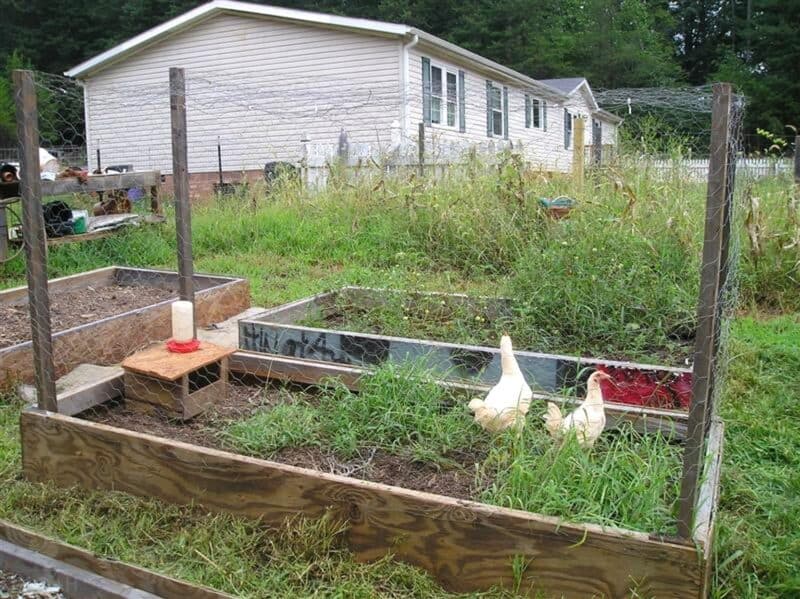
If there’s one chore that chickens can help you with, and one that they are chronically underutilized for, it has to be cleaning up the garden.
Whether you are between seasons or just refurbishing a disused garden, you can fence in your flock and let them do a lot of the heavy lifting.
They’ll be more than happy to scratch and peck at the ground, pull up shoots and roots, eat up trimmings, and of course deposit some much-needed nitrogen wherever they poop!
There’s no going back for me; they really do make soil prep a whole lot quicker and easier. Put up some temporary fencing around your garden if it doesn’t already have some, stretch out netting over the top if they need protection or can fly, and leave them in there for a week or two.

3. Weed Removal
If you let your birds free-range over your property, you’ll notice a lot fewer weeds growing here and there. That’s because most weeds are simply unwanted plants, and there are many, many plants that chickens are happy to forage.
Dandelions and other common weeds will go right down the hatch, and chickens are especially good at spotting and plucking out young, tender plants before they get established.
4. Insect Control
Remember how I said chickens are omnivorous? That appetite extends to all kinds of bugs and other critters. These birds have incredibly good eyesight, and will easily spot even the tiniest bug running around in the mulch, grass, or dirt. Then they strike!
Chickens are such prolific eaters of insects that they are actually a surprisingly effective form of all-natural pest control. Letting them roam around on your property will dramatically reduce the occurrence of pests like beetles, ants, and more.
Larger flocks will depopulate insects even more rapidly, but even five or so birds can have a huge impact on the numbers in your yard!
5. Turning Compost
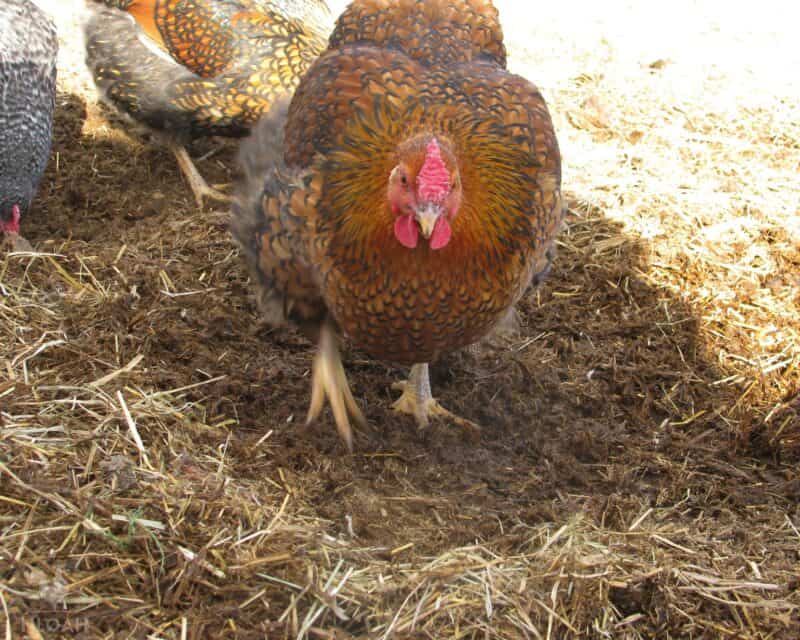
Aerating compost is vital to processing it. If you have a large pile, your chickens can help you out here too.
All you need to do is give them access to the pile, and they should start checking it out in pretty short order. They will climb on it, scratch, pick, and peck, looking for choice edible bits, and in doing so, their explorations will keep the decomposition process underway.
Once again, they will leave a little bit of poop in the pile, which will break down and further enhance it.
Just make sure you don’t let your chickens on your compost pile too often; it’s possible they can eat too many worms and other beneficial creatures that you’d rather keep in there!
6. Spreading Compost
Your flock can do a great job of spreading compost, too. Simply shovel it out in evenly spaced piles throughout your garden or other planting areas.
If you let your chickens get at it, they will quickly start to scratch through it and scatter it all over the place. You can then easily come behind them and fill in any thin spots. Nothing to it!
7. Loosening Up Thatched Grass
Chickens scratch and peck at the ground constantly. Ostensibly this is to look for food, but I believe part of it is simply reflexive.
In any case, use this tendency to your advantage by parking your chicken tractor or moving their run over an area of your property that has badly thatched grass.
Instead of wasting time breaking it up with a garden fork, you can walk away for a couple of weeks and come back to a freshly manicured section that’s ready for replanting—courtesy of your chickens!
8. Providing Manure
It’s gross but valuable: chicken poop, or manure, is packed with nitrogen and other essential nutrients that plants need. Set this manure aside to cure and break down, and once it is well-rotted, you can use it in your garden or elsewhere as rich fertilizer.

9. Making Eggs!
I hope this one, at least, is obvious to everyone! This is the big selling point for prospective chicken owners in the first place: even a small flock of modestly productive hens can keep you, your family, and most of your neighbors well-stocked with eggs.
All you have to do is feed your birds, take care of them, and stay on top of egg collection. Nothing to it!
Just take care when picking breeds: some, like the Australorp, are super productive and lay around 300 eggs every year. Other breeds lay a lot less, or won’t lay through the winter. A little planning goes a long way.
10. Providing Meat
The other primary purpose of keeping chickens. If you’ve only ever had grocery store chicken, you don’t know what you’ve been missing.
An average, physically mature chicken will yield anywhere from two to five pounds of high-quality meat. And since you’ve raised your birds, you know exactly what they’ve eaten, what medicines they’ve had administered, and whether or not they’ve been sick.
It doesn’t get any better than this when it comes to total control over your food supply!


Get your gift and learn things like:
- how to make this really quick pest spray
- how to prevent egg waste
- two cheap automation devices that will make your life easier
Tom has lived and worked on farms and homesteads from the Carolinas to Kentucky and beyond. He is passionate about helping people prepare for tough times by embracing lifestyles of self-sufficiency.