
For so many gardeners, the planting season is synonymous with warmer weather. Springtime is when you put in all the work, and later on, toward the middle or end of summer, is when you harvest. After that, it’s all about getting prepared for next year. Right?
Not exactly! There’re actually lots of vegetables out there that are harvested in the fall, or that may be planted later on in the spring or even at the beginning of summer for a fall harvest.
Whether you just like starting your garden up a little later than usual or you want to maximize productivity all the way into cooler weather, the following garden veggies are going to be perfect for you.
We will dive right into them below…
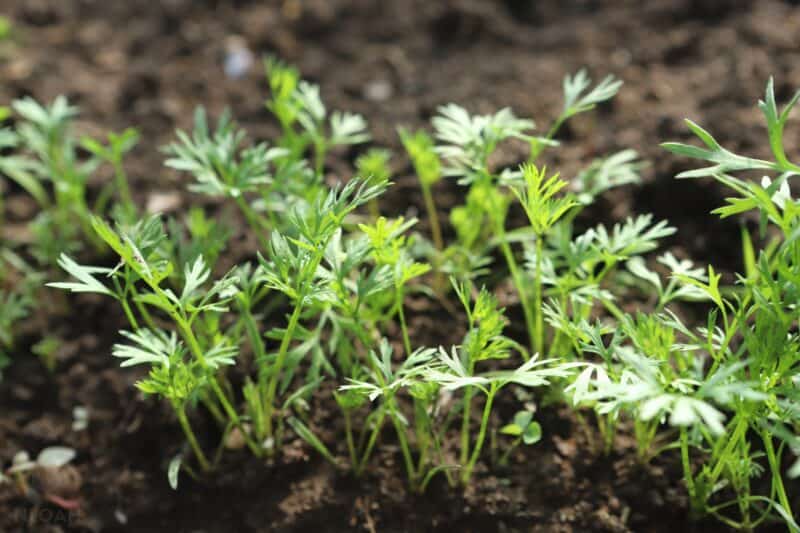
Carrots
Carrots are a surprising fall veggie for some because they’re more traditionally associated with a late spring or summertime harvest. But as iconic as they are for warm-weather gardeners, it is actually cold weather that helps carrots develop a sweet crunch.
It’s no exaggeration to say that your carrots will be easier to care for and a whole lot more productive if you wait until fall to plant them.
You can pull them up after they’re fully developed, or let them overwinter for even better flavor. If you prefer to harvest them all at once before the worst of the winter weather arrives, simply look for a fast-growing variety.
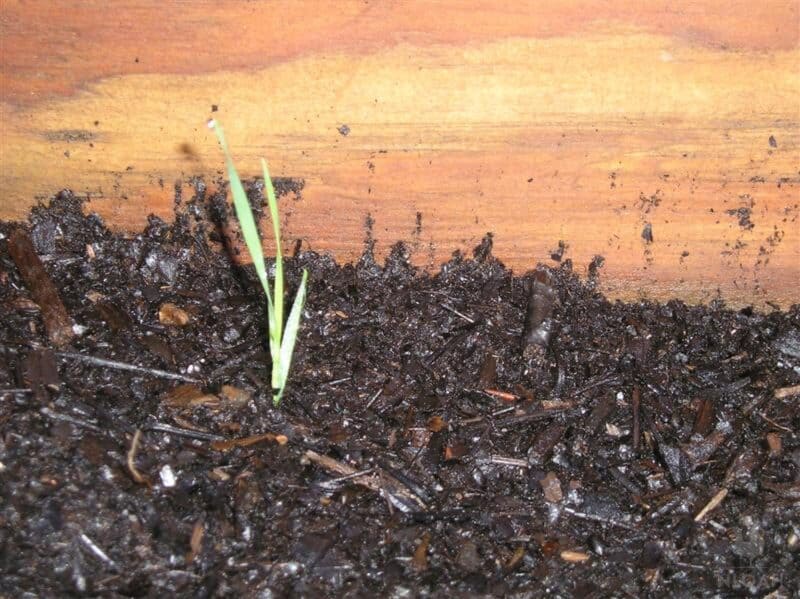
Parsnips
These pale root veggies are a close relative of carrots, and if you’ve never tried them before you’re really missing out…
They are sweet, a little savory, and have an indefinable umami flavor that is awesome in all sorts of fall dishes, from steamed veggie medleys to soups, or even mashed as a stand-in for mashed potatoes.
No surprise here, cold weather greatly improves both flavor and texture, and parsnips can withstand hellishly cold weather, well below freezing, with no problems.
If you want to let them overwinter, the tops will regrow and the roots will continue to develop in the spring.
Garlic
Garlic is one of the most well-known fall garden veggies, and certainly the most versatile in the kitchen. It can make any savory dish taste better, and it’s a staple in various kinds of cuisine around the world for a very good reason.
But to be clear, you don’t harvest garlic in the fall. You plant it in the fall for harvest in the following summer.
Garlic requires a considerable amount of time underground and in cold weather in order to develop properly with good flavor. Depending on how far south you live, you’ll need to plant it between October and December.
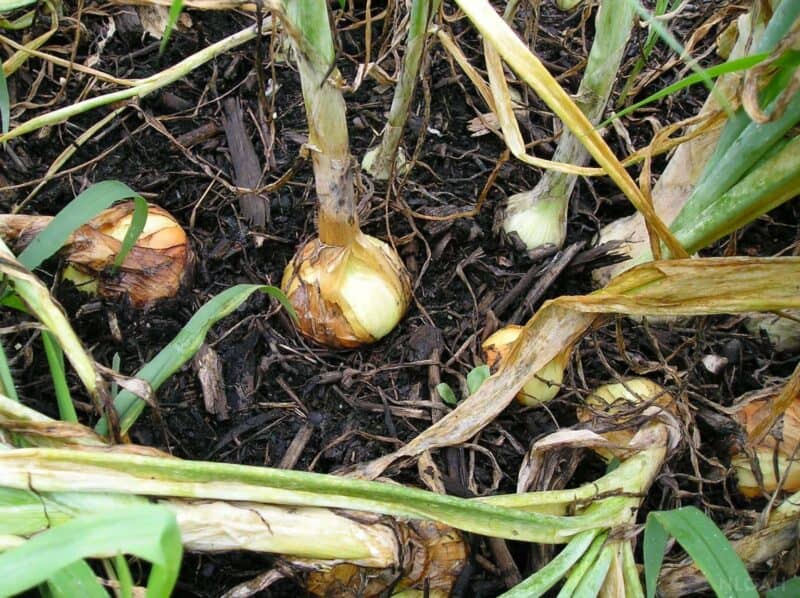
Onions
Another mainstay of any kitchen and among the most popular garden veggies, onions can make a great fall planting because they are highly resistant to cold. They can even survive well below freezing temps with no ill effects.
Larger varieties can also be covered and allowed to overwinter, and they’ll start growing again in the springtime. This is a great way to save yourself some trouble the following year, and you can always dig up onions through the winter as you need them.
Depending on the variety and your growing zone, plan on planting them no later than the middle of September; earlier if you live farther north.
Scallions
Scallions, or green onions, can be treated just like standard onion varieties as fall veggies. They endure the cold just fine, though they benefit from some ground covering in the form of straw or mulch as insulation if you want to plant them in mid-fall.
A smart technique is to plant them about an inch apart in the fall, then harvest a few of the young onions as you need them for holiday recipes; the remaining ones will develop into mature onions come springtime!
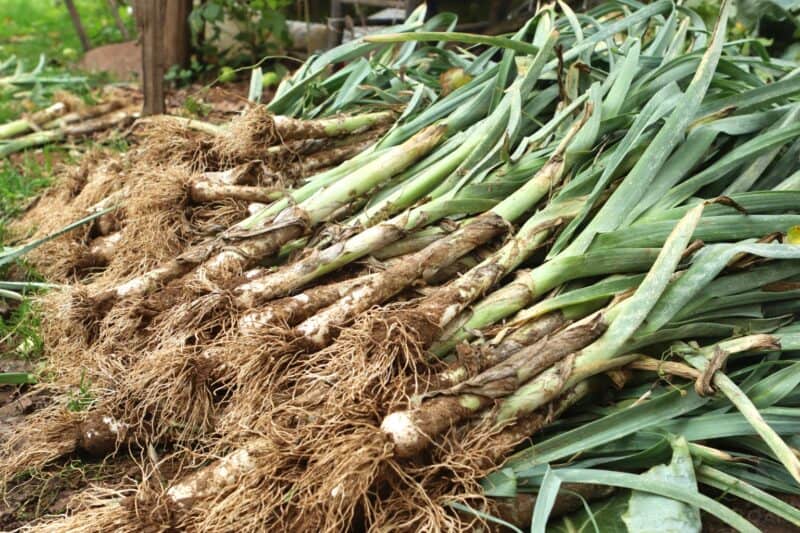
Leeks
These mild and tasty allium genus veggies can be treated very much like scallions or green onions in a fall garden.
Either start them in the fall and then insulate them so they’ll restart come spring, or dig them up early as needed throughout the end of fall and going into the beginning of winter.
A general rule is that you should start them, one way or the other, no later than the end of the second week of September. Just make it a point to keep soil pushed up around the base of the plants as they grow…
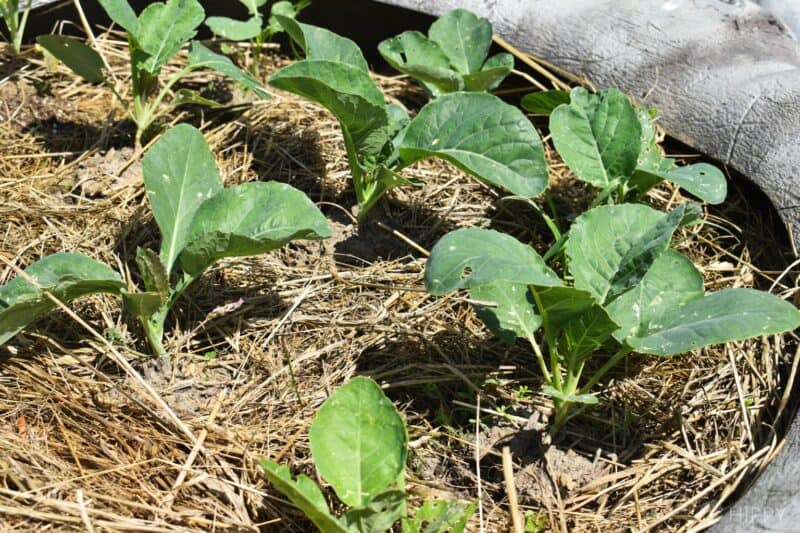
Cauliflower
Cauliflower is the perfect fall vegetable because there’re so many fall dishes that are perfectly complemented by it!
However, cauliflower grows best and quickest when temps are around 50° Fahrenheit (10° Celsius) or a little warmer. As long as it’s properly established, though, before the cooler weather arrives, it will do fine…
Once again, if you want a big and beautiful fall harvest, timing your planting is a must. As a rule, the warmer the zone, the later you can plant it.
If you live in zones 7 through 11, you can plant it as late as September. If you live in zones cooler than that, plant it earlier, and in the coldest zones, down to zone 2, consider starting it indoors in the summertime for later transplanting after it has matured somewhat.

Broccoli
Another brassica family veggie like cauliflower, and often prepared right alongside it, broccoli can be a great fall veggie because it is significantly more tolerable of cooler weather compared to its cousin.
Though it’s similarly slow to mature, you can take a little more time when getting your broccoli in the ground. Two months prior to the first expected frost is usually more than enough time to let it get established.
But if you live in the more northern latitudes, once again, you might consider starting your seeds indoors in the summertime to give the plants a head start on the colder temps.
Spinach
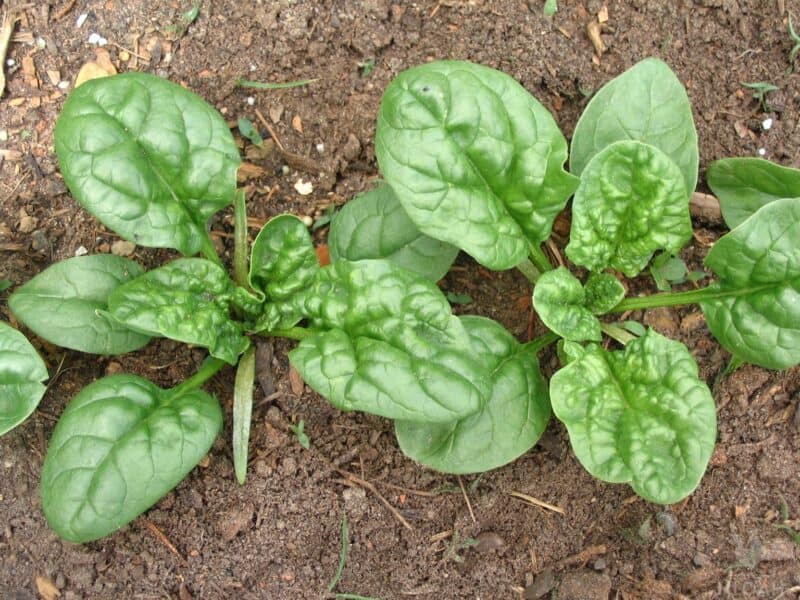
One of the most popular, nutritious, and protein-packed leafy vegetables around, spinach might have taken a back seat these days to more exotic leafy veggies, but it’s still a phenomenally good choice for cold-weather planting.
It will develop better flavor, take up more nutrients, and also prove to be more bolt-resistant, making it easier to care for when the weather is cooler.
Plus, many varieties are still quick-growing, and you always have the option of picking leaves sparingly when needed and leaving the rest of the plant to keep on going. Most varieties will thrive if you wait till the end of summer to plant them.
Kale
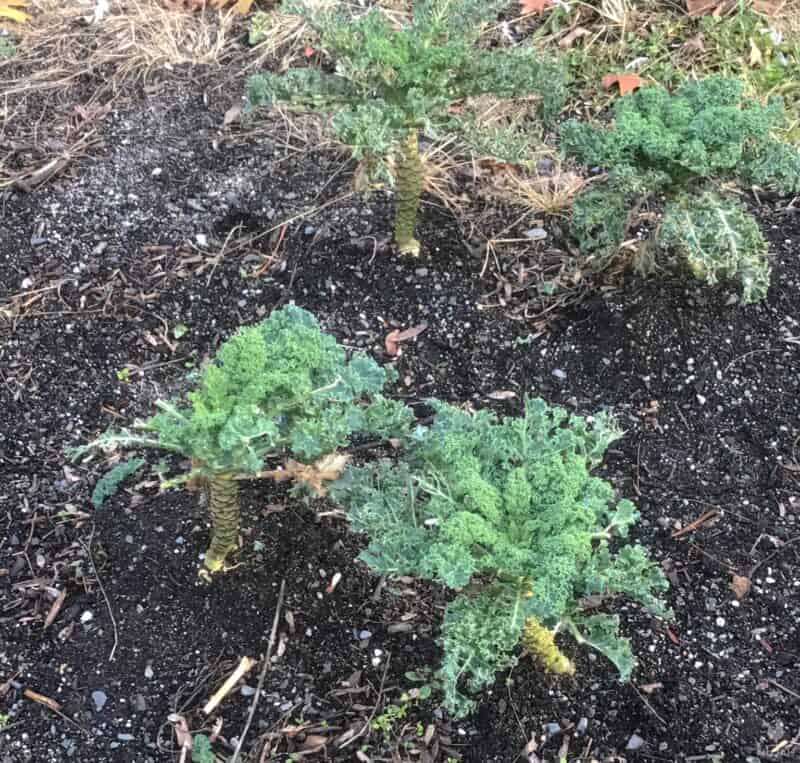
It’s hard to think of a more popular superfood veggie these past 10 years than kale. Like spinach, it is jam-packed with vitamins and nutrients and also like that leafy garden veggie kale thrives in cooler weather.
Lower temperatures mean sweeter leaves, and the reverse is also true: plant your kale when it’s too warm, and it will turn bitter and skunky.
Most kale varieties are absolutely comfortable and hardy well, well below freezing, with some doing just fine at -5°F / -20°C.
Nonetheless, you can’t plant it during blistering cold: start it at the very beginning of fall, or at least a month and a half before your first anticipated frost. Just like spinach, you can pick the outer leaves as you need them and it will keep producing.
Lettuce
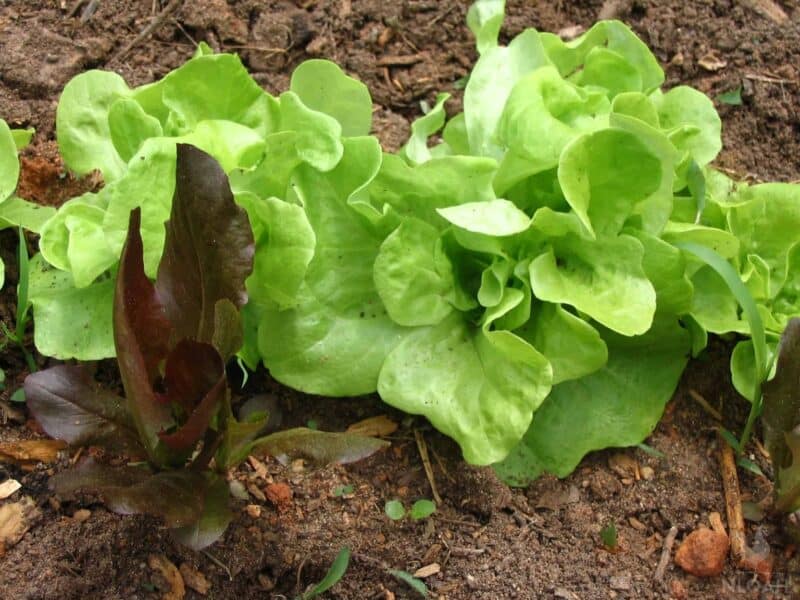
I know that so many folks naturally think of cool, crisp, refreshing salads in the heat of spring and summer, but lettuce is actually a veggie that likes cooler weather! If you’ve ever struggled with keeping your lettuce cultivars from bolting, now you know why!
Cool temperatures produce heads of lettuce that have crisp, deeply lobed leaves and superior flavor. They also grow quickly enough that in most zones starting them from seed during the last couple of weeks of summer is entirely viable.
The trick is to make sure the soil is still warm enough to enable germination. Like spinach and other leafy greens, you can harvest as needed as long as you take only the outer leaves.
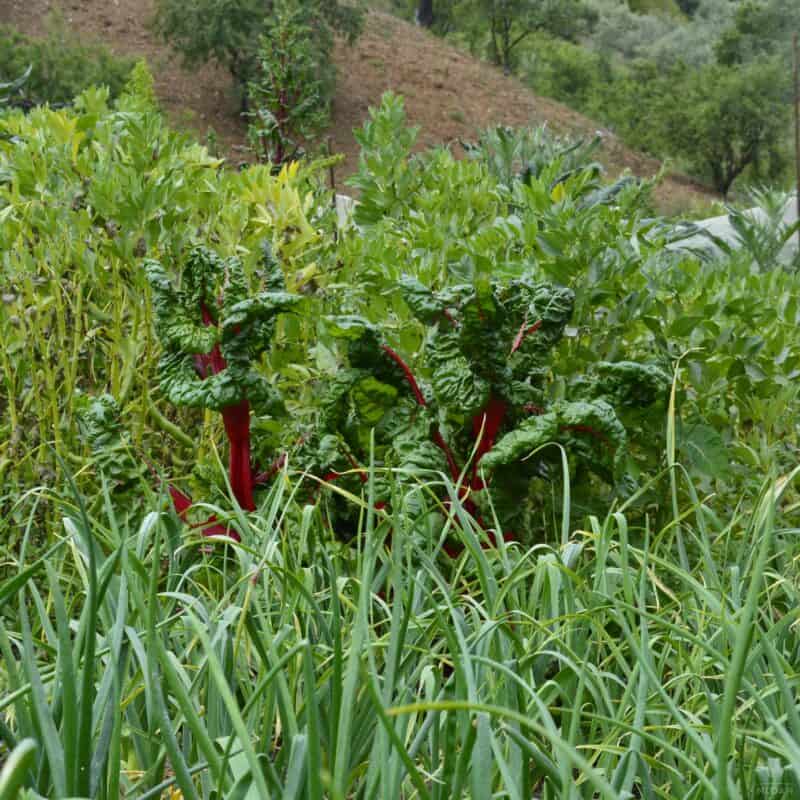
Swiss Chard
This bold and colorful leafy veggie is adaptable enough to be grown all year round, but I know plenty of gardeners who still don’t know it thrives in cooler weather.
And much like spinach, it’s also delicious and convenient thanks to abundant baby varieties that can be harvested in just a few weeks.
If you want a knockout harvest in the fall, start your chard indoors from seed and then transplant them outside when things cool off at the very end of summer or the first week of fall. If you are sticking with a standard variety, they’ll be ready to bring in by mid-October.
Brussels Sprouts
Love them or hate them, there’s no denying how nutritious brussels sprouts are, or how perfect they are for a fall veggie garden.
In cooler weather, they often sprout in tremendous density, and as with most brassica veggies, cooler temps greatly improve both flavor and texture. Even better, brussels sprouts are particularly resistant to frost and harsh cold.
The only trick is making sure they get plenty of sunlight as the days start to grow shorter and, often, the weather starts to get a little cloudier.
Brussels sprouts are also heavy feeders, so make sure your soil levels are where they need to be, or treat them with a little bit of fertilizer when you seed them during the last month of summer.
Bok Choy
Another entry on our list, another brassica veggie. This one thrives particularly well in cooler fall weather, and most varieties grow quite quickly and are ready to harvest in around 6 weeks.
Some folks try to grow bok choy in the spring and summer, but the warmer weather makes it much more prone to bolting and also brings out many more insect pests that will devastate it.
Whatever zone you live in, plant it at least one month before the first expected frost and you will be good to go.
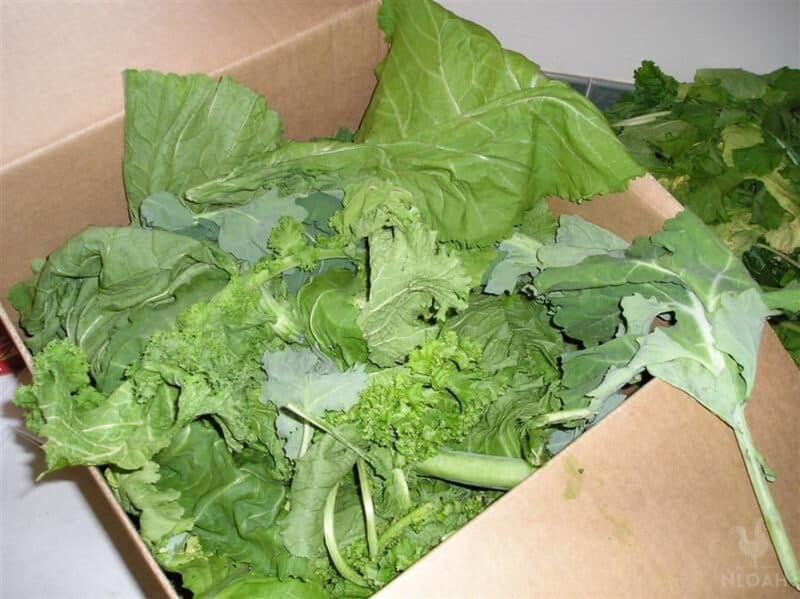
Collard Greens
As far as I’m concerned, you can’t have a proper fried chicken or turkey dinner without collard greens.
If you’ve been paying attention to the other leafy veggie candidates on our list, you’ve likely already assumed that collard greens thrive in cooler temperatures and their quality likewise benefits. You are right on both counts!
Collard greens do, though, take a little while to mature, though they can be harvested while still young. In any case, you’ll want to plant them no later than mid-July if starting them from seed so you can harvest them later on in the fall.
Leaves can be harvested continuously once they are a little less than a foot in length. Don’t be surprised if pickings from later on in the fall taste even better due to the falling temperatures!
Arugula
My personal favorite lettuce also happens to be one of your very best options come fall.
Compared to some of the other salad veggies on our list, arugula is surprisingly vulnerable to frost, but that is only an academic concern if you plant it at the right time: it’s ready to harvest in just six to seven weeks.
Plant it no later than 8 weeks ahead of the first frost in fall, or 10 weeks if you want a little extra insurance. If you misjudge the timing or if the weather shifts, throw a covering over your plants to protect them and they should endure just fine.
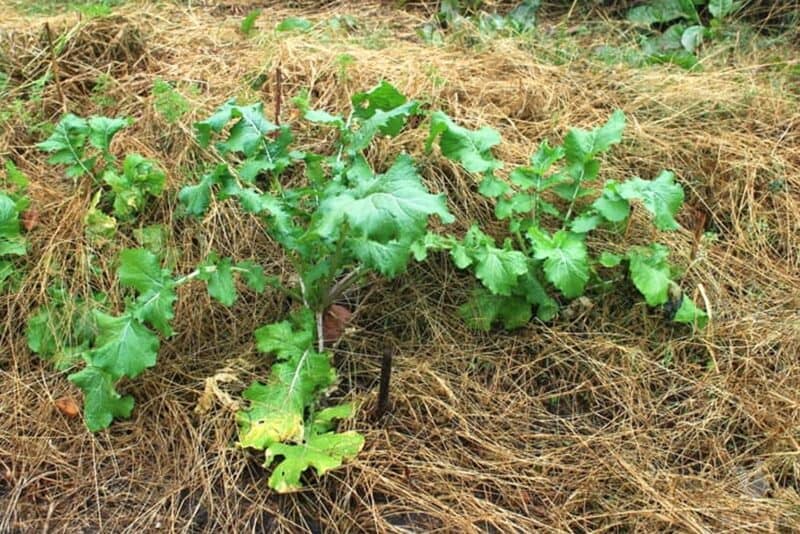
Turnips
One of the hardiest root vegetables around, turnips are delicious on their own but the greens are also edible, and both of them will thrive in cooler weather.
Since they mature, at the latest, around 2 months, you won’t be waiting until it’s brutally cold to bring them in. Some varieties, so-called salad turnips, can mature in just five weeks.
In any case, all types are sweetened and made more tender by cold weather. Plant at the beginning of fall and you’ll be ready to enjoy the tastiest turnips you’ve ever tried well before winter arrives.
Just remember to cut off the greens and store them separately after harvesting to prevent rot. Or, you can leave them in the ground until you’re ready to harvest.
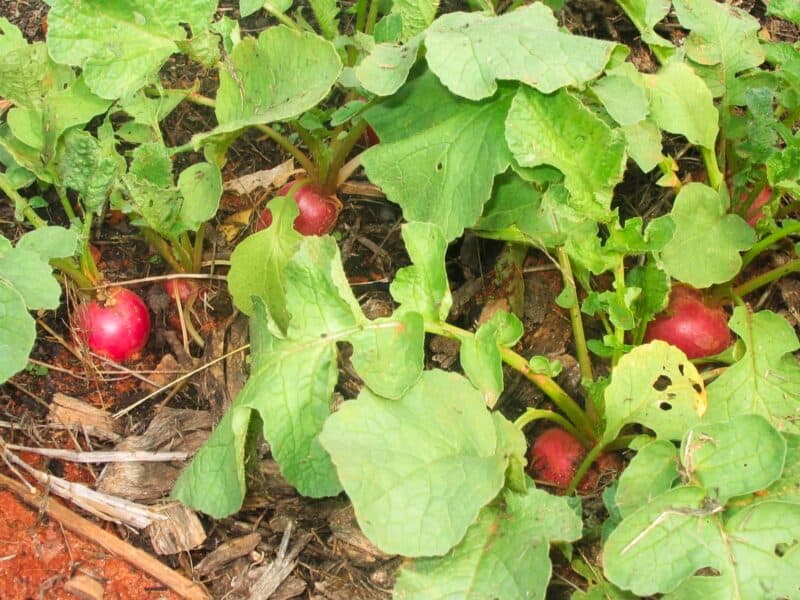
Radishes
I know some seasoned gardeners are going to be furling an eyebrow seeing radishes on this list. After all, they don’t do particularly well in cold weather and they aren’t that frost resistant. So what gives?
Well, radishes are an entirely viable fall vegetable because they grow so quickly! Some are ready to harvest in just a month, and most don’t take any longer than 6 weeks.
As long as you get them planted when the temps are still above 40°F you should expect an easy and tasty harvest. Any daikon variety is especially good for fall planting.
Beets
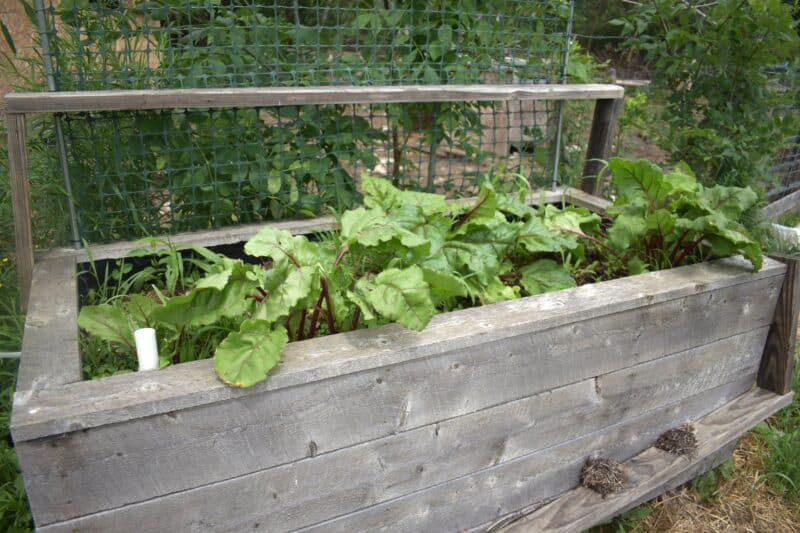
Beets are one of the easiest and most adaptable garden veggies because they can thrive in warm or cool weather.
They endure frost quite well, and with a little bit of insulation in the form of row covers or heavy mulch, they can withstand multiple light freezes. Cold weather will also notably sweeten the roots and the greens.
A hard freeze, though, might damage them. Accordingly, don’t get down to the wire before you get them in the ground: plant them no later than 2 1/2 months before the first expected hard freeze.
Another great thing about beets is their long shelf life; stored in a cool root cellar or in your refrigerator they can last up to 6 months!
Rutabagas
Relatively rare in the United States, this super nutritious European veggie has a unique flavor and is extremely resistant to freezing.
Surprisingly resilient and otherwise easy to care for, they can make an inspired choice for a fall veggie because they have a naturally savory flavor and silky texture, perfect for pairing with other fall staples, soups, and stews.
If you live in the north, though, they will need extra time to get established before the truly brutal weather arrives. Start them about 90 days before the first expected frost. If you live farther south, plant them as summer comes to a close and you’ll be ready for an early winter harvest.
Cabbage
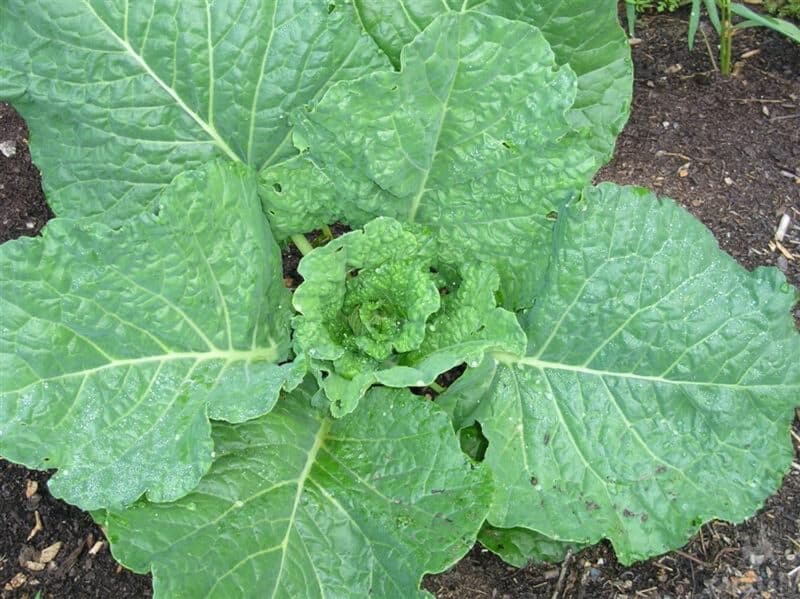
Cabbage is a veggie that most folks think of immediately when they think of fall plantings.
And with hundreds of varieties out there, each of them benefiting from improved flavor and texture in cold weather, you’ll never go back to the basic grocery store varieties after your first harvest of this fall superstar.
The key to a successful cold-weather harvest with it is to ensure that the root network is well established before the temperatures really start to plummet.
Depending on the variety, plant during the last couple of weeks of summer or the first two weeks of fall. If you live in a brutally cold area, consider a ground covering of mulch or straw for insulation.
Kohlrabi
If you know your veggies, you know that kohlrabi is yet another member of the brassica family, and like so many veggies in that group elsewhere on our list, it is a wonderful cool-weather choice.
Although full maturation of the plant takes at least 2 months, this actually works against us with this veggie: younger plants have better flavor and are a lot less tough.
A good time for harvesting after planting is anywhere from 5 to 6 weeks. This short timeline means you can comfortably wait till the end of summer before starting them from seed.
Parsley
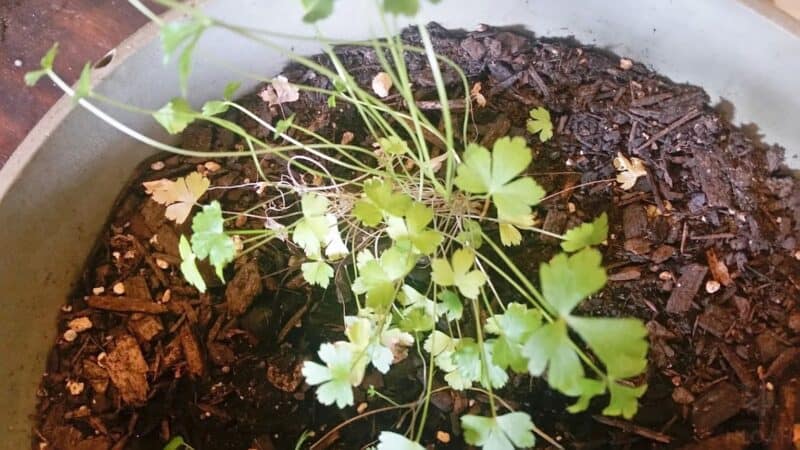
Parsley isn’t just a garnish: it is extraordinarily nutritious and it brings a bright, almost citrusy flavor to lots of different dishes.
This is another staple that actually thrives in cooler weather, and if you’ve ever been disappointed by the yield in the spring and summer, a fall planting is just what’s needed to show you what it can do.
But despite the delicate appearance, parsley is relatively slow to mature, on average taking about 10 weeks.
To help protect your parsley from the ravages of summer heat, start them indoors then transplant at the very beginning of fall if you’re in zone 7 or further south. This is one herb that can overwinter and survive in warmer latitudes, too!

Cilantro
Cilantro is inseparable from Mexican and Central American food, Tex-Mex and more, and naturally, that makes people think of warm-weather gatherings with tacos, salsa, and a cerveza.
But as hard as it might be to believe, cilantro is much like parsley in that it prefers drastically cooler weather for best performance.
Cilantro is also famously easy-to-grow, and can tolerate nearly any conditions except extreme heat which will cause it to bolt.
Plant it as summer comes to a close and you’ll be ready to harvest tons of fragrant leaves just 60 days later. Do remember to keep it moist!
Cress
If you like arugula, you’ll love cress because it has a similar peppery and slightly salty flavor.
Like other leafy greens, it’s commonly associated with spring and summer since it is ideally suited for salads and topping sandwiches, but because it’s on this list, you know it truly thrives in the fall.
Cress is especially good as a baby green: start your seeds when fall arrives and they are ready to pick when they are two to three inches tall.
Green Beans
Green beans are another candidate on our list that might be puzzling to some gardeners…
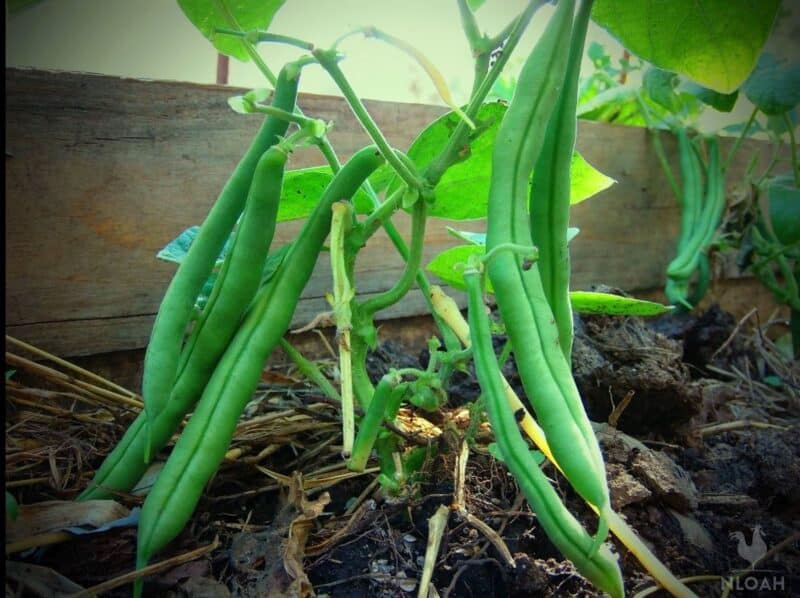
After all, don’t they have a long growing season? Won’t winter kill them well before they are mature and ready to pick? Not necessarily; that will only happen if you choose a pole variety!
Bush varieties, on the other hand, establish themselves and start producing far quicker as a rule. In just 7 weeks you might have a bumper crop ready to harvest.
But compared to the other fall candidates on our list, you’ve got to be really cautious with green beans: frost will kill them dead, so time your planting accordingly with that first anticipated frost and don’t hesitate to throw a cover over them if it arrives ahead of schedule.
Peas
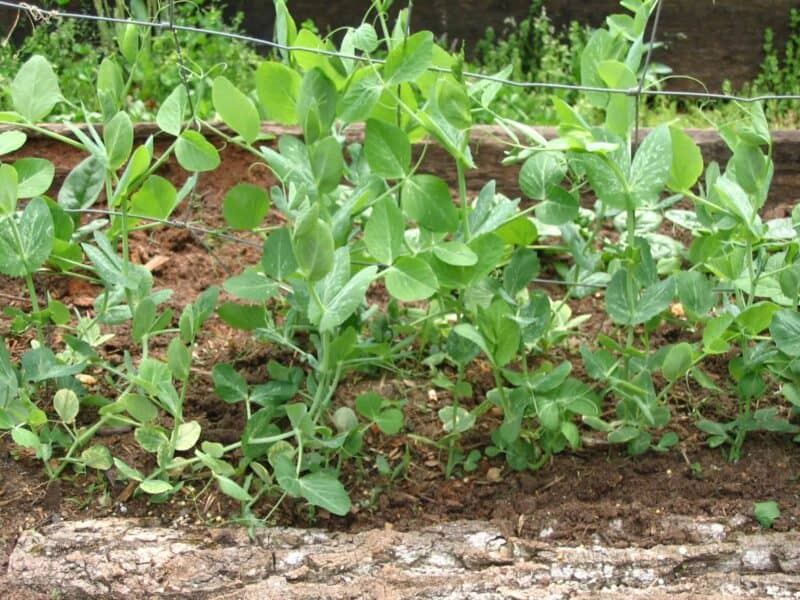
Peas and other beans sometimes get a bad rap as fall veggies because of their seeming sensitivity to cold weather.
In my view, this is actually a failure of timing; the plants do just fine in the cold as long as they are properly established before the frosty weather arrives.
Most varieties are okay at around freezing as long as you get them in the ground at least two months before the first frost arrives.
Nonetheless, don’t cut the timeline too short: hard freezes will damage them, as will repeated, significant frost events.
Get them started early enough and be ready to harvest before the onset of winter – and you’ll enjoy tender, delicious peas and pods alike.
Celery
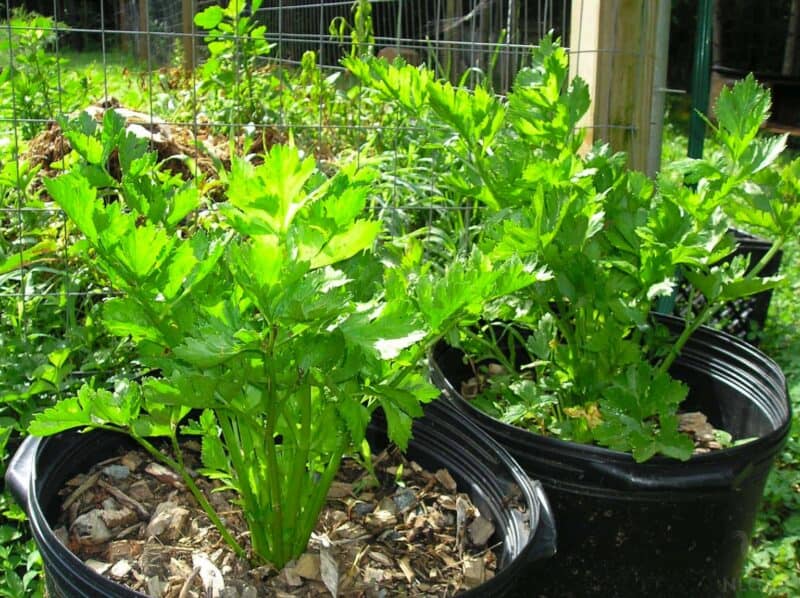
Crisp, crunchy, and refreshing celery can make for a wonderful fall treat, but seasoned gardeners know it can be tough to grow in anything but perfect conditions.
My recommendation? Skip the “hard mode” and start the celery indoors with a projected transplanting date of June or the first week of July. With a little luck, it will be ready to harvest by mid-fall.
Giving it a jump on getting established like this will make it far hardier against the approaching cold weather than it would be if you started it from seed directly.
Potatoes
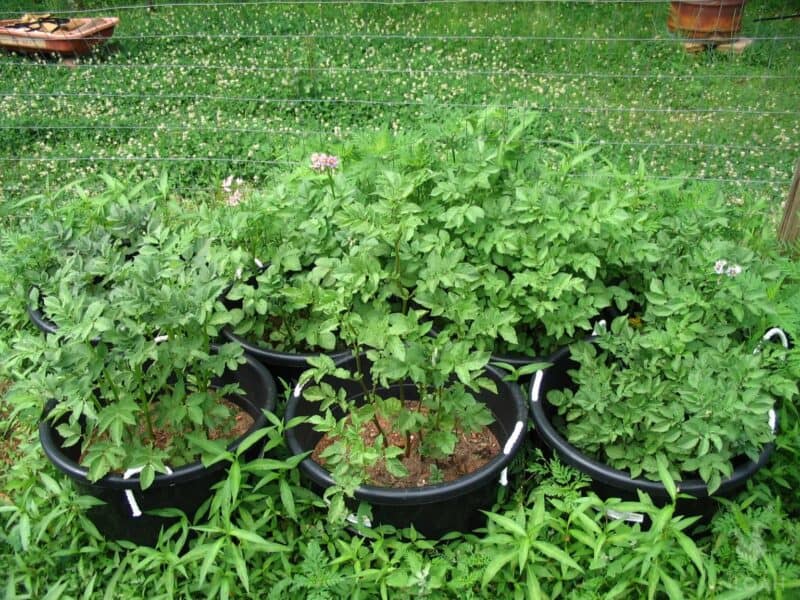
Potatoes can be maddeningly difficult to grow if you don’t understand their temperature requirements. High temperatures in the summer will hurt or kill them, but potatoes also cannot cope with frost or, way worse, a proper freeze.
Your best bet is to plant them near the end of summer or the beginning of fall if you live in a warmer latitude when temperatures start to drop below 80°F / 26°C consistently.
A quick-growing variety like Elba will ensure you are digging them up before winter truly takes hold and endangers them.
Winter Squash
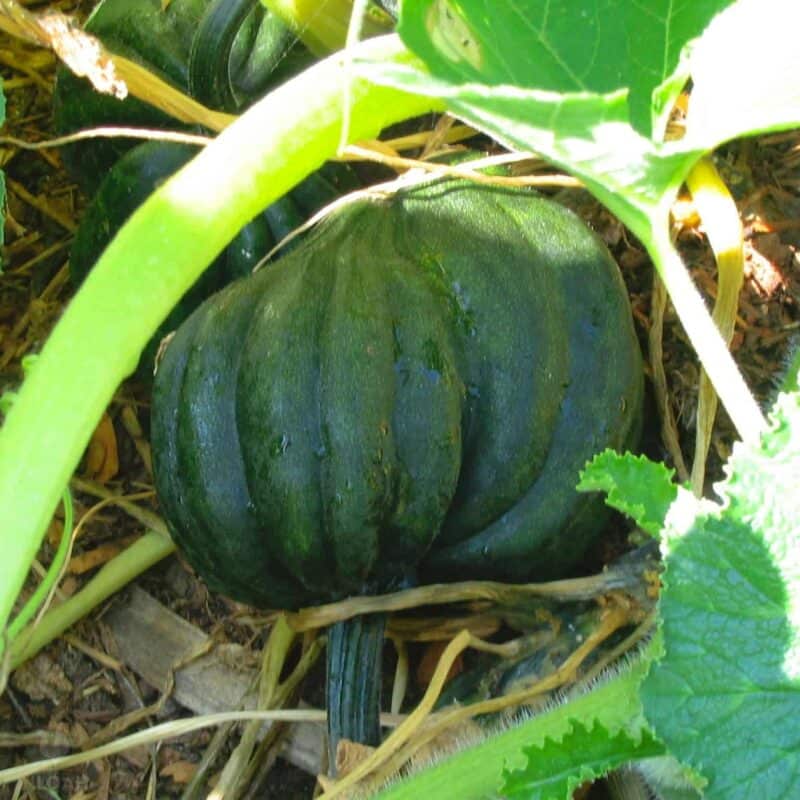
Winter squash is obviously a great fall veggie. It is in the name, after all!
However, don’t make the mistake of thinking you can plant them anytime during the fall and harvest them whenever…
Most are surprisingly vulnerable to freezing, though there are some tougher varieties out there. Light frost won’t hurt them, though.
Planting them at the very end of the warm season usually means they have plenty of time to mature, anywhere from 2 1/2 to 4 months.


Get your gift and learn things like:
- how to make this really quick pest spray
- how to prevent egg waste
- two cheap automation devices that will make your life easier
Tom has lived and worked on farms and homesteads from the Carolinas to Kentucky and beyond. He is passionate about helping people prepare for tough times by embracing lifestyles of self-sufficiency.