
Part of keeping poultry is learning how to deal with problems. Some of those concern the health of the birds themselves. Considering our chickens, we’re fortunate that most breeds tend to be quite hale and hardy, but even these tough birds can get sick.

You should know, as a chicken owner, that there are actually many different diseases that can afflict your flock.
The good news is that it’s possible to intervene much of the time and help your birds get better, or deal with the crisis before it gets worse and maybe takes their life or spreads to the rest of them.
To help you do that, I’m bringing you a comprehensive guide on how to deal with sick chickens, and we’ll be tackling 12 of the most common chicken illnesses within. Grab your gloves and masks and let’s get a move on…
Can You Really Take Care of a Sick Chicken on Your Own?
Yes, you can. People who own livestock have been taking care of them since time immemorial, and at-home care has only improved with the advent of better record-keeping and a better understanding of various illnesses that plague our animals, including our chickens.
You don’t need to be a vet to render good, meaningful care. You just need to pay attention, know what the symptoms are, and what the correct treatment processes are in kind. You also need to know when to call in the cavalry and either summon a poultry veterinarian or rush the afflicted bird to the vet.
For some of the more serious diseases, early diagnosis and intervention are absolutely critical for preventing a bad outcome, or just for catching an outbreak and nipping it in the bud before your entire flock gets infected.
I’ll be giving you plenty of good information below, but don’t hesitate to call the pros if you feel like you are out of your death and you want to save your chicken or just spare them suffering.
Telling that Your Chicken is Sick
Every disease is different, and accordingly, every set of symptoms will be different. But among those symptoms, there will be considerable overlap. In any case, you’ll notice time and time again as we go through the list of diseases below that you’ll see the same symptoms pop up.
Treat these symptoms as the red flags they are, and if you notice any of them, or especially more than one in any particular chicken in your flock, you need to investigate right away.
Pale Combs or Wattles
These are some of the most characteristic body parts of a chicken, and they play several important roles in their lives and overall well-being.
Chickens rely on them to signal to mates and help them adjust to extreme temperatures, but for our purposes, these are highly vascular parts I can tell us at a glance if a chicken is feeling bad.
If you notice that a chicken’s combs or wattles are looking a little pale or oddly colored, that’s a surefire sign that they are definitely feeling bad. Reduced blood flow, blood oxygenation, or low blood pressure can cause waddles to look a little bit dim or even a ghastly, dull color.
Whatever the case, if you see this it’s time to start checking.
Reduced Energy, Listlessness
Even the most serene chicken tends to be pretty peppy. They move around, investigate, explore, and as always are constantly scratching looking for choice bits of food or bugs to eat. And chickens are also remarkably social, hanging out with their friends, taking dust baths, chasing each other, and more.
If you notice any one of your birds conspicuously acting like it is tired, sluggish, or reluctant to move that is an obvious warning sign assuming they aren’t sleeping or potentially alert to the presence of a predator.
If they snap out of it and go back to normal, no problem. But if this low-energy state drags on for any length of time, look closer.
Standing Awkwardly
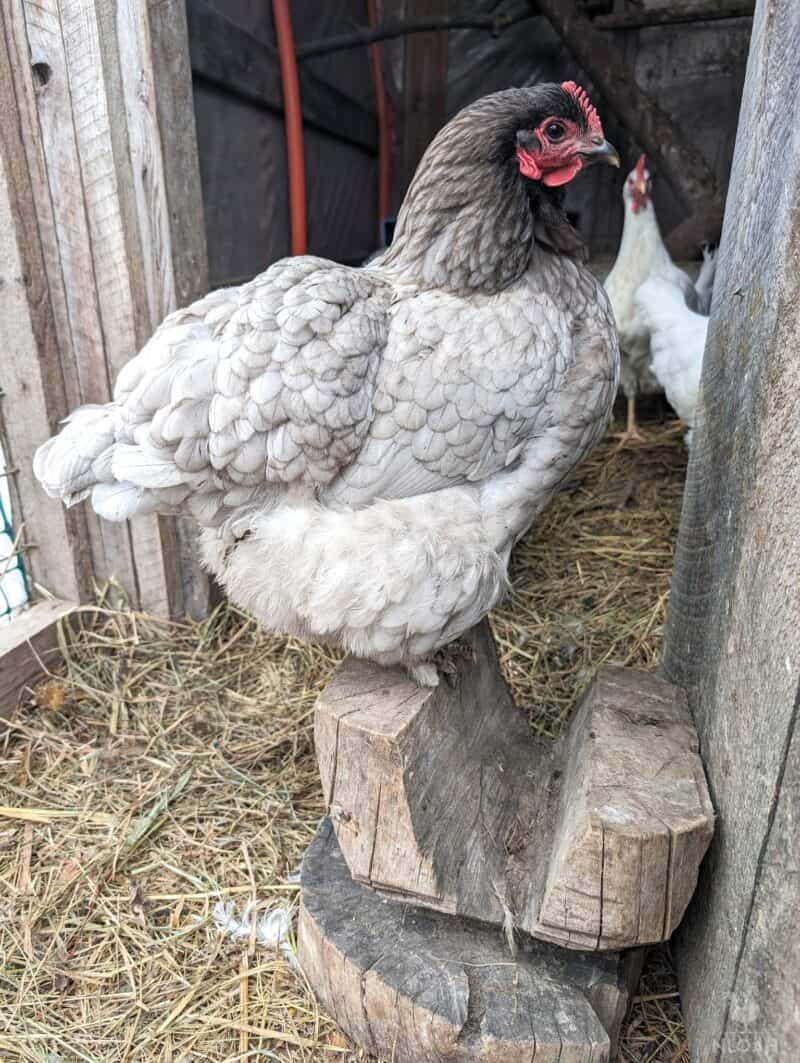
Chickens have a posture just like people and other animals do, and if you’re spending any amount of time with them and looking over them, you’ll know that they have a typical stance when they are standing upright and still. This is their comfortable, at-rest position.
Knowing what normal looks like, you should easily be able to spot when they aren’t standing comfortably.
This is often an indicator of injury or bumblefoot, as we will get into, but certain illnesses can also cause pain or irregular muscular contractions that will contort a chicken into a different position.
It can be a little scary, but if any of your birds just aren’t standing or moving right, that is a certain indicator that something is going wrong.
Reduced or Halted Egg Laying
Hens lay on a schedule when they are in their prime. Assuming they are sexually mature and it is laying season, they will lay eggs pretty much like clockwork for several years out of their life. Anything that reduces the tempo of egg laying, or causes it to halt entirely, is never a good thing.
Sadly, there are many illnesses that can cause exactly that, either using up resources that a hen’s body would otherwise need for laying, physically obstructing the movement of eggs, or causing such systemic stress that the eggs just don’t form and move through the oviduct.
All are bad, bad news. So if you notice that the flow of eggs stops in one or more hens, you are well within your rights to suspect illness.
Withdrawing from Flock and People
Again, chickens tend to be quite social. Any bird that’s keeping well away from all other chickens, or withdrawing from people that it is usually friendly with, is certainly feeling bad. Investigate at once!
Unusual Droppings
It’s gross, but true that you can tell a lot about a chicken by the state of its poop. Chicken poop should be small, uniformly sized, and generally round pellets with or without visible white streaks or crystallization in it. And outside of major dietary changes, it should be a medium or dark brown color.
Anytime your chickens have diarrhea, poop of a peculiar color, or particularly smelly bowel movements, that is a surefire symptom that something is definitely wrong.
Look into it and take immediate action, but keep in mind that simple dietary upset or in some cases, high stress can result in diarrhea. Check for other symptoms before making a determination.
Weakness
Any chickens that seem like they have difficulty standing or moving or trouble coordinating their movements are certainly suffering.
Maybe it is something as relatively innocuous as dehydration, but there are many devastating illnesses that can cause total body weakness in chickens. Always take this one seriously: your poor bird isn’t just having an “off” day!
Not Eating or Drinking Normally
Chickens eat and drink water pretty much around the clock when they’re awake. Any pronounced lack of appetite or refusal to drink water is a major warning sign and should be treated accordingly.
The Basics of Caring for Sick Birds
We’ll get into specific treatments for all of the following diseases individually, but taking care of a sick bird always entails a couple of fundamentals that you would do well to remember and implement, even if you think it is a minor issue.
Religiously following these steps will always result in better outcomes for individual chickens and for the flock as a whole.
Quarantine, Always!
I cannot stress the importance of this one enough! Quarantine, quarantine, quarantine! Sometimes the best you can do to prevent an outbreak is to head it off by removing a sick bird before it becomes contagious or before the disease has much time to spread.
This means putting the chicken in a crate well away from the other chickens or a separate building if you can. Also, sadly, healthy chickens will sometimes antagonize or hurt sick ones, so it’s best for the affected animal at any rate.
Keep the Area Calm and Quiet
Sick chickens come on no matter what they’ve come down with, or are already in a major stress position and high stress levels are only going to make things worse or, potentially, act as a comorbidity that will kill the poor thing.
Any quarantine area that you set up for sick chickens must be quiet, calm, and preferably dark to help them rest and sleep. Make sure it is temperature controlled since without their metabolism running at full blast chickens tend to get cold.
Provide Fresh, Clean Water
Freshwater is always a must for chickens and other livestock, and it is never more important than when one of them is sick. You must have a separate water source for sick birds to reduce the risk of spreading any illness.
Make sure you change out the original water immediately, using a new container or disinfecting the original one thoroughly before putting it back.
Offer Healthy Food, if They’ll Eat
Sick chickens might refuse to eat entirely, and that’s okay usually as long as they’re still drinking – at least in the short term. Nonetheless, make sure you offer them fresh, healthy, and easily digestible food.
And just like with water, don’t allow healthy and sick birds to share food, and you must remove and replace any food source that the flock was using once you discover a sick bird among them.
These “firebreak” protocols are critical for stopping outbreaks before they start, especially if you’re already on the back foot.
Prepare for Contingencies
You need to prepare for future problems when you have a sick bird or bird on your hands…
For starters, what will you do if their condition does not improve? Veterinary care might make the difference, so it could be worth letting them know ahead of time.
And in the case of some diseases like bird flu, you might have an obligation to let local or state authorities know since any outbreak can turn into a legitimate epidemic.
Sadly, you’ve also got to consider what you’ll do if the health of your poor bird or birds slips too far. If you don’t want them to suffer, euthanasia must be on the table.
Lastly, it’s worth considering that your sick chicken might need some time to reintegrate into the flock if they’ve been around a long time. Squabbles are not out of the question, so prepare accordingly.
The Most Common Chicken Diseases and How to Treat Them
The following diseases are some of the most common maladies that afflict chickens. Most of them are treatable, or at least the symptoms can be mitigated, with quick and proper care.
| Illness | Symptoms | Treatment |
|---|---|---|
| Avian Influenza (Bird Flu) | Respiratory distress, diarrhea, reduced egg production, swelling of the head. | No treatment. Prevention through hygiene and best practices. Infected birds should be culled. |
| Marek’s Disease | Paralysis, weight loss, tumors, pale pupils. | No cure once infected. Vaccination at a young age can help with prevention. |
| Infectious Bronchitis | Sneezing, coughing, nasal discharge, reduced egg production. | Supportive care. Vaccines available for prevention. |
| Newcastle Disease | Respiratory distress, nervous behavior, twisted necks, paralysis. | No specific treatment. Supportive care to ameliorate symptoms and vaccination for prevention. |
| Salmonellosis | Diarrhea, dehydration, weakness, loss of appetite. | Antibiotics can be used to cure, but prevention through good sanitation measures is more effective. |
| Coccidiosis | Bloody droppings, listlessness, ruffled feathers, high mortality in young birds. | Special anticoccidial medications and maintaining dry, clean ground covering, run, and property. |
| Fowl Cholera | Swollen wattles, discharge from the mouth, diarrhea, sudden death. | Antibiotics for afflicted individual birds, holistic whole-flock treatment in case of outbreaks. |
| Lice and Mite Infestation | Decreased egg production, restlessness, feather damage. | Poultry-rated parasite treatment and thorough decontamination of the coop. |
| Worm Infestations | Weight loss, dull feathers, diarrhea. | Deworming medications, either wide-spectrum or tailored to specific species of parasite. |
| Mycoplasmosis | Respiratory issues, joint swelling, lethargy. | Antibiotics can help, but birds will remain carriers for life. Good keeping and sanitation practices are crucial for prevention. |
| Infectious Laryngotracheitis (ILT) | Coughing, gasping for air, nasal discharge, reduced egg production. | Vaccinations for prevention of transmission and reduction of severity. No specific treatment indicated otherwise; supportive care recommended for good outcome. Vaccine will not render immunity. |
| Bumblefoot | Swollen, inflamed, and abscessed feet, often with a dark or black scab on the bottom. | Cleansing and disinfection of wound site. Sometimes surgical removal of infected tissue necessary with antibiotics to prevent systemic infection. Prevent with good coop sanitation and regular inspections of chickens. |
Avian Influenza (Bird Flu)
The most dreaded chicken disease of all: Avian Influenza, also known as bird flu.
This extremely contagious disease can manifest various symptoms, including respiratory distress, diarrhea, reduced egg production, and swelling of the head. Unfortunately, there is no specific treatment available to keepers for this insidious disease.
Nonetheless, your role as a responsible owner is critical in preventing the spread of this disease through proper hygiene and applying best practices like regular cleaning of the coop, isolation of all new birds before introducing them to the flock, and prompt removal of any sick birds.
If your flock gets infected, they need to be culled to prevent the disease from spreading further afield. Tragic, but that is just the way it is!
Marek’s Disease
Another common chicken illness. This viral disease can lead to severe symptoms such as paralysis, weight loss, tumors, and pale blue, irregular pupils in chickens. Once a bird is infected, there’s unfortunately no cure.
The best method for combating Marek’s disease is prevention: Vaccination at a young age can be effective in preventing this disease.
It’s important to consult with a vet for the best vaccination schedule for your flock, but don’t wait: lots of owners put off vaccination and downplay Marek’s since afflicted birds can sometimes lead long and relatively normal lives. Others are not so lucky, and die riddled with painful tumors and organ failure!
Infectious Bronchitis
Infectious Bronchitis is a disease that primarily affects the respiratory system of chickens. Symptoms include sneezing, coughing, nasal discharge, and a pronounced reduction in egg production.
While there is no definitive cure for this illness, supportive care such as maintaining a warm environment, providing clean water, and a balanced diet (if birds will eat) can help manage the symptoms and support recovery.
Vaccines are available to prevent it. Adult chickens that are otherwise healthy are likely to survive and make a full recovery.
Newcastle Disease
Newcastle disease is a systemic and sometimes fatal viral disease found in poultry. Symptoms include respiratory distress, nervous behavior, twisted necks, and paralysis.
It’s quite virulent and while rarely deadly for birds with good immunity death in acute cases is often sudden. Unfortunately, just like with Marek’s, there is no specific treatment available for Newcastle disease.
While the disease is difficult to treat once it presents symptoms, supportive care can help deal with some of the symptoms and improve the overall health of the bird.
Make sure the afflicted bird is well-hydrated, providing it a balanced diet of easily digested food, and maintaining a clean and comfortable quarantine environment. Vaccination is also an effective preventive measure against it.
Salmonellosis
Salmonellosis is another entirely common ailment in poultry, and once that can infect people via the same germ. Symptoms include hideous diarrhea, dehydration, weakness, and loss of appetite. This bacterial infection can be serious, but unlike Newcastle disease above, it can be treated with antibiotics.
However, prevention is always better than cure. Good sanitation measures, including regular cleaning of the coop and run and proper disposal of infected feces, are more effective in preventing salmonellosis.
It’s crucial to monitor your chickens closely and consult with a vet if you notice any symptoms so that treatment can be started as soon as possible.
Coccidiosis
Coccidiosis is a nasty parasitic disease that can be particularly deadly in young birds. Often asymptomatic in healthy adults, but for young or stressed birds, symptoms include bloody droppings, listlessness, ruffled feathers (unkempt appearance), and death, with high mortality rates.
Special anticoccidial medications can be used to treat this one, but prevention is key. Maintaining a dry, clean ground covering, running area, and property can help prevent the coccidia parasites from thriving and infecting.
Fowl Cholera
Fowl cholera, also known as avian cholera or avian pasteurellosis, is a highly contagious disease caused by the bacterium Pasteurella multocida.
This disease often occurs in overcrowded housing environments (coop, run, barn, etc.) and can spread quickly from contact and near contact between healthy and ill birds.
Symptoms to look out for include swollen wattles, discharge from the mouth, diarrhea, and even sudden death in severe cases. Unfortunately, once a bird is affected, the disease can progress very rapidly and outpace any hope of treatment.
But the good news is that this bacterial disease can be treated with antibiotics for individual afflicted birds. In the case of outbreaks, a holistic whole-flock treatment involving quarantine and mass medication regimens is recommended.
Monitor your flock closely for any signs of this illness and take immediate action if you notice symptoms. Do remember, prevention is always better than cure, so maintain good sanitation protocols and avoid overcrowding.
Lice and Mite Infestation
Lice and mite infestations are probably the single most common issue that can cause discomfort and stress for your chickens. These parasites, of which there are dozens and dozens of different species, can lead to decreased egg production, restlessness, and feather damage.
If left untreated, they can cause physical injury directly or from picking, plucking, and scratching and then infection, meaning serious health problems for your flock.
Thankfully, there are many proven poultry-rated parasite preventatives and treatments available that can effectively stop and eliminate these pests.
Don’t forget that it’s equally important to thoroughly decontaminate the coop at the same time to prevent reinfestation; most critters live and spawn elsewhere and then infest chickens when they can.
Make sure to regularly clean and treat the coop and surrounding areas to keep these nasty things at bay.
Worm Infestations
Parasitic worm infestations, such as roundworms and tapeworms, can adversely affect your chickens’ health in a host of ways.
Symptoms of these infestations commonly include weight loss, dull feathers, and smelly or discolored diarrhea. These parasites can cause significant organ damage if not addressed promptly.
There are deworming medications available that are easy to administer by various means that can effectively treat these infestations, and testing procedures can positively ID what parasites are in your birds.
These meds can be wide-spectrum, treating a range of different parasites, or tailored to specific species as needed.
Regular deworming is recommended as a preventive measure: it is better to assume that chickens are or will be infested at regular intervals.
As with so many other health issues on our list, maintaining good hygiene practices and performing regular checks can go a long way in preventing these creepy worm infestations.
Mycoplasmosis
Mycoplasmosis is a bacterial infection that can infect different parts of your chicken’s body, most commonly causing respiratory issues.
Other symptoms to watch out for include joint swelling, foamy or sticky discharge from the nostrils or mouth, and lethargy. The disease can have a significant impact on a flock’s health and productivity.
Treatment of mycoplasmosis often involves the use of antibiotics which can help manage the symptoms, kill the germ, and slow the disease’s progression.
Note that most birds will remain carriers for life even after treatment. This means they can still spread the bacteria to other vulnerable chickens without immunity.
As such, good housekeeping and sanitation practices are, as ever, crucial. Regularly cleaning the coop, providing a healthy, nutritious diet, and plenty of exercise will keep chickens healthy and able to resist.
Infectious Laryngotracheitis (ILT)
Infectious Laryngotracheitis, often abbreviated as ILT, is a dreaded and super-contagious respiratory disease that can cause symptoms like coughing, gasping for air, nasal discharge, and reduced egg production. Death usually occurs from an obstructed airway.
This disease can take a devastating toll on your flock’s health and productivity if not addressed promptly, and when discovered will likely result in a quarantine being placed around your property!
There is no specific treatment for ILT, but supportive care such as keeping a warm and clean environment, and providing plenty of clean water and nutritious food, can help manage the symptoms and support recovery.
Some birds will likely die, however, vaccinations can help prevent ongoing infection and reduce mortality rates.
Sadly, the current best-in-class vaccine, while worthwhile for stopping the worst of the disease, does not prevent recombination and later re-infection! You’ll simply have to stay ready to pounce when this one strikes.
Bumblefoot
Bumblefoot is a highly common chicken malady associated with physical injuries to the feet. It is really a bacterial infection caused by the Staphylococcus bacteria.
This infection results in swollen, inflamed, and abscessed feet in chickens, often with a dark or black scab on the bottom. This condition is painful for your chickens and can lead to lameness if left untreated.
The treatment typically involves cleansing and disinfection of the wound site when relatively mild. In more severe cases, surgical removal of the infected tissue may be necessary, followed by a course of antibiotics to prevent a systemic infection.
Inspection and early treatment are key in managing it. Maintain good coop sanitation and conduct regular inspections of your chickens’ feet for any signs of injury or infection, and watch out for anything that could puncture their feet.
You can read about even moer chicken diseases in this separate list.


Get your gift and learn things like:
- how to make this really quick pest spray
- how to prevent egg waste
- two cheap automation devices that will make your life easier
Tom has lived and worked on farms and homesteads from the Carolinas to Kentucky and beyond. He is passionate about helping people prepare for tough times by embracing lifestyles of self-sufficiency.