
You’re smart to preserve as much food as you can, however you can. Preventing waste is an ethical consideration and also saves you money, and homesteaders are always wise to keep plenty of food on hand — just in case!

Freezing and canning are great, of course, but you want to know something? I’ve become obsessed with my food dehydrator lately! Dehydrated foods are the perfect option for keeping at room temperature, and, done properly, dehydrated foods often have unique properties that make them convenient ingredients or extra delicious in their own right.
Best of all, you can dehydrate nearly anything with the right approach, and your machine can do some things that no other kitchen appliance can. Keep reading, and I’ll tell you about 10 unconventional foods to make in your home dehydrator. Bust out your cutting board, and we’ll get started.
Homemade Fruit Roll-Ups
Hands down, these are my very favorite homemade snacks, and you can’t make them without a food dehydrator! But unlike the chewy, chemical-laden commercial options at the store, your homemade fruit roll-ups, better known to some as fruit leather, are all-natural, clean, wholesome, and healthy — and even tastier!
Fruit leather, categorically, is made with pureed fruit and sometimes other ingredients. Everything from apples and pears to peaches, berries, and even tropical fare like mangoes and pineapples can be used. Sometimes you can add other ingredients, like seeds and chocolate, to produce a real delicacy!
One of my very favorites is chocolate banana fruit leather. I warn you, though, this stuff is truly addictive!
Bouillon (Without Any Meat)
You can make bouillon in your dehydrator? You sure can! And if you can believe it, it’s even more intensely flavorful than the jarred stuff most of us have to put up with. As a bonus, it will have far fewer creepy ingredients in it, too!
As a soup base, intense seasoning for other dishes, or the basis of a wickedly good au jus, this stuff is tops and very, very easy to make: the only hard part is you’ll need patience since it can take a couple of days to fully dry. Just be sure to avoid bouillon with any meat in it ÷ for dehydration purposes, that is!
Fresh Pasta (Without Raw Eggs)
It might sound strange, at first, that you’d go through the trouble of making pasta yourself from dough at home and then turn around and dehydrate it to preserve it.
If you’re like me, fresh pasta has a very, very short shelf life — because I’m going to eat it right away! Jokes aside, making a big batch and putting some back in your pantry is the perfect way to maximize returns on your kitchen effort. As you might have guessed already, it tastes better than any of the boxes or bags full of the factory-made stuff.
Some Sauces
Another surprising and versatile use of your food dehydrator is to dehydrate sauces. If bottles and jars are eating up room in your pantry, or you’re making fresh stuff from scratch, you can go ahead and dehydrate it to minimize the storage footprint and maximize freshness.
As a rule of thumb, high-acid (with a pH of at most 4.6), plant-based, meat-free sauces can be dehydrated. This includes:
- ✅ tomato sauce
- ✅ pizza sauce
- ✅ salsa
- ✅ and many mustard-based sauces
Some of the ones to avoid dehydrating include:
- ❌ all meat sauces
- ❌ dairy sauces
- ❌ gravy
- ❌ pesto
Plus, most sauces, from tomato and other dairy-free pasta sauces to pizza sauce, barbecue sauce, and even hot sauce, reconstitute well for quick and easy use in a recipe the next time you need them.
Seasoned Cauliflower “Popcorn”
Probably the greatest thing about an at-home food dehydrator is it makes some foods possible in the first place. Truly, things that couldn’t be prepared any other way. Take cauliflower popcorn, for instance.
Cooked cauliflower is soft but fairly dense, and it has a crumbly, vaguely grainy texture that’s the last thing most people want as a snack food.
But when you run cauliflower florets through your dehydrator, they turn into crunchy, airy, crispy little nuggets that are a surprisingly good stand-in for popcorn or even potato chips!
Tossing it with salt and pepper makes it supremely satisfying, but we can go a lot farther than that; dredging the cauliflower in a seasoning mixture, cheese blend, or other flavorful ingredients puts it over the top.
It has completely replaced popcorn for movie nights at my house, and it is incredibly cheap and easy to make.
Raw Crackers
Crackers are another processed food that I simply can’t get away from. Oyster crackers, saltine crackers, Town House, Ritz, and more — with soup, chili, cheese, or by themselves, we go through a ton of them.
None of these ultra-processed crackers are good for you, though, but you won’t have to worry about that after you whip up a batch of super healthy raw crackers in your dehydrator. Plus, you won’t look back after you try one of these dense and supremely flavorful things!
Raw crackers are made with a variety of ingredients, ground together in a blender or food processor into a rough paste or doughy consistency: seeds, nuts, herbs, spices, and even veggies like tomatoes! So it”s important to check which ingredients it has, because the ones below are not safe for dehydration:
- raw wheat flour
- raw eggs
- dairy of any kind
An awesome, flavorful Italian cracker can be made with sun-dried tomatoes, ground flax, oregano, and a few other spices.
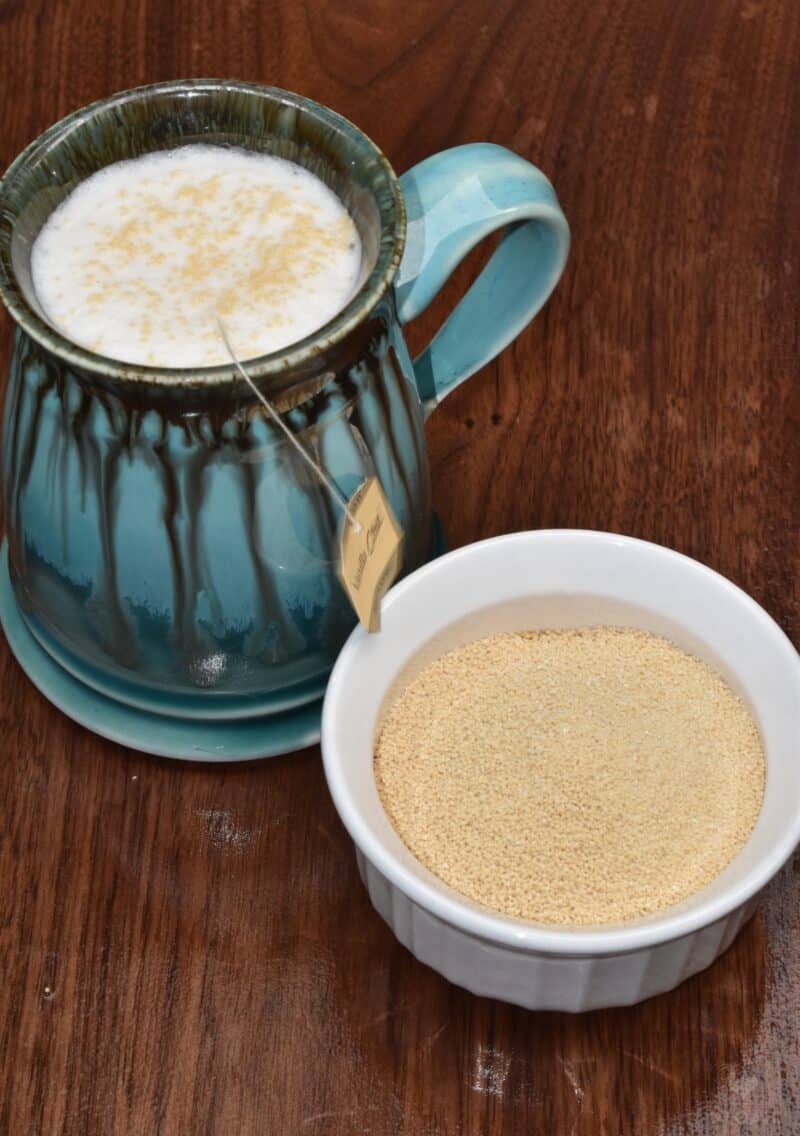
Powdered Honey
For making unforgettable desserts, sweetening tea, and countless other uses, powdered honey works wonders and, for some folks, can handily replace sugar entirely. Honey is getting expensive these days, and powdered honey even more so. But there’s a fix! That’s right; all you need is your food dehydrator to make your own!
Of course, honey already has a basically infinite shelf life, and you don”t really need to dehydrate it further… but if you want it to take it with you as part of your survival preparations, drying it make sense.
Veggie Chips
Yet another snack food replacement, but one that many owners don’t consider.
Veggie chips are just freaking good, and if you’ve only ever had the chewy, sad versions that come out of overpriced bags at the grocery, you don’t know what you’re missing out on.
Nearly any kind of vegetable can make a crispy, salty, and craveable chip, from zucchini to beets, sweet potatoes, and more. You’ve got lots of options for seasonings, too, to push the flavor in different directions.


Get your gift and learn things like:
- how to make this really quick pest spray
- how to prevent egg waste
- two cheap automation devices that will make your life easier
Tom has lived and worked on farms and homesteads from the Carolinas to Kentucky and beyond. He is passionate about helping people prepare for tough times by embracing lifestyles of self-sufficiency.