
I’m happy to report that ducks are making a big comeback in the world of poultry. Compared to chickens, many duck breeds can still be surprisingly productive in terms of egg output, and they are also much hardier, particularly in wet environments. But that doesn’t mean they don’t have issues and when they do, their problems are your problems!
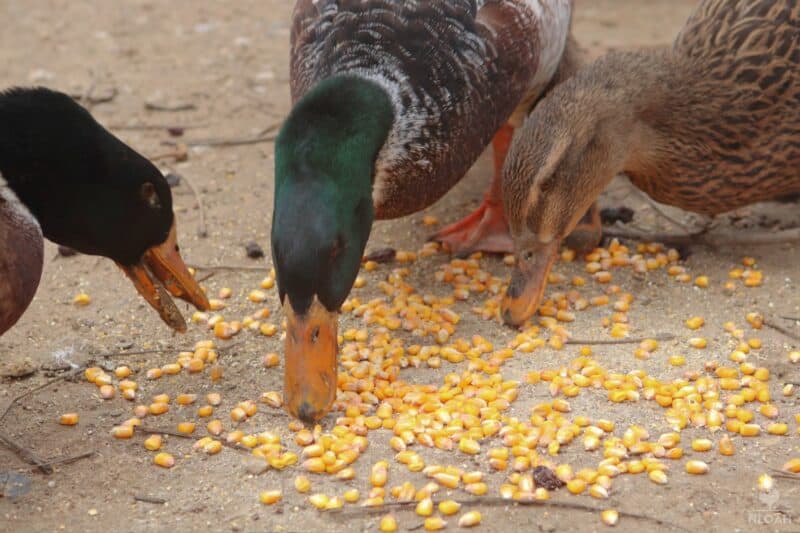
Ducks have been domesticated by humans for a long time, a very long time, and it seems like we know pretty much everything there is to know when it comes to raising them safely and keeping them healthy. That being said, everybody starts somewhere…
If you are new to keeping ducks, or you’re about to invest in your own flock, there are lots of mistakes, with some being more serious than others…
The smart thing is to learn from the mistakes that either I or other seasoned owners have made on their own journeys so you can get off to a better start. I’ll tell you what not to do down below…
Mistake #1: Not Getting Enough Ducks
There are more than a few duck owners these days who want to get ducks just as pets. And I think that’s fine for the record!
But where you can go wrong is getting only a single duck for a pet. As precious as the idea is to replace a dog or cat with a duck, ducks are actually social animals and need a few others of their own kind to stay emotionally healthy.
Depressed ducks don’t necessarily get sick, but they can become inactive and anxious – and over the long term, this could lead to chronic stress. Consider a pair to be the absolute minimum, with three to five being a better number for a small backyard flock.
Mistake #2: Skimping on Predator Protection
Because ducks tend to be significantly bigger than chickens, some people take this to mean that they are not as vulnerable to predators. Especially when it comes to larger and intimidating ducks like Pekins and Muscovies, it’s easy to think that they might fend for themselves.
This is a grave mistake. All kinds of predators eat ducks, including the usual culprits like raccoons, foxes, coyotes, dogs, and wild felines such as bobcats, but also your larger birds of prey like hawks, and owls.
You’ve got to take the usual predator protection precautions to keep your flock safe. No exceptions, or you’ll regret it, especially if you live in predator country!
Mistake #3: Letting Bedding and Food Get Wet
Ducks spend a lot of their time in the water. No duh, right? And accordingly, they get the surrounding area good and wet as well, and they make a terrible mess when they dip their food in the water to swish it around. If you’ve never owned them before, you might be underestimating how much water they track everywhere!
But just because ducks spend a lot of time in the water doesn’t mean they can put up with wet conditions on land, especially when it comes to their food and to where they sleep. Soggy bedding and waterlogged food will get moldy over time, start rotting, and then host all sorts of harmful bacteria.
Either keep it dry or change it out as needed, and be sure to keep a reasonable distance between their food and water sources.
Mistake #4: Underestimating How Long They Can Live
Compared to chickens, ducks can live a surprisingly long time, with most domestic breeds living anywhere from 8 to 12 years as a rule, with some even living to 20 years, or even longer! There is some variation for domestic breeds, though, with Pekins living around 5 to 8 years and Orpingtons between 8 and 10 years.
Honestly, I flat-out didn’t know that when I got started with them. And considering I was only keeping my birds for eggs, not slaughtering them for meat, and as a hobby, I had a long road ahead of me with my first flock.
This isn’t to discourage you, just something that you should be aware of before you commit. If you want longer-living birds, Muscovies or Indian Runners are both great choices!
Mistake #5: Not Providing Enough Food
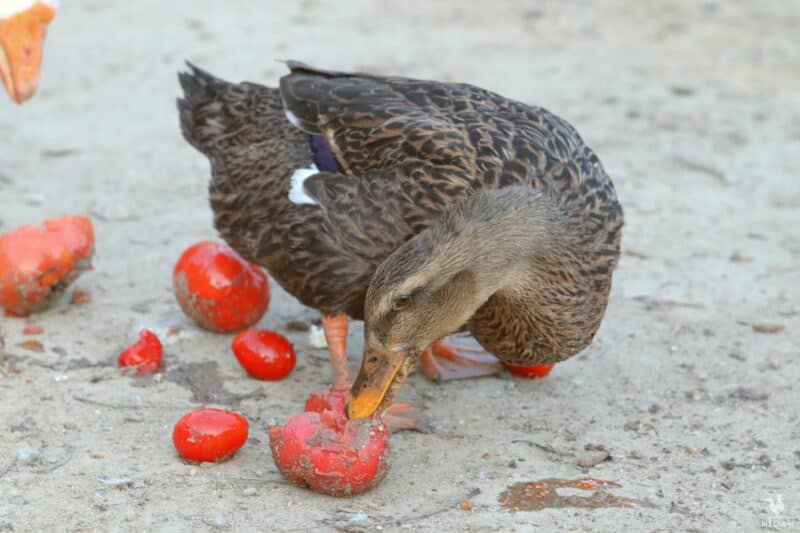
Ducks need a lot of food. That’s all there is to it. Or rather, I should say they need a lot of food compared to chickens.
As a baseline, a duck will eat anywhere from 4 to 6 ounces of food a day, and will need more food during mating season, when they are laying eggs, if they are still growing, or if they are recovering from an illness.
This varies a lot, with laying ducks easily needing more calories. Larger breeds, again, need even more food, than smaller ones, and then you have to take into account the age of the ducks, the outside temperatures, and even the energy density of the feed. Needless to say, those that aren’t getting enough essential nutrients they need will get sick!
Mistake #6: Messing Up the Sex Ratio of the Flock
With all animals, but poultry in particular, you’ve got to have the right ratio of males to females in a flock, assuming you want to do your own breeding. If there are too many males and not enough females, the boys will tear each other apart for mating rights trying to establish who’s top duck.
Likewise, females can suffer from being overbred- that is to say mated too often – because duck mating is very, very rough, bordering on violent. A good rule of thumb is to have no less than five or six hens per drake, and for some breeds like mallards, you’ll be better off with around 5 hens per drake.
There are actually some breed-specific ballpark figures that I put together (but do not these are not referenced exactly in any university extension or vet website):
| Breed | Suggested drake : hen ratio | Hens per drake |
|---|---|---|
| Khaki Campbell, Indian Runners | 1 : 6–8 | 6–8 |
| Pekin | 1 : 5–6 | 5–6 |
| Muscovy | 1 : 4–5 | 4–5 |
| Rouen | 1 : 5–6 | 5–6 |
| Aylesbury, Cayuga, Swedish | 1 : 4–6 | 4–6 |
| Welsh Harlequin | 1 : 6–8 | 6–8 |
Mistake #7: Not Vaccinating
One of the most common mistakes I see made with domestic ducks, especially small backyard flocks, is not getting them vaccinated. It’s easy to understand why, and that’s because ducks are so very healthy, especially compared to chickens.
But this is a huge error that could cost you the life of your whole flock if they get hit with something like duck plague. Talk to your vet, get all of the recommended shots for your ducks, and sleep a little easier.
Mistake #8: Ignoring Regular Checkups
Ducks are surprisingly self-sufficient, especially if they have plenty of room and good foraging opportunities along with clean water. Ducks are adaptable can much of the time, they take care of themselves, but don’t get lazy!
You need to get close to your ducks and interact with them on a regular basis, particularly to check them over for any signs of internal or external parasite infestation, injury, or other ailments that might just be getting started. These birds are pretty stoic, and they usually won’t show any signs of sickness until it’s pretty far along.
Mistake #9: Not Researching Breeds Enough
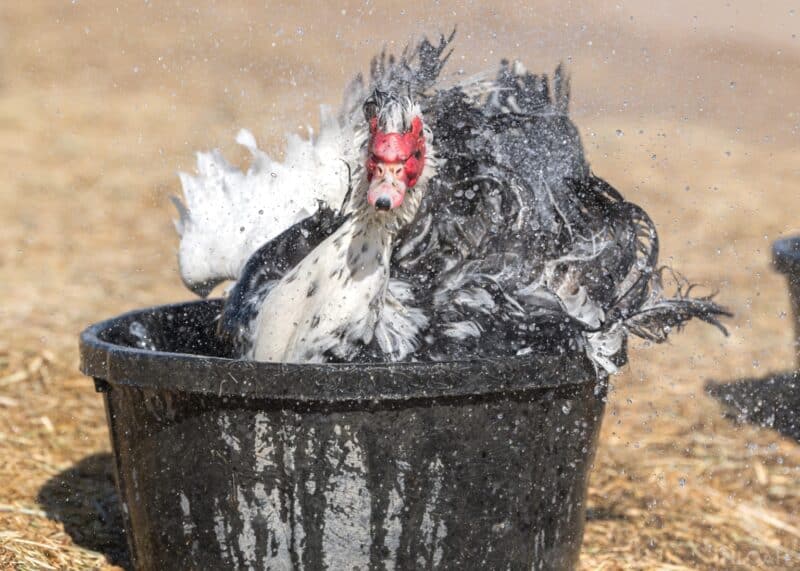
How I wish I knew just how big Muscovies got before I got them… And after them, how noisy Call ducks were. Mistakes were definitely made, reader, and lessons were learned!
Of course, now I look back on my frustration and laugh, but at the time, it was anything but funny, especially when those call ducks were screeching next to my house at all hours of the day and night.
It’s easy to get duck fever and rush home with whichever ones the hatchery or livestock supply place has on hand, but your experience keeping them will be a lot nicer, and you’ll know what to expect, if you research which breed is right for you. Thank me later.
Mistake #10: Letting Their Water Get Dirty
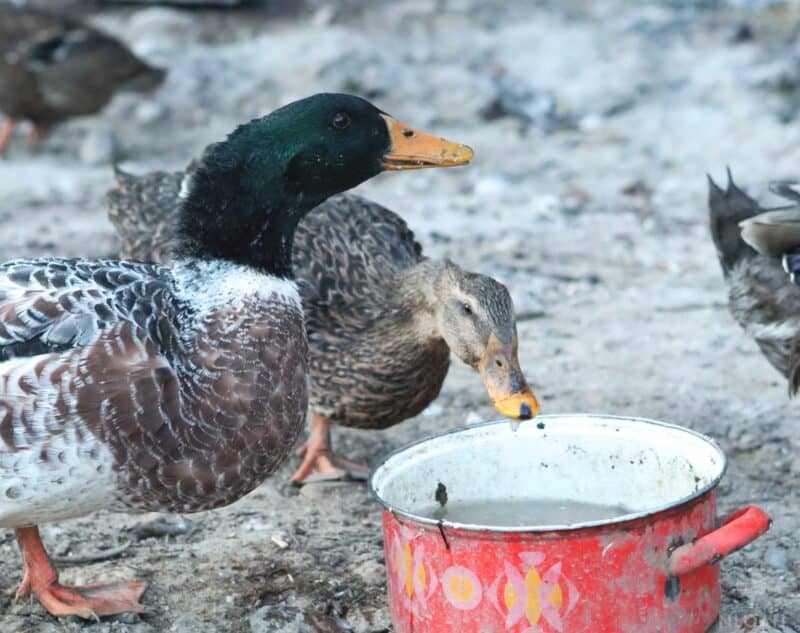
Just because wild ducks have to spend time in whatever natural water source they have available, meaning one full of filth, parasites, and germs, that doesn’t mean that our precious birds do…
The pathogens and other microorganisms in drinking water will cause a host of conditions, such as:
- Duck viral enteritis
- Fowl cholera
- Botulism
- E. coli
This a chore you’ll have to deal with on a regular basis, but make it a point to keep the water source they use for drinking, bathing, and eating clean.
Mistake #11: Leaving Their Living Space Messy
Ducks make a mess. It really is just a fact of life. I already said that they get water everywhere, but other than that, they poop constantly. If you don’t stay on top of cleaning, they will track that all over the place – and before long they are living in a real pigsty.
Feces, germs, wet, moldy bedding, and more will all combine to create truly filthy living conditions that can make your ducks ill before you know it. Things like zoonotic pathogens and exposure to their feces can even make you sick!
Needless to say, you need to stay on top of keeping everything cleaned up, mucked out, and refreshed, and expect your flock to stay happy and healthy.
Mistake #12: Not Spending Enough Time with Them
Last but certainly not least, you need to be around your ducks more than you might be thinking – and no matter how much you have going on.
This is especially vital when they are young because this is what will cause them to imprint on you, trust you, and get along with you and other people. This, in turn, will make them easier to handle, even in the case of drakes which can sometimes be a handful!

Get your gift and learn things like:
- how to make this really quick pest spray
- how to prevent egg waste
- two cheap automation devices that will make your life easier
Tom has lived and worked on farms and homesteads from the Carolinas to Kentucky and beyond. He is passionate about helping people prepare for tough times by embracing lifestyles of self-sufficiency.