
You already know, likely, that living on an active, busy homestead or a big farm is more than a job. It’s a way of life. All of those dozens of chores and tasks that people face every day must be done for the sake of animals and crops.
So what happens when a homesteader or farmer has to go away for a time? Maybe it’s an emergency, a business trip, or just a vacation. That’s easy: they hire a farm sitter. But what exactly is a farm sitter?
A farm sitter is a temporary worker, usually a contractor, which will take care of homestead and farm chores when the owner is away for a length of time. This includes taking care of animals, maintenance, repairs, and other chores.
So a farm sitter is just what it sounds like! It’s a person like a house sitter, but for a farm. You might not have any plans of leaving your homestead, or you might be in desperate need of a vacation.
In any case, knowing how to find and hire the right farm sitter will make all the difference. And if you want some extra income on the side, you might want to become one yourself!
Keep reading, and I’ll tell you everything you need to know…
How Much Do Farm Sitters Charge for Their Services?
As expected, it totally depends on their expertise, what they are doing, and how long they’ll be doing it.
A teenager or someone who’s just feeding and watering chickens or doing some other low-skill task might only charge $20 a visit. Caring for larger animals will cost more, as will harder, nastier, or longer work.
If a farm sitter is going to be milking goats, sheep, or cows, or mucking out and refreshing stalls, you’ll need to pay more per visit and likely per hour because this all requires more skill and labor.
I’d estimate that you should expect to spend anywhere from $25 to $50 an hour, plus a charge upfront for the visit.
Ultimately, assuming you’re dealing with an individual and not a referral business, all of this is negotiable.
What Farm Sitters Do
The right farm sitter can do nearly anything, but some specialize only in one or two tasks. Always be direct about exactly what you need, or might need, when talking to them, but as a rule of thumb, most seasoned sitters will be able to take care of the following:
Feeding and Watering Animals
This is the most basic task for a sitter. Our animals are almost fully dependent on us for food and water, and most will need feeding and watering at least once per day.

Milking
Any animals that produce milk generally must be milked, or else problems will arise, like mastitis.
Your cows, goats, and sheep can all be milked at the appointed times by an experienced farm sitter for the health of the animal, and the milk is either discarded or processed according to your needs.
Cleaning Up Stalls and Pens
Another constant chore on every homestead that has livestock or hobby animals. All animals generate a lot of waste, and if you don’t clean it up, it’s only a matter of time before there is a serious outbreak of disease and subsequently sick critters.
Letting waste and nasty bedding accumulate also causes pestilence, which will cause more problems. Staying on top of this is critical, and farm sitters can do it.
Giving Medications
Sometimes, your animals will need medications on a strict schedule for coping with a disease or injury. Sometimes this is just the administration of dietary vitamins and minerals.
No matter the reason, they’ve got to have this stuff even if you and your whole family are out of town. Some farm sitters are experienced enough to give medications by various means, whether it is a drench, injection, bolus, or something else.
Turnouts
Letting livestock out to free-range in a larger pen, paddock, or pasture is important for their mental health and well-being, and sometimes also for their diet if they expect to get forage.
This is another simple task that nearly any farm sitter can handle. When the time comes to put them up, they will handle that too.
Chores and Repairs
There are countless other chores and repairs that need to happen day to day on any working farm or homestead.
From mending fences and fixing gates to reshingling roofs on run-ins, seasoned farm sitters are often active or retired farmhands and good handymen. They can keep things shipshape while you are away.
Running Machinery
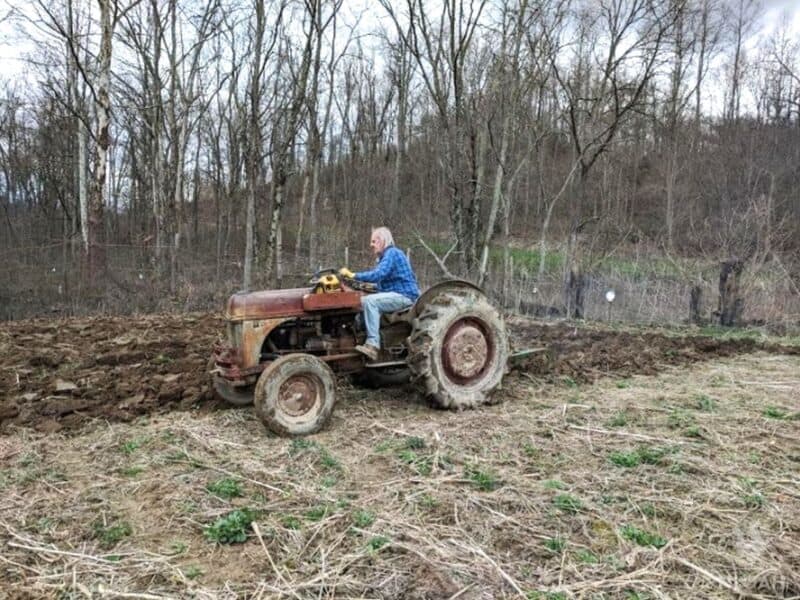
If you have a tractor, plow, baler, or any other machinery that needs to be operated on the homestead, a skilled farm sitter might be able to take care of it.
These aren’t skills that all of them possess, though, so make sure you inquire. Never assume that they can figure it out or read the manual! Get proof of competency.
Taking Care of Pets
Don’t forget that any farm sitter can take care of your dog, barn cats, or other pets!
Checking on Homes, Buildings, and Properties
Whether you’ve dealt with trespassing problems or ornery neighbors in the past, sometimes peace of mind is just having someone to check up on the place while you are gone.
Making sure fences and gates are intact and closed, doors are locked, and nobody’s been prowling around.

Finding a Farm Sitter
Often the biggest hurdle for people to overcome when hiring a farm sitter is just finding them. You don’t exactly see them advertised all over, now do you? Luckily, you shouldn’t have any trouble finding a good one with the following approaches:
Ask Around at Your Local Feed and Livestock Store
One of my favorite ways to find a reliable farm sitter is to ask around at a local feed, farm, or livestock store.
Especially in smaller towns where everybody tends to know everybody, someone will have a good recommendation for you or have even left business cards, flyers, or other advertisements for potential customers to find.
Inquire with Your Livestock Veterinarian
Another tried and true option. Talk to your livestock vet and ask if they know anyone who’s looking for work or anyone that you might inquire with.
This could even be a friends-and-family sort of recommendation, someone that they know who could use a little extra work but isn’t otherwise advertising.
Network at Farm Shows, Festivals, and Competitions
Various farm shows, be they for crops, animals, or something else, will have a high concentration of like-minded and similarly skilled people in one place.
This is a golden opportunity to network and find a sitter that you need currently or might need in the future.
Ask Fellow Homesteaders, Friends, and Family
Never neglect your personal network. Ask your homesteading friends that you know, neighbors, friends, and family for recommendations. It’s not out of the question that one of them might be able to help you directly!
If you just need someone to feed and water your chickens and let them out for a couple of hours each day before putting them back up, your neighbor or one of their children can certainly handle that with next to no experience.
Check Online Work Boards and Referral Services
Look on online work boards and referral services for farm hands, farm sitters, livestock help, and things of that nature.
You’ll usually find one or two listings that might fit the bill even if they aren’t explicitly listed as such. Don’t forget you can put up your own listing soliciting help, too!
Google It!
When all else fails, just do an online search. There are a few businesses out there that operate on a local, state, or regional level that offer different tiers of farm-sitting services. Simply googling “farm sitting in X,” with X being your city or state, will get you a few leads at least.
Vetting Your Farm Sitter
Before you hire a farm sitter, you’d be wise to vet them. At the very least, ask for referrals and contact them.
Ask around in your personal and acquaintance network to see if anyone knows them or has worked with them. Shake them down on what they’ve done on farms and homesteads like yours, and how much experience they have generally.
If they are a proper professional running an advertised business, even as a solopreneur, ask if they are bonded and insured.
This isn’t always a deal breaker, but it does give you reassurance that you’ll have recourse if something goes terribly wrong on their watch for whatever reason.
Also, ask them to tell you about contingency plans and what they will do if things go totally wrong:
- What if an animal gets away?
- What if critical infrastructure like a fence or gate is broken or inoperable?
- What happens if an animal gets seriously hurt or there’s some other serious accident involving your property?
Listen to what they say and how they act. And trust your instincts: anybody that gives you a bad vibe, in any way, should be immediately disqualified.
How Can You Become a Farm Sitter?
Becoming a farm sitter is easy if you’ve got the experience already. If you know how to handle horses, cows, and other animals, those skills are valuable to other people who will be in the position we’ve been talking about.
If you want to get experience, you can still advertise for simple chores like cleaning up and feeding or watering chickens.
If you want to do some moonlighting, let your personal network know what you are up to and have them put the word out to their other contacts. Put up a Craigslist or Facebook ad. Hang up flyers at the locations we talked about above.
If you want to make a proper business out of it, you should have professional marketing literature like business cards and flyers created, nice-looking online ads, and also obtain a surety bond and insurance so people will know you are the real deal.
These are extra expenses, yes, but real pros command better prices from people who care about certainty in outcomes. Who knows; this might turn into a major source of income for you!

Get your gift and learn things like:
- how to make this really quick pest spray
- how to prevent egg waste
- two cheap automation devices that will make your life easier
Tom has lived and worked on farms and homesteads from the Carolinas to Kentucky and beyond. He is passionate about helping people prepare for tough times by embracing lifestyles of self-sufficiency.