
One of the best things you can do for your chickens is simply to let them free-range. Letting them wander around your yard or property getting some exercise, fresh air, and of course, delicious, choice bits of food in the form of grass, seeds, bugs and more will do wonders for their health and well-being.

But it’s important to consider what free-ranging potentially does to your flock in totality. Chickens might be able to supplement their diet by free-ranging, or even get most of their nutrition if your property is bountiful, but they’ll be far more exposed to predators. This can lead to problems for them and plenty of stress for you.
However, it’s possible to mitigate the worst of the risks simply by choosing chicken breeds that are well-adapted to living a lifestyle of continual free-ranging.
Whether they are persistent and clever when it comes to finding food, or just very excellent at spotting and dodging predators, they can help keep the flock safe and make your life easier. Keep reading and I’ll tell you about a bunch of great free-ranging chicken breeds below.
Egyptian Fayoumi
The Fayoumi is another truly ancient breed on our list, one that’s been around for many, many centuries.
Although they are not nearly as productive as many of our more modern breeds, these birds tend to stay a lot closer to the template of their ancestral jungle foul brethren. They are independent, highly predator-alert, superb hunters and expert forgers.
These traits combine to make a chicken more than capable of taking care of itself with very little intervention or care from you.
As always, you still want to ensure that you provide them with adequate food and water, but if your property is particularly bountiful, you’re likely to find that Fayoumis need very little help from you.
But, as with so many other alert and anxious breeds, they can be flighty. Just the price you pay in this case!
Australorp
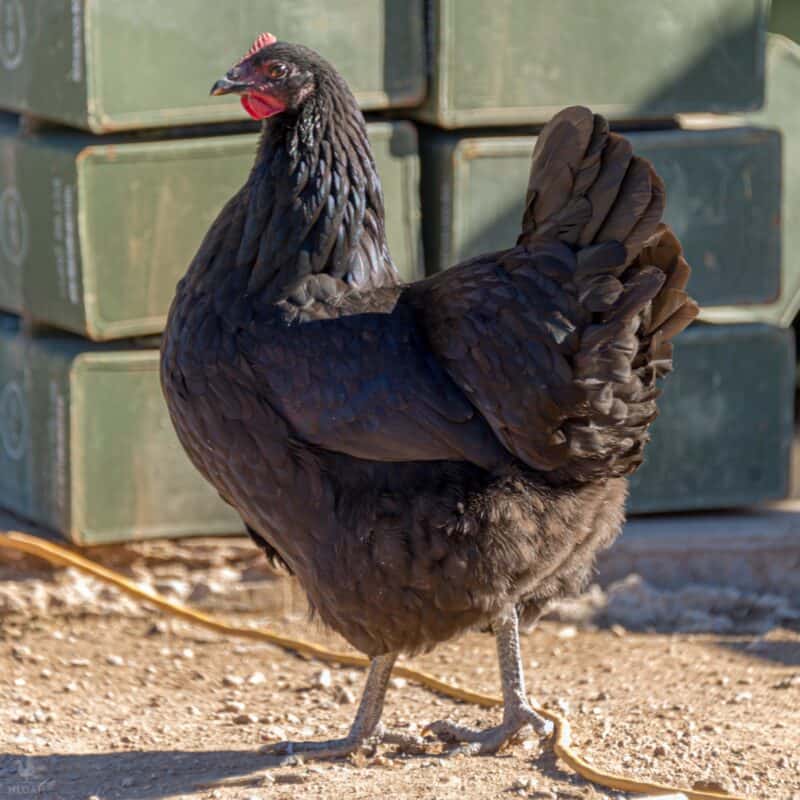
Australorps might not seem like a good choice for free-ranging at first glance, but they definitely can be, especially as part of a mixed flock. But first, the basics.
These are exceptionally good layers, with many hens routinely laying around 275 eggs yearly and some clearing 300 eggs consistently. They will definitely produce, and that’s a good thing!
But Australorps that come in their traditional black color have an added benefit: that black plumage, especially if you have several in a flock, might give birds of prey pause because they can mistake them for crows.
Crows, if you didn’t know, are sworn enemies to many birds of prey as they are known to harass and heckle them, driving them out of their territory whenever they show up. Accordingly, they might think twice if they see some black Australorps cruising around on the ground.
In any case, these birds tend to be self-sufficient foragers, and it definitely won’t hurt to put them out and let them roam around for a bit.
Wyandotte
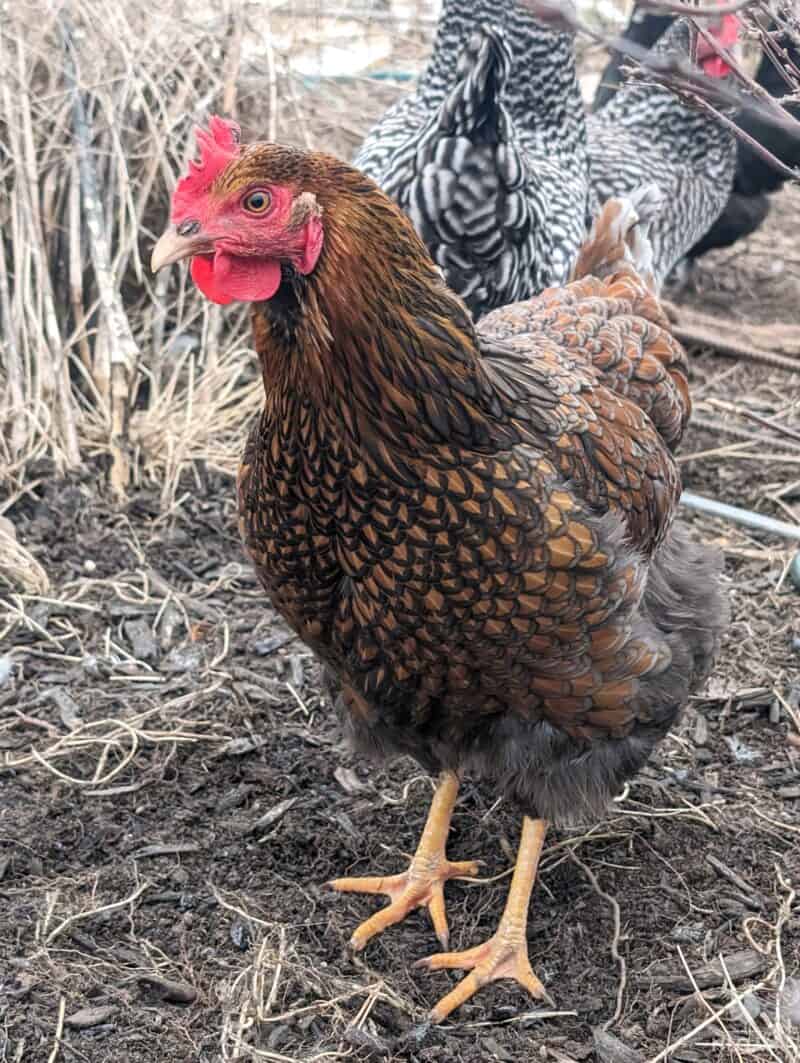
Wyandottes are a heritage breed that is friendly, highly productive, resistant to cold weather, and great at foraging. If you live in a cooler region, they are a great choice, especially in the white and black laced coloration that can give them some excellent Alpine or snowy camouflage!
Despite being friendly and bonding tightly with human owners, this is another highly intelligent breed that always seems to keep one eye open for trouble, and that means predators.
A Wyandotte rooster will do a great job of keeping watch while the flock is foraging, and he won’t be slow to sound the alarm at the first sign of trouble.
Yes, roosters might be annoying with all the racket that they raise, but their constant crowing is often an alert to the rest of the chickens that something might be a miss and they need to be ready to run.
Jersey Giant
Jersey Giants have a reputation for being gentle, well, giants.
When it comes to predators, normally, this would make them a poor choice for a bird that is suitable for free-ranging, because these docile, friendly chickens tend to lack the quick reflexes and decisiveness of ones that are higher strung.
However, Jersey Giants are so big, maxing out at around 13 pounds or a little more, that they can actually be a legitimate deterrent to birds of prey and smaller mammals. They aren’t easy to carry off, and a rampaging Jersey Giant rooster can flog the daylights out of anything smaller than it is.
Plus, they also come in all-black plumage, which can give birds of prey even more to think about when it comes to target selection; they might mistake them for large ravens! Even a handful of Giants can afford their smaller flock mates great protection.
Barred Plymouth Rock
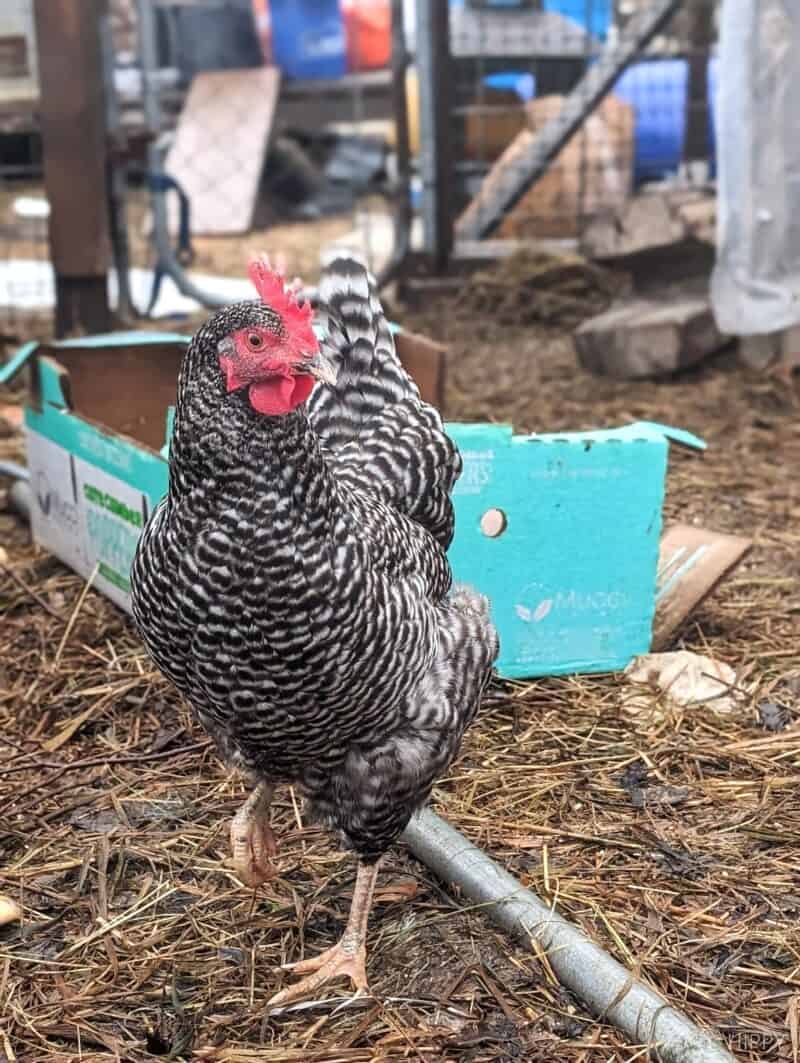
The Barred Plymouth Rock is another fantastically popular chicken in the US, and one that also has a great reputation as a dual-use breed kept for meat and eggs.
When it comes to free-ranging, they make a wonderful choice because they are self-sufficient, highly inquisitive, and more than capable of finding many different kinds of food all on their own- and they are known terrorizers of insects!
Even better, this is another breed that is particularly healthy and resistant to illness, and combined with their overall friendliness and good nature it makes them a fine choice for any small flock.
But the real advantage they have for free-ranging is that gorgeous, striped black and white plumage that acts as camo. Yes, that’s right, camouflage.
It might not seem like it to our eyes, but these stripes do help to hide these birds from predators, or at least disorient them as to the number and disposition of the flock. It works for zebras, and it works for the Barred Plymouth Rock!
Buff Orpington
Buff Orpingtons are a beloved domestic breed and with very good reason. They are extremely friendly, docile, and easy for even brand new keepers to handle and work with. These are not chickens that will give you a hard time!
When it comes to free-ranging, they tend to be a little bit more conservative than other breeds and this means they’re less likely to wander too far, get up into trees, or raise any other mischief.
They also happen to be very capable foragers, happily eating insects and small critters, seeds, and choice bits of plants.
They tended to be quite thorough in their explorations, so if you have plenty of insects and other life on your property, Buff Orpingtons will be more than happy to help themselves.
They are especially good to let free range if you have gardens or raised beds because they can wipe out many plant pests. Just make sure you protect the plants from the chickens!
Cream Legbar
Cream Legbars are a great chicken for any free-ranging flock, of any size. For starters, they are great layers and also a fairly good bird for meat, so no matter what you’re after, they have a part to play.
In regards to free-ranging, these chickens are extremely agile and tend to be quite alert. It is highly likely that they will see an attack coming from any angle and then be able to dodge, increasing survival rates except for very young, very old, or already sick or injured birds.
Considering that they are also very capable foragers and insect hunters, they can take care of themselves most of the time with just a little bit of extra help from you.
If your property is particularly rich in edible insects and life, and some choice forage, you might not need to feed them very much at all!
New Hampshire Red
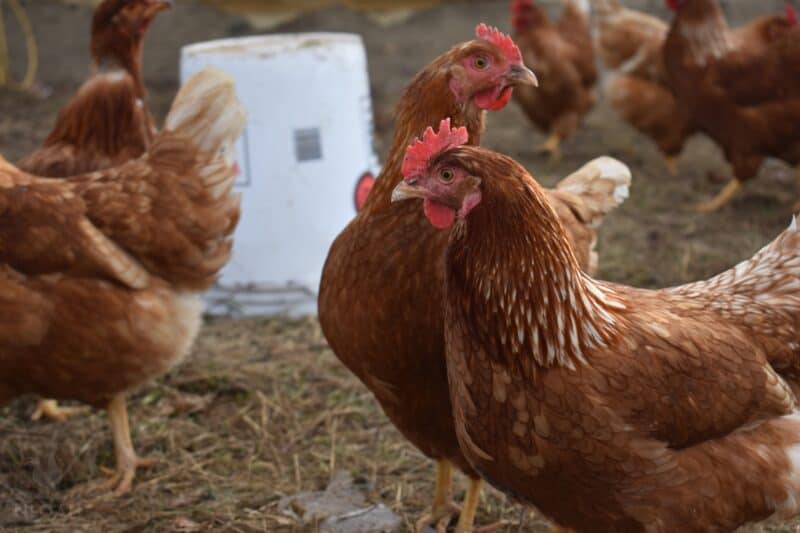
The New Hampshire Red might seem like a strange choice for a free-ranging chicken if you are already familiar with them: They are famously friendly, and quite docile. Docile to the point of seeming oblivious!
This is a fair assertion, ultimately, but if you aren’t particularly concerned with predators where you are they still have a lot to recommend for your free-ranging plans, especially in the backyard setting.
For starters, the New Hampshire Red is a really excellent and thorough forager, and they will happily eat plants and bugs both.
And, more than most other breeds I’ve got experience with, they really seem to enjoy getting plenty of exercise, thriving when they do. This breed does wonderfully when allowed to free-range!
Compared to many other breeds, you might say they are strictly average when it comes to predator awareness, evasion and defense but they aren’t pushovers either, so when you combine this with their natural hunting and foraging ability, they can do really well if you aren’t worried about most typical chicken predator species.
Dominique
One of the oldest US heritage breeds, the Dominique is arguably one of the best chickens if you intend to free-range your flock. There are superb foragers, and can find food from even the most mediocre landscapes. If there is something there to eat, they will find it and make the most of it.
They also have two unique advantages when it comes to staying safe out in nature, as it were. These birds are particularly attentive, alert, and quick to respond to any hazard or threat. This will help keep them safe from the attention of predators whether they are coming from the sky or along the ground.
Many Dominiques also have a dappled color scheme that is similar to the Barred Plymouth Rock elsewhere on this list, meaning it provides them with a measure of camouflage that can help hide them from predators or at the very least confuse them.
All in all, they are a remarkably great choice for a free-ranging flock.
Welsummer
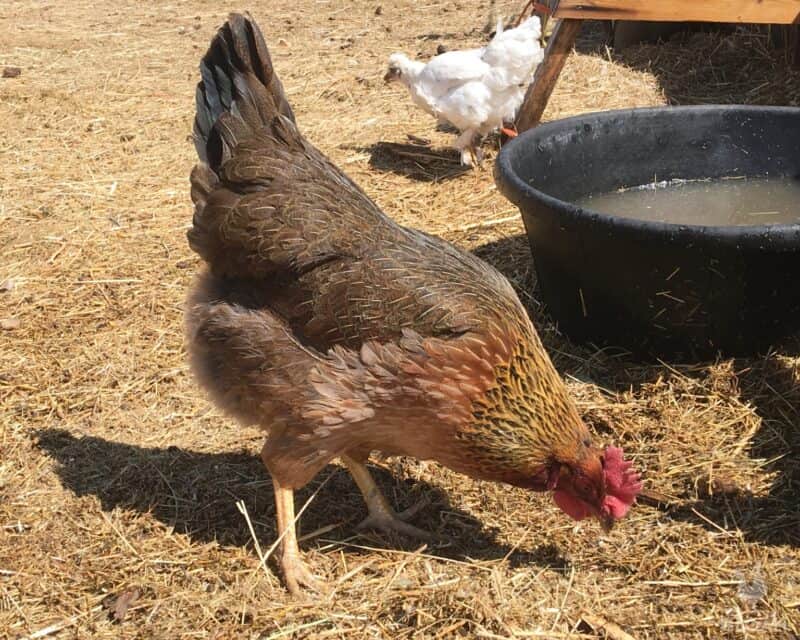
Welsummers are another breed that are good foragers, and this certainly recommends them to a life of free-ranging for their food. Despite being one of the friendlier breeds on our list, they are no less alert and tend to be flighty.
Most chicken keepers don’t want to work with breeds that are easily startled and neurotic, but remember that their hair-trigger response to potential danger is going to keep your birds alive when danger actually strikes.
Welsummers are also birds that are known for good overall health and hardiness, no matter the weather conditions. Whether you live in cold regions or areas that are broiling hot, your Welsummers will probably do fine.
However, it’s worth considering them only if you have a way to keep them within the bounds of your property.
Many chickens tend to stick close to the coop regardless of whether there is a fence or not, but I’ve never seen a more adventurous breed among yardbirds. You don’t want them to wander off!
Easter Egger
Before we dive into it, yes, I know that Easter Eggers aren’t really a breed. These are hybrid chickens, bread from any breed that lays blue eggs with one that lays brown eggs.
Resulting birds could lay any kind of eggs for the most part, and they also come in a huge variety of colors and patterns as you might expect.
But despite their reputation as the unsophisticated “mutts” of the chicken world, Easter Eggers are actually great free-ranging birds. They are quite healthy and tend to stay free of disease, and most varieties have strong foraging instincts.
You can trust them to find much of their own food and also not get sick, two qualities that are pretty much essential for success in this regard.
Also, although it is variable, many Easter Eggers that result from mixed parentage tend to be pretty bright, alert birds that aren’t easy to bag as far as predators are concerned. You won’t go wrong with Easter Eggers, especially if you’re on a budget!
Rhode Island Red
Rhode Island Reds are a popular and ubiquitous breed in America, and for good reason. They are superb layers, and as a dual-purpose bird, they can also provide you with plenty of tasty meat.
They also tend to grow quickly, meaning you’ll be getting a return from them one way or the other in short order.
Rhode Island Reds also happen to be healthy and adaptable chickens with solid foraging capabilities. This means they’ll put up with inclement weather better than most other breeds, and they will rarely struggle to find food on your property, or rather what food there is to be found.
Even better, for our purposes, Rhode Island Reds are also standoffish and fairly determined fighters, particularly roosters. They don’t put up with any nonsense!
This means that they will be quick to leap into action when a predator attacks, hopefully saving a hen and chicks. However, these are larger chickens and can be a very tempting target for mammals, so be aware of that.
Speckled Sussex
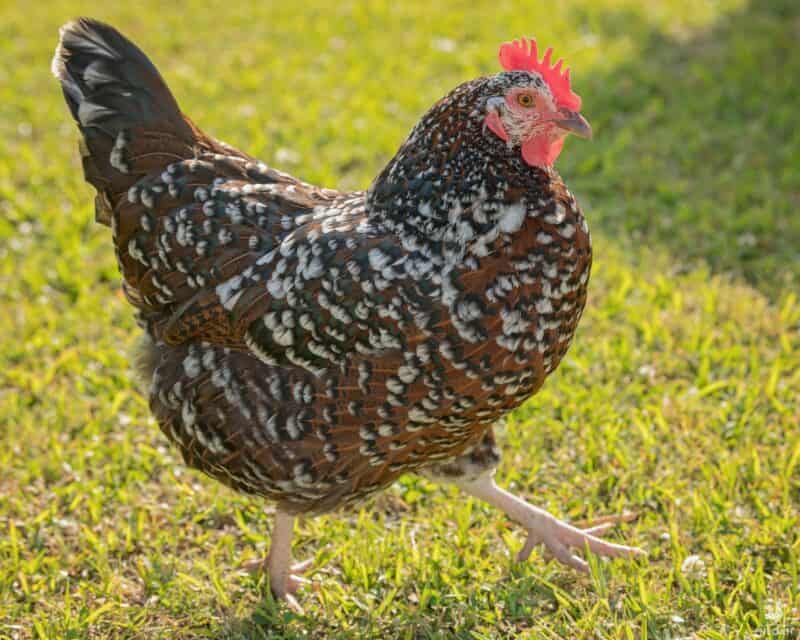
One of the oldest and most well-regarded of the ancient heritage breeds, the Sussex needs little introduction among chicken fanciers.
A dual-purpose chicken that is raised for meat and eggs, but just as likely to be kept as an ornamental bird or pet today, Sussexes have retained much of their wild instinct when it comes to scavenging for food.
They are especially likely to dig and peck in the grass, loose soil and ground cover looking for grubs, bugs, worms, and the like. You’ll rarely find any insect or worm life inside their run, and they’ll be more than happy to clear the yard in kind if you let them free range.
Sussex chickens also tend to be pretty healthy overall, and this makes them better able to resist long days outside under the open sky, even if the weather turns a little nasty.
Leghorn
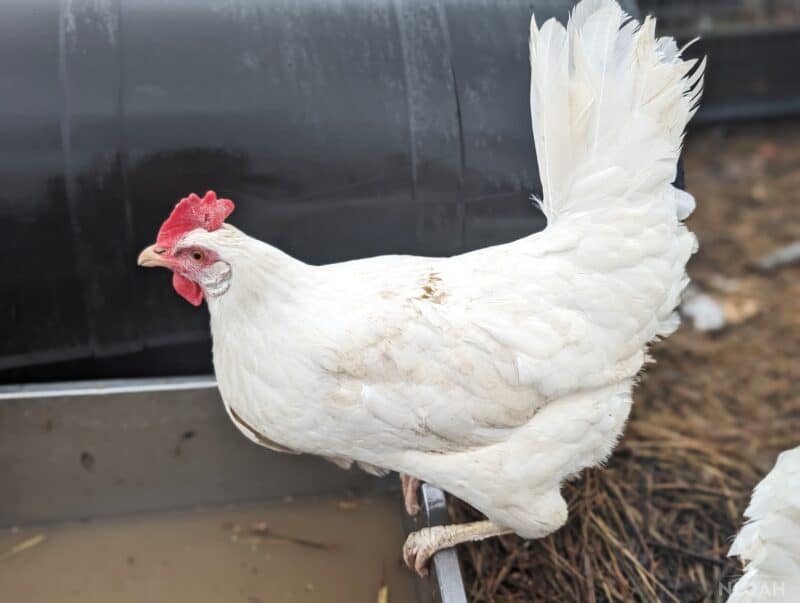
The White Leghorn might seem to be a truly counterproductive choice for a free-ranging chicken: after all, bright white plumage is a bullseye to pretty much every predator that there is! It’s true, but in a way, it doesn’t matter that much because of the other characteristics that the White Leghorn brings to the table.
These chickens are highly intelligent, very alert, and also show high levels of flock organization. They are constantly chattering with each other, and roosters are ever vigilant.
Roosters are also downright ferocious on defense, and more than capable of fending off birds of prey and other smaller predators with their impressive spurs and strength.
Plus, Leghorns are good jumpers and capable of limited flight, meaning that roosters and hens alike can likely get away from an attack or even take shelter in a tree or on top of some other convenient obstacle to buy time.
All in all, a wonderful choice if you want to free-range your chickens, so long as you think you can handle them.


Get your gift and learn things like:
- how to make this really quick pest spray
- how to prevent egg waste
- two cheap automation devices that will make your life easier
Tom has lived and worked on farms and homesteads from the Carolinas to Kentucky and beyond. He is passionate about helping people prepare for tough times by embracing lifestyles of self-sufficiency.