
If you care for your own garden, you already know that giving your plants what they need to thrive is mostly a matter of adding the right stuff to the soil. Fertilizers, soil amendments, and more will increase available nutrients, improve soil texture, and keep harmful pests away from your plants.

The downside is that these resources always cost money—sometimes big money—if you are buying them from your local garden center or nursery.
The good news is that there are ways to be both more self-sufficient and a whole lot more frugal. Some of the very best things you can use in your garden won’t cost you a dime if you are thrifty, and I’ll be telling you about 20 of the best in this article.
Whether you need to feed your plants, keep pests away, or stabilize soil moisture levels, I promise there’s something on this list that will work for you. Grab your gloves and your spade, and let’s get going.
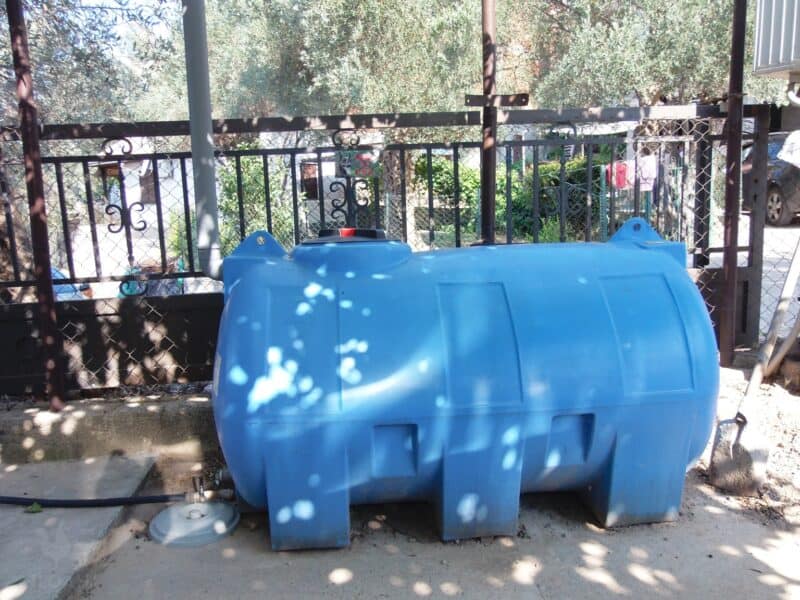
Rainwater
This first item on our list should be obvious, and I hope it’s something you’re doing already. If you aren’t, it’s a great time to start! Rainwater is always awesome to use in gardens.
Aside from being free, it is naturally quite soft and entirely free of chemicals like chlorine, fluoride, and other weird stuff that comes out of most municipal tap water, and it isn’t as heavily mineralized as the vast majority of well water.
Rainwater will help your plants absorb nutrients more efficiently, which makes for happier ornamentals, veggies, and more!
But before you install a rain barrel and diverter on your gutters, check your local and state regulations: as crazy as it sounds, some places have strict rules and requirements concerning how much rainwater you can collect and what you can use it for.
But assuming you can, you definitely should!
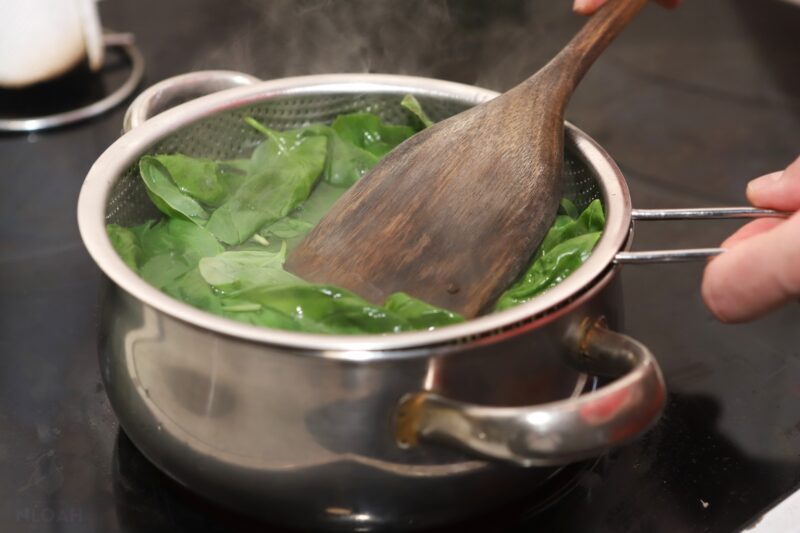
Water from Boiling Veggies
If you boil or steam veggies regularly for your meals, catch yourself before you pour out the leftover water: both boiling and steaming will leach out some vitamins and minerals from the vegetables themselves, and they will remain in the water.
Let this water cool down, then carry it out to your garden, or use it as a component in a homemade fertilizer spray to give your plants an extra boost of readily absorbed nutrients.
This is an especially great technique if you are living off-grid or in any environment or situation where water is precious: minimizing waste is always a good thing, and even better when it can help your garden thrive.
Old Aquarium Water
A slightly gross but undeniably effective way to supercharge your garden with a liquid and solid fertilizer! If you have fish, even just a few goldfish, take a couple of extra minutes to save the old water when you are changing out their tank.
This old, grubby water is invariably super rich in nitrogen and loads of beneficial bacteria that can greatly improve the constitution of the soil.
But despite being so rich with nutrients, it is quite mild and gentle on plants and is known to be a secret weapon for keeping house plants looking perky and plush. There’s one caveat though: only use water from freshwater aquariums, never saltwater!
Chopped Leaves
If you’re anything like me, your most hated and boring chore of the year can turn out to be one of the best things you ever do for your garden.
Raking up leaves on your property, then chopping them up before raking them into the soil of your garden, is an easy way to boost carbon levels and lots of different trace minerals. It also greatly improves soil structure by allowing root networks to grow more easily and boosting water retention.
This is the ideal time to use a lawnmower with a bagging attachment. Just ride over the leaves and mulch them, and then if needed, dump them out and repeat the process until they are super fine particles.
If you don’t have a mower like this or lack the attachment, you can dump the leaves into a large plastic bin and grind them up with a string trimmer.
Grass Clippings
More lawn waste that can be solid gold for your garden. Fresh grass clippings are a wonderful source of nitrogen and can be used directly as mulch or chopped up and incorporated directly into the soil.
Both approaches work well, and your grass clippings will serve as a slow and steady source of nutrients throughout the season.
The only trick is that you don’t want to put down a thick layer. A single, thin, and relatively sparse layer will prevent the grass from matting down and causing problems with mold or potentially root rot for some plants.
As with leaves, if possible, you are usually best off thoroughly mulching them before application.
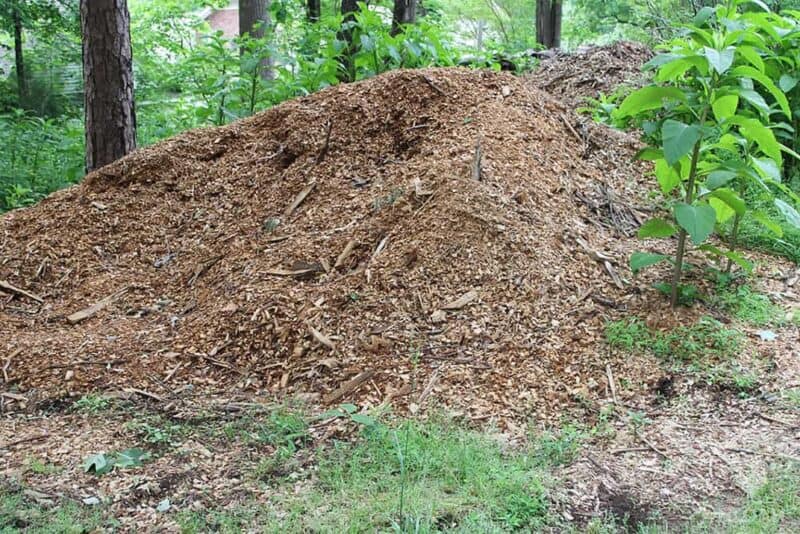
Wood Chips or Shredded Wood
Wood chips, shredded wood, and bark chips are a mulching mainstay in all kinds of gardens, raised beds, flower beds, and more. And that’s with good reason!
All can help suppress weeds, regulate soil temperature when it is too hot or too cold, and greatly improve moisture retention without causing ponding and other undesirable kinds of standing water.
And being organic, as they break down they will release carbon and other nutrients into the soil.
If you’re grinding stumps, trees, or brush on your property, save the waste for this purpose or consider calling tree trimming services and arborists in your area to see if they have any hold-off waste that you can come and collect.
Pine Needles
If the trees on your property are dropping needles instead of leaves, you aren’t out of luck. Large pine needles are often sold as pine straw and are used as mulch, but you don’t have to shell out any extra money if you can collect it yourself.
Pine needles are also acidic and so will increase the acidity of the soil as they slowly break down…
If you’re growing acid-craving plants like blueberries, this makes them picture-perfect as a go-to mulch. Compared to grass clippings, pine needles are also surprisingly resistant to being matted, which means you won’t have any issues with mold or reduced airflow.
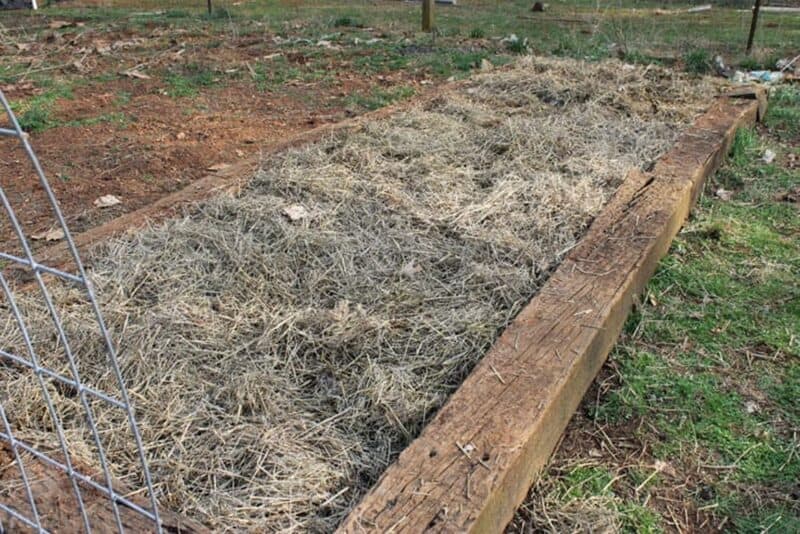
Straw
Another carbon-rich additive, if you’ve got any leftover or spent straw on your property from taking care of animals, you can put it straight to work in your garden either as mulch or, if chopped up, mixed into the soil as an amendment.
But here’s another great way to get free, clean straw: talk to folks in your area who sell or transport it and ask them if you can tidy up their barn or truck for free, so long as you get to keep the busted bales and loose straw that is invariably left over.
Consider adding straw to your garden near the end of fall so you won’t have to deal with weeds.
Eggshells
This is another old-timer’s trick that has proven itself useful in gardens time and time again.
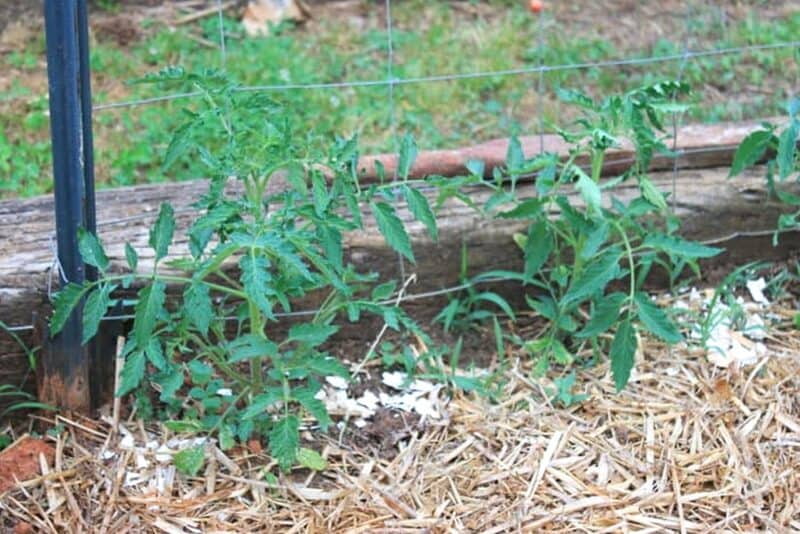
Eggshells are basically pure calcium carbonate, and that means as they decompose, they will further break down into pure calcium, a mineral that is essential for good cellular health in nearly all plants.
Simply keep all of your eggshells that are left over when you’re making breakfast or dinner, then crush them up before scattering them into the soil and gently raking them in.
You can also sprinkle eggshells at the base of vulnerable plants to keep slugs and snails from getting on them!
Coffee Grounds
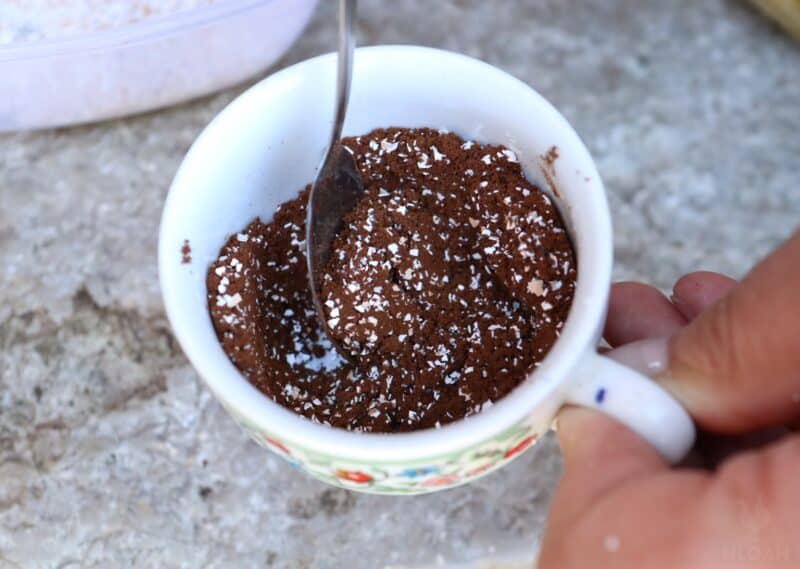
Here’s another basically free addition for your garden soil, one that has many benefits. Coffee grounds are slightly acidic, rich in nitrogen, and also possess known pest-repelling properties while simultaneously attracting certain beneficial organisms like worms.
Once you’re done brewing your cup of joe, collect those coffee grounds and thoroughly mix them into the soil throughout your garden or right at the base of your plants.
As they decompose, they will slowly release the nitrogen and will keep certain insects, snails, and slugs from hanging around.
Used Tea Leaves
If you aren’t a coffee drinker, we aren’t leaving you out in the cold; save those leftover leaves at the bottom of your teapot and either add them to your compost or scatter them directly on the soil of your garden.
The leftover tannic acid is good for your plants but gentle enough that it won’t cause any harm, even to the most delicate species.
Also, if you brew your tea in bags, check the composition of the bags themselves: if they are made out of all-natural materials that will decompose readily, you can just work the used bags right into the ground.
Banana Peels
As comical as it sounds, banana peels can be something of a secret weapon for boosting the health of your plants.
That’s because the peels themselves are quite rich in calcium, potassium, and phosphorus, all of which are elements that plants need for proper hydration and uptake of other nutrients.
You’ve got two ways to go here: banana peels can be blended into a slurry, strained, and then mixed with other ingredients to make a liquid fertilizer…
…or you can steep the peels in water before combining them with Epsom salt and calcium carbonate for an easy-to-use spray. Whichever route you go with, don’t throw them out!
Cardboard
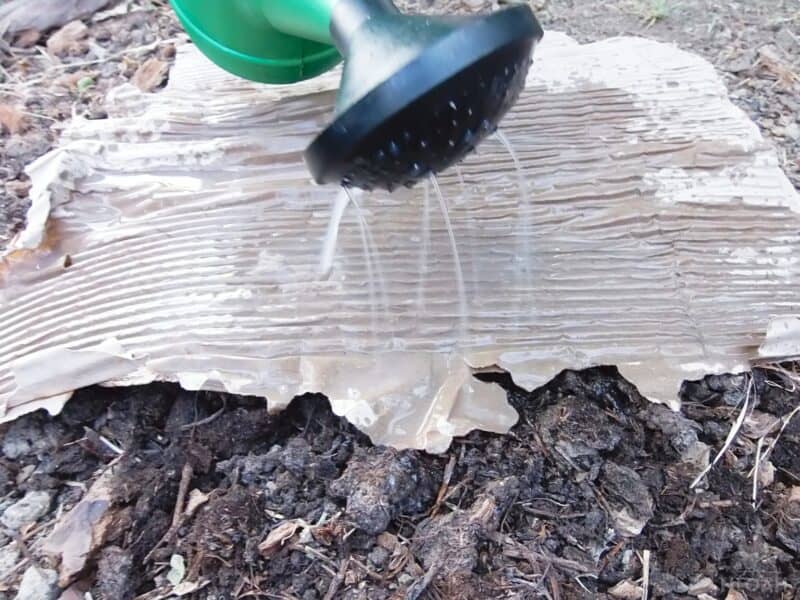
More than anything else on this list, I reach for cardboard as a free helper in the garden. Cardboard basically works as a sheet mulch, and even a thin box will completely suppress and eliminate weeds while improving soil temperature and moisture levels.
It’s the first thing I use whenever I’m starting my garden anew or preparing an extension.
As the cardboard breaks down, it will release carbon and other trace nutrients into the soil. And it is so much easier than trying to work with rolled materials! Just make it a point to only work with plain, brown cardboard; don’t use anything that has been dyed.

Newspaper
Newspaper can be used similarly to cardboard: a few sheets can suppress weeds, and it’s the perfect thing for sticking in the bottom of your pots and other containers to keep soil from falling out of your drainage holes.
When the paper breaks down, it will put carbon and various other elements back into the soil, which will improve consistency and provide nutrition for plants.
However, as with cardboard above, you never want to use newsprint that has colored ink or is glossy: stick with matte, black-and-white print only for the best results and safety.
Compost
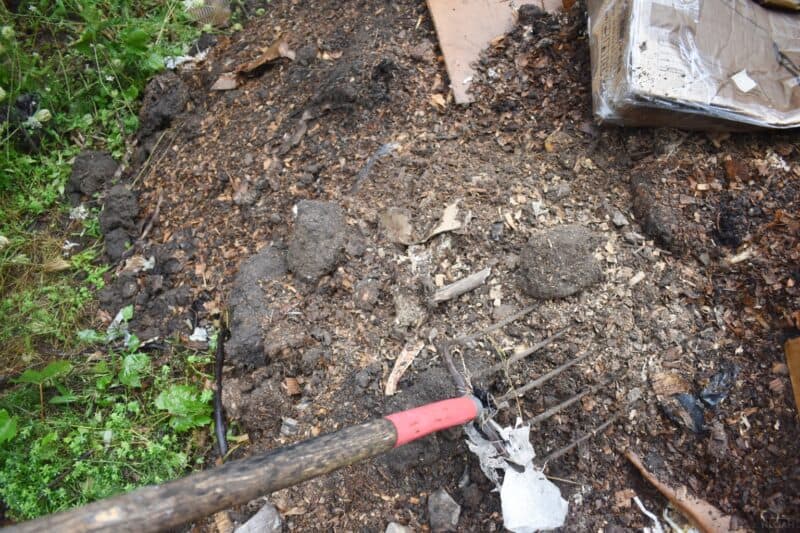
Of course, you should be using compost in your garden! If you aren’t, why aren’t you!? When it comes to providing nutrition, greatly improving soil texture, water retention, and every other beneficial characteristic, compost is just tops. It’s also easy to make your own with a little bit of effort and a fair bit of time.
You can start your own compost bin using a scoop of rich dirt from your garden, kitchen scraps, and yard waste like the aforementioned leaves, grass clippings, twigs, and more.
Keep it moist, keep it warm, and keep it turned on the regular, and in just a couple of months, you’ll have loose, nutrient-dense compost.
Seaweed
If you live near the coast and can harvest it from the beach legally and safely, you’ll definitely want to bring some seaweed home for your garden.
It packs abundant trace minerals and various hormones that can spur growth in all kinds of plants. It works just as well added to your compost pile or used directly as mulch, and you can even steep it to make a fortifying liquid fertilizer.
It’s not an option for everyone, but if it is, you’ll definitely want to make use of it. Remember to grab some and throw it in a bucket or garbage bag the next time you are at the beach.
Hardwood Ash
Ash coming form hardwoods is a time-tested soil amendment that can help you get overly acidic soil back to a nominal level. That’s because hardwood ash is itself extremely alkaline, but more than that, it contains beneficial minerals like potassium.
It’s a useful tool to have in your arsenal, but it’s especially good to keep around if you’re growing plants that need alkaline soil, like lilacs or lavender.
Hair
Yep! As strange as it sounds, human hair can be a valuable soil amendment. Made predominantly of keratin, when it starts to decompose, it will release lots of nitrogen and various other trace nutrients that your plants love.
But human hair has also been successfully used for countless generations as an animal deterrent: deer, rabbits, and even raccoons might start steering clear of your garden if you leave little sachets of hair here and there.
Sounds like witchcraft, but it isn’t: these animals naturally avoid human odor!
Human Urine
This one is both gross and weird, but nonetheless, using diluted human urine is safe and beneficial for your plants. And, let’s face it; this is one resource you’ll basically never run out of!
Urine is extremely high in nitrogen, hence why we need to dilute it for safety, but it also contains other nutritional mainstays for plants like phosphorus and potassium, along with a bunch of other stuff.
Instead of flushing away your wee, collect it in a jug or bottle, or a specialized composting toilet with a liquid storage tank. Then dilute it at a ratio of 10 to 1, water to urine, before spraying or watering at the base of your plants or the soil generally.
If you want a method that is slightly less messy and odorific, you can collect the urine in a container filled with sawdust and then work the soaked sawdust into the soil.
Manure
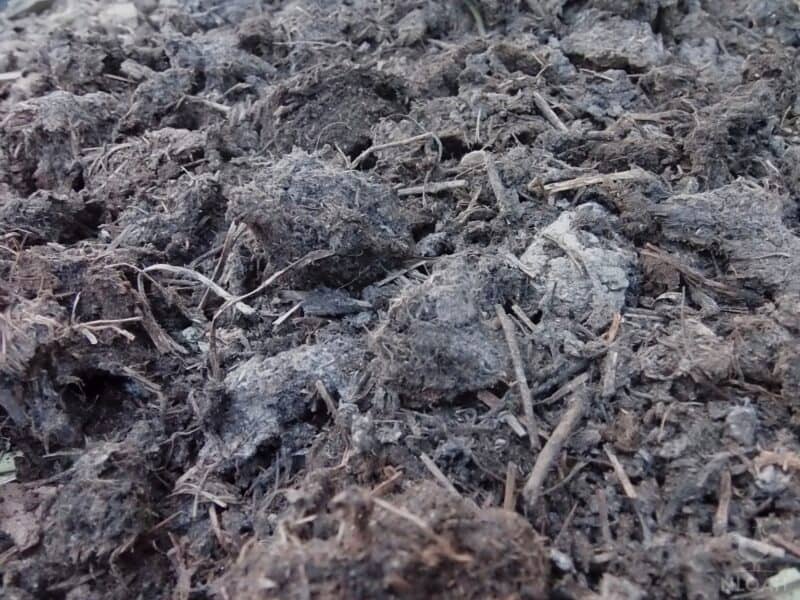
Here’s another one that most gardeners are already intimately familiar with. Manure, specifically well-rotted manure, is an all-natural and highly fortifying fertilizer. Every kind of animal, from chickens to goats and sheep, cows to horses and pigs, can provide useful, safe manure as long as you handle it properly.
And if you’re willing to get your hands dirty, there will be countless farmers and homesteaders in your area that would be more than happy for you to come and haul off their poop.


Get your gift and learn things like:
- how to make this really quick pest spray
- how to prevent egg waste
- two cheap automation devices that will make your life easier
Tom has lived and worked on farms and homesteads from the Carolinas to Kentucky and beyond. He is passionate about helping people prepare for tough times by embracing lifestyles of self-sufficiency.