
When most homesteaders think of making a living on their own small property, they probably think of subsistence farming—supplementing or even replacing trips to the grocery store with what they can raise and grow on their own…
After all, there’s no way you can farm at scale on a small parcel to make a serious income, right? Actually, that’s not right at all…
With the right approach, procedures, crops, and other products, it’s possible to make a living on even a single acre of land—and a darn good living at that! All it takes is an eye for efficiency and an understanding of what crops and other goods can make you the most money.
Whether you want to supplement your existing income or make your acreage your primary money-making venture, you need the info I’ll share with you below.
One Acre is More Room Than You Think
I know there are some naysayers about to rev up down in the comments section, and I want to cut them off at the pass…
I know the popular notion of commercial farming these days involves huge, sprawling tracts of land that are serviced by giant pieces of machinery, robotic tractors, and armies of people.
And even then, your income might not be anything to write home about when you factor in all the expenses!
But I’m here to tell you that by taking a different approach with your land, one focused on sustainability, ease of operations, productivity, and profitable products, it’s possible to make a lot more money homesteading than you’d think with a whole lot less effort.
And the size of your property isn’t a holdup, either: if you have even a single acre, you can make a fortune.
Consider this: you can grow a head of lettuce in just a single square foot of space. Know how many square feet are in an acre? 43,560.
Just a small fraction of that land could allow you to grow a thousand pounds of tomatoes, and many other vegetables and fruits, which have multiple vectors for monetization.
Get rid of the idea, right now, that you need to be the owner of some huge plot of farmland to live well off your efforts. You don’t, and I’ll be giving you plenty of examples below!
Maximize Efficiency and Reduce Waste to Maximize Profits
Believe it or not, more than anything else, I see people leave money on the table, and sometimes a whole lot of it, when farming or raising animals due to a lack of efficiency and a conspicuous amount of waste.
Wasting water is a big one: haphazard irrigation not only costs more in terms of utilities and resources, but it also hurts your plants. Using sprinklers that wet down foliage causes mold, mildew, and other infections that will hurt productivity.
Regular watering promotes roots to stop growing deeply, which hurts nutritional uptake. And of course, you’ve got to pay for that water, and working farms need a lot of it!
Planting in a way that doesn’t set you up for success or causes you to waste a lot of trips going back and forth for supplies and tools comes directly out of your bottom line. If you want to make growing crops and other products on your homestead your job, you need to treat it like a job.
Wear a tool belt or have a cart, plant in an orderly fashion so that all your plants are easy to get to and inspect. Anything you can do that will save you steps and effort is worthwhile.
When it comes to saving money on resources, you should definitely be catching rainwater and making use of solar power if possible.
Even a 1,000-square-foot roof or other rain catchment area can harvest more than 600 gallons of water for irrigation from a single inch of rain. That’s huge!
Setting up a drip irrigation system that will water plants directly at their root zones will reduce outbreaks of disease, save water, and promote better growth, which will make plants more productive all around.
Sure, you might have always done things a different way, but by doing them in a new way, you can enjoy new and better results!
Choose Popular, High-Value Crops
It’s time to get down to business: you need to perform an assessment of what the best, high-value plants are that you can grow on your property. This will take some homework and market analysis.
Veggies and other things that are theoretically profitable but don’t sell well in your area or have a ton of competition might not be your best bet.
In my experience, though, the three-piece combo of specialty produce, herbs, and cut flowers will rarely let you down.
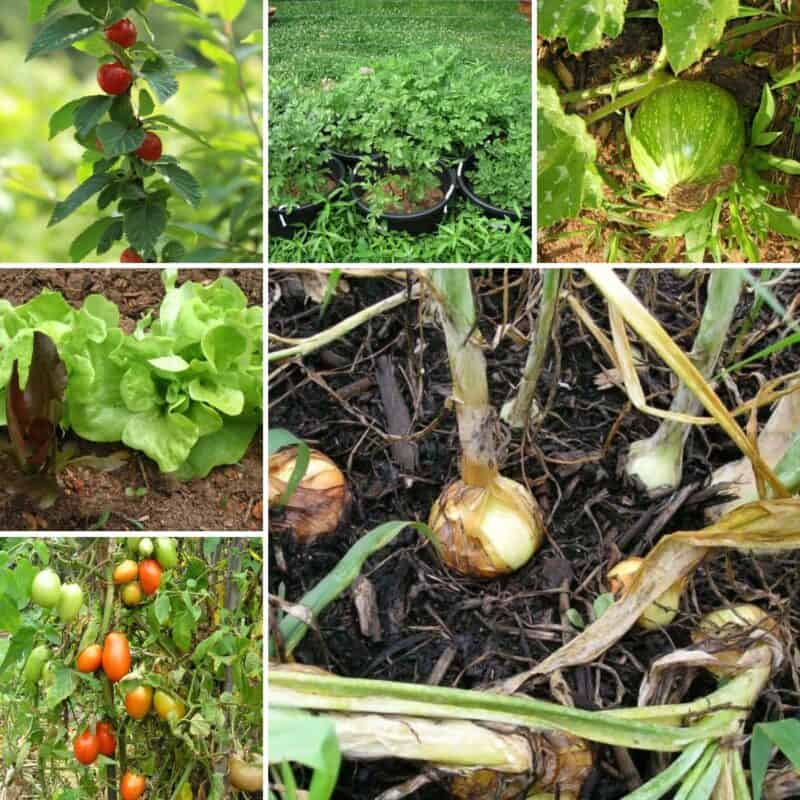
For instance, consider growing heirloom tomato varieties. They are hardy, easy to grow in most places, adaptable, and can routinely be sold to various buyers for between four and eight dollars a pound.
If you make use of intensive growing techniques, just a thousand square feet of space can potentially produce between 1,500 and 3,000 lbs of tomatoes. That could net you anywhere from $6,000 to $24,000!
Herbs are another wonderful moneymaker… Kitchen herbs that get constant use, like basil, sell really well everywhere and are quite profitable, yielding anywhere from $12 to $20 a pound.
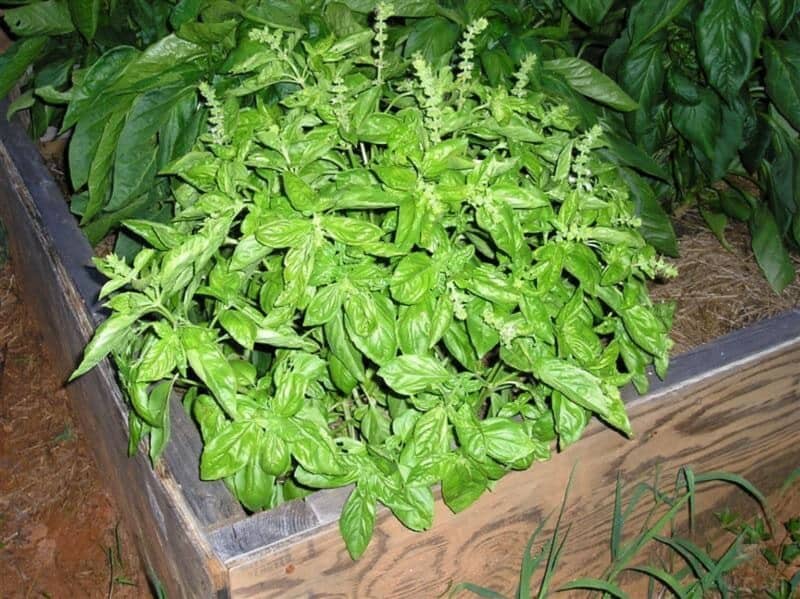
You can reliably grow a single basil plant in just one square foot of space, meaning another thousand-square-foot patch of basil could make you anywhere from $12,000 to $20,000 if you’re able to sell it all. This is just for the live plants, by the way. We’ll talk about dried herbs later…
Lastly, the right flowers can be surprising moneymakers. I’m a huge fan of sunflowers, both for their bold, bright, cheery appearance and for the fact that you can get delicious sunflower seeds out of them.
Big sunflower varieties will routinely sell for between $1 and $2 per stem, and considering you can grow between 1,000 and 4,000 stems in 1,000 square feet, when you punch those numbers into your calculator, it’s going to make a happy face.
With this example alone, you are using about 3,000 square feet from your acreage and have 40,000 square feet left to work with. Are you starting to see what’s possible?
But let’s just say that you aren’t very good, everything goes against you, and your harvest isn’t great. Cut those profits in half. Is that still a good amount of money when you just started out spending precious little for seeds and water? It absolutely is!
Get More Growing Time Out of Your Seasons
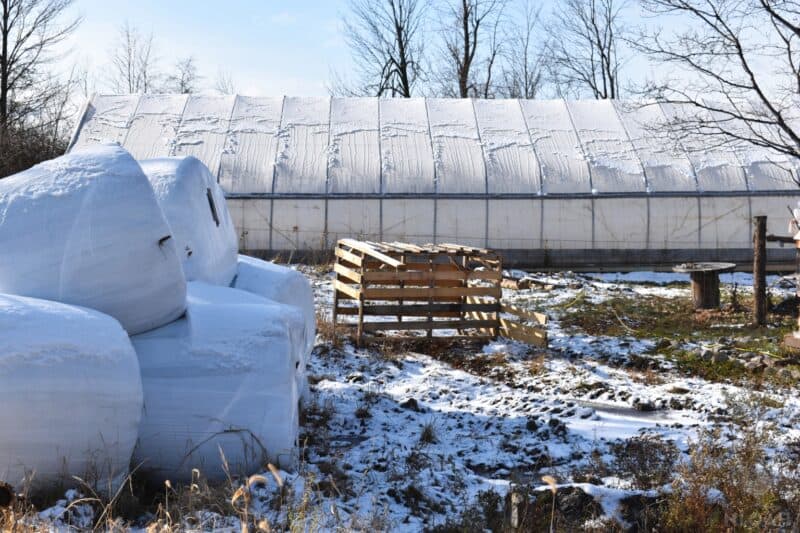
No matter what you are growing, an easy way to improve profit on your working homestead is to extend the growing season through the use of row covers, hoop houses, or even proper greenhouses.
Properly installed row covers can give you a 2-week, maybe a 3-week, jump on planting, and give you the same amount of time at the end of the season. With some crops, that can give you a whole extra harvest!
If you really want maximum control over your growing operation and the most time possible year-round, consider investing in a greenhouse.
Even a small greenhouse, say one that is 30 by 100 feet, can give you a ton of room for year-round planting, or in the coldest environments, it can still extend the growing season by 3 months or more. That is huge!
Extra time for growth, or additional opportunities for growing when the seasons aren’t favorable, directly translates into more profit.
Go for Easy, Value-Added Products
I know for most of us the ideal is to grow or raise something, harvest it, and then sell it as is. The more time you spend “touching” or processing your goods, the more profit tends to go down the drain as a matter of course.
Economies of scale start to kick in when you are harvesting so much that you can afford processing and still have money left on the table, but that’s just not an option for most of us.
However, this isn’t the case for all products. Remember when I mentioned dried herbs above? Drying out herbs is super easy, extends their shelf life, and greatly increases their value on the market, often by a factor of two or even three.
Sticking with basil as our example, that single pound of fresh basil worth about $20 upon harvest can be dried and then sold for anywhere from $40 to $60.
This will require very little extra work from you compared to the effort needed to cultivate, care for, and harvest it. It’s certainly a worthwhile use of your time if you have buyers for it! This approach is also picture-perfect for salvaging leftovers that didn’t sell when fresh.
Another good option, as quaint as it is, is the production of preserves, jams, and jellies. This is a lot easier to do at scale than you might be thinking, and on average will triple or even quadruple the value of fruits or veggies like peppers.
$5 worth of fresh jalapeño peppers can be turned into $20 worth of jalapeño jelly! And once again, a longer storage life means you’ll have more opportunities and more time to sell it and capitalize, compared to the fresh peppers which will invariably rot and decay if not purchased and preserved.
Pasture-Raised Eggs Can Be Easy Money
I know raising eggs on the homestead is a veritable cliché by now, but it’s something you should definitely consider if you can cultivate the buyers for them. Simply put, nothing even comes close to chickens when it comes to the steady, reliable output of a valuable product.
Let’s say you’ve got a modest flock of just 50 laying hens. Let’s say that they are a reasonably productive egg-laying breed, but hardly exceptional, and they give you about 20 eggs every month.
That flock of 50 hens, in good health, will lay about a thousand eggs a month. If you take great care of your girls, feed them organic food, and let them actually free-range, those eggs will command a premium with health-conscious buyers.
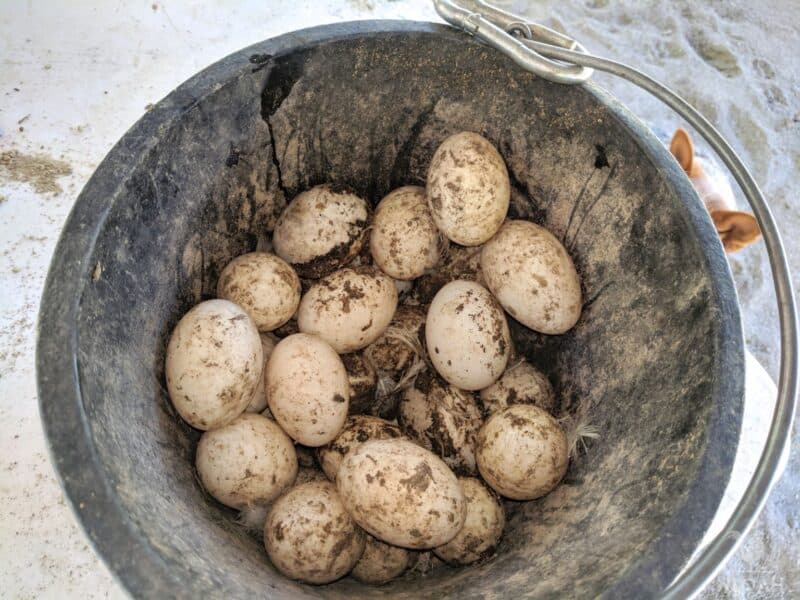
Conservatively, let’s say you can sell a carton of 12 pasture-raised eggs for $5. A modest price in these times…
That will give you a gross profit of about $415 monthly, or around $5,000 annually – if you can keep your girls laying all year long.
These birds will only need about 150 square feet of indoor space and can live quite well with an outdoor space that is just 500 square feet.
If you want to be really generous and give them a thousand square feet to themselves, or even 2,000, you still have tons of room left over on your acreage, even with all the other activities we’ve discussed so far underway.
Bees Can Supercharge Your Profits
Bees can be a huge part of your profit pipeline, and not just for the obvious reasons you’d expect in the form of delicious, golden honey, which is increasingly in high demand.
For starters, having your own hard-working swarms of pollinators servicing all of your plants ensures that they’ll be happy, healthy, highly productive and more likely to breed true going forward.
This increased health and vitality directly translates into more bountiful harvests, and more trouble-free plantings in the future.
Plus, you could rent out your bees as pollinators for other nearby farms or agricultural endeavors, something that owners and even government authorities will pay handsomely for.
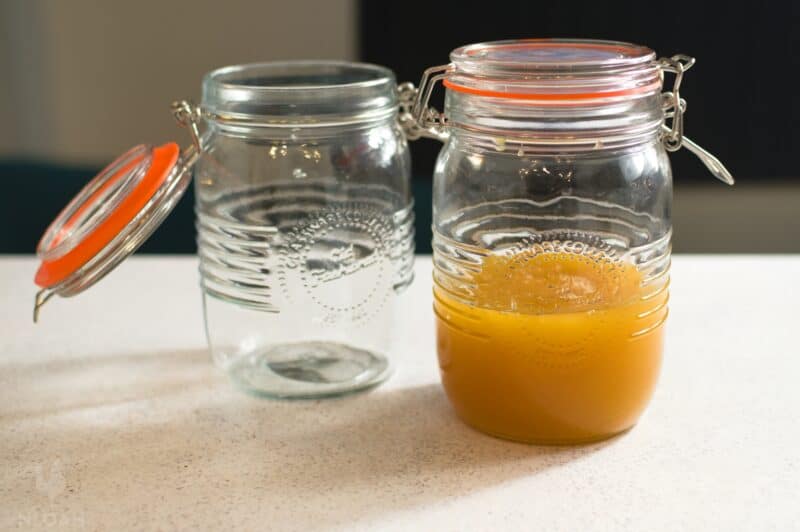
And of course, you shouldn’t discount the value of all that honey. Your average beehive will produce anywhere from 50 to 100 lbs in a year once it is well established and depending on the weather.
Artisanal honey can easily be sold for $10 a pound, and with multiple beehives you could be looking at some substantial profit. If you had just five hives operating at high efficiency, cranking out 100 lb of honey yearly, you can be sitting on an extra $5,000!
Cultivate Relationships with Chefs and Restaurants
If you’re able, one of the smartest things you can do is to cultivate relationships with local chefs and restaurants.
I know most people have thought of this or heard of it before, but it remains good advice.
Obviously, having a high-volume buyer of your seasonal products will go a long way towards giving you a stable income, and it can also improve the quality of the food and the profitability for these institutions.
But think outside the box a little bit: can you grow specialty ingredients for a chef that will help them establish a signature menu or dish? Can you service the restaurants directly and also sell goods to restaurant supply grocers?
There are lots of ways to work this angle, but you will have to pay attention to local and sometimes state-level laws regarding being a supplier. It’s usually not a holdup, but you might have to navigate a little bit of red tape and make sure you’ve got your I’s dotted and T’s crossed.
Service Niche Markets
Another chronically underutilized revenue stream for small operations is servicing niche markets, specifically by way of unconventional products and specialty veggies.
If you have a large foreign or ethnic population in your area, you can bet your bottom dollar they would love a taste of home in the form of veggies and fruits that are vital ingredients for their own cuisine.
You can grow various Asian cabbages, specific cultivars of beans, herbs, and other things that could sell for two to three times more than our own typical domestic counterparts to these highly interested buyers.
This is an easy way for you to corner the market, considering that big grocery store chains typically charge a fortune for these goods if they have them at all, and I promise they will be of inferior quality to what you can produce. That alone can get you a zealously dedicated following.
Don’t forget, too, that the plants you can grow aren’t just for eating: there’s a small but thriving market for products like natural, organic dyes out there.
Indigo is one of the best known, and the dye itself sells for between $30 and $50 an ounce. Depending on the cultivar, even a small patch of plants that indigo is derived from could net you $7,000 or more with a single harvest!
Even if you don’t want to mess around with the dye-making itself, dye makers will pay a premium for top-quality plants.
Offer Tours, Classes and Workshops, CSAs, and Dinners
Lastly, don’t forget that your knowledge, expertise, and passion are all marketable products. More people than ever are interested in where their food comes from, getting connected with it, and learning how to do it themselves.
As simple as it sounds, offering warm and engaging farm tours, charging anywhere from just $10 to $20 a person, could make you hundreds or even thousands of dollars with just 50 to 100 visitors monthly.
Teaching other people how to do what you do, even on a small backyard garden scale, could likewise make you a small fortune. A single monthly workshop, charging $50 a person, can net you an extra $1,000 a month with just 20 attendees.
Starting a CSA, or “community supported agriculture” operation is also a great idea. The basic premise varies, but in short “shareholders” or “partners” pay you up front for a certain percentage of the harvest when it arrives, usually on a seasonal, quarterly or even yearly basis.
There are lots of ways to set up a CSA model, but they all involve you being well paid for the service you provide, and in return participants get great produce at the peak of freshness.
Don’t underestimate the novelty appeal of a true farm-to-table dinner, either: a dinner where every dish uses ingredients that were grown on your property, or from neighboring farmers, can show people what is possible with local farming and also what a difference in quality they can expect.
This can be turned into a monthly or quarterly event, one with excellent service and atmosphere, and it’s something that people will look forward to and want to bring their friends to. It’s also a great way to bootstrap your own customer base for all of your other endeavors.
Let’s say, just for instance, that you charge $100 a seat for this dinner, with everything included. If you can set up to do that for 25 people, that’s $2,500. Done four times a year, that’s an extra $10k. Done once a month, that’s $30,000!
Sure, hosting these dinners, planning for them, setting up a space, getting servers and potentially cooks, and all the rest is a significant logistical challenge and has associated costs of its own, but you cannot deny how profitable they can be.
This is the perfect income vector for folks with larger families that can help out. Keep in mind, this is also a great way to call in a favor with those chefs or restaurants that you’ve been cultivating relationships with, too…
Put it All Together
Mind you, these are all just examples. You can take what I’ve given you and scale it up, add more variety, or leverage some other approach entirely.
The point of all this is to show you, and hopefully convince you, that making a really good living is entirely possible off even a small plot of land, and possible through various means.
If you’ve got even an acre of usable land on your homestead, rejoice, because it’s possible to make a ton of money with a little bit of sweat equity and some good business sense…

Tom has lived and worked on farms and homesteads from the Carolinas to Kentucky and beyond. He is passionate about helping people prepare for tough times by embracing lifestyles of self-sufficiency.