
Berries, of all kinds, can be some of the most rewarding but also the most challenging fruits to grow. There’s nothing better than perfectly ripe berries, picked fresh and still warm from the sun. But sometimes, instead of a sweet, delicious bite, you are greeted with a tart, even sour taste.

It’s frustrating and can make you feel like all your hard work, care, and effort were for nothing. But sour ones aren’t just a roll of the dice or the luck of the draw: with the right approach and some expert tips, you can ensure a bountiful harvest of berries that are bursting with sweetness.
I’ve got eight such quick tips for you below…
Give Plants Optimum Light
The first tip you need to know for sweet berries is gardening 101: make sure your berry plants get optimum light.
Whatever kind of berries you are growing, be they blueberries, strawberries, blackberries, or raspberries, generally, the more light they get, the sweeter they will be.
Plan on planting your berries in a south-facing spot on your property where they will get tons of sunshine, no less than 6 hours a day.
However, in hotter regions or during a particularly hot summer, your plants might still need some shade during the very hottest part of the day to prevent scorching.
Even if they can tolerate it, any amount of stress that your plants accrue will result in berries that aren’t as sweet as they could be…
Fertilize at the Right Time
Picking when and how to fertilize your plants always counts for a lot, and all kinds of berry bushes and vines are no exception.
As a rule of thumb, unless your soil levels are truly optimal at the beginning of the season, plan on giving your berries, of whatever kind, a well-balanced but nitrogen-rich organic fertilizer near the beginning of the season. 5-5-2 or 4-3-4 are my go-to choices.
This shot of nutrition will help your plants establish themselves and thrive, and healthy thriving plants produce more and sweeter berries.
This early season fertilization is only half the battle, though; the other half is giving them some extra help once fruiting is underway.
Once fruit starts to form or when flowering begins, you want to circle back around and give them a potassium-rich organic fertilizer, preferably something that you can water in that will break down and be absorbed quickly.
Alfalfa meal, kelp meal, banana peel fertilizer, and more are all good choices.
Potassium is a critical nutrient for plants, especially for berries, because it directly affects the formation of fruiting, the absorption of moisture and soluble solids, and other factors that impact the quality of the berries themselves.
Nail the Soil pH
Getting soil pH precisely right is critical if you want the best possible berries. And as you might expect, different plants have different pH requirements.
When you look up the acceptable pH range for any given type, don’t settle for marginal results: try to get your soil levels precisely in the middle for best results.
For instance, strawberries usually do best with a soil pH of between 5.5 and 6.5, but I always shoot for a 6.0. Same thing with blueberries: it’s best between a 4.5 and 5.5; 5.0 is what you are aiming for. And so on and so forth for all the other types of berries.
This will ensure you have reliably sweet fruit as long as you nail the other factors we are talking about here.
Use Soil Conditioner
One of the best-kept secrets when it comes to getting the sweetest berries possible is to use organic soil conditioner. Soil pH is only part of the puzzle, as is the presence of NPK.
Other nutrients are needed, too, like calcium. Other factors that directly contribute to soil health are the presence of beneficial microbes and other organisms. Even certain kinds of fungi are beneficial.
To facilitate optimal soil conditions, reach for an organic soil conditioner. The right combination of materials will make moisture and all other nutrients more readily available to the plant, resulting in better growth and overall health, and that results in – you got it – sweeter berries.
There are tons of products out there on the market, and you can mix up your own.
A thorough overview of soil conditioner composition is beyond the confines of this article, but if your chosen product has things like humic acid, worm castings, humus, rock dust, mycorrhizal fungi, biochar, and so forth, you’ve got the right stuff.
Water Correctly
If you want the sweetest berries possible, you must water your plants correctly. Notice I said correctly.
This means you should be giving them exactly how much water they need, neither too little nor too much. Either can be disastrous from a plant health perspective or in terms of fruit production.
Too little water is obviously bad. But too much water can be just as bad or even worse, usually because it facilitates devastating fungal infections or root rot.
The rule of thumb is that you want to do the planting in well-draining soil, and you want that soil to stay moist but not soaking wet. You can use mulch and other ground coverings to help keep the soil moist and cool but avoid flooding the roots.
One more thing: when the berries are closing in on full ripeness, stop watering them so much. It turns out that if the plant absorbs too much water, this can dilute the sugars in the berries, making them taste a little bland.
It’s easy to make this mistake because watering generously at this time makes the berries look super plump and appealing, but it will negatively impact the flavor.
Prune Runners and Shoots
Don’t hesitate to prune off runners and shoots from your berry plants. Some types of berries, like strawberries, are notorious for spreading quickly, and these runners can be trimmed off and replanted, meaning some folks like to leave them.
But keep your eyes on the prize: if the plant is dedicating resources to spreading growth and foliage, those resources aren’t being directed to the berries themselves.
Once the plants are established and filled out enough, prune off any of those runners or long stems that start to branch out. Keep your nippers very sharp and sterilized to prevent infection.
By pruning strategically and continuously, you’ll encourage the plants to devote more resources to making the fruits as good as they can be.
Harvest at the Peak of Ripeness
This is the simplest, but in some ways the trickiest, part of getting a bushel of deliciously sweet berries.
Whether you are picking strawberries, blueberries, blackberries, raspberries, mulberries, or something else, you’ve got to learn what perfectly ripe looks like.
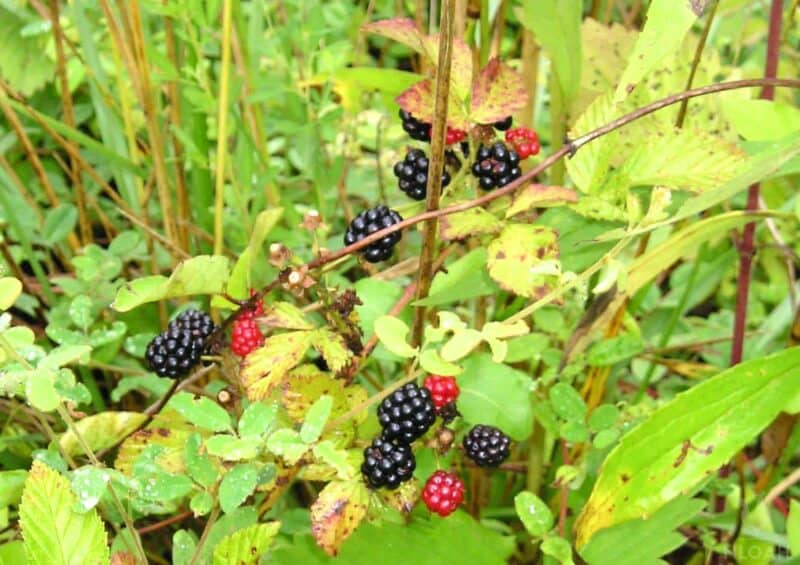
Let’s look at blackberries for instance: they start off green and as they get bigger, they fill out, darken, and eventually take on that gorgeous glossy black color that is so unmistakable.
This is when most people pick them. But you shouldn’t! Give them just a little more time, maybe just a couple of days, if that.
You want to wait until the glossiness dies down a little bit to a satin sheen, and the berries detach from the plant with the gentlest tug. They really should just pop right off in your hand.
Once you learn to recognize this perfectly ripe appearance, and give them the tug test, you won’t forget it. These will be some of the best berries you’ve ever had!
But consider you’ll need to harvest in stages: some berries will be ready for picking days ahead of others, and some will lag behind. Make several passes every day, gently checking the berries and harvesting the ones that are perfectly ripe.
Plant a Sweeter Variety
Last but not least, don’t make things harder on yourself than they have to be. As with every other fruit out there, different berry varieties and cultivars have differing levels of sweetness or tartness.
If you have a choice, definitely look up and choose a known sweeter variety that will grow well in your zone. All things being equal, you’ll always be able to look forward to tastier berries!
For instance, if you’re looking at blackberries, Apache, Navajo, and Chester cultivars are known for firmness, juiciness, and high sugar content.
If raspberries are your thing, though, then Caroline, Heritage, and the unique, yellow Fall Gold variety all have a great reputation for sweetness.
Among blueberries, Legacy, Bluecrop, and Sweetheart are widely loved for their sweet taste and aroma, and you’ll have plenty of strawberries to choose from also: Albion is a great all-around choice and quite sweet, and the French Mara de Bois is known as one of the sweetest strawberries on Earth!
And if you already have established plants, remember that you should generally replant them every 3 to 4 years as they age out and start producing smaller crops; this is the perfect time to switch out your berries for a new and sweeter variety!


Get your gift and learn things like:
- how to make this really quick pest spray
- how to prevent egg waste
- two cheap automation devices that will make your life easier
Tom has lived and worked on farms and homesteads from the Carolinas to Kentucky and beyond. He is passionate about helping people prepare for tough times by embracing lifestyles of self-sufficiency.