
Most gardeners, even the greenest of green thumbs, know by now that plants need the right ratio of nutrients in order to thrive, and specifically, they need the big three: nitrogen, phosphorus, and potassium.
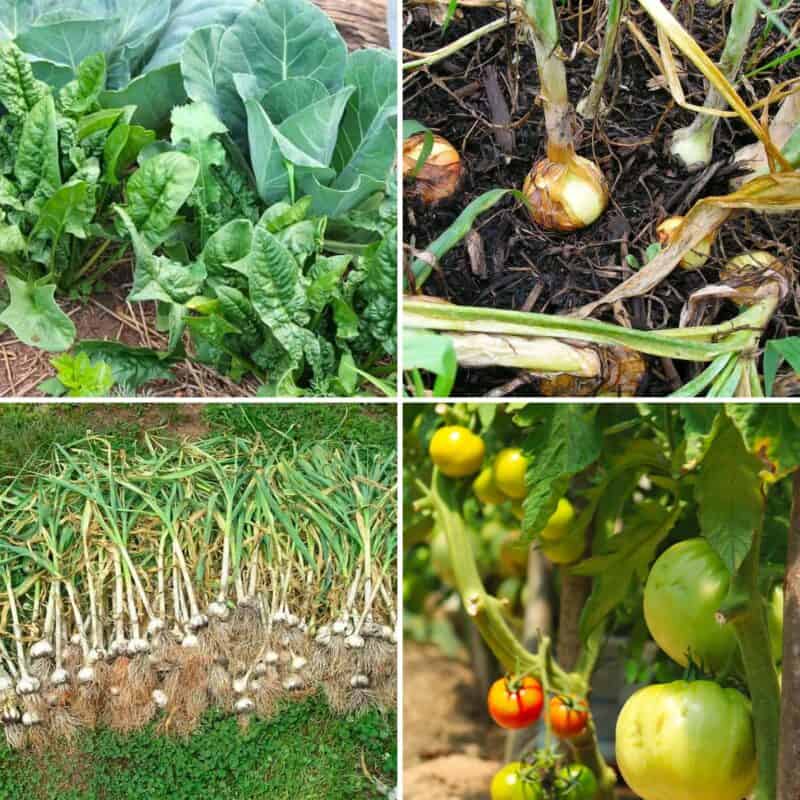
All are important, but of the three, nitrogen is the most important when it comes to helping plants develop the foliage they will need for photosynthesis.
A lack of nitrogen will result in a steadily escalating cycle of problems that will end with poor growth, a lack of fruiting and flowering, and disappointing plants in general.
If there’s not enough in the soil for your plants to use, you’ll need to take action to correct that. Keep reading, and I’ll tell you how to deal with nitrogen deficiency so your plants can thrive.
Symptoms of Nitrogen Deficiency in Plants
The first thing you must do before improving nitrogen levels in the soil is make sure that nitrogen is actually what’s deficient. Misdiagnosing the problem and then applying the wrong remedy can spell disaster for your plants.
The way to begin, as always, is with a soil test because that will tell you in no uncertain terms what elements are adequate and what elements are lacking in the ground.
But keep an eye out for the following symptoms in your plants, and be ready to take action if you spot more than one especially.
Yellowing Leaves
This is the classic, and to some gardeners the only recognizable, symptom of nitrogen deficiency in the soil. Also known as chlorosis, you’ll notice mature, lower leaves start lightening and then yellowing on the plant, moving upward.
Look closely: if you notice that the veins in the leaves are still green while the intermediate tissue is yellowing, the cause is all but certain.
Sparse or Small Leaves
A lack of nitrogen disrupts the photosynthesis cycle that plants need to produce food and grow, and that in turn will lead to a lack of new growth.
If your plants look kind of weedy, with smaller and fewer leaves that are widely spaced out on the stem, a lack of nitrogen is likely to be the cause, though there are other causes, too. If your plants are looking scrawny, go ahead and do that soil test.
Reduced Production
Whether you are growing fruits, veggies, or ornamentals, you want something from them in the form of produce or showy blooms.
A lack of nitrogen, as mentioned above, means that the energy cycle of the plants will be seriously disrupted, and this will invariably impact the production of both fruits and flowers.
If your plants appear to be producing sluggishly, or not producing many fruits or blooms, a lack of nitrogen might be the cause.
Again, there are several other potential causes, from environmental stress to pests or a lack of other nutrients, so you’ve got to check those soil levels to be sure.
Illness or Pest Infestation
When plants lack the needed amount of nitrogen, their health starts to suffer overall, and that means they will be less resistant to various illnesses, infections, and pest infestations.
If you ordinarily stay on top of keeping your plants healthy, but they seem unusually sickly or infested despite your best efforts, it might be because they’re unable to resist these ailments. That might point to a distinct lack of nitrogen.
Slow Overall Growth
Once you have a bit of experience gardening, you’ll come to understand how far along your plants should be at a given point in the season.
But if your plants are shrimpy and underperforming, and especially if they are significantly smaller than previous plantings of the exact same plant, chances are good that your soil levels are out of whack, and I’ll put my money on a lack of nitrogen in most cases.
Now that you know what to look for when it comes to nitrogen deficiency, it’s time to learn how to fix it.
Methods for Fixing Nitrogen Deficiency
Adjust Irrigation and Watering Methods
It might sound completely off the mark, but I have found time and time again that the first thing you should do if your soil is low in nitrogen is to assess and adjust how you are irrigating or watering your plants.
For starters, you should be watering all of your plants the correct amount and on the correct schedule. Too much water (or not) enough can hinder nitrogen absorption, meaning they won’t get enough even if it’s present in the soil in adequate amounts…
Also, you should be especially careful that you don’t overwater because this can leach nitrogen out of the soil, washing it away, or just send it lower in the soil layer, potentially where your plants can’t reach it.
This can be a tricky balance, and optimizing nitrogen retention while allowing adequate irrigation of your plants might require amending the soil for structure and consistency.
Balance Soil pH Levels
Another sneaky cause of nitrogen deficiency in plants directly is when soil pH levels get too high or too low. This can again affect the uptake of soil nutrients, nitrogen included. As a rule of thumb, most plants prefer a pH range of between 6.0 and 7.0.
Once again, the proper soil test will tell you what the pH level is. If it’s too high or too low, specific applications can adjust it without directly affecting soil nutrient levels.
Typically, if your soil is too acidic you’ll add lime, specifically calcium carbonate, to help raise the number. If it’s too alkaline, a high pH, sulfur, or aluminum sulfate will bring it back down.
Amend carefully and slowly to make sure you hit the target, and once you get it in the right zone give your plants some time to adjust and see if they don’t start thriving again.
Rotate Plantings
If your soil has been sucked dry of nitrogen, you might have overdone it with repeated plantings, especially of heavy nitrogen feeders like corn.
This solution is an easy one, and gardening 101: rotate your crops.
Switching things up, especially to different varieties of fruits, veggies or ornamentals, that don’t need as much nitrogen or, even better, actually help put nitrogen back in the soil will naturally and gently get those levels back to where you need them…
If you’re going the intensive planting route, at least give the soil a break every three or, at the most, four seasons to help it recuperate.
Choose Nitrogen-Fixing Cover Plants or Companions
Hands down one of my favorite techniques for boosting nitrogen availability in my garden is to use nitrogen-fixing cover plants or companion plantings.
Cover plants are exactly what they sound like, plants that will cover the soil. This has the added benefit of preventing erosion and improving moisture retention, but choosing something like clover will also help keep nitrogen in the soil directly.
If you want something more productive in your garden, beans of all kinds, peas and alfalfa are excellent nitrogen-fixers that you can use for the same purpose.
Here’s another pro tip: when you harvest these nitrogen-fixing plants, don’t harvest the roots. Cut them off, and leave them in the soil where they are to break down.
As they decompose, they will release a big burst of nitrogen back into the ground which will help your follow-on plantings thrive if nitrogen levels have been low.
Add Composted Manure
I think most gardeners know that manure can be a great thing for boosting the health and productivity of your garden. Absolutely packed with organic matter, and lots of slow-release nitrogen, it can be just the ticket to improve slacking soil levels.
But you’ve got to be careful with this stuff, no matter what kind it is: manure contains way too much ammonia, and often too much harmful salt, to be good for plants and can roast them. The solution, of course, is to compost the manure before you add it.
But even after you let the manure break down in your compost pile for a while, it still won’t add nitrogen back to the soil immediately.
You want to spread anywhere from 1 to 3 inches of composted manure over the soil in your garden, and then gently incorporate it into the top six inches or so.
As it continues to break down, and as you water over the following weeks, your soil nitrogen levels will start to bounce back.
Add Nitro-Rich Inorganic Fertilizer
Sometimes you find yourself in a jam and need to get nitrogen to your plants right away if you want them to hang on and produce. In cases like this, you should reach for a nitrogen-rich inorganic fertilizer.
Applied correctly and in precise quantities, this can get nutrients to the roots of plants immediately. Mainstays in this category are ammonium nitrate and urea, or most other common NPK fertilizers you can get from a garden center or farm supply store.
Once again, you’ll need to perform a soil test to figure out exactly how much you need to add, or else add it very, very sparingly: too much inorganic fertilizer can easily kill your plants and potentially result in toxic runoff.
There are many different kinds and types of inorganic nitrogen fertilizer out there, and some release slower than others.
My best advice to you in this regard is to read the instructions on the package thoroughly and follow them to the letter. Making a mistake here might result in further harm to your plants.
Mix in Coffee Grounds
An old-timer’s trick, but a goodie, and one proven to do the job. Coffee grounds can be an excellent one-two punch for a nitrogen-deficient garden because they can slowly release nitrogen to the soil, and do so gently, and also improve soil consistency.
Coffee grounds also happen to be quite versatile; you can mix them in gently immediately around your plants for a quick fix, save them up over time and use them as a general soil amendment throughout, or even layer coffee grounds on top of the soil to act as mulch.
My recommendation is that you start by mixing it into the soil immediately around your plants, taking care not to damage or disturb their roots. Water as normal, and then recheck levels after a week or two, adding more as needed.
Use Fish Emulsion
A natural, organic type of fertilizer, fish emulsion is gentler than inorganic types but can still get nitrogen to plants quickly.
Nonetheless, it is still important to proceed carefully and logically, because too much can have negative consequences for your garden. Follow the instructions on the package for dilution and application, and don’t deviate from them.
But if you get some fish emulsion that doesn’t have clear instructions, you’re generally safe to dilute one to two tablespoons in a gallon of water and then apply around the base of plants or spray it directly on them.
One of the best things about fish emulsion is that you can use it regularly, as often as every two weeks, if soil levels are still too low.
Try Alfalfa Meal
Alfalfa meal is another tried and true organic soil amendment for adding nitrogen. It doesn’t act as quickly as inorganic fertilizer or fish emulsion, but it does work gently and releases slowly enough to supply nitrogen over time as your plants are growing.
A good baseline for application is 2 to 3 pounds of this stuff for every 100 square feet in your beds or garden.
Use Blood Meal Sparingly Around Plant Roots
Blood meal is an organic, but extremely concentrated, source of nitrogen that is best used sparingly and immediately around your plants. This will give them access to nitrogen quickly and easily that they can put to work at once.
I like to sprinkle one or two tablespoons at most around the base of my plants and then gently work it into the soil. As you water in the coming days, it will break down quickly and release a big boost of nitrogen.
Use “Green” Manure
Don’t get confused; green manure isn’t a certain hue of cow patty! Green manure instead refers to the tilling of certain crops back into the soil, allowing them to break down and release their nitrogen for following plantings to use.
Luckily, some of our aforementioned cover and companion crops make great choices for this, with clover being especially good, as are the leftover stalks and roots of beans, peas, and other legumes like vetch (Vicia sativa).
Other good choices that you can grow, or just harvest and then add, are ryegrasses.
The trick with using green manure is that any other plants besides legume roots should be cut down, chopped up, and incorporated before they go to seed. If you wait too long, you’ll have weeds all over the place!


Get your gift and learn things like:
- how to make this really quick pest spray
- how to prevent egg waste
- two cheap automation devices that will make your life easier
Tom has lived and worked on farms and homesteads from the Carolinas to Kentucky and beyond. He is passionate about helping people prepare for tough times by embracing lifestyles of self-sufficiency.