
Ensuring that you’ve got enough food on hand during a survival situation is paramount. There’s no substitute for having a big stash of food ready to go, but sometimes you’ll need to supplement that supply or come up with alternatives if it is inaccessible for whatever reason.

Happily, nature supplies all kinds of edible and nutritious plants that you can forage – if you know what to look for!
When it comes to foraging, being a skilled generalist is usually the best bet and to that end I’m bringing you a list of 15 common, nutritious and edible species found all across the US and North America as a whole.
Keep reading and we will dive right into it.
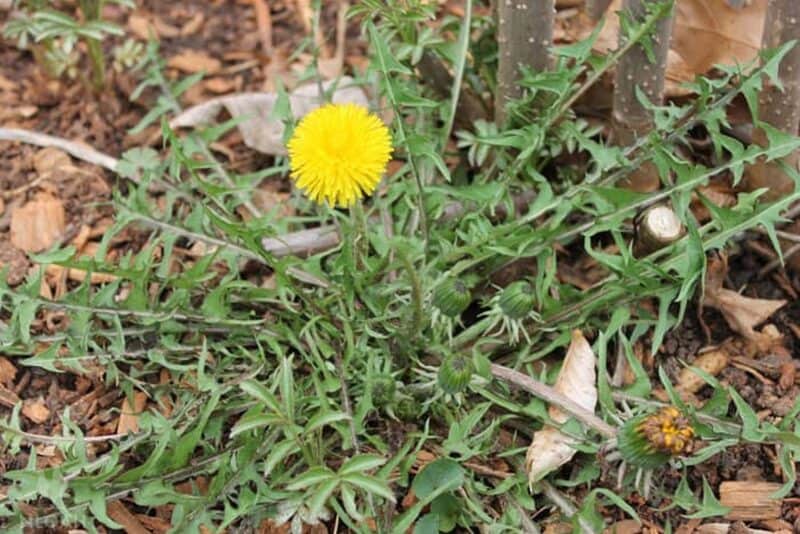
Dandelion (Taraxacum officinale)
- Grows In: Lawns, meadows, disturbed soils, roadsides; ubiquitous across North America
- Identifying Characteristics: Toothed leaves in a basal rosette, hollow stems with milky sap, bright yellow flowers that turn to distinctive fluffy seed heads
- Nutrients: Vitamins A, C, K; calcium, potassium, iron; various antioxidants
- Notes: No harmful lookalikes; young leaves less bitter; flowers used for wine and salads; roots can be roasted for tea or coffee substitute
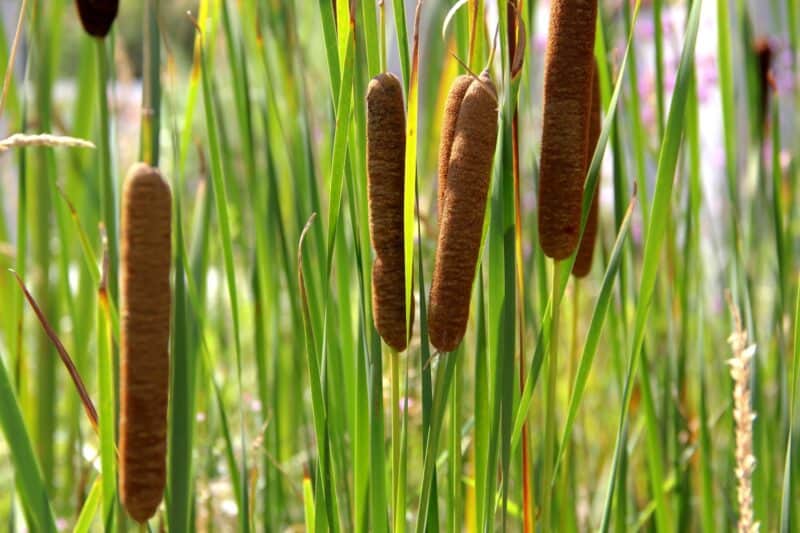
Cattails (Typha spp.)
- Grows In: Wetlands, marshes, pond edges, shallow water; throughout North America
- Identifying Characteristics: Tall stalks with brown cigar-shaped seed heads, sword-like leaves, growing in or near water
- Nutrients: loaded with carbs, some protein; various B vitamins, vitamin C; potassium, phosphorus
- Notes: Avoid specimens from polluted waters; multiple edible parts can harvested throughout the growing season
Wild Asparagus (Asparagus officinalis)
- Grows In: Meadows, roadsides, old homesteads; throughout US and North America
- Identifying Characteristics: Tender spears in spring; later develop into feathery, fern-like foliage; sports red berries in fall
- Nutrients: Folate, vitamins K, C and A, good source of fiber
- Notes: Harvested methods similar to cultivated asparagus; look for last year’s dried stalks to locate new growth
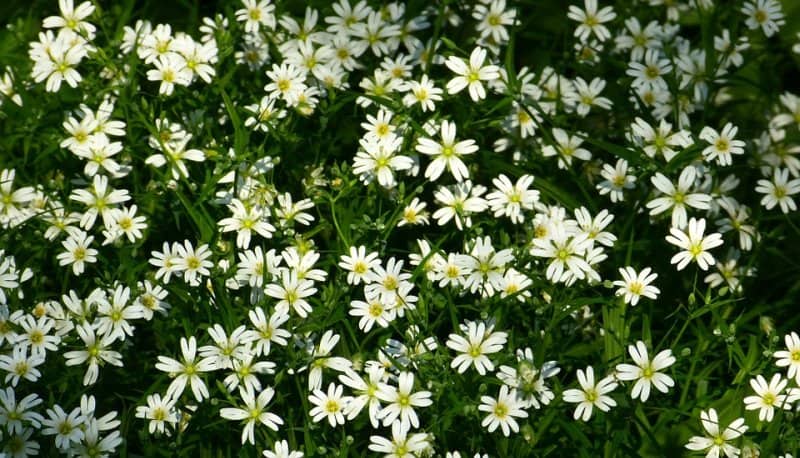
Chickweed (Stellaria media)
- Grows In: Gardens, lawns, disturbed soil, woodland edges; all throughout US
- Identifying Characteristics: Small white flowers with deeply notched petals, oval leaves in opposite pairs, fine line of soft hairs that runs along the stem
- Nutrients: Vitamins include B complex, A, D and C; iron, calcium, potassium
- Notes: Mild flavor similar to corn silk; can be eaten raw or cooked; avoid plants growing near heavily traveled roads or polluted areas
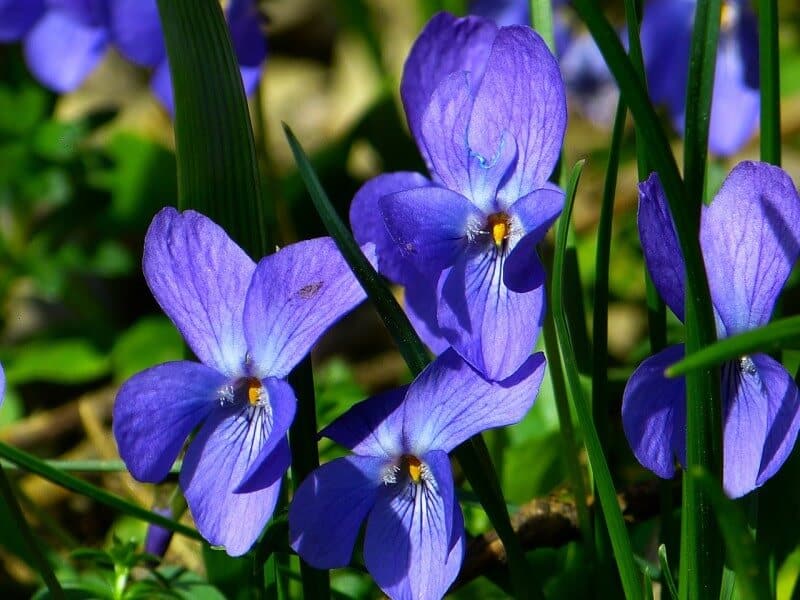
Violet (Viola spp.)
- Grows In: Woodlands, lawns, meadows, partly shaded areas anywhere throughout North America
- Identifying Characteristics: Heart-shaped leaves, distinct five-petaled flowers (usually vivid, characteristic purple, but can be white, yellow, or blue)
- Nutrients: Vitamins A and C, salicylic acid
- Notes: flowers and leaves edible; leaves high in mucilage
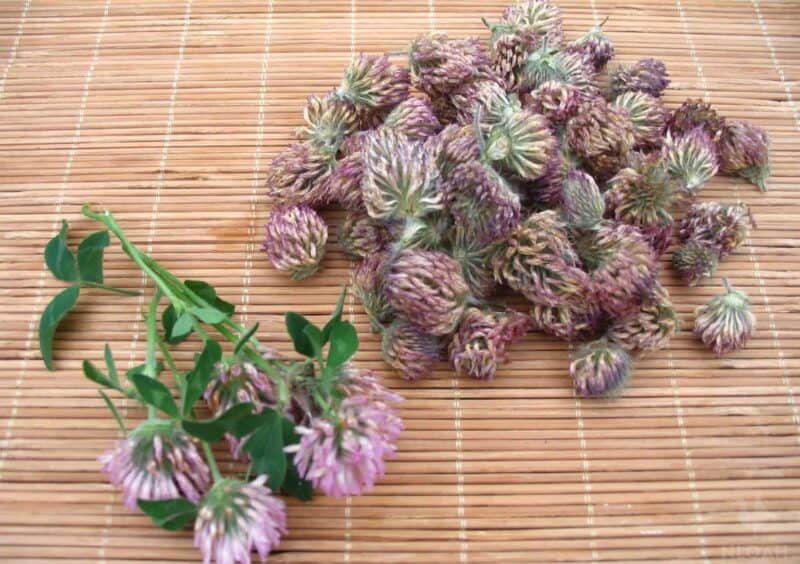
Clover (Trifolium spp.)
- Grows In: Lawns, fields, meadows, roadsides; all throughout North America
- Identifying Characteristics: Three-part leaves or occasionally four-part, round, globe flower heads composed of many tiny blossoms of white, red, or pink
- Nutrients: Protein, calcium, chromium, magnesium, phosphorus, potassium
- Notes: flowers are significantly more palatable than leaves; can be eaten raw but better when cooked to reduce compounds that may cause upset stomach; red clover has traditional health-boosting uses
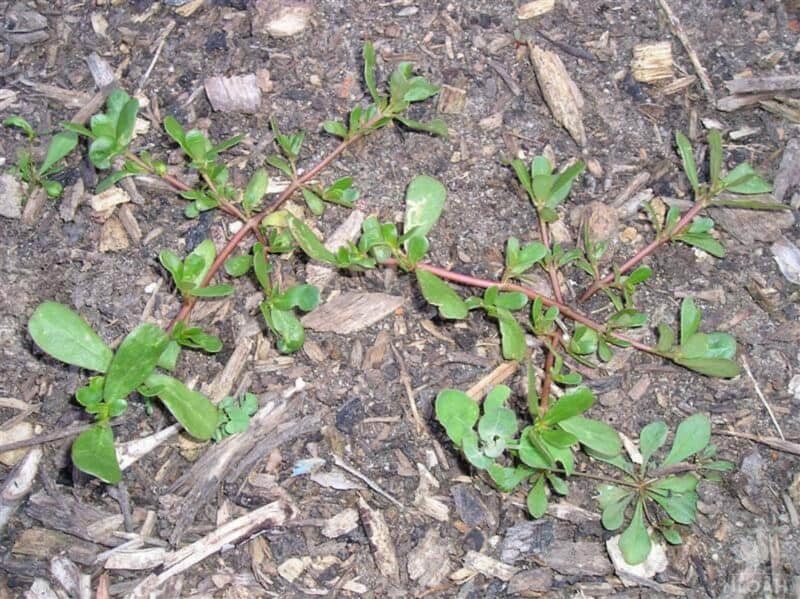
Purslane (Portulaca oleracea)
- Grows In: Gardens, cracks in sidewalks in urban areas, disturbed soil, sunny spots; found throughout US and North America
- Identifying Characteristics: Succulent, paddle-shaped leaves; reddish stems that grow flat along the ground; small yellow flowers
- Nutrients: vitamins A, C, E, Omega-3 fatty acids; magnesium, calcium, potassium, iron
- Notes: Spurge is a convincing toxic lookalike but easily ID’d by milky sap when stem is broken; purslane has clear sap and tangy lemon-pepper flavor/aroma; can be eaten raw or cooked.
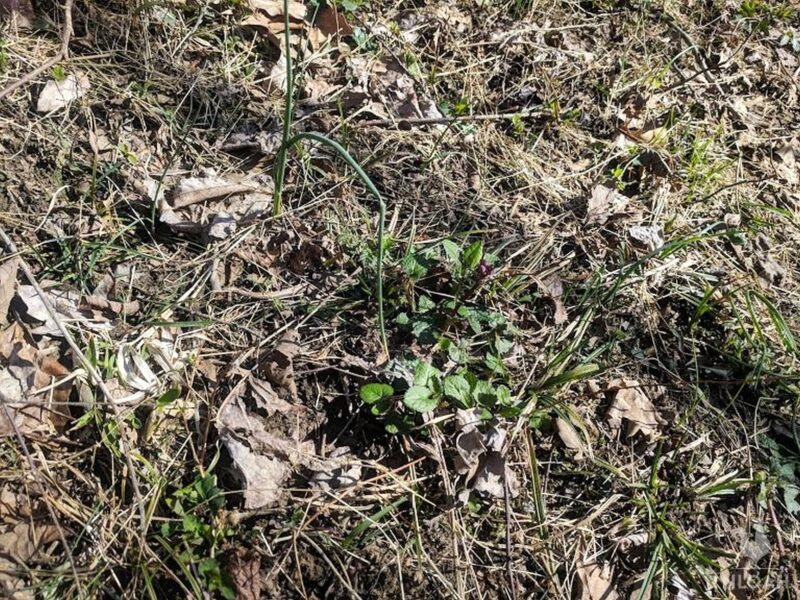
Wild Onions/Ramps (Allium spp.)
- Grows In: Deciduous forests, woodland edges, rich moist soils; most common in the eastern US (ramps) or various habitats all across North America (other wild onions)
- Identifying Characteristics: Distinct and recognizable onion/garlic smell when crushed; hollow or flat leaves; bulbous base; white or pink flowers in umbrella-like clusters
- Nutrients: Vitamins A, C, K, some folate; iron, manganese
- Notes: Caution! Death camas is a dangerous lookalike but can be ID’d by lack of onion smell; all parts of ramps and wild onions edible with varying flavors
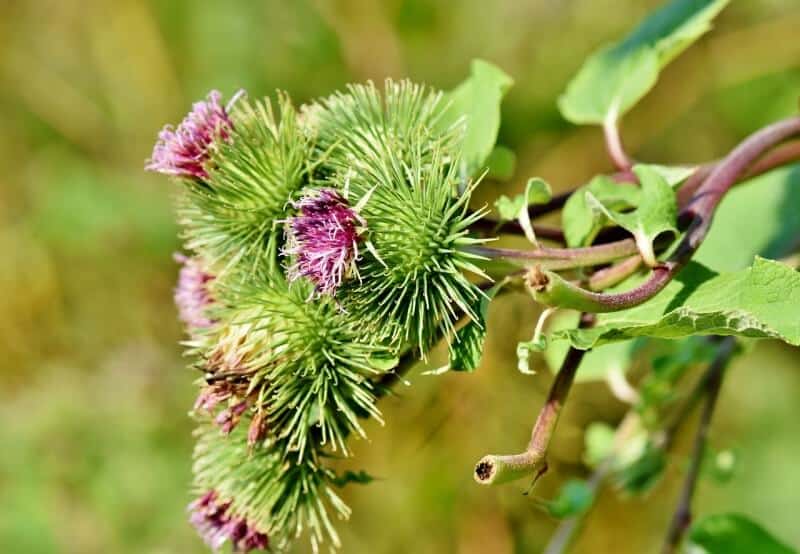
Burdock (Arctium lappa)
- Grows In: Disturbed soils, roadsides, field edges, wasteland areas; found throughout US
- Identifying Characteristics: Large, wavy-edged leaves; hollow stems; round purple flower heads that develop into burrs; large, stout taproot
- Nutrients: iron, calcium, potassium, magnesium
- Notes: Caution! may cause allergic reaction in people sensitive to plants in the daisy family
- Foxgloves are dangerous lookalikes, may also be confused with rhubarb or dock; first-year roots are harvested in spring; peel away outer layer.
Fiddleheads (Matteuccia struthiopteris)
- Grows In: Moist woodlands, stream banks, shaded areas; primarily northeastern US and Canada
- Identifying Characteristics: Tightly coiled immature fern fronds with brown papery scales; ostrich ferns (safest to eat) have a deep U-shaped groove on the inside of the smooth stem
- Nutrients: Rich in Vitamins A and C, omega-3 fatty acids, various antioxidants
- Notes: Caution! Many fern species are toxic or carcinogenic; ID and eat only ostrich fern fiddleheads; must be properly cooked prior to eating, never eat raw!
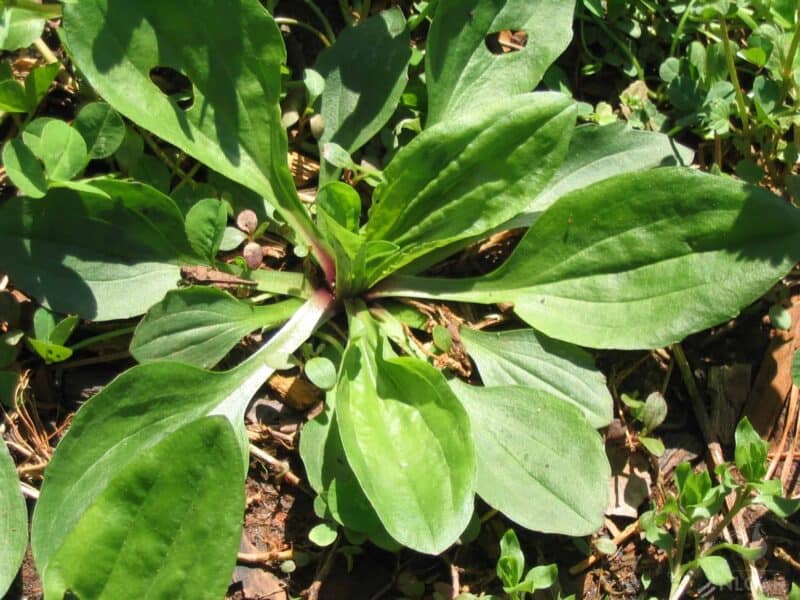
Plantain (Plantago major and P. lanceolata)
- Grows In: Lawns, pathways, disturbed soils, compacted areas; throughout North America
- Identifying Characteristics: Rosette growth pattern; notable parallel leaf veins; inconspicuous flower spikes; broad oval leaves (common plantain) or narrow lance-shaped leaves (others)
- Nutrients: Vitamins A, C, K; calcium
- Notes: Young leaves most tender; older leaves can be stringy and tough; seeds edible and high in fiber; traditionally used for wound healing and drawing out toxins
Wood Sorrel (Oxalis spp.)
- Grows In: Woodlands, forest edges, lawns, gardens; all throughout US and much of Canada
- Identifying Characteristics: Clover-like leaves with three heart-shaped leaflets; small five-petaled flowers (usually yellow); sour taste due to oxalic acid
- Nutrients: Vitamin C
- Notes: Has tangy but pleasant lemony flavor; can resemble clover but has heart-shaped leaflets; contains oxalic acid so consume in moderation; Caution! Don’t eat this one if you have kidney stones or gout;
Bittercress (Cardamine spp.)
- Grows In: Moist garden soils, lawns, woodland edges, along stream; throughout North America
- Identifying Characteristics: Small, compound leaves with rounded leaflets; tiny white four-petaled flowers; explosive seed pods when mature; mustard-like taste
- Nutrients: Vitamin C; various minerals
- Notes: Member of mustard family with similar peppery flavor; seeds pods “pop” and scatter seeds when touched; highly invasive in gardens, so that is a good place to look. Makes excellent microgreens for salad
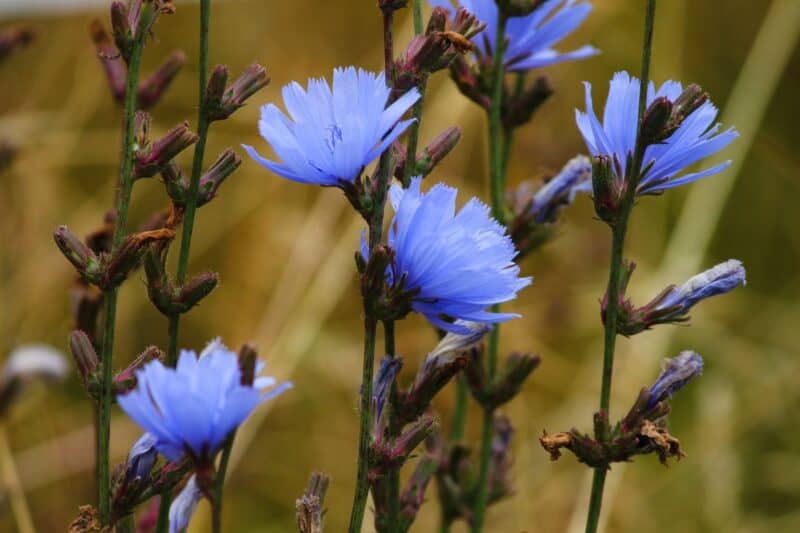
Chicory (Cichorium intybus)
- Grows In: Roadsides, fields, wasteland areas, disturbed soils; all across North America
- Identifying Characteristics: Dandelion-ish basal leaves; tall stalks with bright blue flowers; milky sap; woody taproot
- Nutrients: Vitamins A, C, K; potassium, calcium, phosphorus
- Notes: Leaves get significantly more bitter as they mature; roots historically used as coffee substitute when roasted
Curly Dock (Rumex crispus)
- Grows In: Fields, meadows, disturbed soils, roadsides; across North American continent
- Identifying Characteristics: Lance-shaped leaves with wavy or curled edges- hence the name! Reddish-brown seed stalks that persist through winter; yellowish taproot
- Nutrients: Vitamins A and C; iron, potassium, antioxidants
- Notes: Contains modest amounts of oxalic acid, so consume in moderation and cook to reduce content; like wood sorrel, don’t eat if you have kidney stones or gout; young leaves less bitter; seeds can be ground into flour
Beware of Toxic Lookalikes!
Even though these plants are all commonplace, easy to find and easy to identify you really need look out for toxic look-alikes. Eating the wrong plant, or the wrong part of the right plant, can have serious or even deadly consequences.
As always, you’re smart to get expert instruction from a veteran forager who is familiar with the plants in your area or the area where you are traveling. If that isn’t possible, always perform the universal edibility test before consuming.
Spending a few hours to be sure of a plant’s safety can save you a lot of agony, or potentially even save your life! Chances are you won’t starve in that time, so don’t take any chances.


Get your gift and learn things like:
- how to make this really quick pest spray
- how to prevent egg waste
- two cheap automation devices that will make your life easier
Tom has lived and worked on farms and homesteads from the Carolinas to Kentucky and beyond. He is passionate about helping people prepare for tough times by embracing lifestyles of self-sufficiency.