
Raised beds are a great way to make gardening just a little bit easier. With them, you won’t have to work right at soil level, and you can typically get better control over feeding, watering, and keeping out pests. I love them myself, and it’s hard to go back to in-ground gardening after!
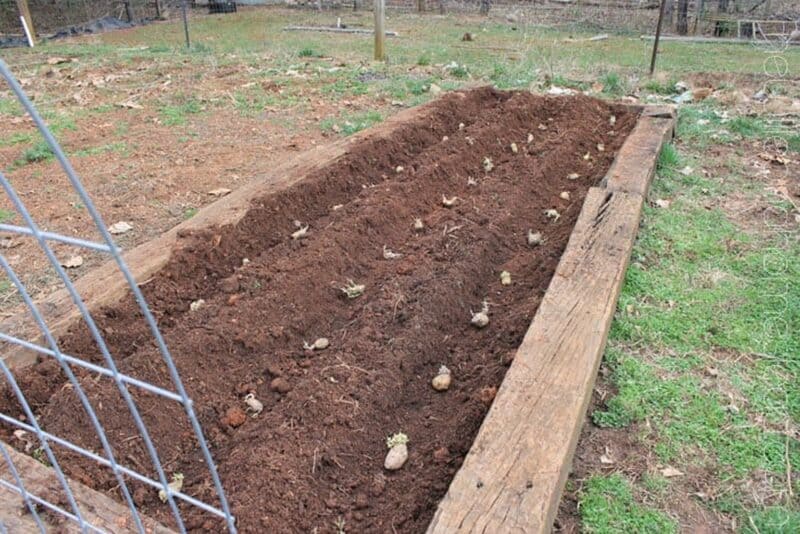
But planting in raised beds requires its own special approach, and specifically specialized soil if you want the best results. So, what is the very best soil for raised gardening beds?
The best raised bed soil is typically a combination of topsoil, compost, and loam in varying ratios. 2:1, 50/50, and triple mix are all popular soil types specifically for raised beds that are suitable for a variety of fruits and veggies.
Because raised beds have differing requirements for drainage and also nutrient retention, you would be wise to go with a soil blend that is known to offer those characteristics.
It’ll save you a ton of grief and ensure you can look forward to a bumper crop as a reward for all of your hard work and preparation. Other than that, there isn’t much to it!
Keep reading and I’ll tell you more about the best soil varieties for raised bed gardening below.
What is 2:1 Raised Bed Soil?
One of the most popular soil mixtures for raised beds is the aforementioned two-to-one. If you are in doubt, you’ll rarely go wrong with this. It’s nothing more than a combination of topsoil and compost, with two parts of the former to one part of the latter.
This mixture provides good drainage, is slow to compact, and is highly nutritious for most plants. You can usually order this stuff in bulk from well-equipped nurseries, garden supply centers, and some home improvement stores.
You don’t even have to order it pre-mixed or mix it yourself if you don’t want to; all you need to do is pour a certain density or layer height into your beds, and then pour the corresponding amount of the other in before mixing them together. It’s super easy, and it will save you time!
What is 50/50 Raised Bed Soil?
50/50 is similar to the aforementioned 2:1. But just as the name suggests, it is an even mix of compost to topsoil.
Generally, you are better off going with the former; if you’re dealing with soil that is particularly deficient in nutrients, 50/50 can be a good choice, and it’s also a good choice for amending or dressing beds that are depleted after one or more plantings.
Triple Mix Soil
Triple mix is another excellent choice for raised bed soil and consists of topsoil, compost, and either black loam or peat moss. Equal parts of each, though seasoned gardeners will often adjust ratios to their specific preferences or plantings.
This is an excellent all-around mixture to ensure good drainage, plenty of nutrients, and amenability to beneficial microorganisms and other critters.

Can You Use Potting Mix in a Raised Bed?
Yes, but you don’t want to use it by itself because it’s typically too light for the job – even though it has a good blend of nutrients.
If you have plenty of potting mix on hand, or can just get a good deal on it, you can mix it in a one-to-one ratio with garden soil and use that to fill your beds. It should work perfectly for most decorative plants, fruits, and veggies!
What About Soilless Potting Mixes?
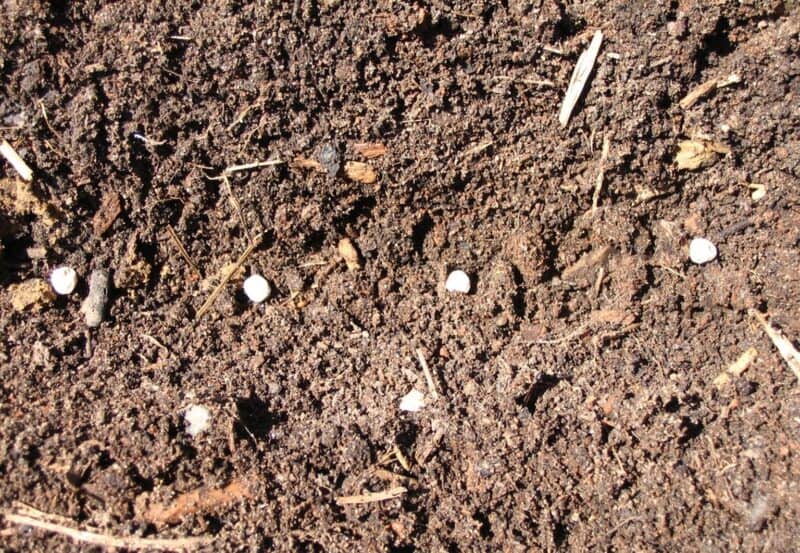
No. Soilless potting mixes – and yes, there is such a thing – are as a rule much too light and fluffy for most plants that you’ll grow in a raised bed.
These soilless mixes usually have coconut coir, vermiculite, perlite, and other ingredients in various combinations and are typically used for indoor planting and starting seeds.
They are so light and delicate, they offer very little impediment to young shoots and roots.
But by the same token, they don’t offer very much in the way of support to larger and more mature roots, especially those of veggies like pumpkins, indeterminate tomatoes, artichokes, squash, lima beans, and so on.
Starting with a soilless mix is only going to cost you more money for no reason, as you’ll have to fortify it with actual soil to provide structure to your plants’ roots.
Do You Need to Buy Specialty Raised Bed Soil?
No, not necessarily. Any kind of soil can work in raised beds as long as it supplies the nutrition and the characteristics that plants need to thrive.
Accordingly, the soil must have the appropriate mixture of nitrogen, phosphorus, potassium, and various other micronutrients and trace elements to support healthy growth and productivity, but it must also retain water without getting waterlogged.
Likewise, compaction can be a major problem in raised beds and difficult to correct without getting destructive once plants are established – so loose, loamy soil is ideal for the purpose.
I know folks that have used potting soil mix, fill dirt, and just about everything else you can think of in their raised beds to varying degrees of success. If the land on your property, or from anywhere else, meets these criteria, go for it!
What Makes Raised Bed Soil Different from Garden Soil?
As a rule of thumb, raised bed soil that you purchase commercially will always have peat moss or black loam added to it, and often additional nutrients as well. It’s designed to stay moist and hold more water longer without compacting.
Can You Just Use Dirt from Your Property to Fill the Beds?
Yes, you can. However, for all of the reasons we talked about in the previous section, you’ll want to do a soil nutrient and pH test before you commit to filling your raised beds with “native” soil.
It won’t do any good to use the dirt from your backyard or anywhere else if it can’t feed your plants and support them!
That said, there’s no reason why you can’t take subpar soil and then add the things that it is missing after testing.
Fertilizers, compost, leaves, wood, and more all have a part to play in developing and fortifying soil. Like one of my mentors told me, “any dirt will do if you know what you’re doing!”
Don’t Forget That Raised Beds Need Fertilizing and Amendments, Too!
Despite raised bed soil being nutrient-rich and ideal for many kinds of plants, it will still become depleted over time, particularly if you are growing nutrient-hungry plants in it like peas, beans, watermelons, and so forth.
Check your soil periodically throughout the year and don’t hesitate to add fertilizer as required or top up the soil with two or three inches of compost or the raised bed mix that you made or bought.
Other good options for inclusion include mulched leaves, grass clippings, and potentially even manure or sawdust.
Just bear in mind that all of the usual rules for soil amendment still apply when you’re working in a raised bed as opposed to in your garden.
If you’re adding wood or wood products, they will suck up nitrogen out of the soil during decomposition if you haven’t let them sufficiently decompose before adding them.
This can be a recipe for disaster if you’re growing tomatoes, peppers, greens, okra or other nitrogen-hungry veggies. If you can, thoroughly mix that stuff into the existing soil to evenly distribute the nutrients.


Get your gift and learn things like:
- how to make this really quick pest spray
- how to prevent egg waste
- two cheap automation devices that will make your life easier
Tom has lived and worked on farms and homesteads from the Carolinas to Kentucky and beyond. He is passionate about helping people prepare for tough times by embracing lifestyles of self-sufficiency.
To save on soil I place old pieces of wood, sticks, and leaves in the bottom of my raised bed up to almost half full then put in the dirt.
This saves me money by not having to use so much dirt.
If I’m growing something like carrots or parsnips I won’t use this method so the tubers won’t be deformed.