
Sheep are known for being hardy animals that can adapt to a wide variety of climates and conditions. They are generally easy to raise and require little more than pasture, plenty of water, and a bit of space.
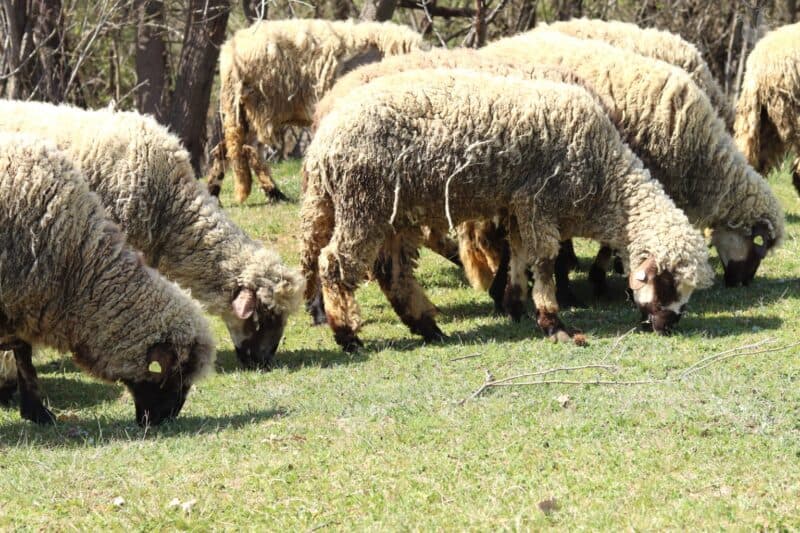
However, they are not immune to health problems, and one of the most common issues afflicting them is vomiting.
So why is my sheep throwing up, and what can be done about it?
Sheep often regurgitate their food in a process known as cudding, something that all ruminants do. They spit up and then chew food again to extract more nutrients. This is normal behavior, but other causes may include accidental poisoning, grain acidosis, bloat, enterotoxemia, and foreign bodies.
As a sheep farmer, it’s to can distinguish between regular regurgitation (cudding) and abnormal vomiting – and know what to do in case of the latter. Let’s take a closer look.
Throwing Up Reasons – One By One
If you’ve ever seen your sheep throwing up, you may be wondering why this is happening. There are a few potential reasons for this behavior.
Cudding
Many sheep owners have, at one time or another, found their sheep throwing up. While this can be alarming, it is usually not cause for concern.
Sheep are known to cud, which means they regurgitate partially digested food and chew on it again. This helps them to break down tough plants and extract more nutrients.
Cudding is perfectly normal behavior.
However, if one starts cudding excessively, it may be a sign of illness. If that’s the case contact a veterinarian to check for underlying health problems.
Grain Acidosis
Grain acidosis happens when sheep eat high-grain diets, which ferment in their four-part stomachs and produce lactic acid.
The lactic acid accumulates faster than the sheep can break it down, leading to grain acidosis.
Symptoms of grain acidosis include excessive drooling, frequent urination, diarrhea, weakness, and depression. If you think your sheep may have grain acidosis, take them to the vet immediately. Left untreated, grain acidosis can be fatal.
Accidental Poisoning
If your sheep is showing signs of distress like lethargy or excessive drooling, it’s possible that it has been poisoned.
Lots of common household and agricultural products that can be toxic to livestock, including certain medications, rodent poisons, pesticides, and certain types of fertilizer. There are even some plants that can be dangerous.
If you suspect that your sheep has experienced accidental poisoning, it’s important to seek medical attention right away in order to prevent further complications.
Bloat
Bloat is a condition that occurs when the stomach fills with gas, causing it to expand. This can happen if the animal has eaten too much lush grass or clover, or if it’s been drinking from still water sources.
Bloat can be deadly if not treated quickly, so it’s important to keep an eye on your sheep and look for the signs. If you see your sheep throwing up, call a vet right away.
Enterotoxemia
If your sheep is throwing up, it could be a sign of enterotoxemia. This is a serious condition that occurs when toxins build up in the intestines, causing them to become inflamed.
The toxins are usually produced by bacteria, and they can cause the sheep to go into shock and die very quickly.
Enterotoxemia is most common in young lambs, but it can also affect adults.
There are several different types of enterotoxemia, but the most common is type C, which is caused by the bacteria Clostridium perfringens.
Type C enterotoxemia can be prevented with vaccinations, so always make sure your sheep are up to date on their shots.
If you think your animals might have it, take them to the vet immediately for treatment.
Foreign Bodies or Infection (Choking)
A final possibility is that the sheep has choked on something. This can happen if the sheep eats too quickly or if there is something in the pasture that they are not used to.
Another possibility is that the sheep has an infection or disease. This can cause them to vomit as their body tries to get rid of the infection.
If your sheep is throwing up, it is important to take them to a vet.
How to Prevent Vomiting
There are a few key steps that you can take in order to prevent your sheep from vomiting.
The first is to always feed them high-quality forage because this will help to keep their digestive systems functioning properly.
Second is to limit the feeding of grain. This isn’t needed for sheep and can lead to problems like bloat and digestive upset.
Additionally, you should provide them with clean water at all times, since a lack of hydration can contribute to upset stomachs.
Make sure your sheep don’t have access to any potentially toxic plants and remember that some common ones can cause problems. These include:
- Garden iris
- Holly
- Morning glory
- English ivy
- Yew
- Wild cherry
- Rhubarb
Keep your sheep’s barns and pens clear of debris so there aren’t foreign objects for them to choke on.
Finally, make sure that you are paying attention to any signs of illness or infection; things like persistent fever and lethargy can increase the risk of vomiting in sheep.
Home Remedies for Vomiting Sheep
Thankfully, there are also many home remedies that can help to ease the symptoms and treat the underlying cause.
For example, adding a small amount of honey to the sheep’s water can help to soothe an upset stomach, while garlic is a natural anti-parasitic that can help to get rid of any worms that may be causing the vomiting.
Similarly, ginger root has long been used as a treatment for nausea and can help to settle an unsettled stomach.
In most cases, home remedies are all that’s needed to treat vomiting in sheep. But, if the vomiting persists or is accompanied by other symptoms, it is always best to consult with a veterinarian to rule out any serious health concerns.
When to Call the Vet
If your sheep is throwing up, giving your vet a call first, may not be such a bad idea… There are a few things to consider before doing it, though.
First, consider whether the vomiting is accompanied by any other symptoms, such as diarrhea or lethargy. If so, it’s likely that your sheep is suffering from an illness or injury that will require professional treatment.
Secondly, take note of how often your sheep is throwing up. If it’s happening frequently or persistently, it’s best to err on the side of caution and give the vet a call.
Finally, pay attention to what your sheep is throwing up. If it’s just water or grass, then it’s probably nothing to worry about.
However, if there is blood or mucus in the vomit – or if the vomit is unceasing – this is a sign that something more serious is going on.
If you see any of these red flags, don’t hesitate to give your vet a call for guidance. If you’re experiencing a similar issue with your sheep, we hope the following tips will help. Remember, if the problem persists or is causing harm to your animal, please consult with your veterinarian.

Rebekah is a high-school English teacher n New York, where she lives on a 22 acre homestead. She raises and grows chickens, bees, and veggies such as zucchini (among other things).