
Gardeners know that their plants need lots of sunlight, water, nutrition, and love if they are going to grow and thrive. But plants also need protection from insect pests!

From persistent public enemies like aphids and various kinds of insect larvae to more species-specific critters like mites, Japanese beetles, and more, you can do everything right but an insect infestation can wipe out your garden and rob you of your hard work.
It’s enough to make any green thumb go crazy with anger. But before you reach for that jug of poison, you need to know about these 10 plants that will help you repel all kinds of insects naturally and safely. I’ll tell you all about them in this article.
Chrysanthemum
The prettiest, and also one of the most popular, plants on our list is one with insect-fighting power that most people would have never guessed.
Despite the gorgeous cascade of pink or purplish blooms, chrysanthemums really are a nightmare for many garden pests. That’s because the plant is a naturally occurring source of pyrethrin; if that sounds familiar, it’s because it is the same ingredient found in many over-the-counter insecticides!
Many insects instinctively flee from the plant, including whiteflies and mosquitoes. But chrysanthemums are also one of the only plants truly effective against the ever-persistent Japanese beetles and various kinds of mites.
Garlic
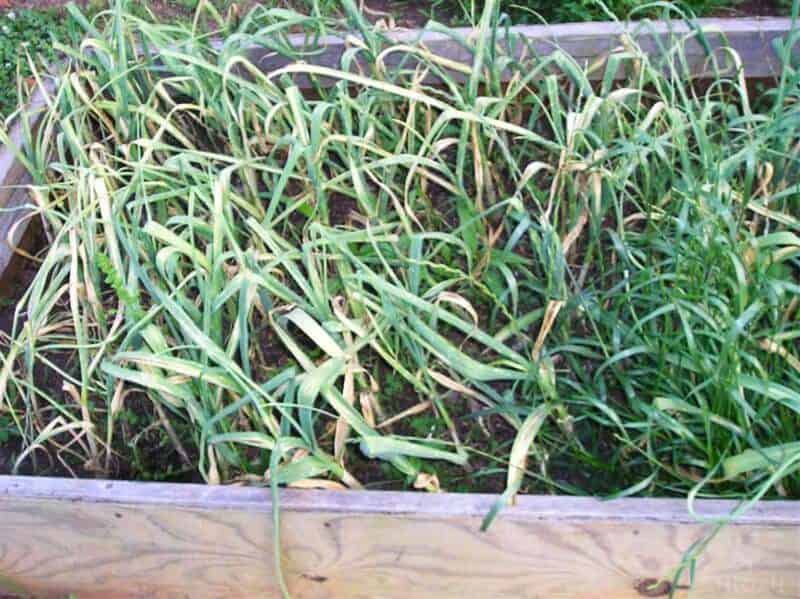
Garlic, for most of us, is a must-have in the kitchen, and that means it is a shoo-in for growing in your garden whether or not you are focusing on herbs or ornamentals. But garlic makes a great guardian even if you’re just focused on big, beautiful showy blooms.
The sulfurous compounds in garlic have been known since time immemorial as pest repellents, and today you can depend on garlic giving slugs, snails, aphids, various flies, and cabbage worms the boot.
The compact growth habit of garlic also makes it a great close-in defender of vulnerable nightshade family veggies like tomatoes, potatoes, peppers, and eggplant.
Just keep in mind you’ll have to start garlic in the fall so it can develop all winter for a harvest the following year; that’s when you’ll start benefiting from the protection, too.
Onion
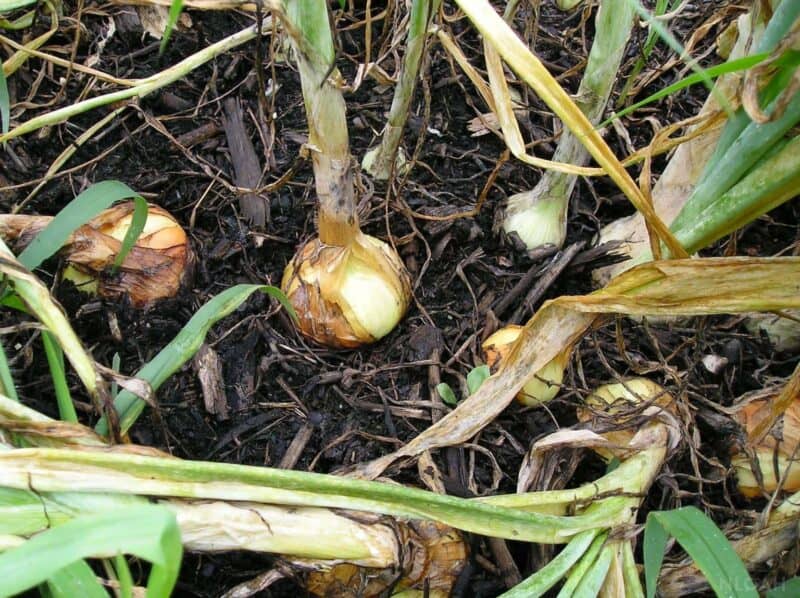
Onions can be a great companions to garlic, culinarily, but both of these allium genus plants share the same potent pest-repelling properties.
Onions, though, tend not to be quite as powerful as garlic, but they can still protect you from the same insects just waiting for a chance to demolish your garden.
But one thing to consider for folks who care more about flowers than food is that many onion varieties produce big, pretty clusters of flowers themselves, meaning they might make a better fit for your garden.
Globe Master, Star of Persia, and Mount Everest are all great cultivars if you care more about looks than dinner, and you’ll still enjoy great protection from them.
Lemongrass
Lemongrass is one of the most well-known insect-repelling plants, and I’m happy to report this isn’t some old wives’ tale, either. It really works!
But not too many people actually know why lemongrass works the way it does. That’s because this long, wispy grass actually contains citronella oil, the same stuff that’s found in those mosquito-busting candles that are always for sale in the spring and summer.
Lemongrass is one of the very best things you can plant if you want to keep mosquitoes out of your garden and away from your blood while you are working out there.
You’ll also be happy to know that it repels various other kinds of flies that can spread disease, sometimes to your plants.
For best results, plant lemongrass as a border around your garden or, if you’re pressed for space, at each of the corners. It can also grow well in containers if you are out of room.

Mint
All kinds of mint are beloved for their bright, fresh, cool flavor and scent, and also for their odor-killing properties. That’s why it’s used so much in gum, toothpaste, and other products.
No matter the variety, mint gets that aroma from menthol. And menthol, in the wild, is a ferociously powerful insecticide.
Ants, various beetles, grubs, other larvae, and a lot more are utterly repulsed by the stuff because, to them, the aroma of mint instinctively tells them that they are in danger.
You can put mint to work as an attractive, edible, and all-natural insect repellent in your garden, but you’ve got to take precautions because it can spread like wildfire and easily strangle other nearby plants.
My favorite technique is probably your best bet: plant it in containers so it’s easier to wrangle…
Catnip
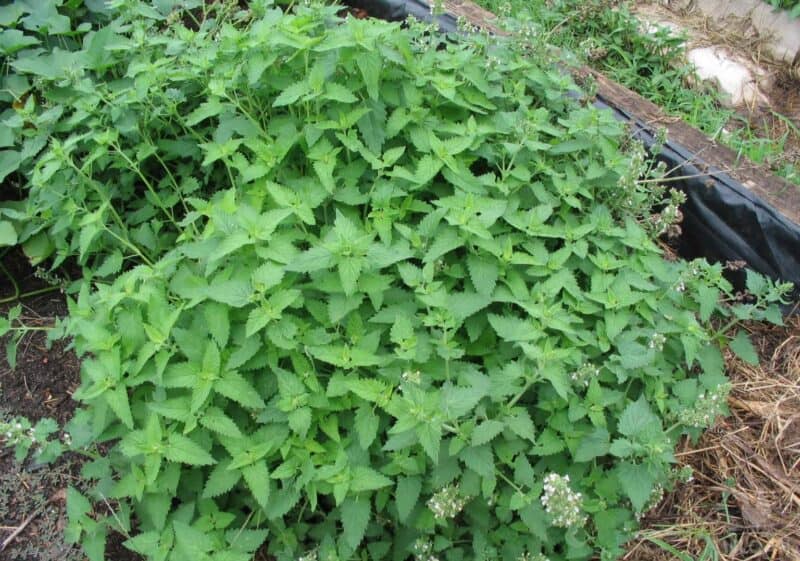
You shouldn’t plant catnip if you want to keep cats out of your garden, but you definitely should plant it if you want to keep roaches, fleas, flies, ticks, and more away.
And unlike so many of the other herbs on our list, catnip is unique in that it seems to actively irritate bugs that are exposed to the active ingredient, and the plant emits it even when it is growing live and fresh. Planted at the corners of your garden, it will provide good protection.
But a word of warning: catnip is technically a member of the mint family, and like nearly all mint varieties, it spreads voraciously, so you’ve got to keep an eye on it and take steps to manage it.
Rosemary
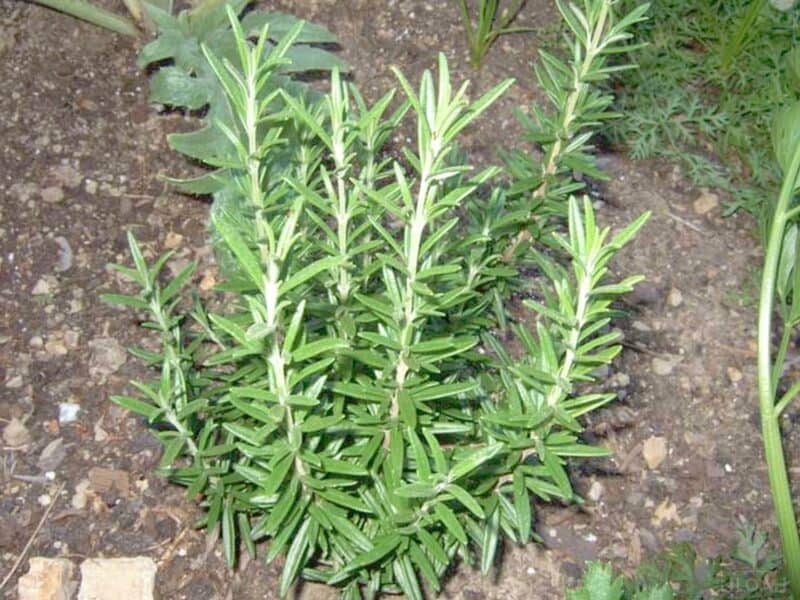
I heard it said once that a man can make it to the end of the Apocalypse if he just has enough rosemary to season his meals. I don’t know if that’s true because I like a wide variety of herbs, but you can’t deny that rosemary has a one-of-a-kind flavor and aroma.
And like the other herbs we have covered already, it is the aroma of rosemary that is such a powerful deterrent to various garden pests.
Just like lemongrass, it keeps mosquitoes away, but more importantly, if you are growing veggies, it will repulse the dreaded cabbage moth and various carrot flies.
This is a versatile and useful repellent that you’ll get plenty of use out of in the kitchen, too. Just remember that it needs lots of sun but also loamy, well-draining soil. Don’t let it stay wet, or the plant will suffer and lose effectiveness.

Lavender
Whether you love the fragrance or despise it, there’s no debating that lavender is one of the most beloved herbs around the world, cultivated both for its culinary and aromatic benefits.
But as lovely as that fragrance is, it signals one thing and one thing only to insects like moths, various flies, fleas, and other creatures: danger.
One of the many compounds in lavender is called linalool, and curiously, it tends to baffle and irritate the olfactory receptors of various insects. This irritation drives them away because it makes it much harder for them to navigate their environment, find food and mates, and more.
The more concentrated the lavender aroma, the better the effect. Once again, you’ll want to plant borders of lavender if you can or, in a more compact garden, a dense row right down the middle.
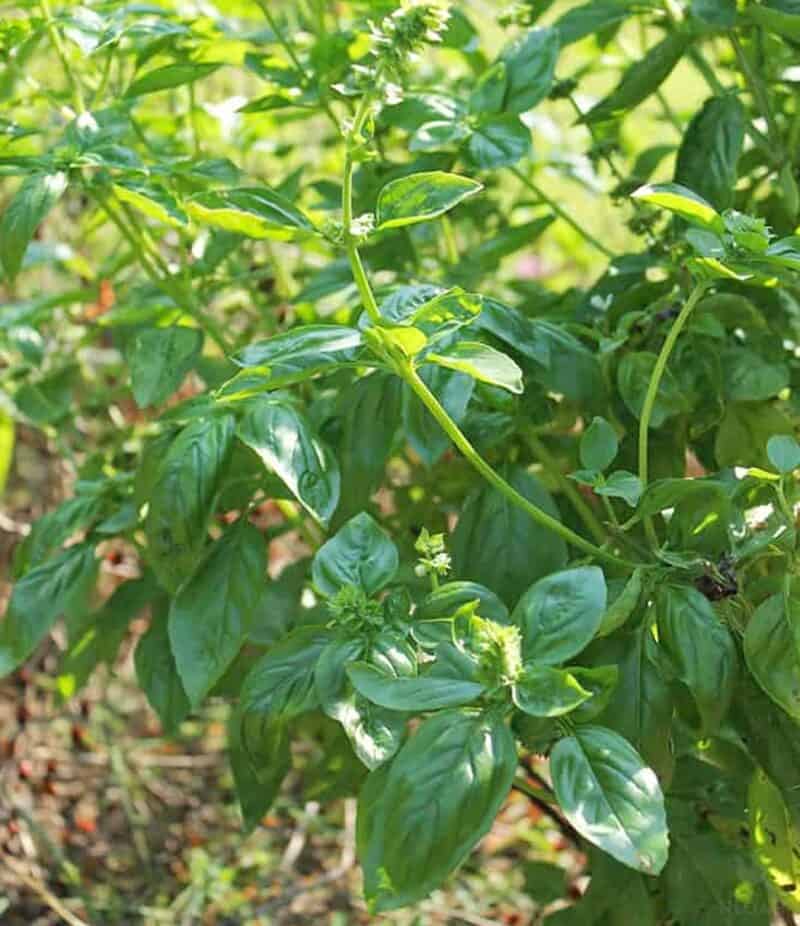
Basil
Another herb, another insect-repelling all-star. It’s hard to argue against basil as being the king of the kitchen herbs: fragrant, sweet, and perfectly at home in countless dishes, basil is often the first herb that people start with when growing their own.
Not only is it bountiful and surprisingly hardy, but it is also uniquely packed with multiple insect-repelling or insecticidal organic compounds. It’s no exaggeration to say that anywhere basil grows, most insects don’t go!
I don’t have room to list all of the insects that are affected by basil, but I am happy to report that two of the biggest garden perpetrators, tomato hornworms and aphids, will head for the hills when they smell this stuff. It is also effective against mosquitoes and other flies, too.
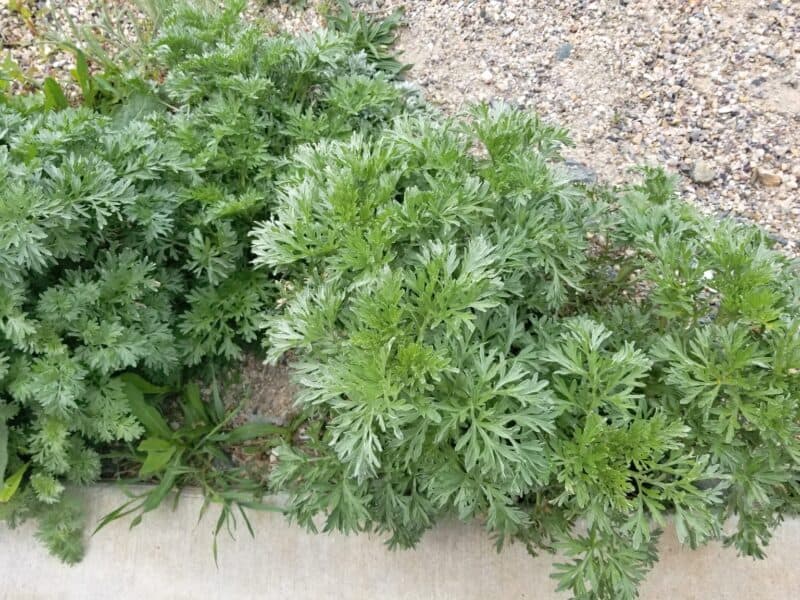
Sage
Who knew that herbs were so useful in addition to being so tasty? The earthy, sweet smell of sage is uniquely distinctive, but as you might have guessed by now, that aroma is an unmistakable indicator to insects that they should steer clear.
Sage is another all-purpose insect repellent that is proven effective against many of the worst garden perpetrators, including various beetles, slugs, snails, cabbage moths, and many kinds of flies, including carrot flies.
Sage is potent enough that you can plant it at the corners and expect good protection, but if you’ve been dealing with constant pest invasions, consider planting it in a perimeter around your entire garden. It works almost like an invisible force field!


Get your gift and learn things like:
- how to make this really quick pest spray
- how to prevent egg waste
- two cheap automation devices that will make your life easier
Tom has lived and worked on farms and homesteads from the Carolinas to Kentucky and beyond. He is passionate about helping people prepare for tough times by embracing lifestyles of self-sufficiency.