
Ducks, like all birds, depend on their feathers for insulation and to help regulate body temperature, but ducks actually depend on theirs A LOT. Without their feathers, ducks lose their amazing waterproofing, and that just won’t do since they spend so much of their time in and around the water.
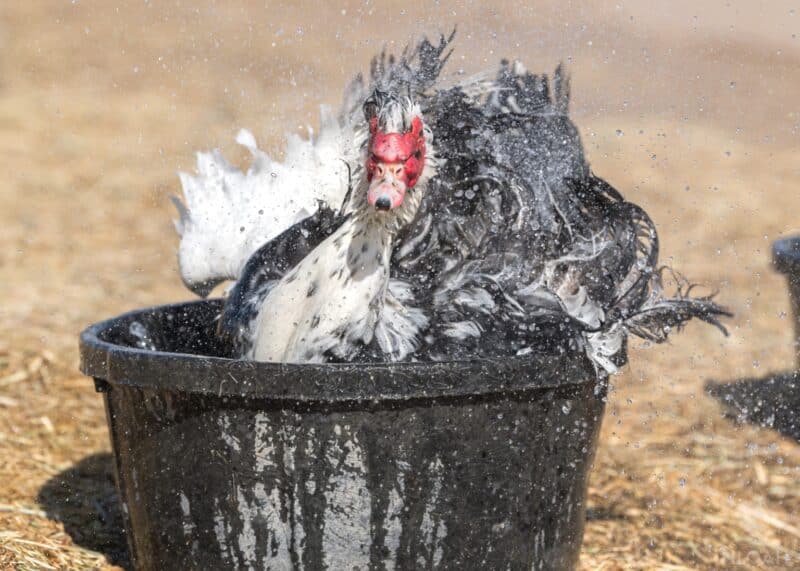
If you have a backyard or homestead flock of your own, feather loss can be downright alarming, and often it seemingly comes out of nowhere. The good news is that most causes of feather loss are easily understood, and in several instances just part of a duck’s life.
On the other hand, it can also point toward larger issues or even health problems, so learning to diagnose it is really important. Keep reading, and I’ll tell you about eight possible reasons why your ducks could be losing their feathers.
Molting
One of the most common, and ultimately harmless, reason why your ducks are losing their feathers is simply that they are molting. Molting is the normal, natural, and periodic replacement of feathers in birds.
Ducks are a little different from most species, however. Mature females typically molt once a year. Males of most breeds, on the other hand, molt twice, losing their distinctive and flashy breeding plumage near the end of summer and regrowing it again through the fall.
What you need to know is that ducks show a distinctive molting trait in that they typically replace all of their flight feathers at once, leaving them temporarily grounded and also leaving lots of feathers on the ground! If you notice most of your ducks looking scruffy after their typical breeding season, it’s probably just normal molting.
Bullying
Ask anyone who’s kept ducks, chickens, or any other kind of poultry, and they will tell you: too many birds under too much pressure in too small a space will set the stage for a terrible fight that could end with injured or even dead birds,, and a whole lot of plucked feathers no matter what happens!
Misbehavior like this is usually referred to as bullying or feather pecking, and while it might strike you as comedic, there’s nothing funny about it. Bullying causes a vicious cycle of increasing stress that will eventually take hold in the entire flock. A few lost feathers turn into an injury, and injury can sometimes result in actual cannibalism.
Causes are many, but you can count on overcrowding, competition for limited food or water resources, and other stressors lighting the fuse. Bullying in your flock is serious, and if you notice one of your birds picking feathers off of others, you’ve got to act.
Mating Loss
Duck mating in real life doesn’t look anything like what you’d expect; all snuggles and love. Instead, it’s aggressive, fast, brutal, and borderline violent. Drakes typically subdue a hen for mating by grabbing her neck or head in their beak. A single copulation may result in a lost feather or two, but if a hen is being mated too much, either from an overactive drake or multiple drakes servicing the same hen, she can develop ragged or bald spots.
Contact with the male’s claws can also cause feather loss on her rump. If you have drakes in your flock, you’ve got to keep a constant eye out for these symptoms.
Nesting Activity
Hens intent on laying and hatching a clutch of eggs will construct or improve a nesting site for their babies-to-be through various means. Since the nest needs to be both soft and warm, most some moms will pluck feathers and soft down from their chests to line the nest with.
This creates a distinctive thin or bald patch on their breasts called a “brood patch”. It’s easy to spot and easy to recognize, but shouldn’t be a problem if you’re regularly collecting eggs, unless you’re dealing with a particularly broody hen.
Also keep an eye out for fluff or fuzz material in your nesting boxes; chances are it’s off one of your girls! Note, though, that if your ducks have molted you might find traces of this fluff, too. This isn’t something you need to worry about, thankfully.
External Parasites
Ducks are somewhat more resistant to external parasites like mites, lice, and ticks compared to chickens, but they still get their fair share. Certain mite species, like quill mites, can be big problems for ducks because their tightly interlaced feathers make detecting them very difficult.
Quill mites, as their name suggests, actually attack the shafts of a duck’s feathers, living inside them and eating away at them until they weaken and snap off. All kinds of parasites, whatever they are, can also make ducks itchy, and that means they could scratch at their bodies more, which can contribute to feather damage and eventual loss.
Routine treatment of a duck’s shelter to prevent parasite outbreaks, and treatment of the ducks themselves when indicated, for external parasites is important, and something you should be doing as a matter of course. Note, though, that significant feather loss is only likely due to parasites in the case of a raging infestation.
Poor Bathing Conditions
Ducks need the water. Everyone knows that, right? What some well-intentioned keepers don’t know, though, is that ducks need clean, deep water they can properly swim and immerse themselves in. Little sprinklers, fountains, and shallow baby pools just aren’t going to do the job.
Part of this is because ducks need deep water to stay properly clean. Ducks immerse themselves and then use their beaks to take oil from a preen gland located at the base of the tail, spreading it around to help clean and waterproof their feathers.
Studies have shown that lack of access to bathing water inhibits the development of the preen gland and preening in ducks! Make sure you give your flock plenty of bathing water to swim in, and do what you must to keep it clean so they can keep their feathers clean and healthy.
Poor Diet
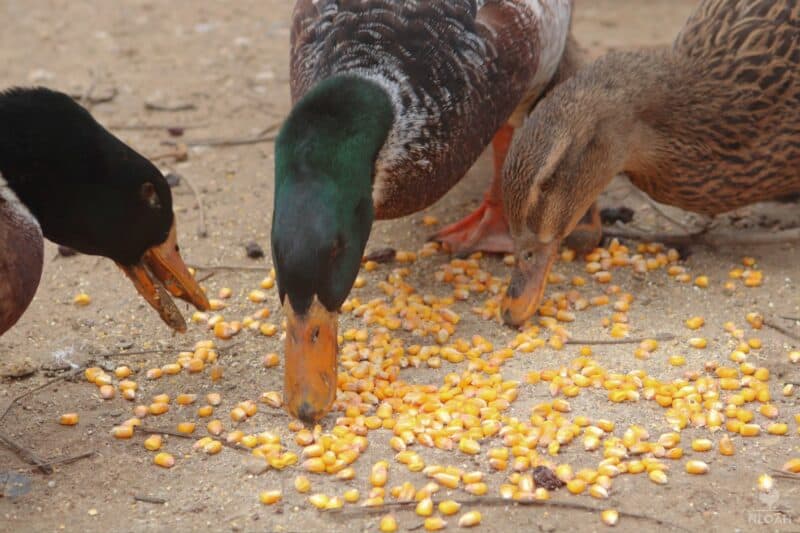
Ducks, like all birds, need plenty of food and a variety of vitamins, minerals, and macronutrients. Concerning the health and growth of their feathers, protein and amino acids are crucially important. They need a bare minimum of 16% protein in their diet to support feather growth; anything less than that and feather growth will falter. A lack of adequate amino acids (methionine) can cause feather growth to stop entirely!
Niacin is massively important for growing ducks, too, as ducks and most other species of waterfowl need around twice as much as chickens do during adolescence. A lack of niacin causes serious problems with leg development and also poor feathering in young ducks. Note, though, that a dietary lack of niacin is quite rare in adult ducks.
Chronic Stress
Ducks have needs, and if they aren’t met, they will get stressed out. Constant, ongoing stress can cause slow feather growth or regrowth, in addition to sparking the bullying problems detailed above. Overcrowding, lack of food, lack of water, lack of daylight, and persistent irritation or threatening behavior are some of the most common stressors in ducks associated with poor feathering.

Get your gift and learn things like:
- how to make this really quick pest spray
- how to prevent egg waste
- two cheap automation devices that will make your life easier
I’ve taken over this blog from Kendra Lynne around 2018, and turned it into one of the best an most comprehensive homesteading website out there. I was raised partly in the countryside living a very frugal life ever since I can remember.