
You ever notice how whenever you look at gardening pictures in books and on websites it always shows this perfect, loose black soil? The kind that is perfectly well-drained, perfectly nutritious, and very easy to work with?

That’s great if your land is fortunate enough to be blessed with it, or you’re working in containers or raised beds of bagged soil, but most of us aren’t so lucky…
Most of us have to make do with whatever soil happens to be present in our garden, and for so many of us across the South, that means clay soil.
Clay is notorious for being difficult to work with and prone to retaining too much moisture or smothering roots and preventing growth. Some folks say you shouldn’t even try to garden in it!
But the truth is it’s entirely possible to grow veggies in clay soil if you pick the right kinds and know a few tricks. I’ll be telling you about 20 such veggies down below. Get ready to get dirty, and keep reading.
Cabbage
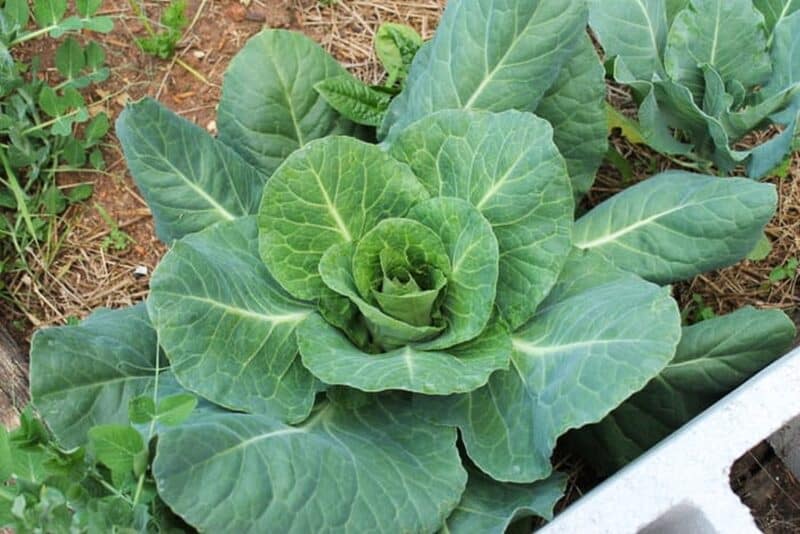
Most cabbage varieties are surprisingly hardy and grow quite well in clay soil, including Napa and Savoy cabbage.
There’s not much else to it! Clay is easy enough to work with; simply plant to the required depth and keep an eye on drainage. If your clay soil doesn’t drain well or stops draining, add some compost to improve drainage. Easy peasy!
Lettuce
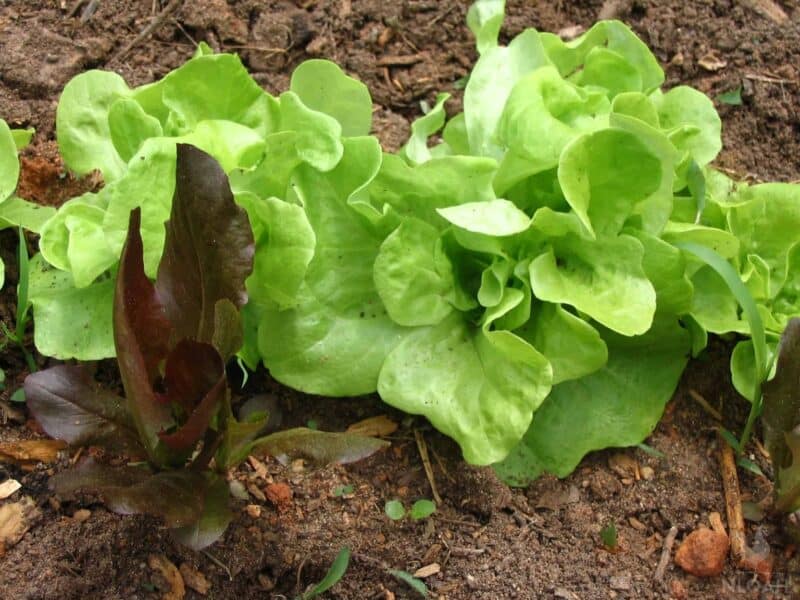
Lettuce is another inspired choice for growing in clay because it has such shallow root systems. These shallow roots are less affected by the density of clay, especially when compared to veggies that have deep roots.
Soil compaction increases steadily the deeper you go, which means that heavy clay can be virtually impenetrable to roots after several inches. Assuming you can dig your clay at all, lettuce will probably do just fine.
However, if yours is particularly thick and heavy, consider adding a little bit of compost or other organic matter to the hole to ensure better drainage.
Swiss Chard
Swiss chard is highly tolerant of heavy, compacted soils, and chances are you won’t need to do much to get it growing and soon thriving in clay.
Like lettuce, chard also puts down shallow root systems which won’t be as affected by the increasing density of clay since they don’t go deep in the first place.
The trick with chard is to ensure that your clay still drains well. If your clay holds tons of water, the shallow roots of chard will be highly vulnerable to rot. Amend with mulch for your chard plantings to keep moisture problems under control.
Kale
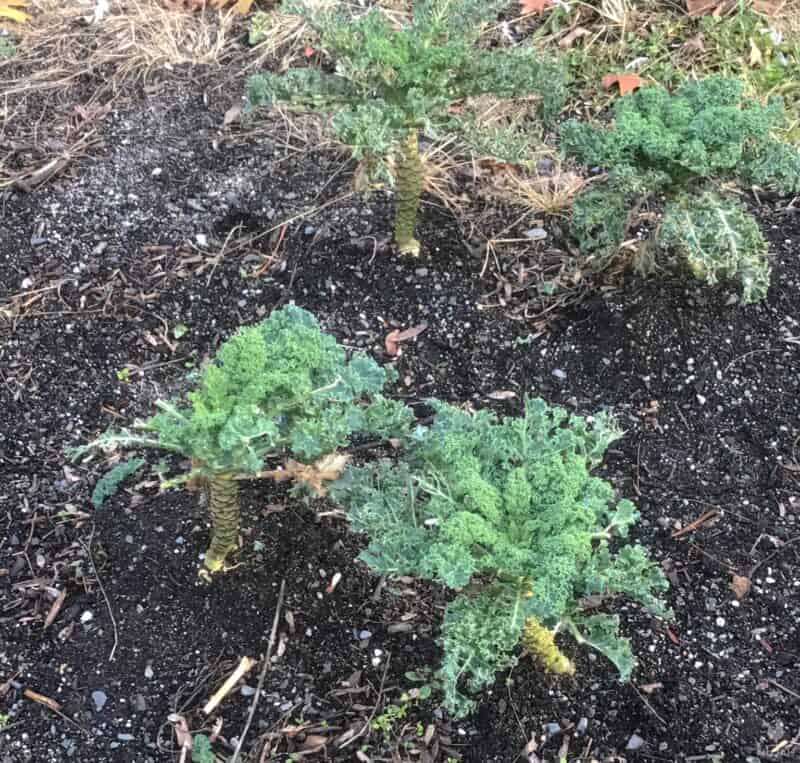
More than most other plants on this list, kale does exceptionally well in clay soil. Most clay will provide kale with optimum nutrition, and most varieties do quite well when deeply watered and kept quite moist. Clay soil will certainly provide in this regard.
If your clay is good and loose, plant directly and expect great returns. If your garden is highly compacted, though, some tilling and adding a little bit of compost or shredded mulch will help the kale get established.
Brussels Sprouts
Brussels sprouts are another surprising option for growing in clay. The key factor for success is to ensure a consistent level of moisture. If your garden soil is easy to work with a trowel or shovel, your Brussels sprouts will probably be fine as is.
If your clay is highly compacted, try to till the first 6 inches or so, and add some compost or other organic matter to each hole where you are planting to ensure drainage, then top the surrounding area with mulch to help hold in a little bit of moisture. Your Brussels sprouts should take off!
Broccoli
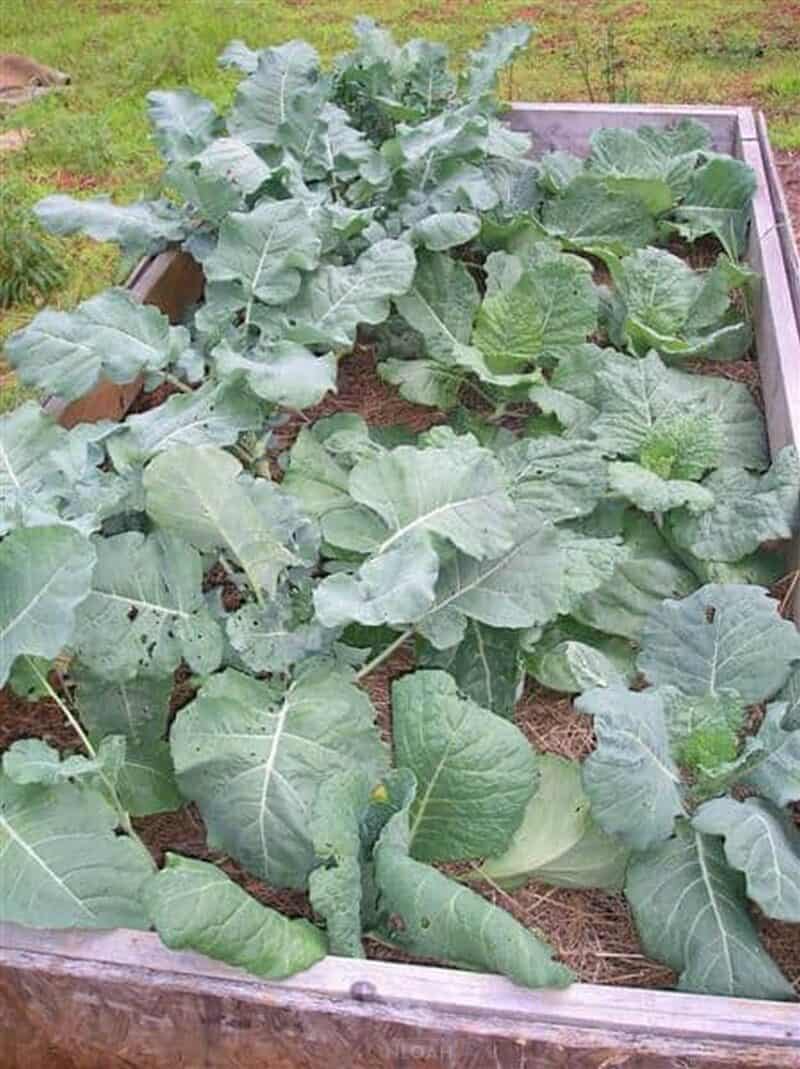
Broccoli is one of the most versatile and healthy vegetables around, and if you like it, you’ll be thrilled to know that it grows wonderfully in all kinds of clay soil.
Broccoli benefits from the extra stability of clay, and also its excellent water retention. Most broccoli cultivars need to stay consistently moist, and here once again, clay will deliver.
Clay can also provide tons of nutrients for heavy-feeding broccoli. If your clay is depleted, though, consider mixing in composted manure to give it a boost of nutrition, and a little bit of fine mulch or other additives to improve the movement of oxygen through the soil.
Cauliflower
Cauliflower is often singled out as a veggie that is basically impossible to grow in clay, but I’m throwing a penalty flag on that opinion. Cauliflower can and will grow in clay and grow well, but compared to other veggies we are looking at, it will require more preparation from you.
Unless your clay is incredibly loose and well-draining, plan on preparing the soil with mulch, composted manure, and other matter that will provide easy growth for cauliflower’s roots and help keep the soil cool while still retaining plenty of moisture.
If you’re willing to do that, clay won’t keep you from enjoying a great harvest of cauliflower.
Squash
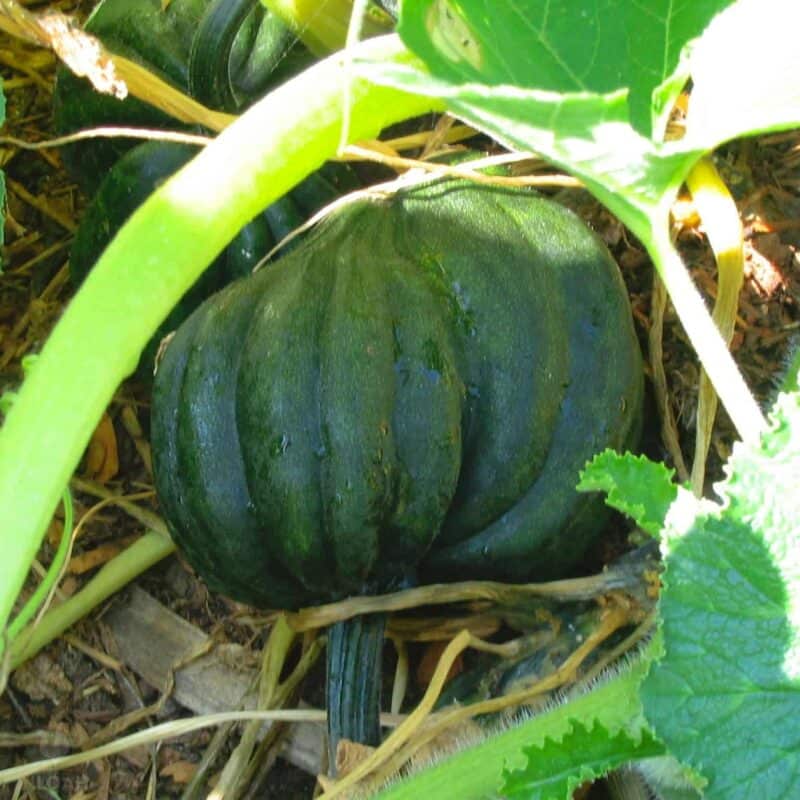
All kinds of squash varieties, including summer and winter, will grow and produce wonderfully in clay soil. In fact, summer squash has such vigorous root systems they can actually help to break up stubborn clay!
The only thing you’ll have to account for, once again, is drainage. Consistent moisture is good, but you don’t want them sitting in water and getting swampy.
Also, if you’re growing winter varieties, freezing will be a problem if your clay is hanging on to too much water because that can crush your plants.
As long as the clay is workable, plant normally, and keep an eye on that drainage and the possibility of a fungal outbreak. Expect it to do fine otherwise!
Pumpkins
Pumpkins are another surprisingly great choice if your garden is smack in the middle of a big plot of clay. Like squash, pumpkins have vigorous, sturdy root networks that will work their way through all but the most impenetrable soil.
But seasoned gardeners know that pumpkins greatly prefer well-draining soil, and that can be the most problematic element with clay, as we’ve discussed.
You’ve got two options here: the first, till the clay really well and amend it with compost, soil, or other organic matter to improve drainage to satisfactory levels.
The second, get the pumpkins themselves up off the ground so they aren’t sitting in water.
You can use cardboard for this, old rigid sheets of plastic, or anything else you can think of. Just don’t disturb them more than you have to!
Carrots
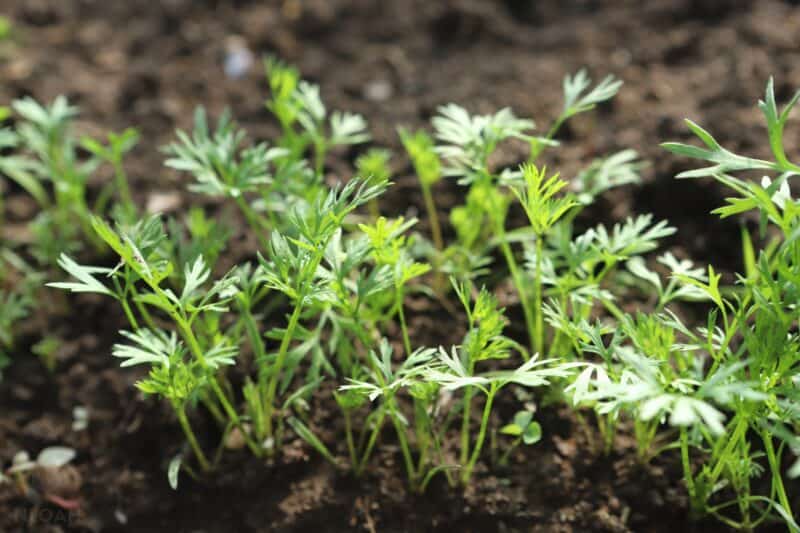
The inclusion of carrots on this list is bound to raise some protest. After all, most sources tell us over and over again to grow carrots in loose, well-drained soil, and clay soil is anything but.
No objection from me, but what most people are forgetting is that you can grow smaller, stubbier varieties that are still tasty like Nantes.
Tilling just the first several inches of the clay and then adding a little bit of compost or other organic matter in the hole will produce a bumper crop of sweet, crisp carrots.
Potatoes
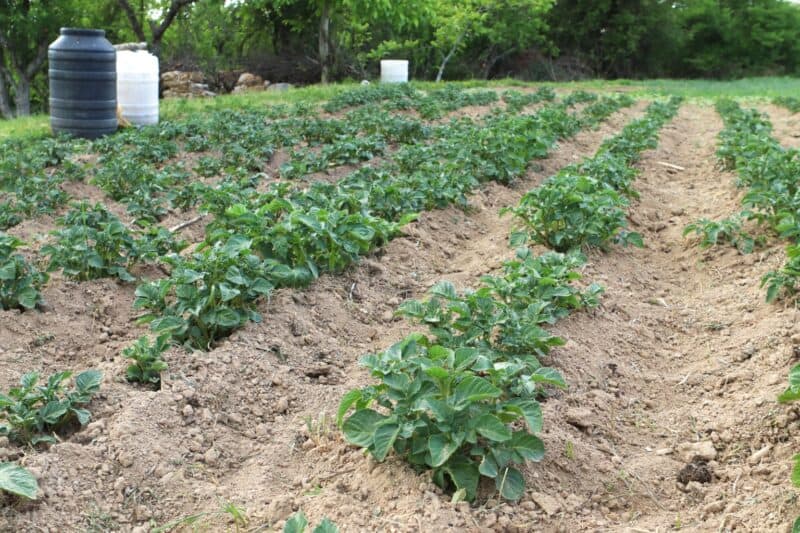
Potatoes are another controversial option for clay soil. I know some gardeners that swear they are impossible to grow in heavy clay, and other folks that report nothing but huge success and a bumper crop.
My take? I suspect most folks who are running into problems getting potatoes going in clay either aren’t getting them enough sun or are dealing with heavily, and I mean heavily, compacted soil.
As long as they get plenty of sun and are able to actually expand as they grow, your potatoes should do wonderfully!
Radishes
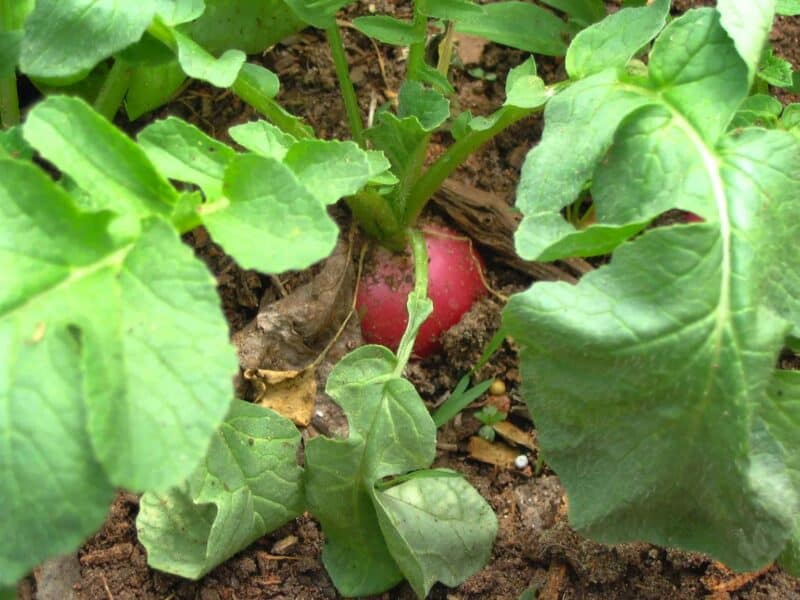
Radishes can be a breeze to grow in clay as long as you pay attention to the variety. The ideal type is the ones that are longer and skinnier, more like a carrot, rather than round globes. Daikons are often seen as the ideal type for clay because of their shape.
Note that it is possible to grow the round varieties if they’re smaller or if you break up the clay significantly. Beyond this, just ensure the soil is well-draining. Clay supplies lots of nutrients that will make your radishes tender, crisp, peppery, and delicious.
Turnips
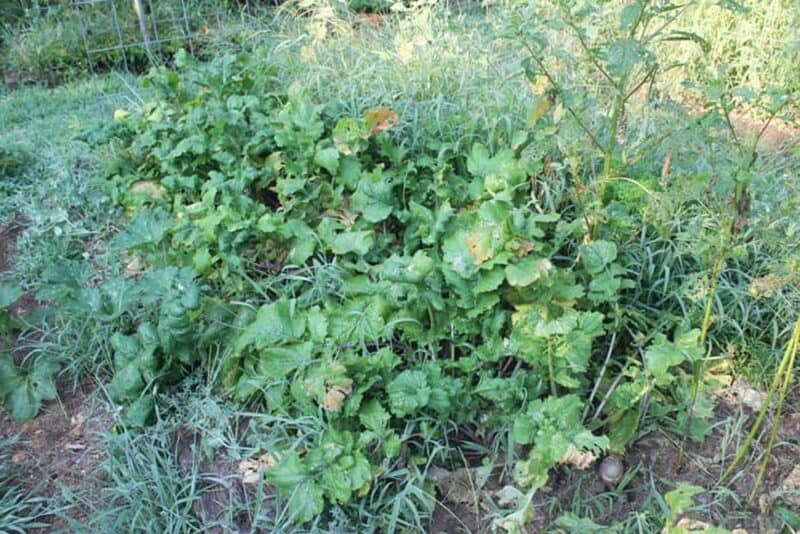
Turnips are another veggie I see people take off the table just because they are dealing with clay. I understand why, because turnips can be pretty sensitive to soil composition, but they are inherently adaptable to a variety of soil types.
The key is to loosen the clay very well and add amendments if needed. Loosening the clay is the make-or-break point: you want to loosen the clay heavily down to at least a foot in depth for each hole. For seriously heavy clay, mixing in some compost will provide the right structure.
The next obstacle is watering. Turnips do well when the soil is consistently moist, and in most gardens, this means regular watering. Don’t make this mistake with clay!
Clay holds water so well that most folks end up overwatering and thusly sickening the turnips. Water occasionally and thoroughly check the moisture level before you water again.
Beets
Smaller beet varieties will do just fine in clay soil, though this is another veggie that will benefit from some choice amendments in the form of compost, composted manure, or other elements to add structure and improve drainage.
Beets do well when kept slightly damp, but if they stay flooded, they are prone to rot.
Peas
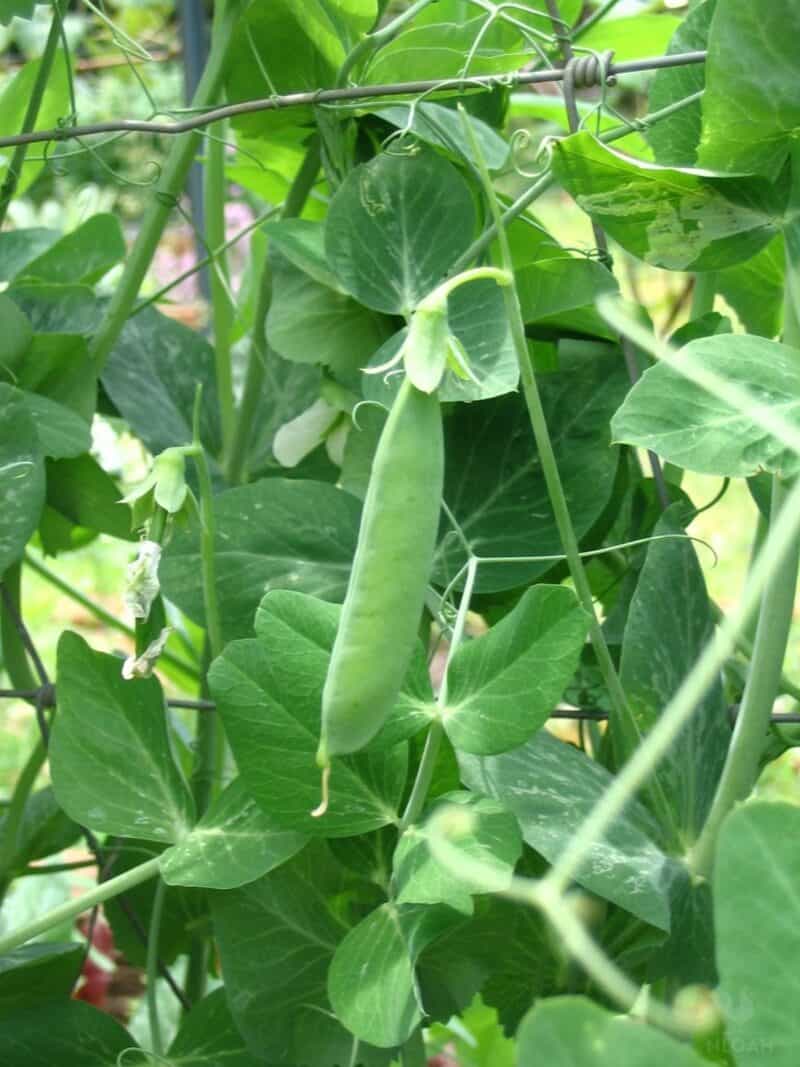
Peas need consistently moist soil in order to thrive, and in this regard, clay certainly fits the bill. As long as your garden isn’t completely compacted, feel free to sow peas directly and expect them to grow just fine.
But if you care to improve your clay a little bit, you might enjoy the best return on your peas that you will ever see.
Based on my experiences with growing peas in clay, I like to add compost to each planting location and then put a little bit of soil on top to help keep the temperature down.
A trellis to help them climb is also mandatory for most varieties. Ultimately, it’s just a little bit of extra effort and you’ll see that peas are still quite easy to grow in clay.
Green Beans
Green beans are versatile, hardy, and straightforward to grow even in heavy clay. Most varieties tolerate different soil types admirably.
Furthermore, they are shallow-rooted and moisture-craving, meaning that the biggest weakness of clay won’t work against them and its greatest strength will further support them.
But once again, if your beans stay too wet, they will quickly fall prey to rot, fungus, and various other ailments.
Luckily there’s an easy fix for this: mound up the clay, and add a little bit of soil or compost, to force excess water to drain away from the base of the plant. If you’re growing a vining variety, be sure to include a trellis or other structure.
Soybeans
Soybeans can be treated very much like green beans if you’re growing them in heavy clay. Plan on mounding to ensure adequate drainage around the base, and consider adding organic matter to the mound itself.
Corn
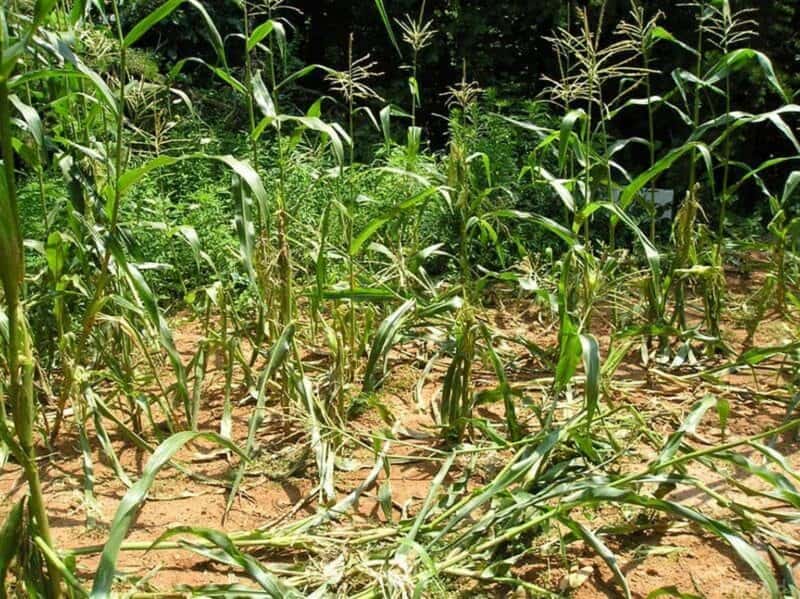
Corn is another surprising standout star for growing in clay soil. Corn is a notoriously heavy feeder, and clay provides lots of good stuff that it needs to thrive and develop big ears of sweet kernels. However, a lack of drainage can be a death sentence…
Make sure you till the clay well to break it up, or give the top several inches a good mix with other soil or compost to improve the structure. If you go this route, I still like to put down a layer of mulch on top to ensure that upper mixture stays moist.
Zucchini
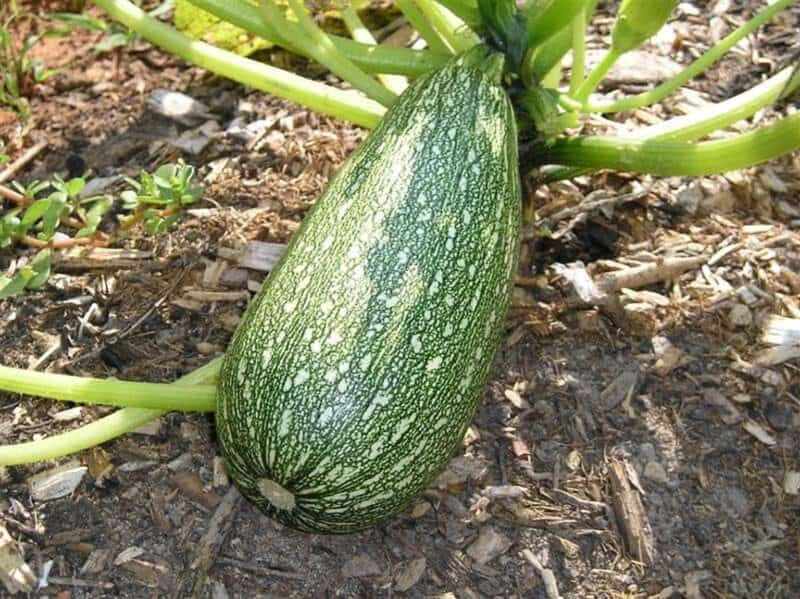
Zucchini is another one of my secret weapon plantings for clay. It grows fast, vigorously, and spawns extensive, strong roots that can help to bust up clay soil. That makes my job easier for successive plantings!
Zucchini also tends to be very high-yield if well cared for, meaning you can get a great crop even if you only have a small patch of clay to work with.
Your two major enemies when working with zucchini are frost and waterlogging. The first is easily dealt with if you make sure to plant only when you are sure the last frost is behind you.
For the second, create mounds from your clay, mixing in a little bit of compost or well-rotted manure to help excess moisture drain away.
I can tell you from experience that zucchini can do amazingly well in clay!
Okra
Okra? In clay? Absolutely. This Southern staple had better grow well in clay, or there’s going to be a lot of upset gardeners below the Mason-Dixon Line.
Okra is tolerant of high heat and generally pretty hardy overall. There’s not much it can’t contend with even in suboptimal conditions, except for waterlogged conditions.
Consistent moisture is very important during its development, and so clay can be a great benefit to it, but you’ll want to check moisture levels before you water again
If you keep it on an arbitrary schedule and the soil retains too much water, you’ll rot the roots and that will be it for your okra pods…

Tom has lived and worked on farms and homesteads from the Carolinas to Kentucky and beyond. He is passionate about helping people prepare for tough times by embracing lifestyles of self-sufficiency.