
No matter what sort of animals you keep on your homestead, a big part of taking care of them is understanding their phases of life, and that includes their end of life. Most livestock, and that certainly includes our goats, tend to slow down, become less productive, and more likely to get sick or injured as they age.
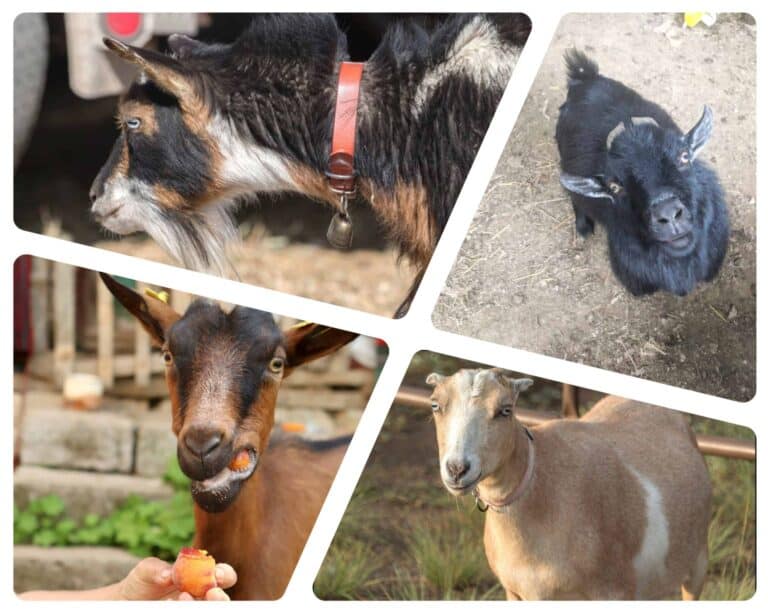
This is always a bit sad if you take great care of your animals, but it’s something you have to account for. Being ready for their natural deaths or choosing when to cull to spare them suffering, or to avoid wasting resources for reduced performance is all just part of it.
To help you better understand the lifespan of your goats, I’m bringing you a detailed guide that will cover all of the variables you need to know, as well as give you the expected lifespan for the most common and popular domestic breeds. Keep reading, and we will get right into it.
The Average Goat’s Lifespan
An average domestic goat has a lifespan of between 15 and 18 years if given proper care, with bucks typically living a little less. We’ll talk more about the various factors that contribute to that lengthy life a little later on.
Do Bucks or Does Live Longer?
Typically, does live longer. The girls will usually hit the maximum lifespan attributed to a given species, assuming she has sound genetics, does not get sick or injured, and is given a high standard of care and nutrition. This will range between 15 and 18 years for various breeds.
However, does that are bred once a year will start to slow down significantly around 11 or 12 years of age. If she is bred again after this point, the risks of death in pregnancy go up dramatically. A relatively leisurely breeding schedule is a major contributor to the lifespan of a doe.
Bucks, on the other hand, have to deal with the stresses put on their bodies by all that raging testosterone.
Greater growth and muscle mass are typically paid for with a shorter lifespan, averaging four or five years shorter than a typical doe of the same breed, and sometimes it’s significantly shorter; many bucks don’t live past 10 years old.
However, castrated males, or wethers, live much longer without all that testosterone; they typically live nearly as long as females under the same circumstances, assuming they are castrated in adolescence.
How Long Do Goats Live in the Wild?
Wild goats can live a surprisingly long time considering all the stresses and dangers they must endure. Expect wild goats to live anywhere from 9 to 12 years, assuming they don’t die by accident, disease, or predation before then.
Goat Lifespan by Breed
As with all other animals, breed is a major contributor when it comes to lifespan. Some goats just live a lot longer than others!
Below is a list of the most common, popular, and noteworthy domestic goat breeds and their typical expected lifespan in captivity.
| Breed | Typical Life Expectancy |
|---|---|
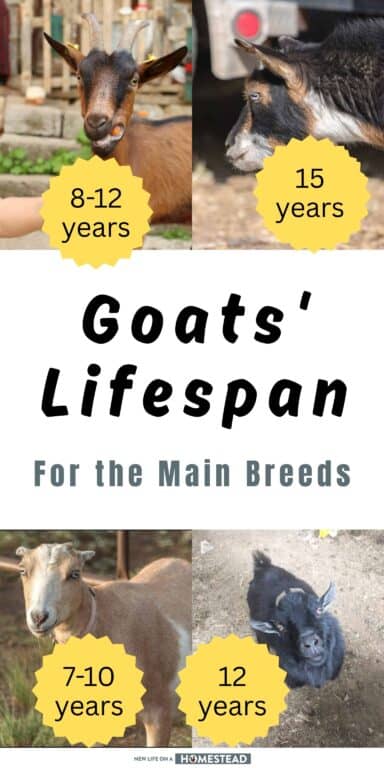
| Nigerian Dwarf | ~15 years |
| Pygmy | ~12 years |
| Alpine | 8–12 years |
| Saanen | 15–18 years |
| Nubian | 15–18 years |
| Toggenburg | 8–12 years |
| LaMancha | 7–10 years |
| Boer | 12–20 years |
| Oberhasli | 8–12 years |
| Spanish Goat | 10–15 years |
| Kiko | 8–12 years |
| Sable | 12–20+ years |
| Rove | 10–15 years |
| Myotonic (Fainting) | 10–15 years |
| Damascus (Aleppo) | 10–12 years |
| Jamnapari | 10–12 years |
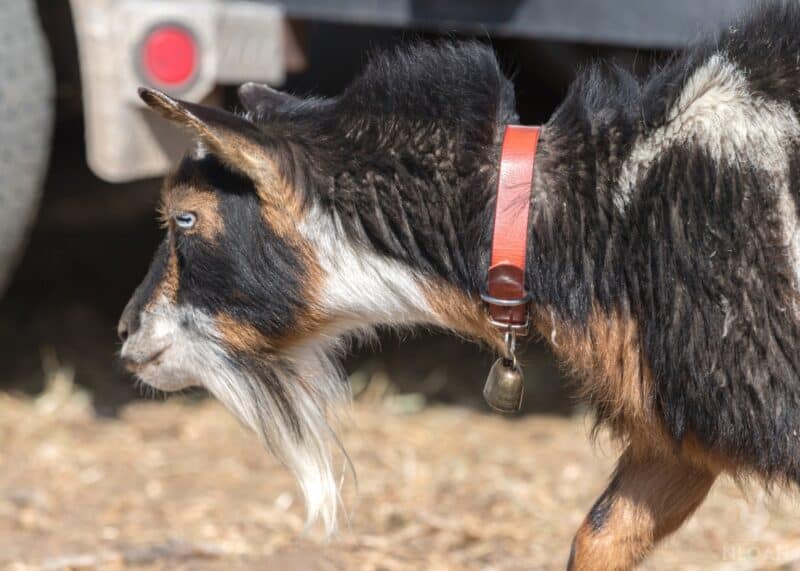
Nigerian Dwarf
Nigerian dwarfs are tiny and full of character but are remarkably productive and known to crank out lots of rich, sweet milk. These pint-sized producers have a good life expectancy of around 15 years in ideal circumstances.
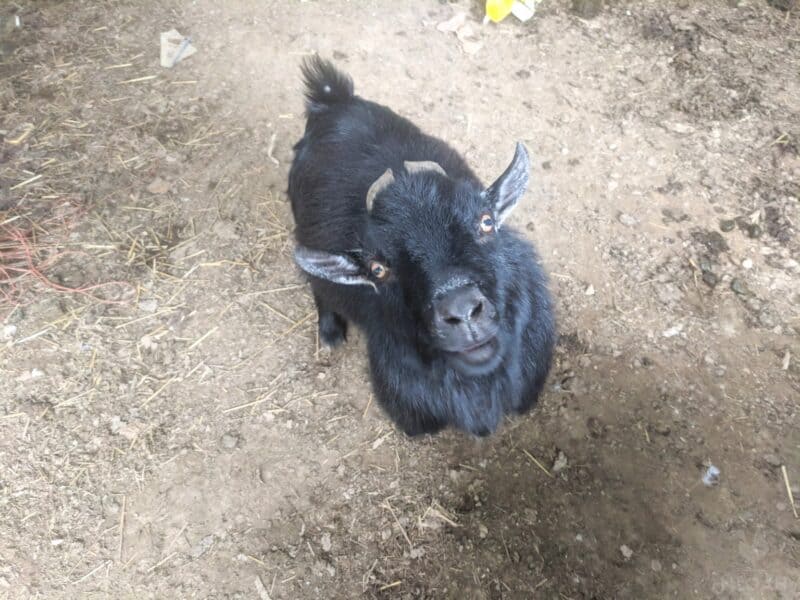
Pygmy
Pygmy goats are another tiny breed and are especially popular as pets and on homesteads where space is limited. They tend to be quite energetic, but they don’t live as long as the Nigerian dwarf, only around 12 years on average.
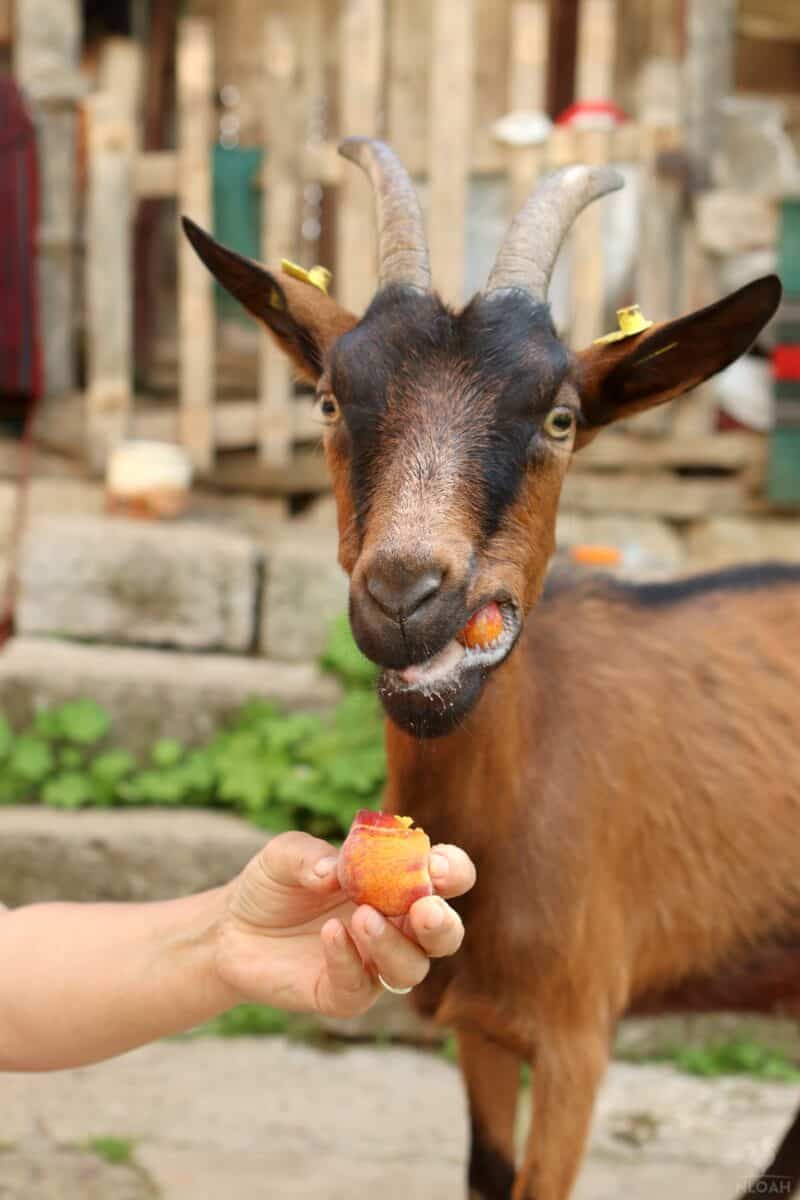
Alpine
The Alpine goat is one of the most respected and popular dairy breeds, and is known for its ruggedness and good health. Despite being highly resistant to blistering cold weather, they have a relatively short lifespan of between 8 and 12 years.
Saanen
One of the biggest and heaviest dairy breeds, Saanens have intense nutritional requirements. Despite their great size, they live a surprisingly long time, and if properly cared for, these goats can easily live 15 to 18 years.
Nubian
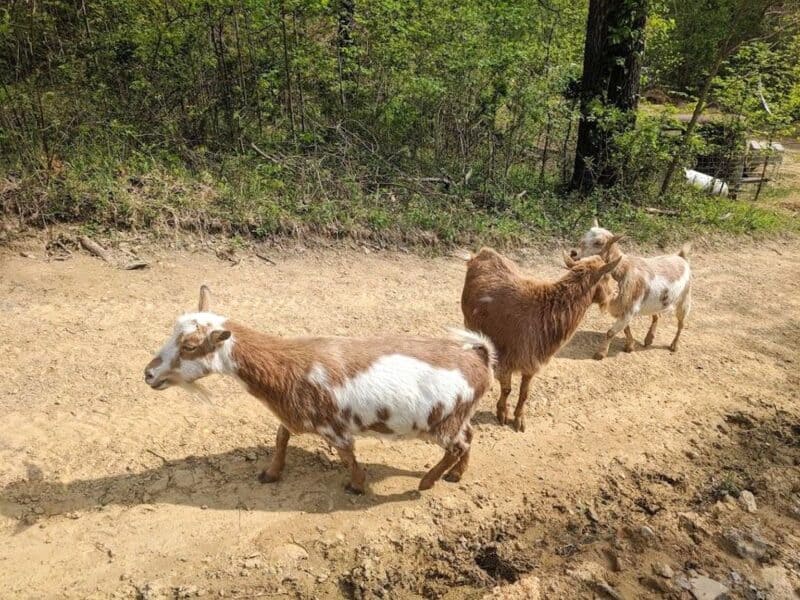
This beloved British heritage dual-use breed is immediately recognizable for its sweet and friendly temperament, long floppy ears, and rich, high-fat milk. They are also known for being needy and noisy! Good thing, I guess, that you’ll be together for a very long time because these goats will live anywhere from 15 to 18 years. It might feel like forever before it’s over…
Toggenburg
This ancient Swiss dairy breed is known for incredibly reliable and steady milk production. They’re also known to be quite easy to handle. Toggenburgs will live anywhere from 8 to 12 years.

LaMancha
With a claim to fame as the only US-developed dairy breed, LaManchas are known for their short and sleek glossy coats and near-total lack of ears.
They might stick out only 2 inches, or even less than that! Despite this, they are solid milkers. LaManchas sadly have a shorter lifespan than most goats, living just 7 to 10 years.
Boer
A famous and commercially critical South African goat kept for meat production, Boers are big, burly, and put on muscle quickly.
They’re known to be highly resistant to diseases and various parasites and are rarely injured except by accident or direct attack. They have a highly variable but lengthy lifespan, stretching anywhere from 12 to 20 years.
Oberhasli
Known as expert grazers that can easily strip grass and foliage from any pasture, Oberhaslis are another Swiss dairy breed that’s sometimes kept for meat as well. They’re instantly recognizable by their rust-red and black coloring. These goats have an 8- to 12-year lifespan.
Spanish Goat
Another heritage multi-use goat, the Spanish goat is versatile, adaptable, and generally hardy. Expect them to live anywhere from 10 to 15 years.
Kiko
Independent and easy to care for, the New Zealand Kiko is typically raised for meat though they are fair producers of milk, adequate enough for small homesteads or operations.
They can sustain themselves wonderfully even on marginal forage. Kikos usually live between 8 and 12 years, so you’ll regularly hear about these parasite-resistant goats living well in excess of that projection.
Sable
Often confused with the Saanen above, the tall and athletic Sable is a dairy breed that is another exceptional producer and is recognizable by its very dark and typically uniform coat.
These are among the most long-lived of all domestic breeds, living anywhere from 12 to an astonishing 20 years or even a little beyond.
Rove
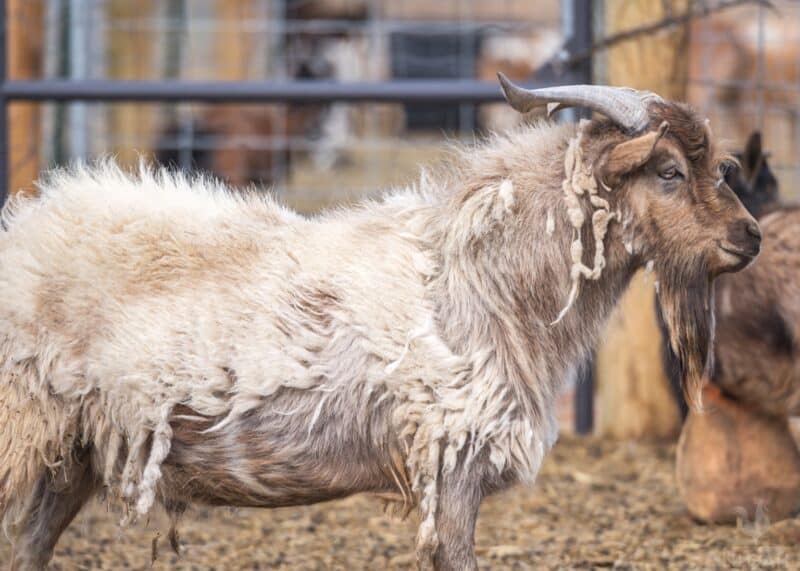
A striking and intimidating French breed that is unmistakable thanks to its massive, thick, twisting horns, Rove goats are an important heritage breed that is only in recent years being brought back from threatened conservation status.
Adaptable and vital, these imposing animals have a lifespan between 10 and 15 years.
Myotonic
The most famous goats on the internet, Myotonics, also known as fainting goats, are infamous and hilarious for locking up and losing control when they get startled or when they try to hop over an obstacle. It sounds sad, but it usually doesn’t hurt them…
They are a popular meat breed and favorite pets because of their antics. They’ll usually live between 10 and 15 years, though their lifespan can be fairly variable either way.
Damascus
The Damascus or Aleppo goat is singularly unique, bordering on monstrous, in appearance but is nonetheless an important domestic breed in and around Syria, kept for both meat and milk. They have a relatively short lifespan of just 10 to 12 years.
Jamnapari
One of the largest South Asian dairy breeds, the Jamnapari is big, bulky, and a remarkably good producer of milk. They are sometimes kept for meat also and live anywhere from 10 to 12 years.
How Long is a Goat’s Life if it is Slaughtered for Meat?
Goats typically only live 8 to 10 months if they’re going to be slaughtered for meat. As soon as they have reached the appropriate size for maximum yield and best quality, they will be harvested.
How Long Will Goats Live if Not Slaughtered?
Domestic goats that aren’t slaughtered for meat won’t live much longer for obvious reasons!
If treated well and given the very best care and diet, you can expect them to reach the typical age of their breed as detailed above.
If does are to be bred continually, they will usually live 10 or 11 years before a following pregnancy will claim their life. Bucks typically live to be about 10 one way or the other.
Factors Influencing Lifespan
As with all animals, there are several environmental, quality of care, and other factors that will influence their lifespan to one degree or another.
Genetics are, as always, a huge consideration. Animals that have been carefully bred from two healthy parents, and even better, animals that have descended from a long line of careful breeding, will almost invariably live longer than those that have been bred haphazardly or according to the luck of the draw.
Likewise, the environment is another major one. If goats have adequate shelter and protection from bad weather, and don’t live in a stressful environment, they will live a little longer under all circumstances. Note that severe stress can precipitously shorten a goat’s life.
Nutrition is critical, too: they need to get enough calories but not too much, and always need a constant supply of the vitamins and minerals they need in order to thrive. Goats that suffer from chronic nutrient deficiency, especially copper, will die early as a matter of course.
Lastly, you cannot rule out physical injury and illness shortening a goat’s life dramatically, even if it does not kill them at the instance. Goats that are injured by accident, fighting, or predators might be plagued by their injuries for the rest of their life, greatly increasing stress. Similarly, diseases like CAE, brucellosis, and arthritis can permanently affect them.
In short, keep them healthy, give them a nutritious and complete diet, and keep them safe from predators, stress, and bad weather, and you can expect your goats to enjoy the longest life possible!

Get your gift and learn things like:
- how to make this really quick pest spray
- how to prevent egg waste
- two cheap automation devices that will make your life easier
I’ve taken over this blog from Kendra Lynne around 2018, and turned it into one of the best an most comprehensive homesteading website out there. I was raised partly in the countryside living a very frugal life ever since I can remember.