
Whether you’re just getting started on your homestead or you’ve been enjoying the lifestyle for years and years, saving water is always going to be important.
Whether you have well water, municipal water, or are connected to a city water supply, water is too precious to waste, and doubly so if you’re truly living off-grid or if your aquifer is prone to getting lower and drying up during drought conditions.
Saving water is simple enough with the right approach, but major savings require a lifestyle change and sometimes hardware solutions.
But whether you want to save a little bit each month or turn into a real water miser, I’ve got 23 clever ways to help you save water on your homestead. We will get right into them below.
Fix Leaks Promptly
One of the first and best ways to save water is to stay on top of maintaining the systems that handle it.
Any leak, no matter how small, will invariably cost you many gallons of water every year, and they always get worse over time. Fast leaks can cost you hundreds and hundreds of gallons!
Worse yet, if that leak happens to be on your primary water storage tank, you might wind up high and dry when you or your animals can least afford it.
Bust out the wrenches, pliers, fittings, and thread tape and go around your home and property getting rid of those leaks for good. Once that’s done, you can start implementing other measures.
Audit Your Household Water Use
The next best step you can take is auditing your household water use. We all do things that waste tons of water without even knowing it.
- Do you let the faucet run while you’re doing a small load of dishes?
- Do you take exorbitantly long showers?
- Do you waste water when cooking, cleaning, or doing any other kind of task?
- Do you fill up a glass of water to take a few sips and then dump out the rest, wasting it?
The key is mindfulness: when you are mindful of how precious water really is you’ll start treating it with the respect it deserves in all actions. The sum of all of these little different choices is a tremendous amount of saved water over the long term.

Consider Handwashing Clothes
This is a big one that I know most people don’t want to do, so we’re going to tackle it first, right up front. Consider handwashing your clothes.
No, you don’t have to take them down to the creek and beat them on a rock, but using a modern manually powered washing machine or even a washboard will save tons of water over a modern electric appliance.
And yes, this includes the most water-efficient and expensive models on the market.
A little bit of elbow grease and a bucket of water will save many dozens of gallons for every load, and it obviously won’t take long before they add up and you start seeing a real difference in your water use.
Whether or not you want to continue using a clothes dryer is another matter, but if you want to save electricity or just get back to basics, line drying is still a great option.
Re-Use Towels Once or Twice Before Laundering
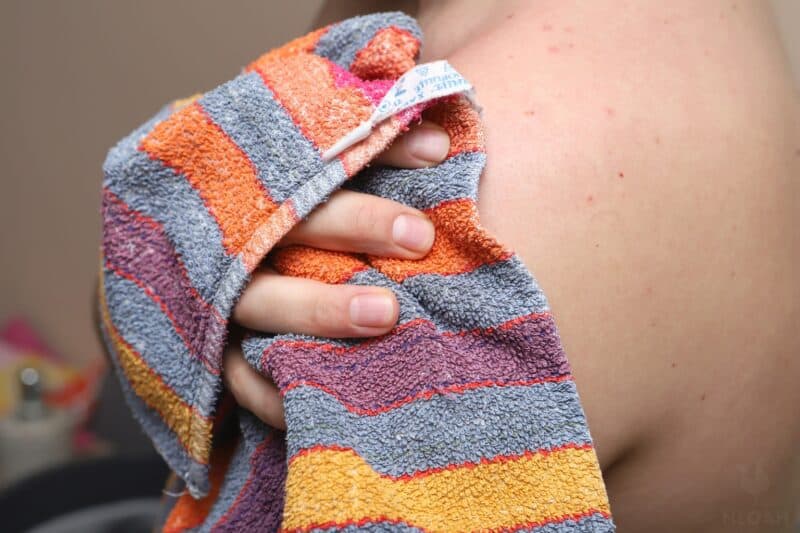
One of my favorite ways to save water generally, and specifically by reducing laundry demands, is to reuse towels.
Let’s face it; most towels don’t need to be washed right after they are used. If you dry your hands with a towel and then drop it into the hamper straight away, you’re being wasteful.
Use a hand towel or bath towel for longer before it goes in for laundering. They won’t stink or smell, and considering they’re being used on clean hands and elsewhere on your body, they aren’t really getting dirty.
Only Wash Full Loads
This is a paramount laundry tip no matter how you decide to get your clothes and sheets clean: avoid at all costs doing small loads of laundry unless you have no other choice.
Drawing a full load of water for just one favorite article of clothing or a single set of sheets is hugely wasteful.
That same amount of water could instead get many more items clean, and this is something you should always aspire to do.
If you need something washed immediately so you can start it drying at once, hand wash it in the sink before wringing it out and then putting it out to dry or popping it in the dryer.
Install and Use Low-Consumption Appliances and Faucets
This is one of those hardware solutions I talked about above…
By replacing all of your faucets, taps, showerheads, sprayers, and other fixtures and implements with low-flow equivalents, you can be running them full bore and using less water overall. Careful use of these can turn into huge water savings.
Screwing on a new showerhead takes no real effort, as does installing an aerator on an outside faucet. Old-fashioned faucets will probably need to be replaced entirely…
This is well within the capabilities of a seasoned DIY’er like yourself, but if you don’t know a thing about it, it’s easier than you might think.t
Use Greywater as Much as You Can
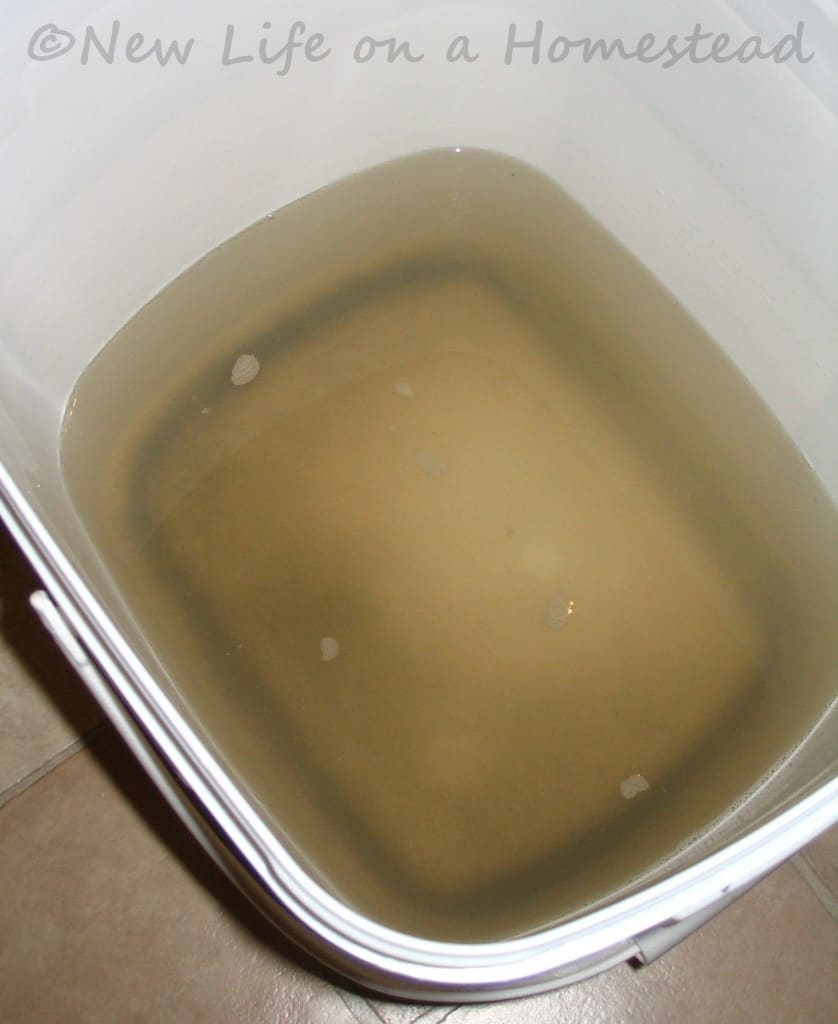
Graywater refers to dirty water that hasn’t come into contact with any human or animal waste. For instance, the water that goes down the drain or is left over after you bathe, wash dishes, run the washing machine, cook pasta, and so forth is all considered graywater.
Usually, this water is truly wasted, going down the drain and into your septic tank or into the sewer.
But if you can capture this water or have the presence of mind to not pour it out, it can be used for all kinds of things like watering plants, washing down your driveway, and countless other tasks.
You can collect gray water manually in buckets or other containers, or set up your home with special plumbing to divert water from all fixtures except toilets into a special holding tank that you can then draw from.
This is a big step and fairly complicated, but well worth it if every drop of water is precious to you.
Switch to a Composting Toilet
Another huge water-saving measure in any home is to switch to a composting toilet. This is exactly what it says, a toilet that composts waste rather than flushing it down a drain pipe with water.
That compost can then be disposed of safely later on or even repurposed, in some cases, as fertilizer.
This will be a big step for some people and families, but every time you use a composting toilet instead of a conventional one, you’ll be saving anywhere from one and a half to five gallons of water each and every flush.
Take Quick Showers, Not Baths
If you take long showers, stop it. That’s it, just stop. A long shower can use dozens of gallons of water, as can a bath in a typical bathtub.
A much better bet to get clean and save water is to take a quick shower, no more than 5 minutes.
If you want to save even more water, hop in the shower and get wet, turn off the water to lather up, then turn it back on for the final rinse. Showers like this might use as little as 5 gallons of water!
Plug Your Drain During a Shower
A super clever way to reduce waste and recapture water when showering is simply to plug the drain. Once you’re done showering, collect that water in a bucket and use it as gray water as described above.
Take Your Car to a Car Wash
I know this is bound to be sacrilegious to those of us who want to take care of our vehicles in our own driveways, but you really should take your car or truck to the local car wash if you’re concerned with saving water.
Even if you use buckets instead of spraying directly, you’re going to use dozens of gallons of water, probably closer to 100 or even more, to get your ride squeaky clean. Taking it to a car wash will both save you both time and tons of water…
Protect Water Sources from Contamination
Anytime some of your water sources get contaminated with algae, insect larvae, or other nastiness and you have to drain, clean, and replace, that is a huge and often avoidable waste.
Protecting your water from contamination by performing periodic cleaning and maintenance, keeping it covered and sealed, and preventing critters from getting into it means that water will stay fresh and usable for you or your animals.
Catch and Store Rainwater
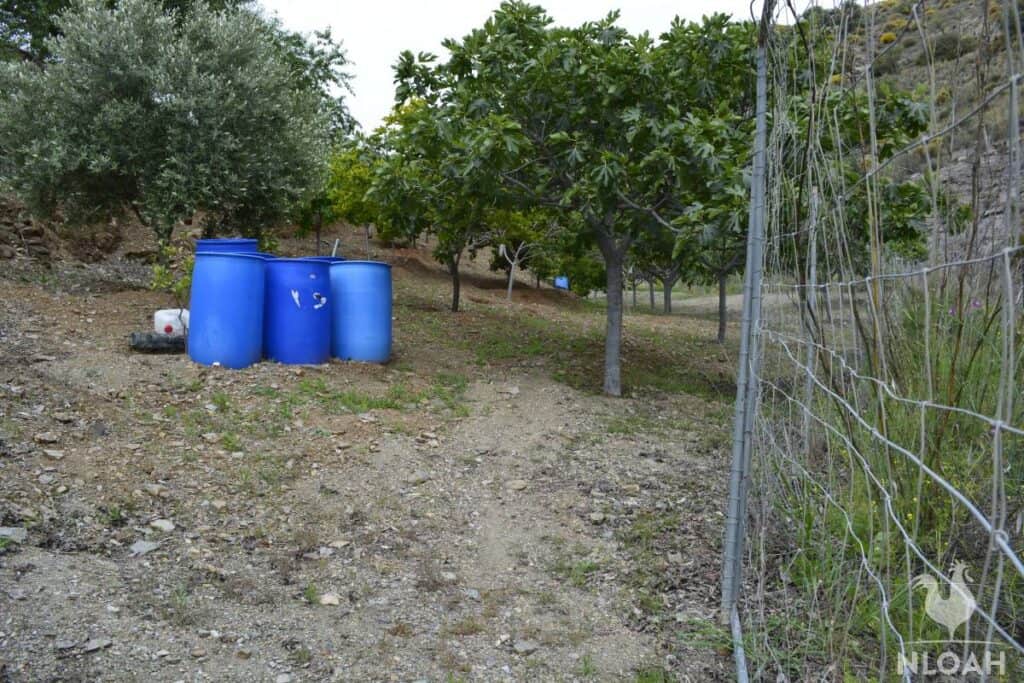
If you do nothing else but harvest rainwater, you’ll be saving tons of other water that you would otherwise use each month. The best thing about this trick is that there are so many ways to go about it.
A single barrel connected to a downspout diverter will let you keep 55 gallons or even more on hand for watering, giving to animals, washing, and other purposes.
A large water tank with a collection system built on your home can gather and store hundreds of gallons from a single passing thunderstorm. Pretty amazing!
If you’re homesteading and you aren’t catching rain, I’m just going to say that you are flat-out wrong. Look into it and set up a system today.
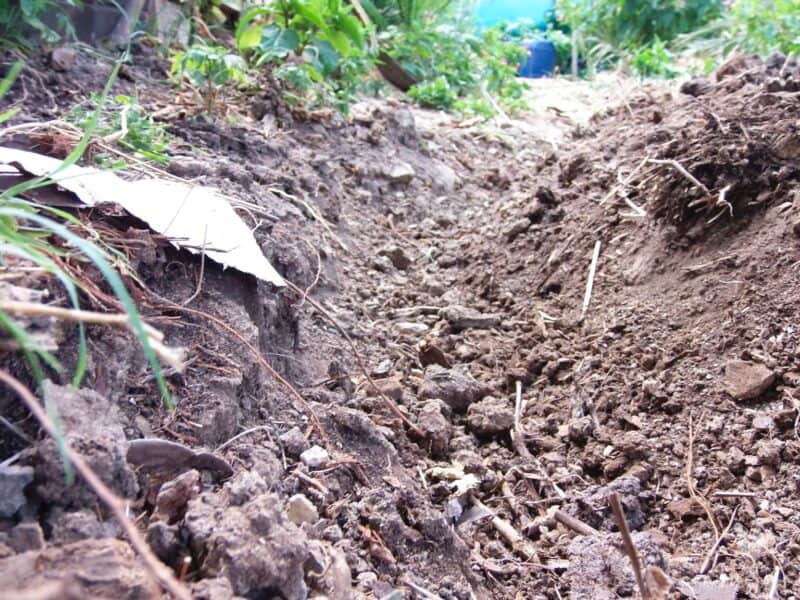
Even better, if you’re into permaculture, you can use things like swales to catch rainwater and then direct it to your plants. Here’s an example:
Install a Cistern for Your Animals’ Drinking Water
Animals like goats, sheep, pigs, cows, horses, and more go through lots and lots of water, especially when it’s hot outside. If you have them hooked up to an automatic waterer or, worse, you are hauling water for them, that will be a constant drain on your supply.
Once again, we can put rainwater to work for our furry friends by building a cistern for them to drink from.
Traditionally made from stone or concrete, and potentially made of metal or a plastic liner, your cistern should be large enough to hold a substantial amount of water and at the correct height to make it easy for your animals to drink from.
Don’t forget to clean it periodically!
Aerate the Soil Where You Plant
Another source of constant, substantial water consumption on any homestead is your garden, fields, or raised beds. Whatever you are planting, and wherever, make it a point to heavily aerate the soil.
Aeration allows the water to actually get down into and saturate the soil where it is available to the roots of your plants, rather than sitting on top of the soil and, sometimes, running off where it will do no good.
Plant as Densely as You Can
Here’s a rule of thumb you can implement that will help you save some water in the long run: whatever kind of plants you are planting, and for whatever purpose, try to plant them a little closer together…
When your plants can provide shade for each other and also better all-around shade for the soil, both will retain more water, meaning you’ll need to water less often.
Water Plants and Crops at the Right Time
Picking when to water counts for a lot. My personal baseline is to try to water no later than 6:00 a.m. in the morning or after 6:00 to 7:00 p.m. in the evening, depending on when the sun goes down.
Intense heat and, especially, direct sunlight will waste water by causing rapid evaporation, meaning you’ll ultimately have to use more to give your thirsty plants what they need.
Watering when it is cool means the soil will absorb more and stay moist longer, hydrating plants over a longer period of time.
Don’t Use Sprinklers or Sprayers on Windy Days
Using a sprinkler or sprayer will help you water a wider area more efficiently, but you shouldn’t try to use either during windy days.
The wind will quite literally blow your water off target, meaning once again you’ll have to use even more water than you would normally. That can turn into a surprising amount of waste that’s totally avoidable!
If you can’t wait to water, get closer so less is lost to the wind.
Give Plants the Right Amount of Water
Here’s another trick that will make you slap your head. Do you know how much water your plants actually need? Have you been checking them, have you looked up the care information?
If you just water your plants to the saturation point each time, not only are you wasting water but you might actually be hurting their health. Some plants do better with less water overall or with less frequent watering.
Learn exactly how much water your plants require and how often, and give them that and no more unless they are showing signs of dehydration.
Stay on Top of Weeds
Do you hate weeding? I do too, but we’ve got to do it. If you want to save water, it’s even more important that you do it because weeds not only interfere with our plants and look unsightly, but they also steal water for themselves. That means, you got it, we’ve got to use even more.
Getting rid of weeds means that all of the water in the soil is just for the plants that we want to keep alive.
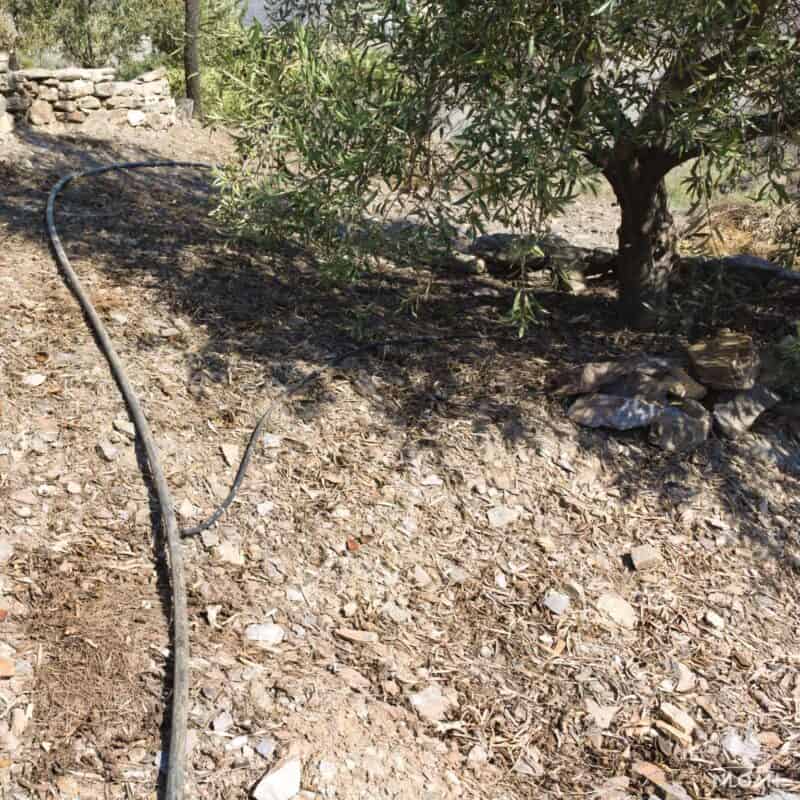
Make Better Use of Rain for Irrigation
If some areas of your property tend to stay wetter than others, consider planting there if you can and if the terrain is favorable. These spots will need less watering from you to keep your plants hydrated. Conversely, dry spots or ones that drain too quickly will mean more watering.
Perform a careful analysis of all the pros and cons of any spot before you plant, and you might save yourself tons of H2O.
Choose Decorative Plants That are Drought Tolerant
Let’s face it, not all plants are created equal. Some, like tomatoes, cucumbers, and bell peppers, are extremely thirsty. Others, like most of your herbs, tend to be pretty drought tolerant.
Or just examples, but you can apply that to countless crops or ornamental plants. If you have no good reason to choose thirsty plants that demand constant watering and lots of it, by all means, go with something that’s drought-resistant to save water.
Consider Ground Covering Instead of Grass
Lastly, as much as it might pain you to get rid of a perfectly manicured lawn, grass is one of the thirstiest plants around.
If you want to keep your lawn looking good and you’re struggling with a lack of rainfall, you’ll have no choice but to use hundreds and hundreds, and eventually thousands, of gallons of water keeping it alive.
Anywhere that you can, and care to, getting rid of grass for other ground covering like native plants, mulch, gravel, or any other kind of covering will eliminate one of the biggest drains on your water budget.


Get your gift and learn things like:
- how to make this really quick pest spray
- how to prevent egg waste
- two cheap automation devices that will make your life easier
Tom has lived and worked on farms and homesteads from the Carolinas to Kentucky and beyond. He is passionate about helping people prepare for tough times by embracing lifestyles of self-sufficiency.