
Anytime you have an opportunity to plant veggies and herbs in a mutually beneficial way, you should. When plants support each other, they’re referred to as companion plantings.
Sometimes they work in a sort of symbiosis to help keep the right nutrient ratios in the soil, and other times they keep pests away, provide shade, or offer other benefits.
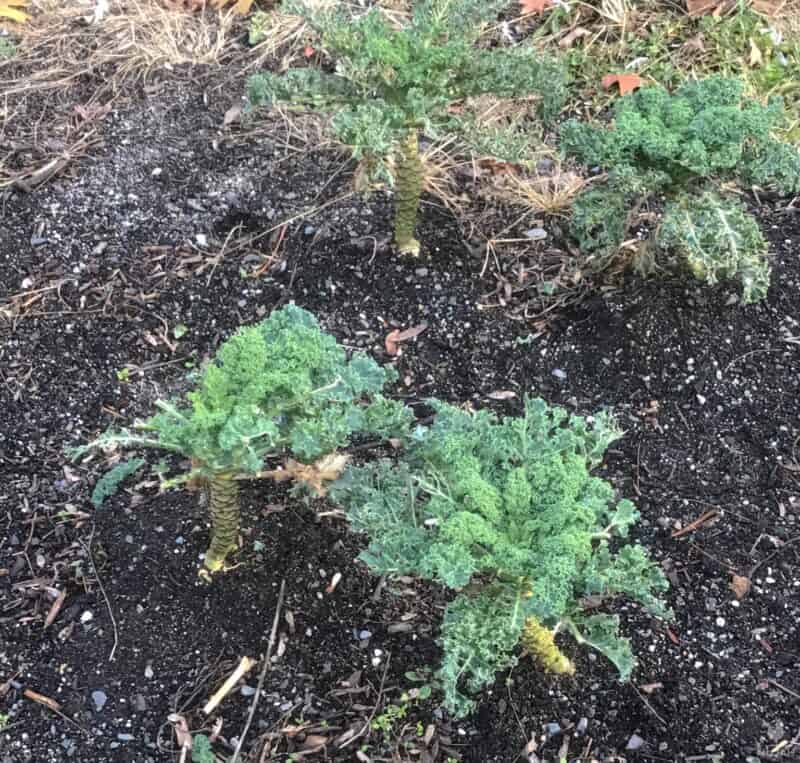
If you’re growing kale, you’ve got lots of options that are perfect for growing next to it, including some of the most common kitchen herbs and popular veggies. Keep reading and I’ll tell you about some good companion plantings to pair with your kale the next time you plant it.
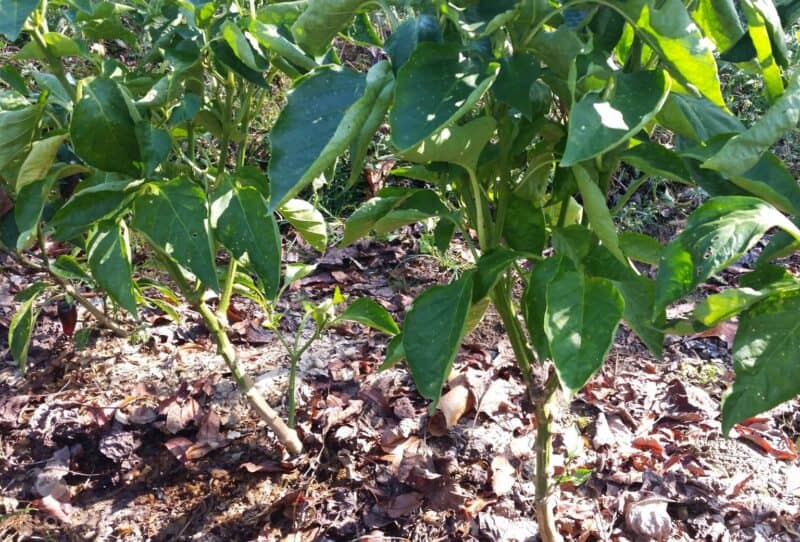
Jalapeno Peppers
Jalapenos are a great companion to kale if you want to turn up the heat in the kitchen and on pests! Capsaicin, the compound that makes hot peppers taste hot, not only repels mammals but also insect predators.
Jalapeno and other kinds of chili peppers will get along with kale just fine when planted nearby as they use up the resources that kale doesn’t need much of, especially certain trace minerals. The ideal arrangement is alternating rows of both plants anywhere from 1 to 1 1/2 feet apart.
Get even more mileage out of your hot peppers by planting them at the edge of your garden or planting boxes to keep deer and other veggie poachers at bay.
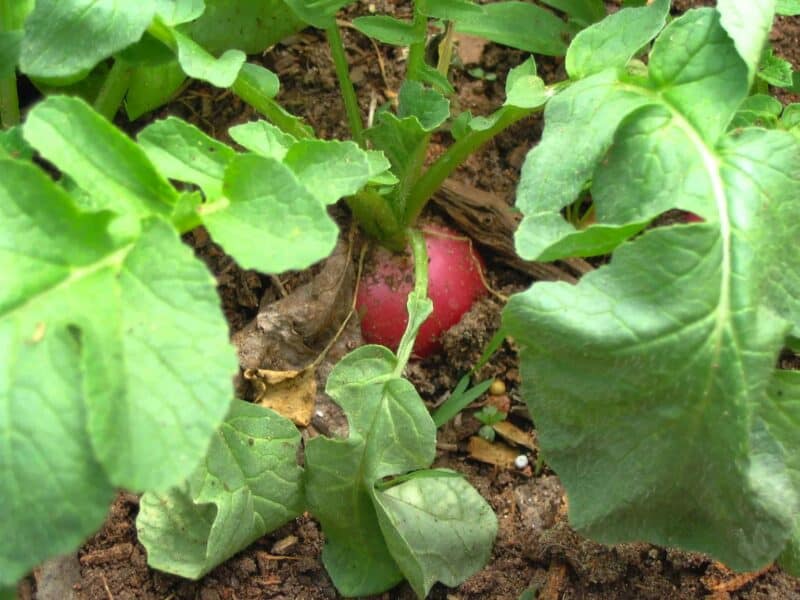
Radishes
Radishes are an efficiency play for planting alongside kale. Many delicious radish varieties mature quickly, and take up so little room you can plant them anywhere you’ve got spare space around the kale.
Rover, Sora, and French Breakfast varieties all mature in a matter of weeks and need just four to six inches of space between the neighboring kale.
Radishes are also unique because they grow quite well in the presence of other brassica plants, which kale is. Most of the time, other brassicas will compete ferociously for resources, and that leaves you with puny or stunted harvests.
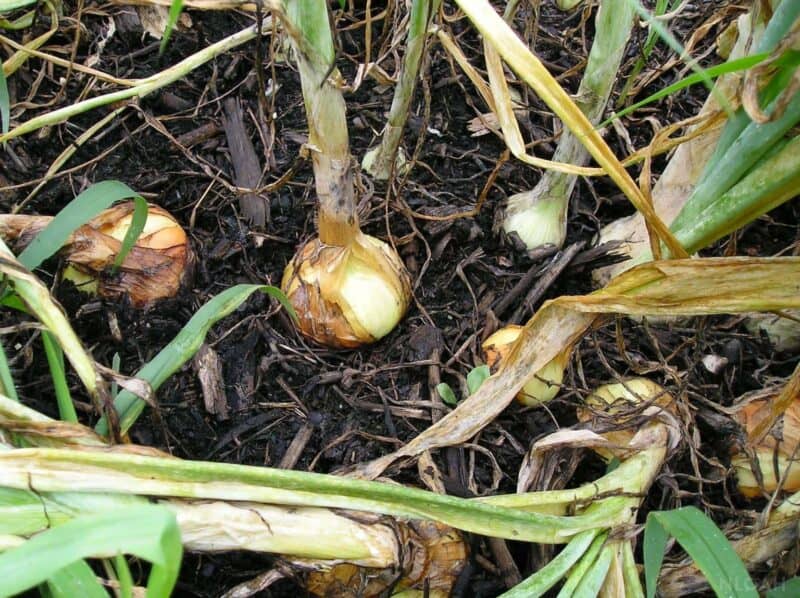
Onions
Onions and other related plants like leeks and scallions secrete pungent oils that are once again a natural insect repellent. Cabbage worms, aphids, and all kinds of beetles will flee from the stuff.
Onions also grow quickly and help to loosen soil to make it easier for the root networks of other plants to thrive.
But onions, especially large varieties, can take up quite a bit of room. This can make planting them alongside kale a little tricky because if you get the spacing wrong, the two will clash. I say leave at least one foot of space between rows of plants and start both at the same time.
For maximum protection, try to have a row of onions on either side of your kale rows; their fragrance will carry!
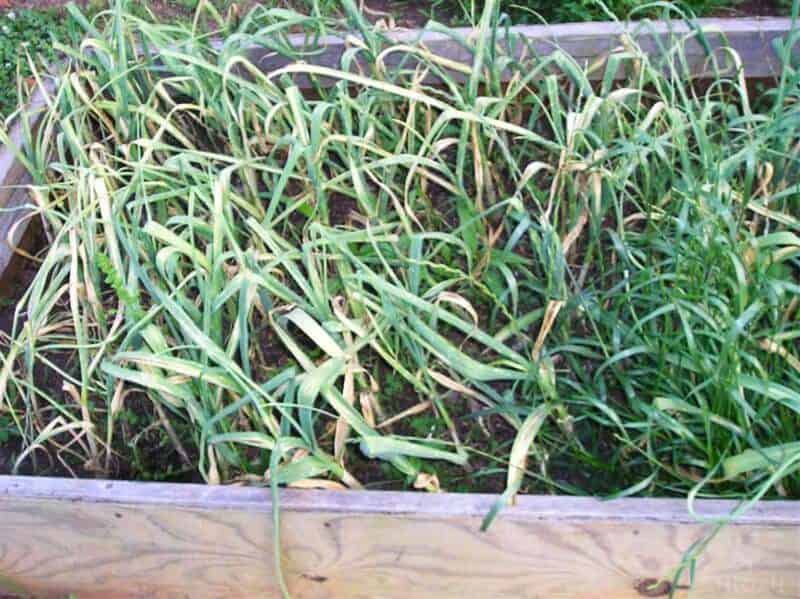
Garlic
Garlic is an inspired companion for kale, one with the same benefits as onion when it comes to repelling insects.
Garlic, when it’s ripe, is even stronger, and acts like a veritable force field to aphids and many beetle species. Even the hungriest caterpillars will tend to avoid it and nearby plants!
But garlic has a special benefit because of its seasonality. Planted in the fall, it isn’t ready for harvesting until the middle of summer, and is dormant underground at the time when kale is thriving.
This makes tight spacing possible, maximizing efficiency and your harvest. You just need to give kale about 6 inches of room between your rows of garlic.
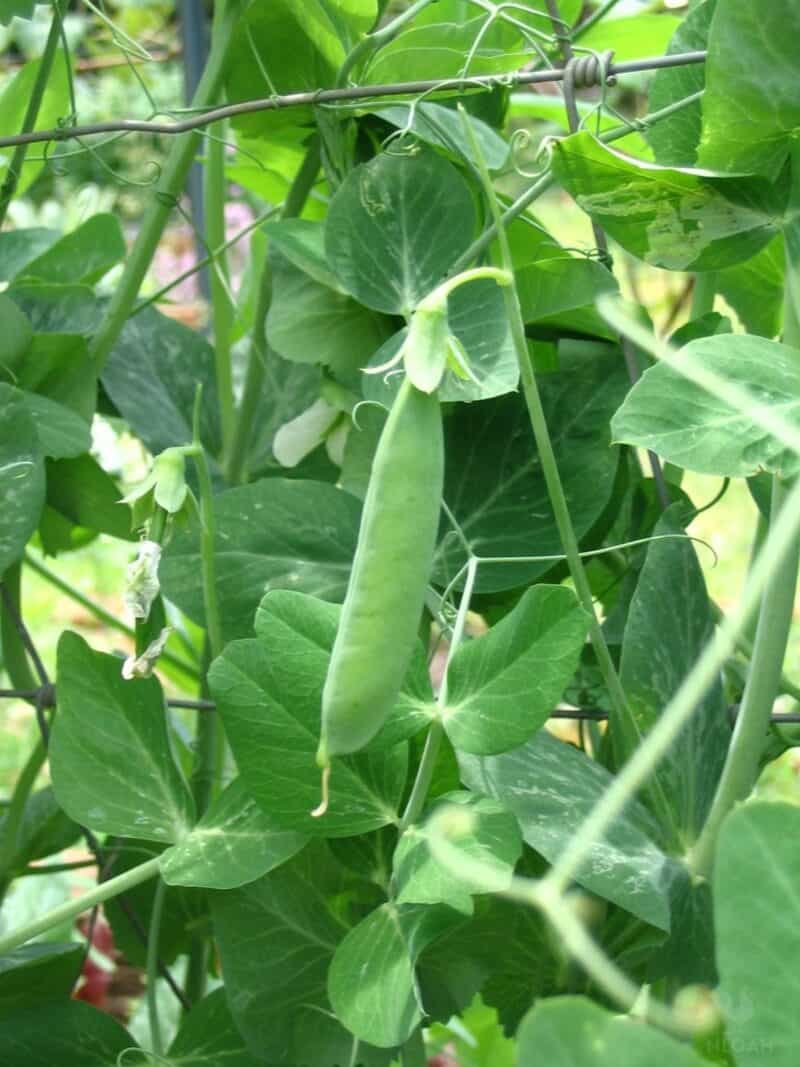
Peas
Peas and various other beans are nitrogen-fixing plants, meaning they put nitrogen back into the soil instead of taking it away. That, naturally, is a killer combo for any leafy green like kale.
But peas can get out of control and outgrow kale, shading them and causing problems. This is corrected by choosing a smaller, bushy variety that’s easier to tend and control.
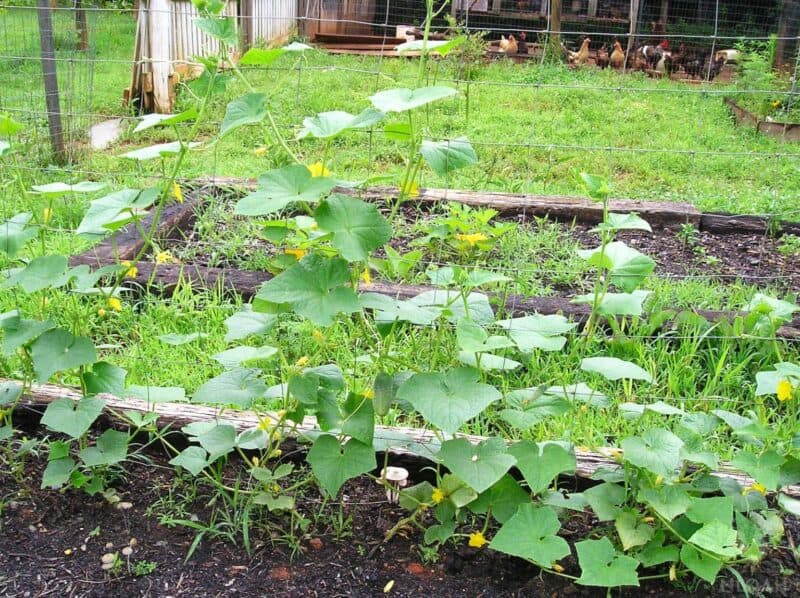
Cucumbers
Cucumber is another interesting and beneficial choice for planting alongside kale, and one with unique benefits.
Cucumber tends to spread, vine, and grow wildly along the ground, and it is known for viciously suppressing both weeds and smaller seedlings.
This means it can keep your kale safe from weeds that might try to disrupt it, and it will also keep the soil cooler because of its shading which will help kale stay happy.
The trick is to time the planting so that your cucumbers come in after your kale is already established and maturing quickly. If your kale isn’t tall enough, the cucumber can take over it. Bring the cukes in too late, and they won’t offer it any real benefit.
The idea is to plant a single cucumber plant for every three or four kale plants, then diligently direct the vines of the cucumber around the kale where you want them.
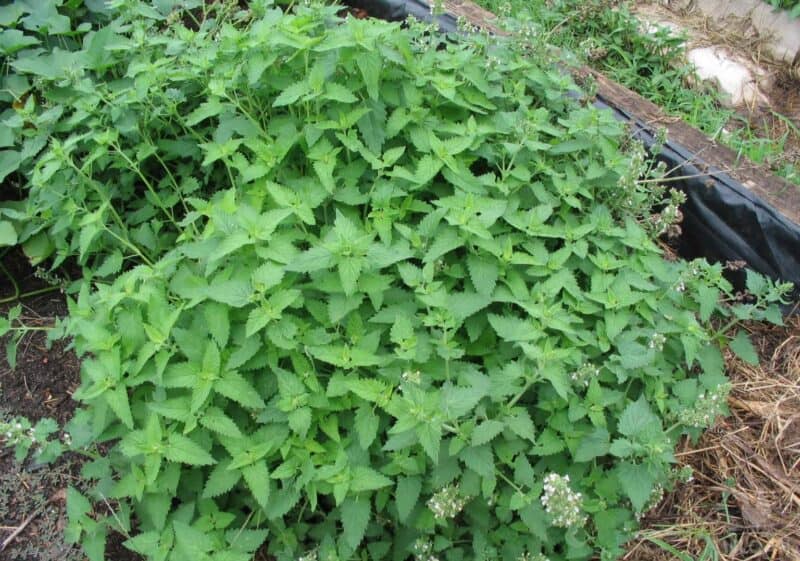
Catnip
Think twice before planting catnip if you’ve got a feline friend, or else they’ll always be out in the garden! I’m just kidding, but not really; the stuff is genuinely irresistible to cats.
But whether you want to grow some for your pet or use it as a tool in the garden, catnip is a great choice for growing alongside kale.
It is extraordinarily attractive to garden pollinators when in bloom and a few species of helpful garden predators like the wasps we talked about previously.
Give it anywhere from 10 to 12 inches between your kale plants, but keep a close eye on it. When the plant is thriving, it spreads fast and aggressively, so you don’t want it to strangle your young kale.
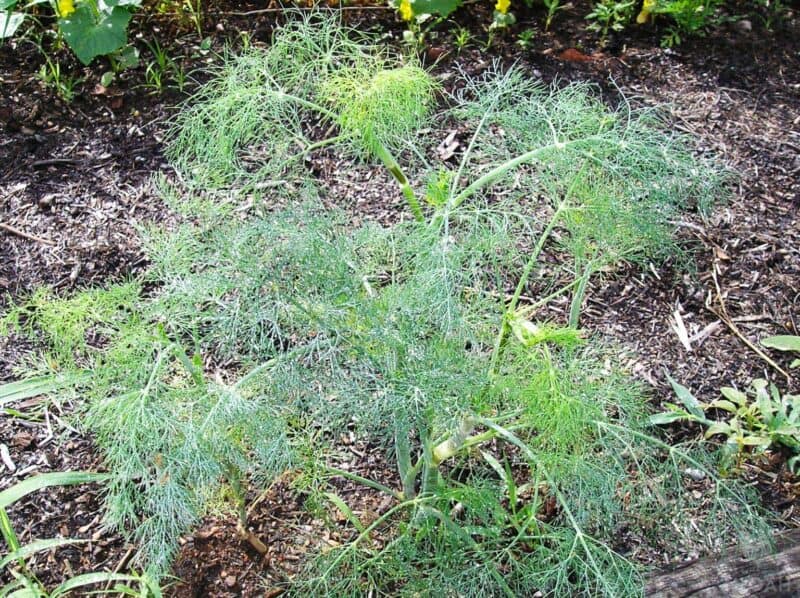
Dill
Dill is another delicious kitchen herb that adds a bracing freshness and a touch of sweetness to dishes. And there’s nothing like homemade dill pickles made with dill that you’ve grown yourself!
Dill is of great benefit to kale because it has a fortifying effect on leafy vegetables grown near it, and once it bolts and blooms, it will attract beneficial garden pollinators and predators that will wipe out pests. Various wasps, ladybugs, butterflies, and bees will be drawn to it…
The trick with planting dill is that it’s incredibly vulnerable to cold temperatures, and frost is lethal. Either plant it late in the spring before summer arrives or start it from seed inside while the weather is still chilly.
Plant it next to your young kale plants once they’ve gotten started, giving it anywhere from 10 to 12 inches of space. Harvest as needed, but do remember to let the plants bloom so you can draw in the insects.
Cilantro
Without question the most polarizing herb on our list, people either love this light and citrusy ingredient or despise it because it tastes like soap.
The hatred of cilantro is another article, but this springtime favorite grows well in cool weather and has natural insecticidal qualities. It also attracts beneficial garden predators like wasps and ladybugs that can pick off critters that might perforate your kale.
The best strategy is to plant this stuff about a foot away from the nearby kale, and you can plant rows of cilantro close to each other anywhere from 2 to 6 inches.
If you plant cilantro and kale at the same time, it will be in season long enough for you to get several harvests of crisp leaves out of it.
Make sure you leave the cilantro to bolt later on in the summer because the blooms are what will attract those beneficial predators we talked about.
Lemongrass
This tropical perennial isn’t used as a kitchen herb too often in the West, but it is hugely popular throughout Southern and Southeastern Asia. In the US, it’s more likely to be grown as an ornamental or aromatic, and it grows as an annual in cooler climates.
Like several other plants on our list of companions, lemongrass has natural insect-repelling qualities and will keep various plant-eating beetles, aphids, and even some kinds of caterpillars away.
It’s a great choice for protecting your garden generally, and because it takes so few nutrients from the soil, it won’t compete with kale for resources. Lemongrass is also quick-growing and tenacious, and will often outcompete weeds that could interfere with your kale.
Spacing is a big issue, though: mature plants can be 36 inches / 90 centimeters wide and just as tall, so plant it nearby but don’t crowd the kale.
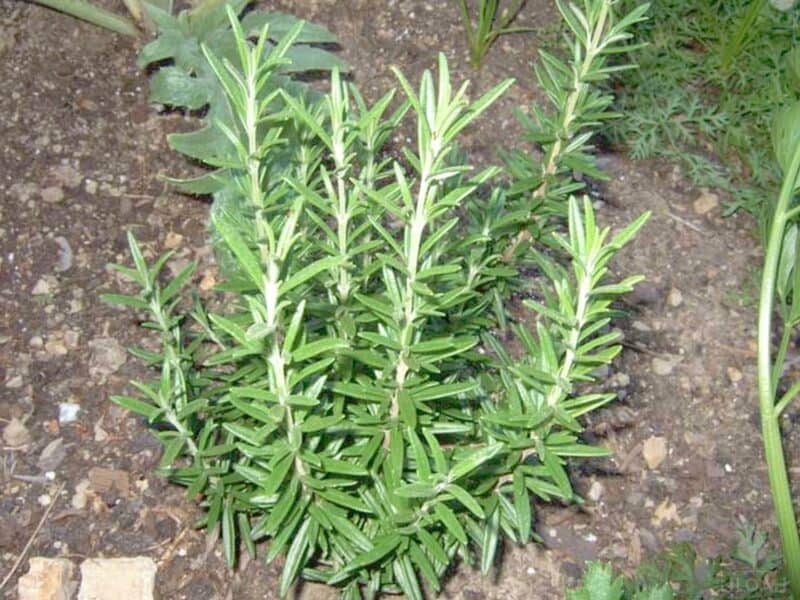
Rosemary
One of the most intensely aromatic kitchen herbs around, the resinous, indescribable fragrance of rosemary is alluring and comforting but might as well be nerve gas for many garden pests. It’s especially repulsive to aphids which can annihilate your kale in short order.
You’ll have plenty of use for rosemary in your own kitchen, and it’s easy to manage during cool season plantings because it stays small and easy to control.
It’s possible to grow rosemary next to kale with a 12 to 16-inch spacing (30 to 40 cm), but rosemary likes dry soil, so managing watering can be difficult. Consider putting it in a nearby pot instead.


Get your gift and learn things like:
- how to make this really quick pest spray
- how to prevent egg waste
- two cheap automation devices that will make your life easier
Tom has lived and worked on farms and homesteads from the Carolinas to Kentucky and beyond. He is passionate about helping people prepare for tough times by embracing lifestyles of self-sufficiency.