
If you have owned chickens for any length of time, you already know that they will eat pretty much anything. There is hardly any plant, bug, fruit or veggie that is safe from them! This can sometimes get them into trouble by eating something that they shouldn’t, or sometimes unwitting owners feed their flock things they really shouldn’t have.
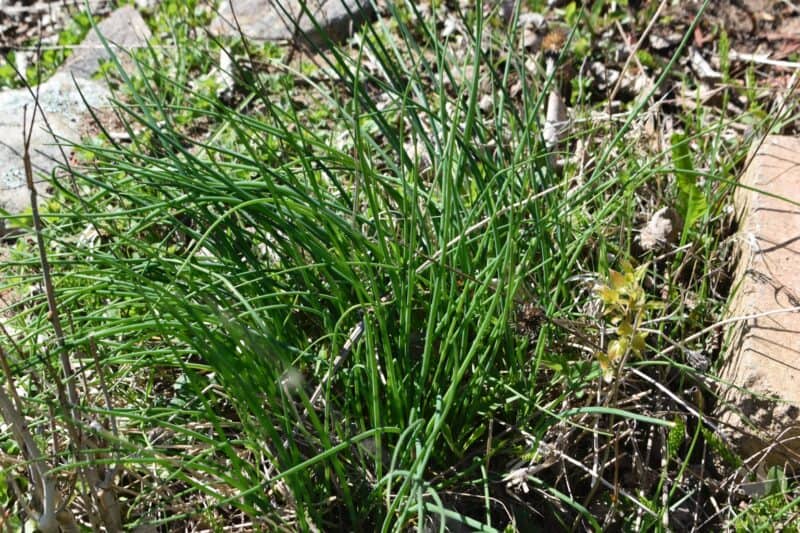
Worryingly, some of these harmful vegetables are surprising because they are pretty common in backyards, and you’ll need to know what they are. How about chives? Can chickens have chives?
Yes, you can let your chickens eat chives, but, chives have some the same problematic organosulfur compounds in onions and other Allium plants that are toxic to them. Best to give your birds chives only sparingly…
Chives, onions and others in the allium genus have various effects in chickens, with some being worse than others, but this depends on amounts, dosages, and how they are processed. There is some positive evidence behind alliums, particularly when it comes to gut health and immune responses, but the review I linked to focused on using alliums as feed additives, not whole plants.
Chives, in particular, don’t have any evidence behind the that they may be toxic to chickens, not in regular quantities, at least. Plus there is a lot of anecdotal evidence of keepers giving their chickens chives with no issues, and as you can imagine, these amounts are on the low side. So I wouldn’t worry about chives toxicology for backyard flocks…
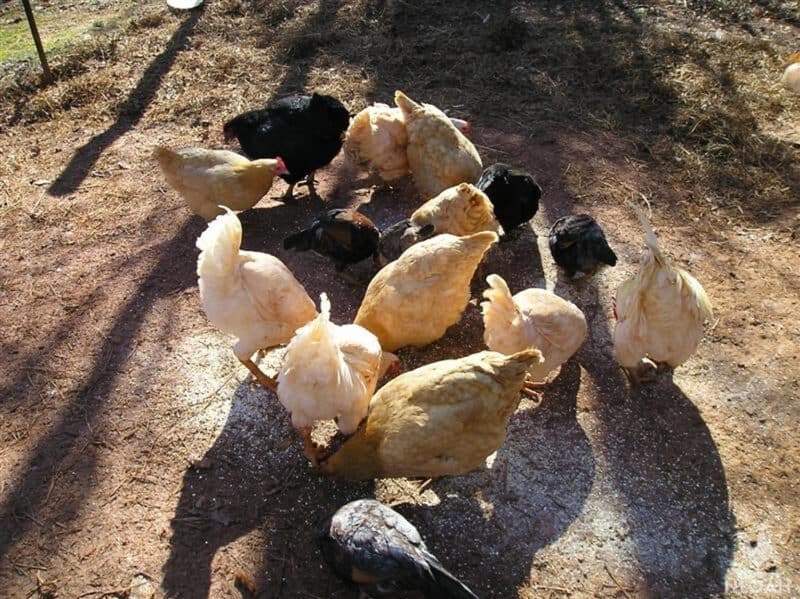
Chives are Potentially Toxic to Chickens
Contrary to popular assertion, chives can indeed be technically toxic to chickens. I say technically because I’ve never head of any intoxication cases, and I can’t find any online, either. Small amounts might not cause any harm, but then again the concentration of the compounds we are worried about varies in different species and individual plants.
The compounds I’m referring to, sulfoxides and disulfides, are dangerous because they can cause anemia through the damage and degradation of red blood cells when ingested in high enough quantities. But it appears that chickens would have to eat a lot of chives for there to be any risk.
| 100g of Chives | Amount |
|---|---|
| Water | 90.6g |
| Calories | 30 kcal |
| Protein | 3.27g |
| Total Fat | 0.73g |
| Ash | 1g |
| Total Carbohydrates | 4.35g |
| – Dietary Fiber | 2.5g |
| – Sugars | 1.85g |
| Calcium, Ca | 92mg |
| Iron, Fe | 1.6mg |
| Magnesium, Mg | 42mg |
| Phosphorus, P | 58mg |
| Potassium, K | 296mg |
| Sodium, Na | 3mg |
| Zinc, Zn | 0.56mg |
| Copper, Cu | 0.157mg |
| Manganese, Mn | 0.373mg |
| Selenium, Se | 0.9µg |
| Vitamin C | 58.1mg |
| Thiamin | 0.078mg |
| Riboflavin | 0.115mg |
| Niacin | 0.647mg |
| Pantothenic acid | 0.324mg |
| Vitamin B-6 | 0.138mg |
| Folate, total | 105µg |
| Vitamin A, RAE | 218µg |
| Carotene, beta | 2610µg |
| Vitamin E | 0.21mg |
| Vitamin K | 213µg |
| Fatty acids, total saturated | 0.146g |
| Fatty acids, total monounsaturated | 0.095g |
| Fatty acids, total polyunsaturated | 0.267g |
Chives are Closely Related to Onions, Also Bad for Chickens
Chives (Allium schoenoprasum) are commonly said to be a type of onion, and though they aren’t they are indeed closely related, both being in the genus Allium.
Many in this genus, to one degree or another, contain the harmful compounds mentioned above. You’ve probably heard the admonishment that you shouldn’t feed your chickens onions or garlic, and that’s the reason why…
The major problem with feeding them these veggies is that the effects might not be immediately noticeable. Neither Allium is, typically, as instantly lethal to chickens as some seriously poisonous plants like a poison mushroom or henbane are. The harmful compounds can lead to oxidative injury to the red blood cells, and eventually to Heinz haemolityc anemia. It could be days before you notice anything wrong, though.
Eating chives sparingly or every once in a while might not affect your chickens in the least, but by continually ingesting them, or eating large quantities it could cause complications for the poor bird.
What Happens to Chickens that Eat Too Many Chives?
Chickens that eat a lot of Alliums, or have been eating them for a long period of time may start to show symptoms, but the research we have so far point to other Alliums such as garlic an onions, not chives specifically. Keep that in mind.
Common symptoms of chive toxicity include lethargy, depression, and overall weakness. Serious symptoms include a pale comb, significant loss of appetite, difficulty breathing, and more. Anemia is of course the most serious concern and can be difficult to effectively treat in chickens.
It is especially insidious when brought on by allium plants because it can degrade the red blood cells to the point where they are completely unable to perform the vital role of carrying oxygen to tissues and organs in the chicken’s body.
Though the condition can be treated by a skilled vet that is aware of the problem, it is sometimes fatal once it progresses to a certain point, and it is easy to get to that point if you don’t know what you’re doing and are allowing your chickens to eat chives or you are deliberately feeding chives to them.
Can Chickens Safely Eat Raw Chives?
Yes, raw chives are nominally safe for chickens. Few if any keepers have reported ill effects from letting their chickens eat a few chives, but they don’t feed them on a regular basis either.
Can Chickens Safely Eat Cooked Chives?
Yes. Cooking chives will only slightly degrade any of the compounds which cause harm to chickens, but they don’t contain that many to begin with.
Can Chickens Safely Eat Dried Chives?
Yes. But know that all chives, and all forms of chives, are potentially harmful to chickens in large amounts: Cooked, fresh, ground, and especially dehydrated of freeze-dried, which can have up to 10x more calories.
Never Feed Anything to Chickens that Has Been Prepared with Chives!
I mentioned the cooking of chives above briefly, but you must be cautious when feeding chives to chickens that have been prepared with any other ingredients or used as an ingredient in a dish.
Besides the obvious danger from the chives themselves, many prepared foods that you and I like to eat are still bad for chickens because they have things like sugar, salt, excess oils, dairy, and the like.
These ingredients can cause high blood pressure, salt poisoning, sour crop, and things like that but in conjunction with chives and the havoc that they cause in your chicken’s bloodstream, the effects could be even worse.
If you care about your chickens, you only need to give them wholesome, safe foods that they enjoy. You might think you are being kind to them by sharing some of your favorite dishes with them, but this is misguided.
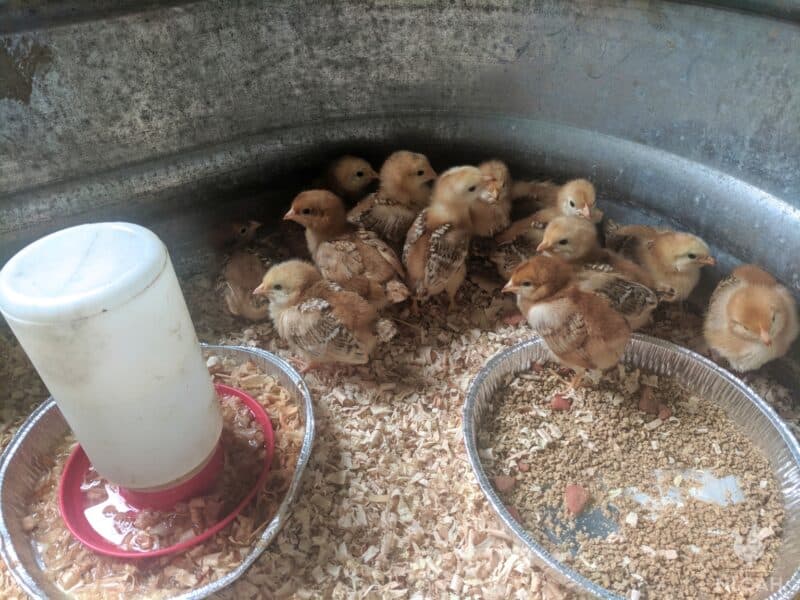
Chives Can be Dangerous for Baby Chicks
It should be no surprise that if something is potentially dangerous for adult chickens it is doubly dangerous for chicks.
Chicks are extremely sensitive to all toxins, and considering they have far less body mass than adult chickens even a few bites of chives might be enough to make them sick or possibly kill them.
Accordingly, you should never allow chicks to eat anything that could possibly contain chives, and obviously, never give them any on purpose.
What Should You Do if Your Chicken Eats Too Many Chives?
If you suspect that chickens have eaten too many chives you don’t need to panic but you do need to pay attention.
Keep a close eye on all birds that ate the chives and watch for any changes in their behavior or appearance. Refer to the symptoms above in the previous section.
If your birds are showing no obvious signs of distress, there’s probably nothing to worry about. Just take whatever steps necessary to ensure that they don’t get anymore. But if you notice symptoms, particularly if the bird is showing difficulty breathing or standing, take them to a vet as quickly as possible.
If you act fast, take the bird to the vet, and have a little luck on your side, allium toxicity can probably be treated. But in cases of acute poisoning or a delayed response, chronic injury and even death are also possible…

Get your gift and learn things like:
- how to make this really quick pest spray
- how to prevent egg waste
- two cheap automation devices that will make your life easier
Tom has lived and worked on farms and homesteads from the Carolinas to Kentucky and beyond. He is passionate about helping people prepare for tough times by embracing lifestyles of self-sufficiency.