
Sheep are known for being hardy animals that can adapt to a wide variety of climates and conditions. They are not that hard to raise for the seasoned farmer, and need little more than pasture, plenty of water, and a bit of space. But, they are not immune to health problems, and you might often see them regurgitating their food, in what looks like throwing up…
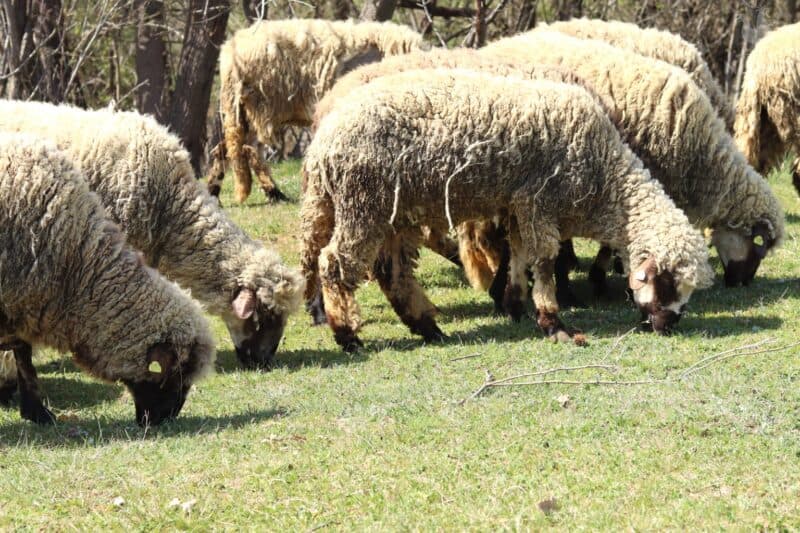
If you notice your sheep regurgitating a bolus of partially digested food, that’s likely not vomiting at all, just their normal digestion. But it can also be a sign of abnormal regurgitation, or it can even point to them choking! So let’s clear the confusion: why do sheep throw up, or appear to throw up?
Sheep often regurgitate their food in a process known as cudding, something that all ruminants do. They spit up and then rechew food again to extract more nutrients. This is normal behavior, but this is different from abnormal regurgitation, and actual vomiting can also occur – possibly due to accidental poisoning, bloat, and esophageal obstruction (a.k.a. choking).
As a farmer, you need to distinguish between regular regurgitation (cudding) and vomiting (which is typically uncommon) – and know what to do in case of the latter. Let’s take a closer look…
Throwing Up Reasons – One By One
OK, so let’s take them one by one, starting with the most common which, as I said, is not throwing up at all.
Cudding
Sheep are known to cud, which means they regurgitate partially digested food and chew on it again. This helps them to break down tough plants and extract more nutrients. This may look like throwing up, but it’s definitely not!
Cudding is perfectly normal but, on the other hand, if they DON’T actually do it, this may be a sign of trouble. If that’s the case contact a veterinarian to check for underlying health problems.
Accidental Poisoning
If the animal is showing signs of distress like lethargy or excessive drooling, it could have been poisoned. Lots of common household and agricultural products that can be toxic to livestock, including some medications, rodent poisons, pesticides, some types of fertilizer, and of course, copper. Certain toxins present in some plants or products can cause poisoning in sheep, and thus your immediate attention (and that of a vet).
There are even some plants that can be dangerous. This paper, for instance, from the University of Pretoria says that vomiting may or may not be a symptom of poisoning with the plant Geigeria ornativa.
Bloating
Bloat is a condition that occurs when the rumenoreticulum (this would be the first two of the four chambers of the rumen, basically their stomachs) fills with fermentation gas, causing it to expand. This can happen if the animal has eaten too much lush grass, clover, or alfalfa. It can also be caused by choking, but we’ll talk about it separately below.
How do you know it’s bloated? Look at the abdomen and see if the left side of the abdomen is swollen. Bloat can be deadly if not treated quickly, so keep an eye on your sheep and look for other signs such as difficulty in breathing. If you notice any of these, call a vet right away!
Choking
A final possibility is that the sheep has choked on something, which would inevitably obstruct the release of gas. This can happen if there is food or a foreign object stuck in its esophagus.
When this happens, you might see food or water coming out of its mouth or even nostrils. The sheep may start to cough, salivate excessively, or try to swallow the same food again and again to no avail. These, along with bloating, which we just talked about, are signs you are not dealing with cudding, but with something else.
How to Prevent Vomiting
There are a few key steps that you can take in order to prevent your sheep from vomiting. The first is to always feed them high-quality forage and pasture because this will help to keep their digestive systems working properly. Be sure to avoid lush and legume-dominated pastures as they can favor bloating!
Second is to avoid overfeeding feeding grain, or to give them too much all of the sudden. Grain can be a good part of their diet alongside forage, but you should not overdo it.
Additionally, you should provide them with clean water at all times, and make sure your animals don’t have access to any potentially toxic plants and remember that some common ones can cause problems, too. These include:
- Morning glory
- Oleander
- Wild Cherry
- MIlkweed
- Yew (trimmings)
- Wild cherry (leaves and seeds)
Lastly, keep your sheep’s barns and pens clear of debris so there aren’t foreign objects for them to choke on.
When to Call the Vet
If your sheep is throwing up, giving your vet a call first, may not be such a bad idea… There are a few things to consider before doing it, though.
First, consider whether the vomiting is accompanied by any other symptoms, such as diarrhea or lethargy. If so, it could be that your sheep is suffering from an illness or injury that will require professional treatment. If it’s just cudding, then obviously there’s nothing you need to do.
Secondly, take note of how often your sheep is throwing up. If it’s happening frequently or persistently, it’s best to err on the side of caution and give the vet a call.
Finally, pay attention to what your sheep is throwing up. If it’s just cud, this is part of their normal digestion and you’ve got nothing to worry about.
But if there’s repeated regurgitation of food and water, if food or water is coming out their nostrils, if they are coughing, if there’s blood or mucus in the vomit – or if the vomit is not stopping – these are all signs you need to get them in front of a vet pronto.

Get your gift and learn things like:
- how to make this really quick pest spray
- how to prevent egg waste
- two cheap automation devices that will make your life easier

Rebekah is a high-school English teacher n New York, where she lives on a 22 acre homestead. She raises and grows chickens, bees, and veggies such as zucchini (among other things).