
Herbs are awesome to have on the homestead, They make food taste better, they may help us stay healthy, but few of us consider giving them to our livestock. In fact, far too few of us are putting these herbs to work to ensure our flock of chickens stays happy and healthy.
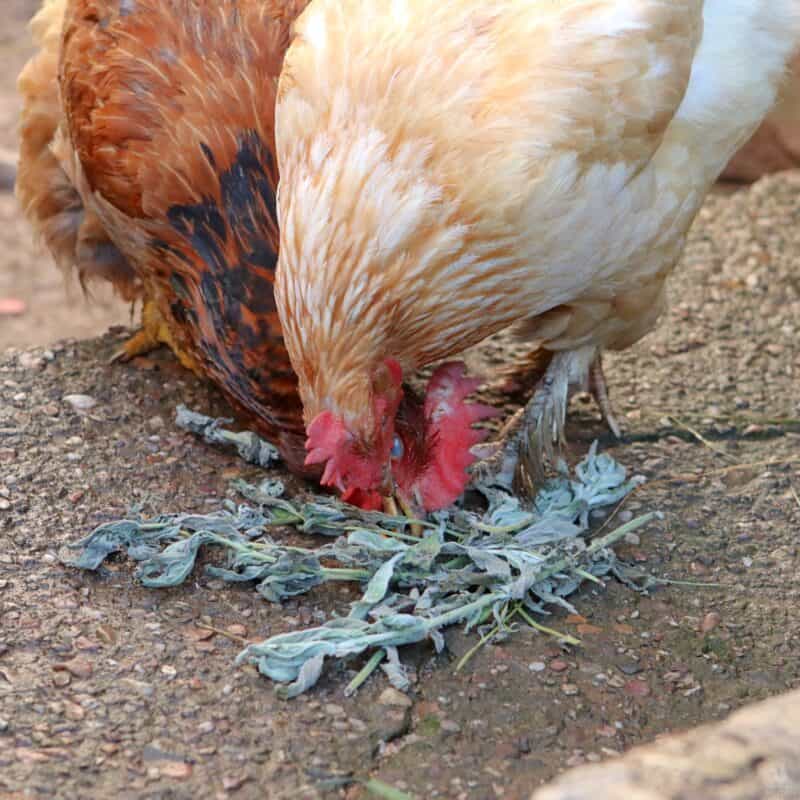
So, we’ve put together a list of the best herbs to feed your chickens. For those who are eager to feed everything to the hens, we’ve also included a few that should be avoided as well! Browse online and you’ll see lists with over 25 herbs that can be fed to your flock to supposedly boost their health. But, there are two things to consider:
- Many haven’t been studied for use in chickens, and the known effects that herbs have on humans don’t automatically transfer to your flock as well.
- Plenty of herbs have the same beneficial effects. Combining them won’t necessarily mean better results. Keeping things simple with 1-2 types of herbs for each purpose is plenty. You don’t want to waste all of your garden space on chicken herbs after all!
Here’s a quick table for you before we discuss each in detail…
| ✅ Mint | ✅ Parsley |
| ✅ Oregano | ✅ Sage |
| ✅ Comfrey | ✅ Calendula |
| ✅ Thyme | ✅ Fennel |
| ✅ Basil | ✅ Plantain |
| ✅ Garlic | ✅ Wild Violet |
| ✅ Bee Balm | ✅ Marjoram |
| ✅ Borage | ✅ Chamomile |
| ✅ Echinacea | ✅ Goldenseal |
| ✅ Hyssop | ✅ Lemongrass |
| ✅ Lovage | ✅ Tarragon |
| ✅ Chickweed | ✅ Pineapple Sage |
| ✅ Purple Deadnettle | ✅ Raspberry Leaf |
| ✅ Smartweed | ✅ Yarrow |
| ✅ Lavender |
Herbs That Are Safe To Feed Your Chicks
All of the herbs in the list below are easy to grow on your homestead, and can be given to your flock regularly.
✅ Mint
Mint grows readily in most areas, and can spread far beyond where you initially planted it. While not a nutritional powerhouse as other herbs on this list, it does have the innate ability to lower body temperatures when consumed.
This is particularly useful during hot periods when your flock may suffer. You can infuse the waterer with mint to ensure each chicken gets its fair share.
Meat breeds are particularly sensitive to hot temperatures, so if you plan on raising a batch of Cornish Cross during the summer, mint in their waterer every day could be a literal life-saver!
✅ Parsley
This wonderful herb is essentially a multivitamin. It is rich in:
- Vitamins A, B, C, E, & K
- Iron
- Magnesium
- Calcium
- Selenium
- Zinc
On top of that, parsley promotes healthy blood vessel development, and stimulates egg-laying. This is an herb that can be fed free-choice year-round to ensure that your flock is as healthy as can be.
While there isn’t that much research proving its benefits in chickens, there is some evidence that parsley works against heat-related stress. Something to keep in mind if you live in a hot climate.
All in all, because of it’s diverse array of micronutrients, if there was only one herb you could give your chickens, this would probably be it.
✅ Oregano
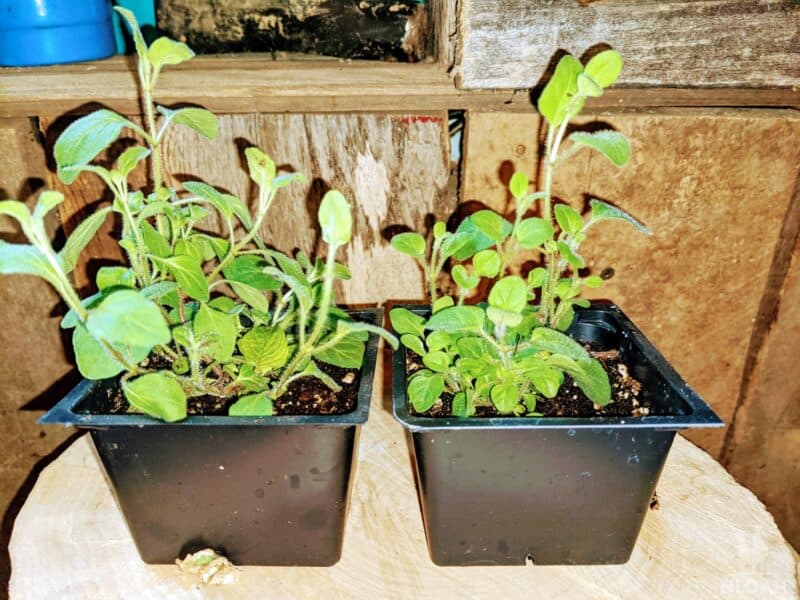
Oregano is being studied as a potential natural antibiotic for commercial flocks. It has antibacterial and anti-inflammatory properties. It’s also rich in nutrients and antioxidants.
Oregano is also known to boost feed intake and growth rate in meat birds, which improves your bottom line on the homestead. That increased food intake and growth rate also amounts to better body condition in the meat carcasses.
An immunity booster that can ward off common chicken illnesses, like salmonella and e-coli is a welcome herb for any chicken owner!
✅ Sage
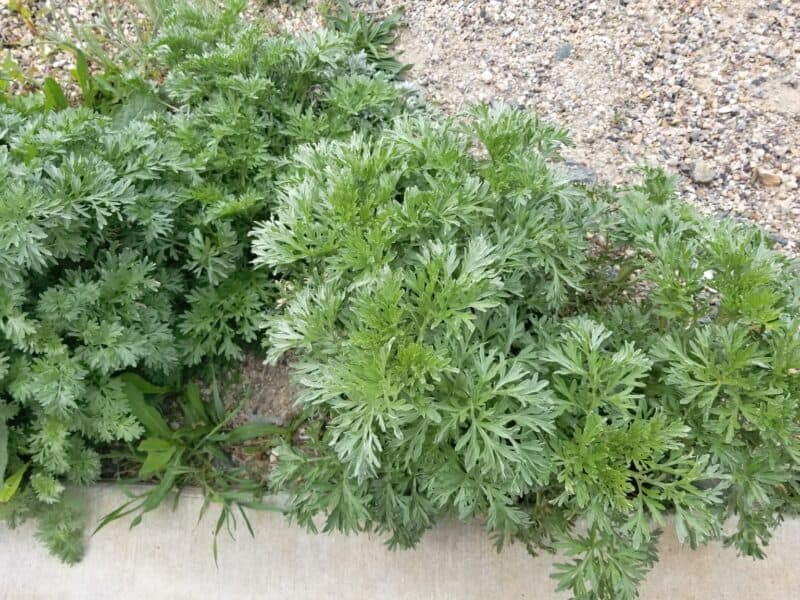
Yet another herb that can combat the chances of salmonella, and other common chicken diseases, Sage is also rich in vitamins, minerals, and antioxidants. It is also known to be anti-parasitic and promote egg-laying.
Sage can easily grow too large for your need, so throwing the extra Sage to the chickens each time the plant is cut back is a simple way to ensure your flock gets an ample supply of sage.
✅ Comfrey
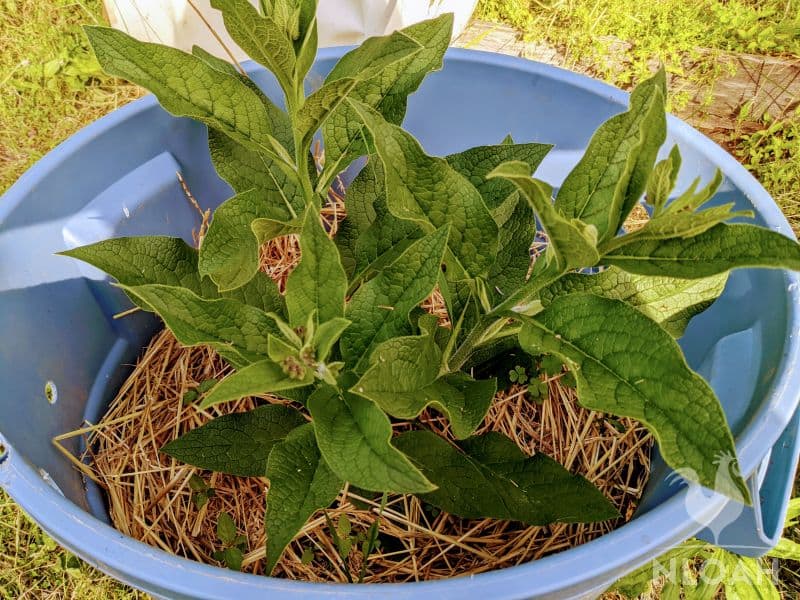
This herb was up in the air when I began writing this article. Like lavender (discussed elsewhere in this article), it is touted as a healthy addition for all chickens. After all, it helps improve digestion and offers higher protein levels than many other plants. It’s rich in vitamins and protein while being low in fiber, which makes it an obvious choice for feeding the flock.
On the other hand, comfrey has shown the potential to cause liver damage – in humans, not birds.This is because it has these compounds called pyrrolizidine alkaloids, which can cause liver toxicity in some cases. Nevertheless, it is sometimes used to round up a chicken’s diet.
So what’s our takeaway from this seemingly contradictory research? Feed it sparingly to your birds, and they should be fine, but never go overboard because, it seems, the symptoms of liver toxicity can be subtle, and sometimes even get confused for those of other diseases!
✅ Calendula
This common flower can be added to your own salads or thrown to the chickens for a treat that they’ll gobble up. They are a great color aid for egg yolks, beaks, and feet. The rich orange color boost that calendula provides is almost enough to warrant feeding it alone.
Yet, it is also anti-inflammatory, anti-bacterial, and a potent antioxidant. The chickens love the flavor and will deliver healthier, deeper-colored eggs in return. Marigolds are typically added to layer feeds, but nothing beats the effects of the fresh-cut flowers.
✅ Thyme
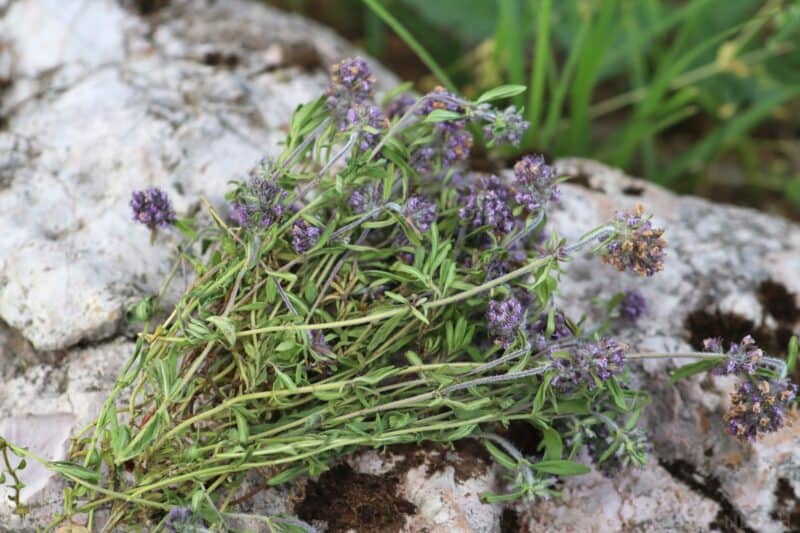
Thyme is antibacterial, and also boosts respiratory health in your flock. Thyme, along with basil, is the best herb for supporting healthy mucus membranes in your chickens as well.
Don’t be afraid to throw any extra thyme you have into the nesting boxes and coop since it is a high-quality insect repellant.
✅ Fennel
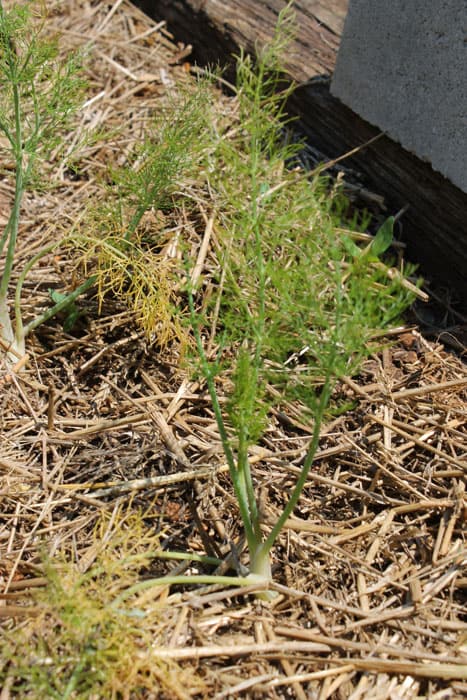
Fennel is one of the best ways to ensure your hens’ reproductive systems stay healthy and productive. Fennel is a potent laying stimulator as well.
It’s also beneficial during hot weather to combat the effects of heat stress. In combination with mint, fennel should turn those grueling summer days into productive days where the meat birds can grow at their optimal rates, and your laying hens keep delivering high-quality eggs on schedule.
✅ Basil
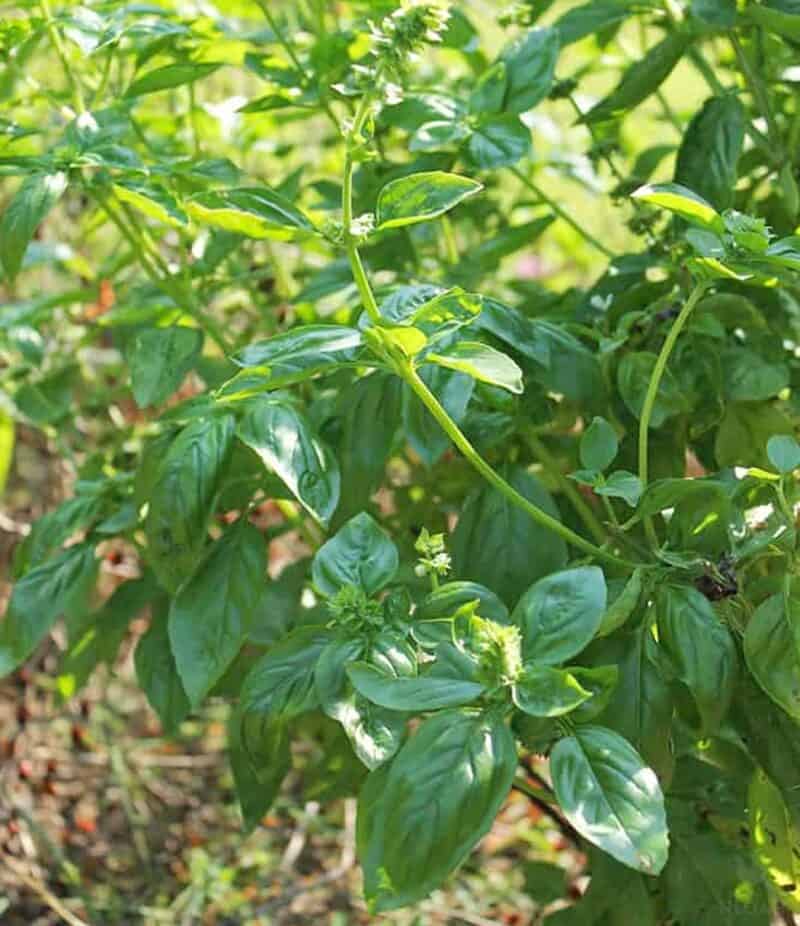
Basil is an immunity booster for your flock. It is particularly rich in Vitamin K and Iron. Chickens are particularly susceptible to respiratory issues, especially if the chicken run and coop aren’t large enough and/or aren’t cleaned often.
Luckily, basil is another herb that is protective of the respiratory tract. Basil is easy to grow and chickens tend to eat it up, ensuring you have plenty of medicine that the flock with love!
✅ Plantain
Plantain is an edible plant with long green leaves that grows wild in many parts of the world. It contains high levels of vitamins A and C which can help boost your chicken’s immunity against disease.
Plantain also contains iron which keeps their blood healthy and magnesium to help them metabolize energy more efficiently.
✅ Garlic
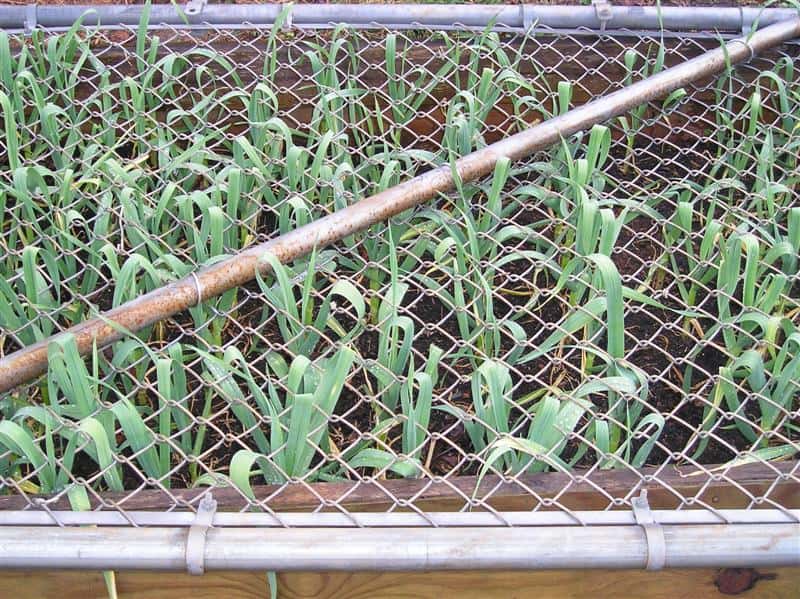
While some may worry that the intense flavor of garlic will find its way into the eggs and meat, feeding it less than other herbs will ensure this doesn’t happen.
Garlic can control internal parasites, stimulate egg-laying, bolster the immune system, reduce the odors of manure, and boost growth in underdeveloped chickens.
Simply put, garlic is a wonder for chickens! It’s one herb that can be used from day one with baby chicks and throughout their entire life!
✅ Wild Violet
Wild violets are often considered pesky (albeit beautiful) weeds, but they can actually be good for your flock when eaten in moderation.
Wild violet is rich in vitamin C, and helps to stimulate the appetite of hens which can be beneficial during molting or egg-laying seasons. Just be aware that wild violets contain oxalic acid which can bind calcium, so it’s important not to overfeed it!
✅ Bee Balm
Bee Balm boosts respiratory and digestive health. It’s also antiseptic and antibacterial, making it an easy choice to keep around. The herb is also calming, making it a good addition to nesting boxes if you have extra that the chickens didn’t finish off.

✅ Marjoram
This herb is a potent laying stimulant. It also acts as an anti-inflammatory agent, and helps your chickens detox. Staphylococcus and e-coli are particularly susceptible to the beneficial effects of marjoram.
✅ Borage
Borage is an annual herb with bright blue flowers, and is native to the Mediterranean region. It’s easy to grow in a variety of climates, and is packed with essential fatty acids that can help give your chickens glossy feathers.
Borage also has anti-inflammatory properties which can help boost the immune system of your flock. Just be sure not to overfeed borage; too much could cause digestive issues…
✅ Chamomile
Chamomile is a great choice for feeding chickens because it’s rich in flavonoids that help reduce stress levels. It also helps improve digestion by stimulating the production of gastric juices. Just make sure not to feed them too much chamomile; like all herbs, moderation is key.
✅ Echinacea
This one has long been used by humans as an herbal remedy for various ailments, but did you know it can also benefit your flock? And unlike other herbs on this list, there is strong evidence to recommend it (here and here).
Echinacea contains powerful antioxidants which can help strengthen their immune systems against illnesses like avian flu or Marek’s disease.
✅ Goldenseal
Goldenseal is an herb native to North America that has been used for centuries as a medicinal plant. It has compounds with anti-inflammatory and antifungal properties, which can help your birds in some cases. But more importantly for us, it can help with egg quality as shown in this study that says:
Our data demonstrate that Hydrastis canadensis can improve the egg quality and modulate the microbiota composition of laying hens.
Effects of Dietary Inclusion of Dry Hydrastis canadensis on Laying Performance, Egg Quality, Serum Biochemical Parameters and Cecal Microbiota in Laying Hens
Goldenseal should be fed in moderation, however, as too much of it can be toxic: a study found that feeding goldenseal in higher doses showed clear signs that berberine, the main active ingredient in this plant, started to accumulate in the liver. Moderation is best with this one.
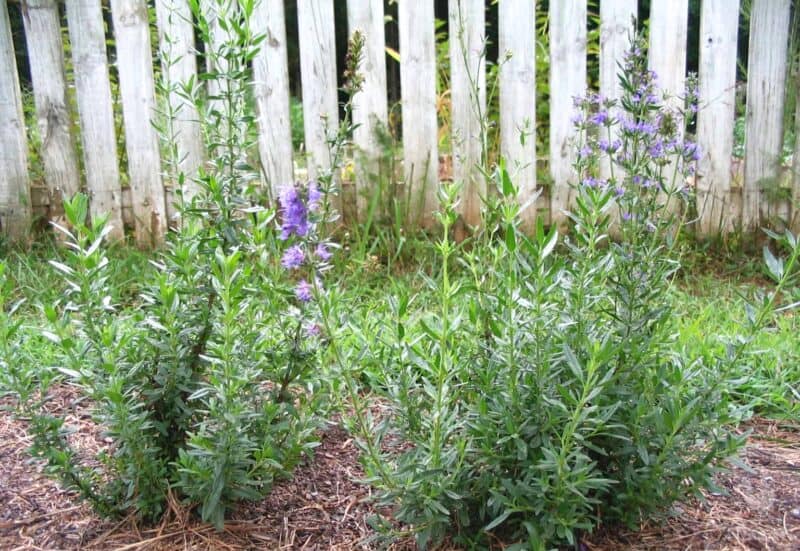
✅ Hyssop
This herb has a fresh, minty flavor that your chickens will love. It contains compounds with antioxidant and antimicrobial properties, which can help boost the immune system and protect against infections. Hyssop should be fed in moderation as well, since large doses may cause digestive issues in some birds.
✅ Lemongrass
Lemongrass is a great source of Vitamin C and antioxidants for your chickens, making it an excellent choice for boosting their overall health. The lemony taste also makes it a delicious snack for them! Just make sure to cut the leaves into small pieces so that your birds don’t choke on them.
✅ Lovage
Lovage is an herb with many benefits – it helps promote digestion, boosts the immune system, and even aids in respiratory health! Its unique flavor makes it a favorite among chickens (and humans!).
✅ Tarragon
Tarragon is a herb that has been used in cooking for centuries. It has a mild anise-like flavor and is packed with antioxidants. It also contains thiamin, riboflavin, niacin, vitamin A, calcium, iron, magnesium, phosphorus, and potassium.
When you give it to chickens in moderation, tarragon has anti-microbial properties (as per this study done on broiler chickens). What the study points to is that it may help your birds if they live in a crowded coop and run, but that doesn’t mean the rest of the micronutrients are useless. Give it to them in moderation and they should be fine.
✅ Chickweed
This low-growing herb is easy to find in gardens around the world and makes an excellent addition to any chicken’s diet. Chickweed is a good source of protein and beta-carotene which help keep feathers looking glossy and healthy.
The only thing you have to watch out for when feeding chickweed is that it can contain toxins if picked from areas where there’s a lot of air pollution or chemical runoff from farms nearby.
✅ Pineapple Sage
Pineapple sage is another great herb for chickens because it contains vitamins A and C which are important for immune system health. Pineapple sage also has beta carotene which helps keep your chicken’s feathers looking beautiful.
This herb also has a sweet pineapple-like aroma, so it might add an interesting flavor to your eggs (depending on how much you feed it to them)!
✅ Purple Deadnettle
Purple deadnettle is a flowering plant that produces small purple flowers throughout the springtime months. It is rich in calcium and other minerals like iron, magnesium, phosphorus, and potassium which all play an important role in keeping your chickens healthy.
This plant also has carotenoids which aid in digestion as well as polyphenols which can help fight off bacteria and viruses.
✅ Raspberry Leaf
Raspberries are delicious in pies or frozen on a hot summer day, but did you know that their leaves are also great for chickens? Raspberry leaf is high in calcium, vitamin A, and iron. It also acts as an antioxidant and helps to nourish their reproductive systems.
However, if you choose to feed raspberry leaves to your chickens, make sure not to overdo it—too much can cause diarrhea.
✅ Smartweed
This herb may sound like something that should be avoided at all costs, but nothing could be further from the truth! Smartweed is rich in antioxidants, and is great for boosting your chickens’ immune system. Plus, it has essential amino acids that help to support muscle growth.
✅ Yarrow
Yarrow is another herb that should definitely be included in your chicken’s diet. Not only does it have anti-inflammatory properties which can help with any respiratory issues your flock might have, but it also contains vitamin B6 which supports digestion and helps boost their immune system.
✅ Lavender
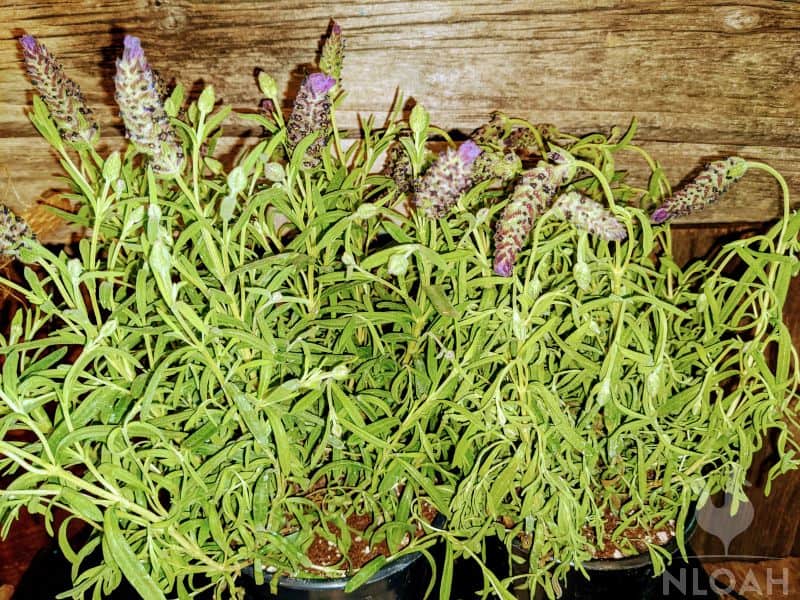
Lavender is a safe herb for chickens, though some will like it while others will hate eating it. As with any food or treat that is safe, you can try it and see if they like it.
Lavender essential oil specifically — not the raw herb — has some research backing its benefits for chickens, showing antimicrobial, antioxidant, and even production gains in broilers (here and here).
That being said, your birds nibbling on its stems and leaves will probably not show the same benefits as the essential oils, but on the other hand, they will benefit from its micronutrients…
9 Herbs That Your Flock Shouldn’t Have
| ❌ Nightshades leaves and stems (tomatoes, potatoes, eggplant, bell peppers, chili peppers) | ❌ Aloe Vera |
| ❌ Tansy | ❌ Foxglove |
| ❌ Henbane | ❌ Pennyroyal |
| ❌ Comfrey (in large amounts) | ❌ Bitter Orange |
| ❌ Monkshood |
Just like many plants are poisonous or toxic to humans, dozens others can be harmful to chickens. However, there are a few herbs that I thought deserved a specific mention since they tend to be more common and seem harmless from the outside for your chickens.
❌ Aloe Vera
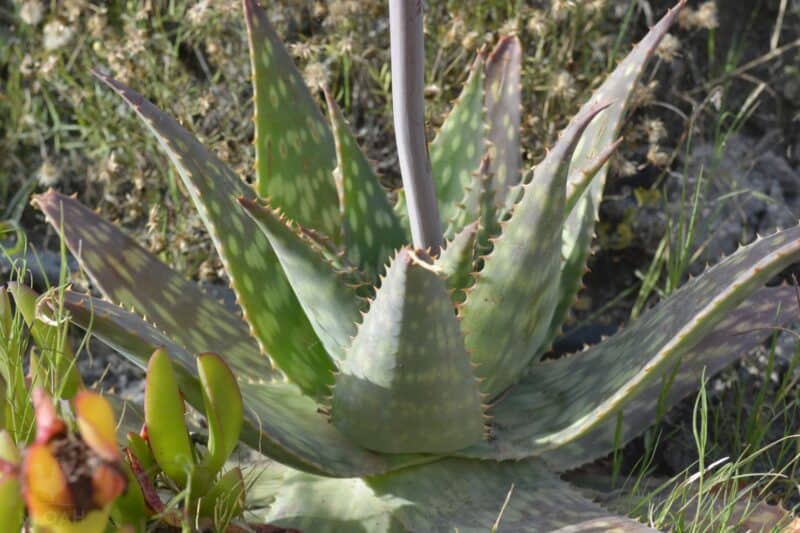
It’s true, Aloe Vera can be a good aid in boosting the growth rate of meat birds. However, it tends to be easy to overdo and leads to digestive pains and diarrhea in the birds. Other herbs are useful to boost growth rates without negative side effects.
If you are hard-pressed to maximize the growth rate of your broilers, use Aloe Vera after you have exhausted all other herbal options for the sake of the birds’ digestion.
❌ Foxglove
All parts of the foxglove plant are toxic and can lead to heart failure. There is no excuse to give your flock access to this herb. Avoid it, and remove it from any areas the chickens rummage through.
❌ Henbane
This one has quite a scary name! How could one think that something named Henbane could be the bane of hens?! All jokes aside, this plant is toxic not just for chickens, but for pigs and other livestock, too (not to mention humans).
This is another plant that has a bunch of alkaloids that can wreak havoc in your girl”s digestive system. In fact the seeds are the ones concentrating the highest amounts of these compounds.
❌ Pennyroyal
This herb is actually a member of the Mint family. However, this variety is toxic to chickens, and can lead to death. It tends to cause liver failure in the flock.
The majority of the rest of the mint family is perfectly healthy for your chickens interestingly enough.
❌ Nightshades
Although not considered an herb, the flowers and plant material from the Nightshade family should be avoided. The alkaloids cause appetite loss, weak heart rate, and trouble breathing and can severely damage a chicken’s health.
Obviously, chickens love tomatoes, so one might be curious if they would love the whole plant after it has been exhausted.
Don’t be fooled! The nightshade family of plants is toxic to chickens, and only a few of the fruits should even be considered for your flock.
Avoid feeding them the flowers, stems, or leaves of tomatoes, eggplant, and peppers. Also avoid feeding them raw potatoes. They can eat the tomatoes and eggplant fruit, though, as well as the actual peppers.
When and How To Feed Your Herbs To The Chickens
Free choice is the preferred way to feed herbs to your chickens, Just like fresh greens, the chickens will pick and choose what they want and like and eat as much as they need. They tend to avoid overgrazing a specific herb if they’ve had enough.
You can mix and match feeding these herbs to your flock as you choose. The chickens will pick through and get what they want while leaving the rest for later.
If you don’t want to cut fresh herbs and give them to the flock right away, you can also dry them and mix them in their feed. Herbs may lose nutrients when dried, although this isn’t automatically true. As always, fresh is better!

Don’t worry if you throw too many herbs in the chicken run, as they tend to ward off pests and other animals with their strong scents. Win-win! Just print out the two lists from this PDFs to avoid having to rely on your birds’ instincts and know for sure which herbs are bad for them.

Get your gift and learn things like:
- how to make this really quick pest spray
- how to prevent egg waste
- two cheap automation devices that will make your life easier

Milo Martinovich was born and raised in a small town in Northern California. Throughout his life, he has been involved in agriculture and now lives on a 7-acre homestead raising livestock and growing food for his family. Self-sufficiency is his ultimate goal.
Do you know if garden huckleberry fruit is toxic to poultry? It is a nightshade, related to tomatoes, that grows wild in my yard, and the birds want to go after ripe black fruit every time they come across it. (They do not seem to be interested in the plants themselves, thank goodness.)
very informative article! thanks for sharing–I made notes and was researching beneficial herbs because I am looking to find ingredients for a chicken treat recipe I found and wanted to know which ones would be good to add in. I’m going on year 3 with my chickens and obsessed and addicted LOL and am always learning practices and reading on how to best care and treat my flock. 🙂
Great article! Thank you. I’m new at chicken keeping. I really thought lavender and eucalyptus were ok. I don’t feed it to them but mixed essential oil in water to spray around to discourage pests. I hope my birds are ok. They seem to be and I will stop immediately!😳
Our chickens love pineapple sage, it’s like chicken crack. I always plant a few of those and some mint along with rosemary and, yes lavender outside their run. The pineapple sage close enough so that they can get to some of it without destroying the entire plant, the lavender on the outer edge to keep the deer away.
This was very helpful. Thank you for all the information! ?
I was told to put lavender in your chickens’ brooding box and in their sand when they take their baths because they supposedly like it. Not that they eat it but they like the smell of it. So can you do that?
Would have been nice to have pics of all the plants not to feed. Some of those names I have never heard of.
Thank you for the article. I have a bunch of potted herbs in my chickens run they have free access to.
One question…are herbs considered ‘treats’ whereby I should limit their intake? I have read that treats should make up no more than 10% of intake. And my chickens eat a lot of the herbs…they love it. So I just want to be sure I’m not giving them too much of a good thing.
Thank you so much for sharing this! I have had chickens my entire life and feed them their recommended grain and scraps but I never thought of looking into herbs for them! Such a great article – thank you !
Thanks Milo