
Dehydrating is a good way to preserve it for future weeks, months – perhaps even over a year, depending on the food… I love dehydrating herbs in particular, as this makes it easy to store them for later use. But these definitely aren’t the only foods you can dehydrate. You can also dry fruits, veggies, meats, and more.
Although just about every food is a good candidate for dehydrating, there are a few that shouldn’t be… Some just aren’t suitable for this preservation method simply because it makes them taste bad, or causes them to lose some of their nutrients (like vitamin C and some B vitamins). With other foods, though, dehydration isn’t just a bad option – it is an unsafe one.
In this article, I’ll tell you all about ten foods to never dehydrate – and why. Plus, I’ll give you a few alternatives to try instead.
Never Dehydrate These Foods
❌ Avocadoes
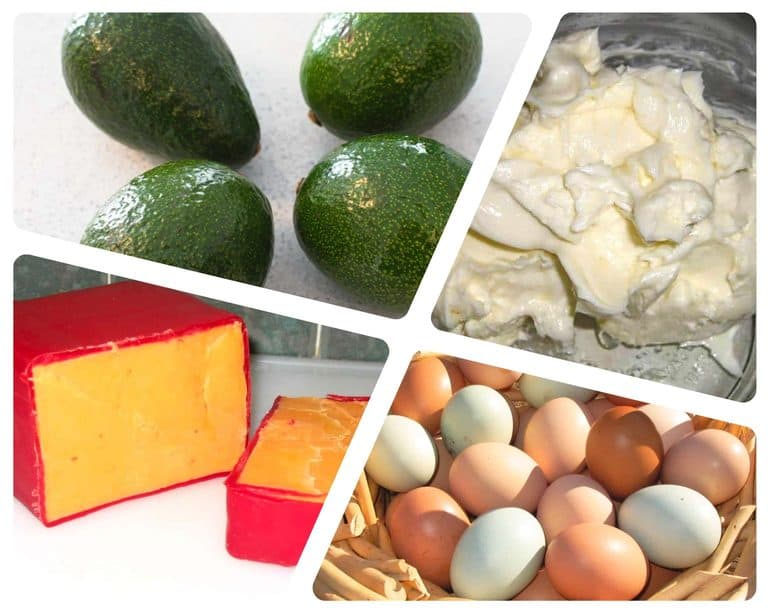
Avocados are delicious, and they’re also jam-packed with nutrients. That’s why so many people love them, after all! Sadly, these should not be dehydrated at home because they’re very high in fat and don’t hold up well. The high-fat content is unusual for a fruit or vegetable – and drying them will not only produce a final product that is leathery and poor-tasting, but it will also spoil very quickly.
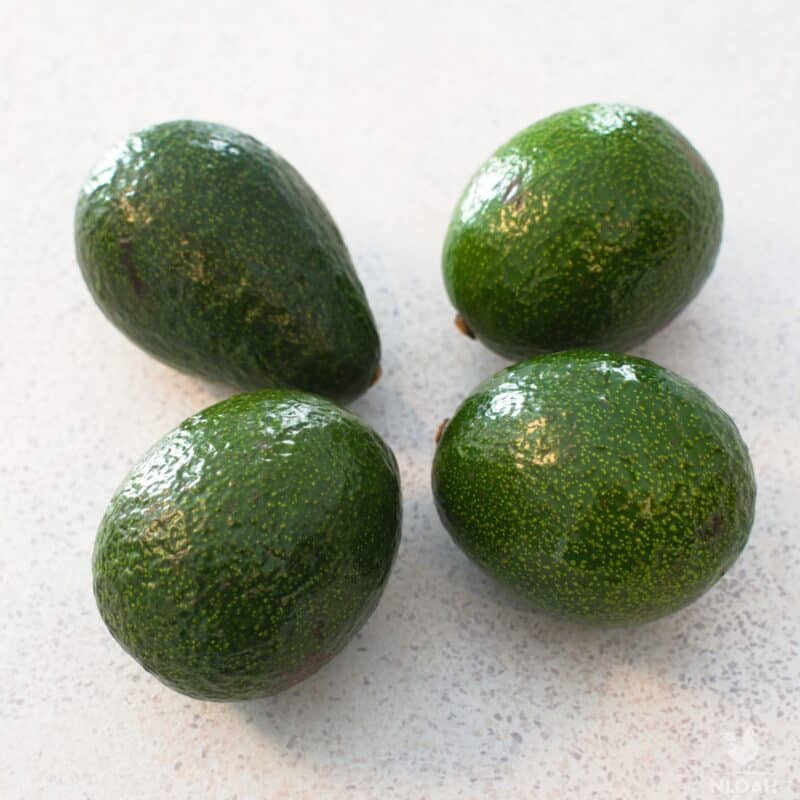
Dehydrated avocados are known to go rancid very shortly due to their fat content (they are around 12 to 24% fat). When you dry them, you remove the water, but not the oils inside, so rancidity can still develop.
This study showed that storing freeze-dried guacamole and avocado puree in a nitrogen environment is one way to prolong shelf life, but 15 weeks is not that much, and who can set up a nitrogen environment on their homestead, anyway? Save yourself the hassle and skip drying them. Fresh avocados taste best, anyway.
❌ Juices
I’m honestly not sure why you would want to dehydrate a liquid, but believe me, this is something people ask about quite regularly! Logistically, I’m not even sure how you would do this…
If you want to store juices for later use, your best option is going to be to can them, and there are actually NCHFP-tested recipes for things like apple and grape juice, not to mention tomato juice.
❌ Mayonnaise and Other Sauces
Now I know what popped into your head when you read this: why would I want to dehydrate salt, pepper, or my oregano powder? That last one is already dehydrated! I couldn’t agree more, but there are others that could be dried but shouldn’t:
- mayonnaise and other salad dressings
- pesto
- cream sauces
- and soy sauce
The reason you don’t want to dry the first three is because of their high fat content. Fats go rancid over time at room temperature quicker than other macronutrients like protein and carbs. And that last one, soy sauce, can be dehydrated at home, at least in theory, but it’s so liquidy, it would probably take an enormous amount of time to do it. The increased energy bill after you try it is going to sting, too!
❌ Butter
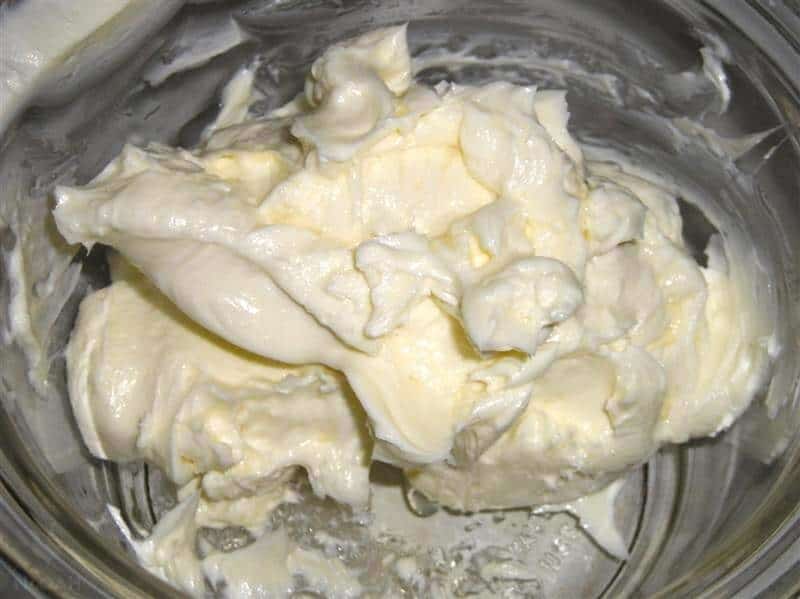
As with fatty meats, butter is another item that you shouldn’t dehydrate because it has too much fat. The fat content prevents the butter from being effectively dehydrated. Don’t get me wrong, you can do it, but if you read everything up to this point, you know why it’s a bad idea: fat oxidation and the inevitable rancidity…
You can buy commercially preserved powdered butter which will be a better use of your time and money than trying to use your dehydrator.
❌ Milk
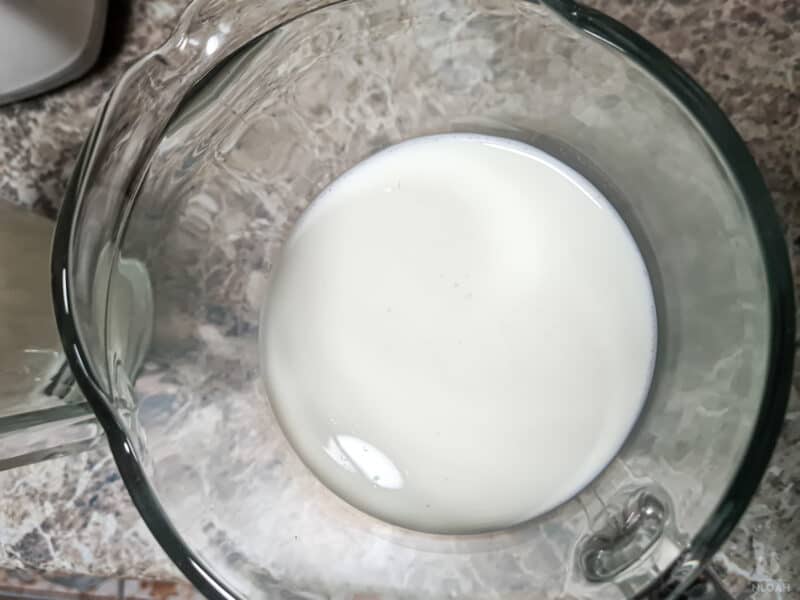
You can sometimes dehydrate nonfat or one-percent milk, but it can be a challenge to do so. I guess the main issue is that you can’t be 100% sure all the moisture is gone – not at home, at least…
Skim milk can be dehydrated in theory because of its low fat content (which makes it less prone to rancidity), but there is not tested recipe that I could find showing how to do it. Buy powdered milk at the store instead.
❌ Eggs
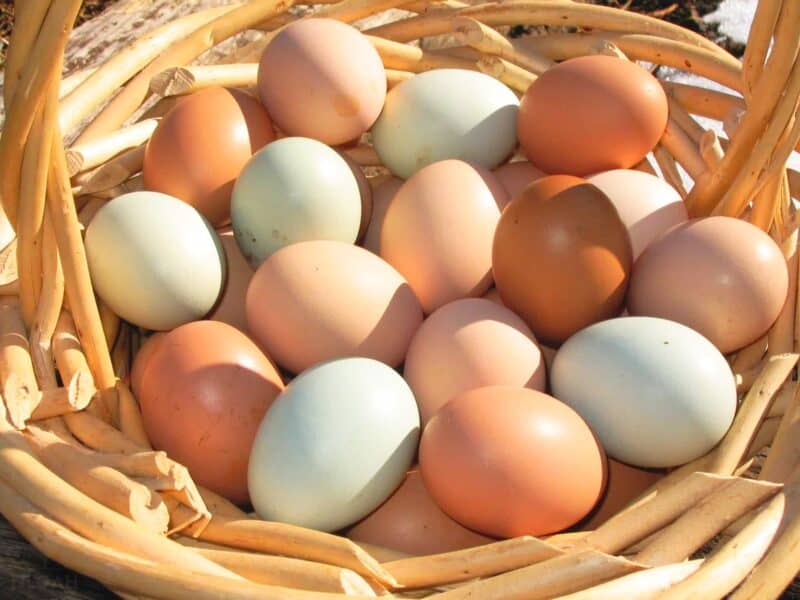
You might be shaking your head at this one, but I don’t recommend dehydrating eggs. Yes, you can buy powdered eggs, and they’re great. And yes, lots of people dehydrate their own eggs, too.
The reason I don’t recommend it is, you guessed it, because it’s not safe. More specifically, dehydration does not guarantee that the resulting egg powder is pathogen-free such as Salmonella. A better way that’s also safe is to freeze them, something we already tried.
❌ Cheese
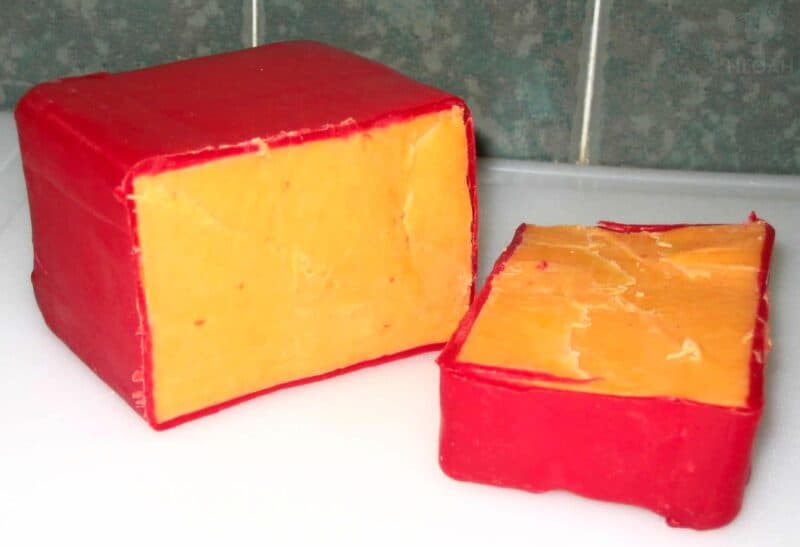
You could, in theory, dehydrate cheese, but you need to be extremely careful about doing it (personally, I wouldn’t risk it). Like nuts, meat, and butter, cheese has a lot of fat. It will go rancid more quickly, and in my opinion, it’s not worth it. Just buy powdered cheese if that’s really what you want – or consider sticking it in the freezer instead.
❌ Eggplant
You might be surprised to find this one on the list since it’s a vegetable, and many veggies can easily be dehydrated at home. There are several issues with dehydrating eggplant, mainly their high moisture content, discoloration, and texture.
Not only is removing all of the moisture really hard and never guaranteed in a home setting, the resulting dried produce will darken ; you might not like that! Skip.
Be Very Careful When Dehydrating These
❗️ Olives
Olives can be dehydrated, in theory, but not until you cure them. The salt used in the curing process does a lot of the heavy lifting to remove moisture. Once you cure them, you can go ahead and put them in the dehydrator. But raw, fresh olives? Forget about it…
And you truly want the benefits of olives in a product that has a long shelf-life, say over a year, you can’t go wrong with extra virgin olive oil because it retains many of the beneficial nutrients such as polyphenols.
❗️ Pears, Bananas, and Apples
These are three fruits that you can easily dehydrate, but you’ll want to make sure you take one simple step before putting them into the dehydrator for the best results – just spray them with lemon juice.
❗️ Mushrooms
If you’re going to dehydrate mushrooms, just be sure to dry them a bit ahead of time. This will help them retain their natural color.
Rinse in water before dehydrating, too. Your mushrooms might end up a bit darker after they have been dehydrated, but they’ll retain most of their flavor and nutritional value.
❗️ Leafy Greens
You can process leafy greens in your dehydrator, but you should blanch or steam them first. This way, they’ll keep their color and retain all of their minerals and vitamins. Kale chips, anyone?
❗️ Blueberries
This one might surprise you – but don’t worry, you can still dehydrate blueberries. You just need to take a few preventive measures first before dehydrating your blueberries, and place them in some boiling water. This will crack their skin. Remove them from the water after just fifteen seconds.
This will help the berries retain their color and flavor. Otherwise, they’ll look pale and limp after you’ve dehydrated them.
❗️ Fatty Meats
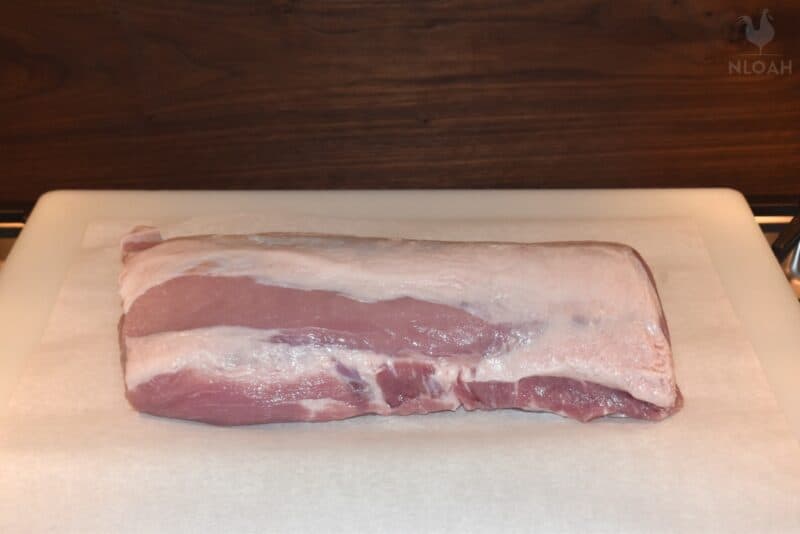
Don’t try to dehydrate any meat that isn’t lean. It will dry okay, but the fat in the meat will oxidize and go rancid, possibly in just a couple of weeks, in storage, anyway. Avoid dehydrating:
- bacon
- fatty pork belly
- ribeye and other fatty beef cuts
- and other fatty ground meat blends
You can easily dehydrate leaner cuts of meat, like chicken, beef, pork and venison, though. It’s a great way to make jerky!
❗️ Low-Acid Foods
You thought the low-acid recommendations were just for canning, didn’t you? Unfortunately, you also need to pay attention to the acid content of fruits and vegetables when you are dehydrating, too. That’s because it may be necessary for you to steam or blanch a low-acid food before you dehydrate it.
If you forget this step, don’t panic – it’s not going to make your final product unsafe to eat. It just might be a bit limp or chewy-tasting.
❗️ Fruit Leathers
Fruit leather is a common item that many folks like to make with their dehydrators. Feel free to make your own, but be careful about doing so if you’re inexperienced.
Consider following a recipe to show you the ropes, as making fruit leather can be messy (and will seemingly take forever) if you don’t know what you are doing. Each fruit has a different recipe, too, so don’t try to do things in a one-size-fits-all fashion.
What to Dehydrate Instead
If you’re feeling a bit forlorn after reading about all of the foods that can’t be dehydrated, don’t worry – the list of foods that you can dehydrate is much longer. You still have plenty of options!
Some good choices include legumes of any kind, citrus fruit, cabbage, carrots, onions, squash, zucchini, tomatoes, and pears. You can also dehydrate kale, apples, cherries, peaches, grapes, rhubarbs, and many more…
One of my favorite foods to dehydrate? Potatoes! There’s nothing more delicious than homemade potato chips – plus, you can use dehydrated potatoes to make homemade mashed potatoes, too.

Get your gift and learn things like:
- how to make this really quick pest spray
- how to prevent egg waste
- two cheap automation devices that will make your life easier

Rebekah is a high-school English teacher n New York, where she lives on a 22 acre homestead. She raises and grows chickens, bees, and veggies such as zucchini (among other things).
I have been dehydrating eggs since the prices started going up. I used my dry eggs today to make western sandwiches and they where spectacular. The web advises re-hydrate for about 5 minutes. I left mine for 15. They are not as fluffy but the flavour was the same and I would definitely use them to make scrambled eggs and definitely for baking. I think advising folks not to dehydrate eggs is bad advice. Just my opinion.
Did you just crack the eggs and dehydrate them? I was thinking of doing the same thing and to is is the first article that had a no next to eggs… I haven’t done it before and was considering dehydrating them and then putting the dried product through the grinder to make an egg powder… ideas???
Gratitude for your simple and easy-to-follow guidelines. I plan my dehydrating debut tomorrow with apple cubes. You are a great inspiration to me. Learning at age 72 is much more fun.