
Homemade mosquito traps – is it possible to make one that’s effective and actually works? Such a trap is easier to make than you might think, and the beauty of it is that there are many solutions for keeping mosquitoes at bay, some for outside and some for inside.
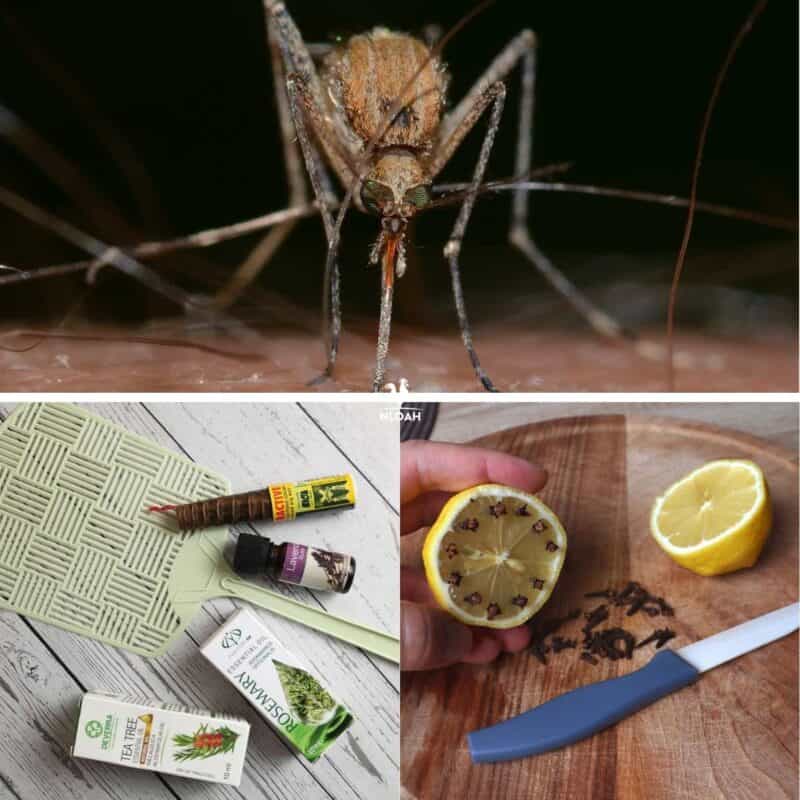
This article focuses on much more than just traps, though… Some of these solutions work as traps, but others are ways to repel these pesky pests and keep them from landing on you and biting.
What’s the big deal with mosquito bites? In general, they are more of an annoyance than anything. There are few things worse than scratching a dozen or more bites at the end of an otherwise fun day, but there are some health issues when it comes to these bites, even in North America. Something to keep in mind if you like to travel, as well.
Around the world, mosquitoes have been known to spread diseases, such as malaria, dengue fever, Chikungunya virus, and yellow fever. Most of these are prevalent mainly in subtropical regions, but in N. America, mosquitoes have been responsible not long ago for the spread of the West Nile virus. They are also able to transmit heartworm to our canine friends…
With safety in mind, let’s discuss ways to keep these critters at bay without compromising our health and the health of our loved ones…
Basic Traps
The Fan DIY Mosquito Trap
This is a trap that requires a high-velocity fan, which may be a little more on the pricey side than a regular one, but if it can catch hundreds, even thousands of mosquitoes a night, don’t you think it’s worth it? For this one you’ll need the following:
- A high-velocity fan with a metal casing
- Strong magnets
- A fine mesh screen
- 70% isopropyl alcohol diluted 1:1 with water
- A spray bottle
To make it, follow these steps:
- Set up the fan in your desired location
- Use the magnets to secure the mesh screen to the back of the fan
- Turn on the fan and wait; hundreds of mosquitoes will be pulled onto the mesh
- Put your isopropyl alcohol in the spray bottle with an equal amount of water
- With the fan still running, spray the mosquitoes trapped on the mesh (avoid spraying the fan motor)
- The shut off the fan (unplugging it is the safest)
- And clean the now-dead mosquitoes off the screen
Watch how to make this trap and the solar-powered trap (discussed below) here:
Solar-powered Trap
This is the same basic idea as the high-velocity fan method of catching mosquitoes, but is designed to operate off-the-grid, which is ideal when you live in a rural area where power outages are common or if you do live off-the-grid. You will need:
- A high-volume bilge fan motor
- A deep-cycle battery
- A solar panel (80 watt panel will run the fan on its own)
- Wires
- A fine mesh screen
- Tape or other securing material
- A spray bottle of 70 % isopropyl alcohol diluted 1:1 with water
The difference in this setup is that you have to have the system wired properly and you need to place the mesh screen at the front of the fan. Once you catch mosquitoes, you spray them as in the high-velocity fan method and discard them as food for other insects and animals.
Indoor Mosquito Traps
The Plastic Bottle/Yeast DIY Mosquito Trap
The most popular DIY mosquito trap is this one that’s made from a 2-liter soda or juice bottle and a few other materials and ingredients. To make this DIY mosquito trap, you will need:
- 2-liter plastic bottle (e.g. soda or juice)
- Black paint or covering (e.g. plastic or electrical tape)
- 1 cup hot water
- ¼ cup brown sugar
- 1 gram of yeast
Follow these steps to make the DIY mosquito trap:
- Cut the bottle in half
- Mix the brown sugar into the hot water
- Let the mixture cool and then pour it into the bottom half of the bottle
- Add the yeast; do NOT stir it in!
- Invert the top of the bottle and place it in the bottom half
- Tape the sections together and cover or paint the bottom half of the bottle in black (a color that attracts mosquitoes)
The solution in the bottle should be changed every two weeks. The yeast will create carbon dioxide, which attracts mosquitoes because it mimics our exhaled breath. They get inside the bottle, but they can’t get back out.

Ways to Repel Mosquitoes
Many people prefer to repel mosquitoes, rather than try to deal with them using a DIY mosquito trap. There are many ways to accomplish this with natural materials, and they are fine to use both indoors and outdoors…
In particular, there are a number of plants and essential oils that are very effective in repelling mosquitoes. These can be used regardless of where you are, whether you are hiking and not in the vicinity of a mosquito trap or in conjunction with a mosquito trap in your back yard.
Some repellents you put on your skin or clothes and some are plants you have in your backyard or patio area. Let’s take a look at both options…
Essential Oils
A fabulous way to repel mosquitoes is to make your own mosquito repellent from essential oils. There are a number of essential oils that will work as a mosquito repellent, including:
- Lavender
- Thyme
- Neem oil
- Mint
- Cedar wood
- Patchouli
- Lemon grass
- Lemon
- Lemon balm
- Catnip
- Geranium
- Eucalyptus
- Rosemary
- Yarrow
- Chamomile
You can easily make your own mosquito repellent with the following ingredients:
- One or more vials of the essential oils listed above
- Witch hazel
- Distilled water
- Vegetable glycerin (optional)
To prepare the repellent, follow these steps:
- Fill a spray bottle halfway with distilled water
- Fill the remainder with witch hazel to within ½ a finger-width (about ½ cm) from the top
- Add ½ teaspoon of vegetable glycerin and 30-50 drops of your essential oils in any combination you prefer
- Shake and spray on the skin
Herbal Repellent #1
You will need:
- 3-4 tablespoons of the dried herbs from any of the essential oil source plants listed above
- 1 cup water
- Medical-grade alcohol
Follow these steps to make the mosquito repellent:
- Boil the water
- Add the dried herbs
- Let cool
- Mix in a small amount of alcohol
- Put in a spray bottle and spray on skin
Herbal Repellent #2
This is an alcohol-free option. You will need:
- 10 tablespoons of the dried herbs from any of the essential oil source plants listed above
- 0.25 gallons (1 liter) of apple cider vinegar (ACV)
Follow these steps to make the repellent:
- Place dried herbs in a jar
- Add the cider vinegar
- Cover with an air-tight lid and let sit for 2-3 weeks, shaking daily and keeping it cool
- Pour into spray bottle diluted with water in a 1:1 ratio
- Spray on skin
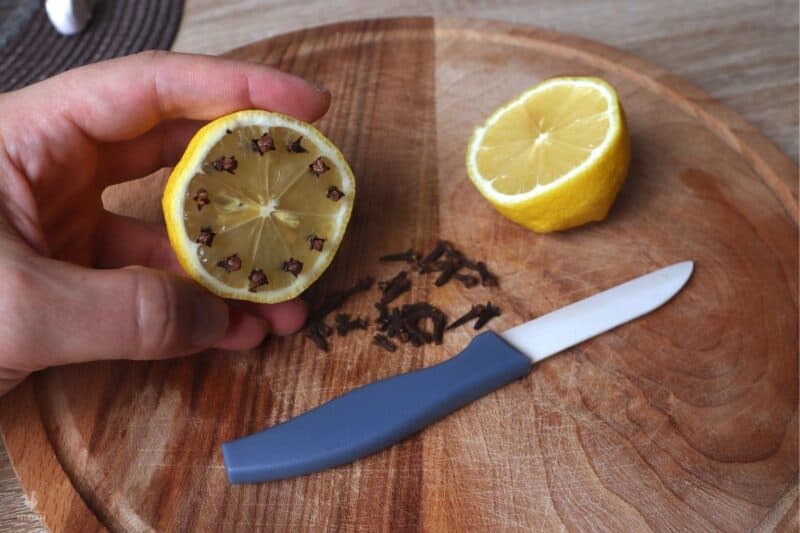
#3 Lemon and Cloves Repellent
This is a really fun one, and it’s also dirt-cheap!
- Step 1. Cut a lemon in half
- Step 2. Insert the cloves one by one insde the cut lemon halves.
- Step 3. Light the cloves on fire!
Just a heads up — if you’re using this indoors, the smell can be pretty strong. But it does work, and it’ll send those mosquitoes running for the hills.
Container Plants
There are a number of plants that, when kept in containers on your patio or in your outdoor or indoor sitting area, will repel mosquitoes quite effectively, eliminating or reducing the need for a DIY mosquito trap. The more plants the better and remember that they will also look pretty and add to the beauty of your space. Any of the following plants can be kept around:
- Citronella
- Rosemary
- Horsemint
- Marigold
- Lemon balm
- Basil
- Catnip
- Lavender
- Lemon thyme
- Ageratum
Many of these are the same as those listed above as sources for the essential oils. Plus, simply rubbing the leaves of any of these plants, as well as pineapple leaves and vanilla beans, on the skin will help repel mosquitoes. The catch here is that you need to reapply every half hour.
Keep it Natural, Keep it Safe
In the end, anyone who lives in areas that are infested with mosquitoes, either seasonally or year-round, will appreciate the need for a way to keep mosquitoes at bay without putting on dangerous chemicals, such as DEET, or wearing long sleeves and pants when it’s hotter than Hades outside.
The ideas above for building these homemade traps and for making your own mosquito repellent are perfect because they are simple, relatively cheap, and safe to use even on children. The best mosquito trap or repellent is one that is natural and not harmful to people.
Of course, always make sure there are no allergies to the plants or essential oils being used, and be careful when making the traps because you don’t want any injuries!

Get your gift and learn things like:
- how to make this really quick pest spray
- how to prevent egg waste
- two cheap automation devices that will make your life easier
I’ve taken over this blog from Kendra Lynne around 2018, and turned it into one of the best an most comprehensive homesteading website out there. I was raised partly in the countryside living a very frugal life ever since I can remember.