
If you’ve been gardening for any length of time, you already know that you have a lot to do, every day, if you want to bring in a good harvest. All of your plants need inspection, tending to, watering, feeding, and other specialized forms of care. It can be exhausting!

But, just like our grandparents taught us, if you work smarter, you won’t have to work quite as hard, and that certainly applies to growing veggies, herbs, and more.
Choosing companion plants, meaning plants that have benefits for each other when grown in close proximity, is a wonderful way to be more efficient, improve garden diversity, and reduce your workload.
In this article, I’ll be telling you about 15 great companion plants for asparagus that you should try planting – and see if they work for you!
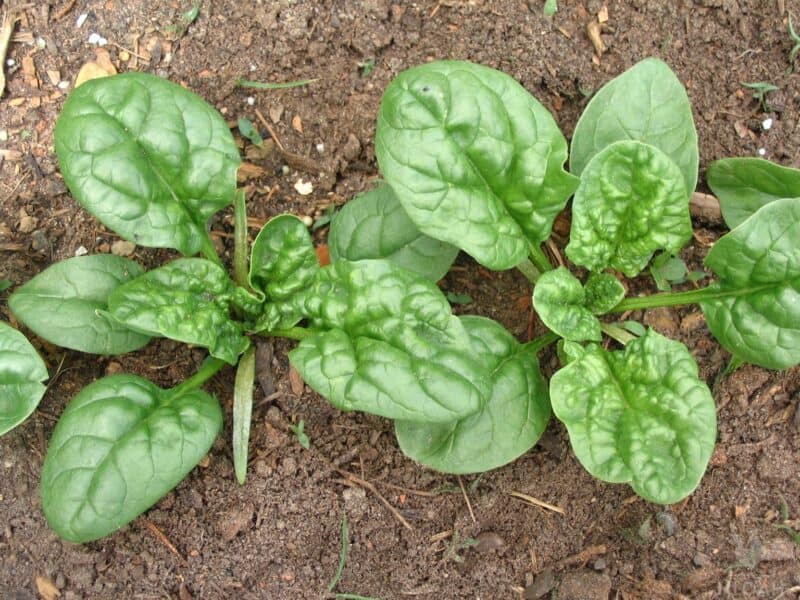
Spinach
Spinach can grow quite well alongside asparagus because, as long as you account for spacing, these plants don’t really compete with each other, and spinach can also help to reduce weeds and keep the soil cool and moist, which spinach will appreciate.
The trick is you don’t want the spinach to directly shade the asparagus too much, so proper spacing is paramount.
Anywhere from 6 inches to a foot is generally a good call, and you’d be smart to rotate your spinach to a new location around the asparagus after you harvest and replant.

Lettuce
Lettuce works very much like spinach as a companion for asparagus. It helps the soil retain moisture and stay cool, while also keeping weeds to a bare minimum.
Most varieties tend to have significantly shallower root systems compared to asparagus, which means you don’t have to worry about any competition on that front.
But do keep an eye on your lettuce, especially once it starts to grow tall: you don’t want it to completely shade the asparagus!
I recommend that you plant anywhere from 8 to 12 inches depending on the expected size of your variety, and harvest it before it blocks out the sun completely for its neighbor.
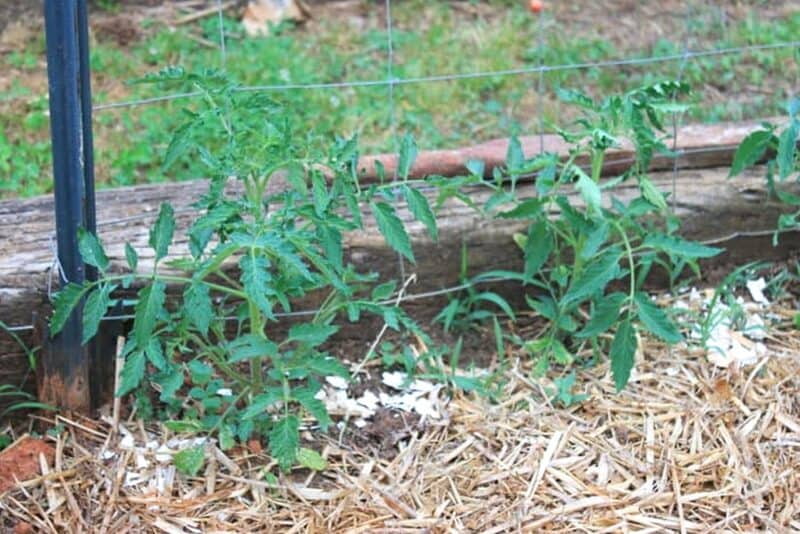
Tomato
One of the single best companion plants for asparagus is the tomato.
No matter what variety you choose, tomatoes will benefit from being near asparagus because asparagus plants release a compound that can repel, or even kill, nematodes present in the soil that will target tomato plant roots, causing root rot, nutrient starvation, and eventually death.
In kind, tomatoes release solanine compounds that asparagus pests, like the infamous asparagus beetle, cannot tolerate.
Both of these garden favorites work wonderfully for the benefit of each other! Just make sure that your tomatoes are no less than a foot away from your asparagus crowns, and preferably one and a half feet if you can spare it.
Also, take pains to make sure that your tomatoes don’t shade the asparagus too much.
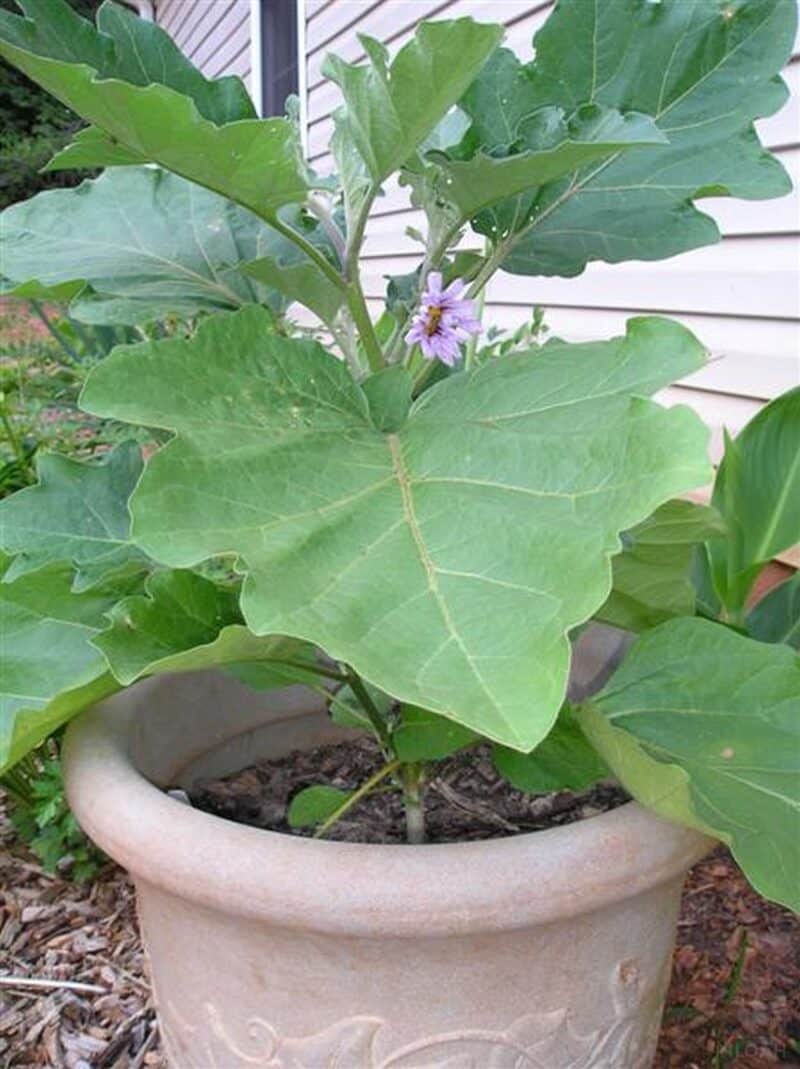
Eggplant
Eggplants, believe it or not, are closely related to tomatoes, with both of them being nightshade family vegetables.
This means that eggplant will benefit from the nematode protection that asparagus can provide, as previously mentioned, and asparagus will benefit from the insecticidal compounds that eggplant releases, keeping it safe from those darned asparagus beetles.
It’s also worth mentioning that you can plant eggplant where you previously harvested asparagus crowns, as it will be able to enjoy extra nutrition during its own season.
Spacing requirements are the same as tomatoes, anywhere from a foot and a half to 2 ft from the asparagus.
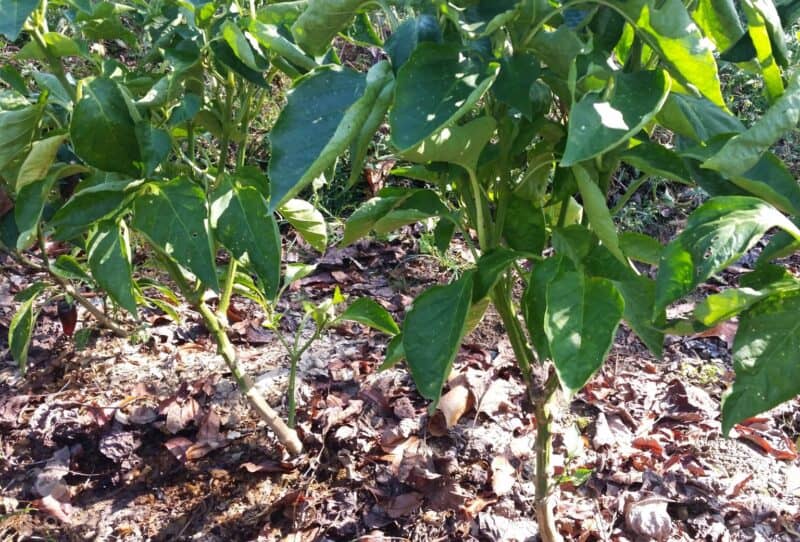
Spicy Peppers
Hot peppers of any kind, be they jalapenos, habaneros, poblanos, or something else, are all spicy because they contain a compound known as capsaicin. This is the stuff that actually makes hot peppers, well, hot!
But capsaicin isn’t just for our enjoyment: it is a natural insect repellent, and also intended to ward off mammals that might eat it, like deer, rabbits, and rodents. These qualities make it a great neighbor for asparagus.
Typically, you can stagger asparagus and pepper plants throughout your bed because peppers grow more slowly and are usually only ready for harvest near the end of summer. Just keep at least a foot and a half to two feet between each, and you shouldn’t have any issues.
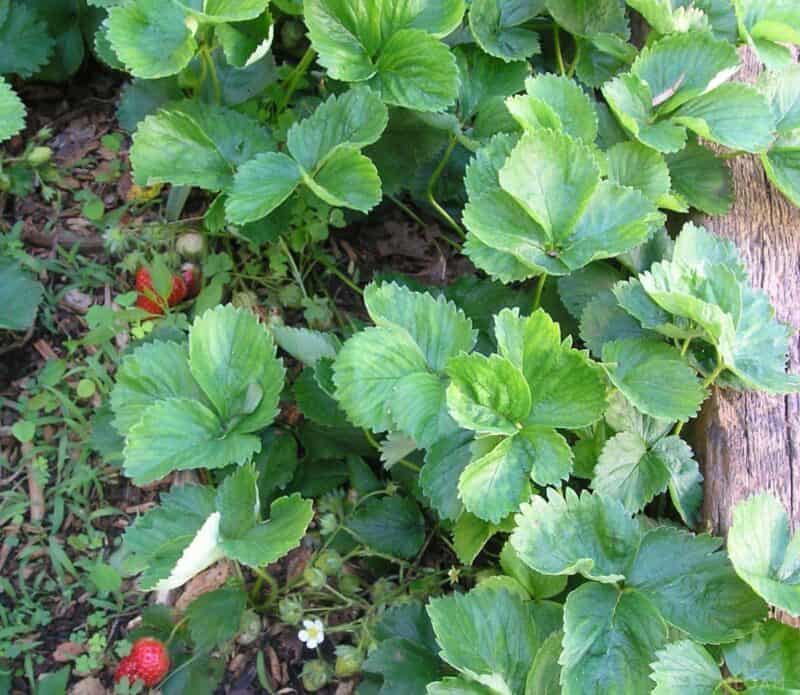
Strawberries
This can be an expert-level companion planting, but one that beginners should think twice about.
You can use strawberries as awesome weed suppression to help give asparagus the best possible chance of success while it is growing and propagating underground. You can even plant strawberries directly over top of your asparagus!
Strawberries have roots that, reliably, won’t go too deep into the soil, but to make this arrangement work, you’ll have to plant the asparagus deeper than normal, at least another 6 inches.
Depending on whether you’re planting in the ground or in raised beds, this may or may not be possible for you, but it’s certainly viable if you’re up for it.
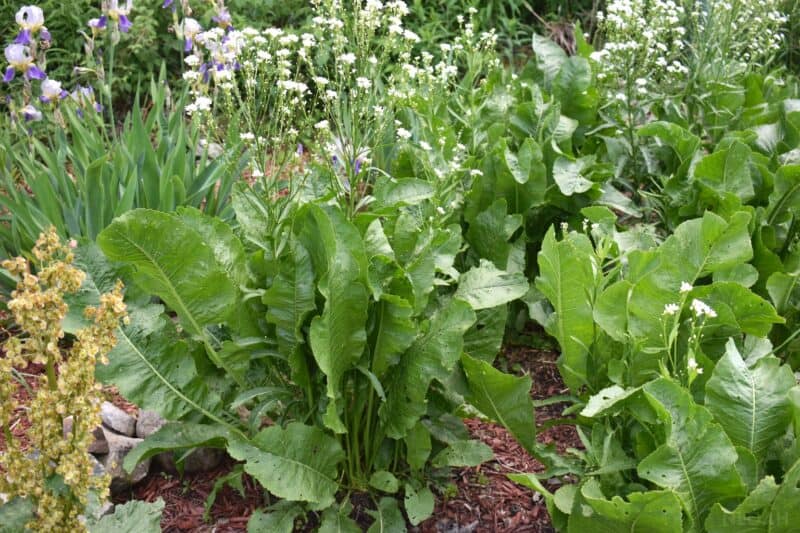
Horseradish
Pungent and eye-watering, horseradish is a root veggie that is one of the very best defensive measures you have against slugs and a variety of insects, including the aforementioned and greatly hated asparagus beetle.
Keeping both classes of critters away will keep your asparagus whole and healthy!
But, because both of these plants do the majority of their growing underground, you’ve got to pay close attention to spacing and be very careful during harvesting so you don’t disturb one or the other. Consider 1 1/2 feet between each plant the minimum, and two feet is often better.
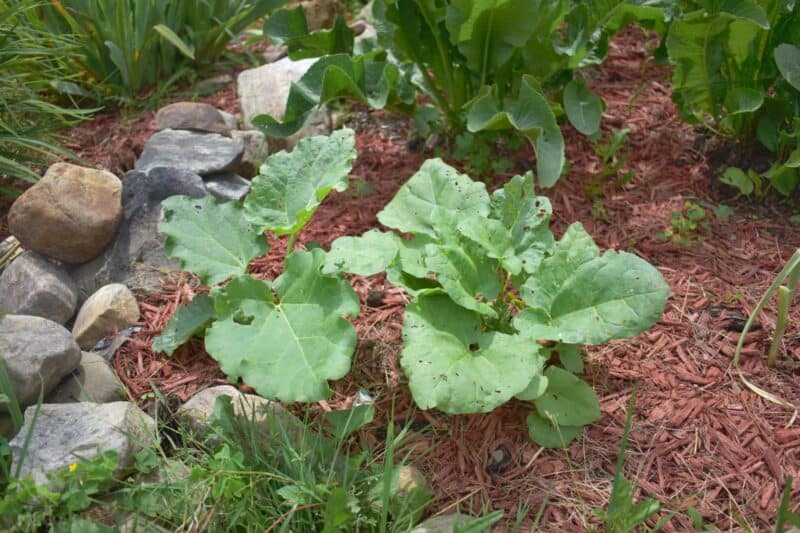
Rhubarb
Rhubarb stems are a must-have if you want to make delicious strawberry rhubarb pie or other tasty dishes, but lots of gardeners are afraid to mess with them because the leaves can be toxic.
The reason that is is because they contain high amounts of oxalic acid, but that acid is a potent insecticidal compound.
All sorts of critters like aphids, whiteflies, thrips, asparagus beetles, and more are repelled by the stuff, and this makes it a great border guard plant to keep these harmful creatures away from your asparagus and the rest of your garden.
Compared to other plants on our list, you’ll have to give rhubarb a lot of room because it grows tall with extremely broad leaves and can completely shade asparagus.
Consider two feet of space between them the absolute minimum, and be prepared to prune it if needed.
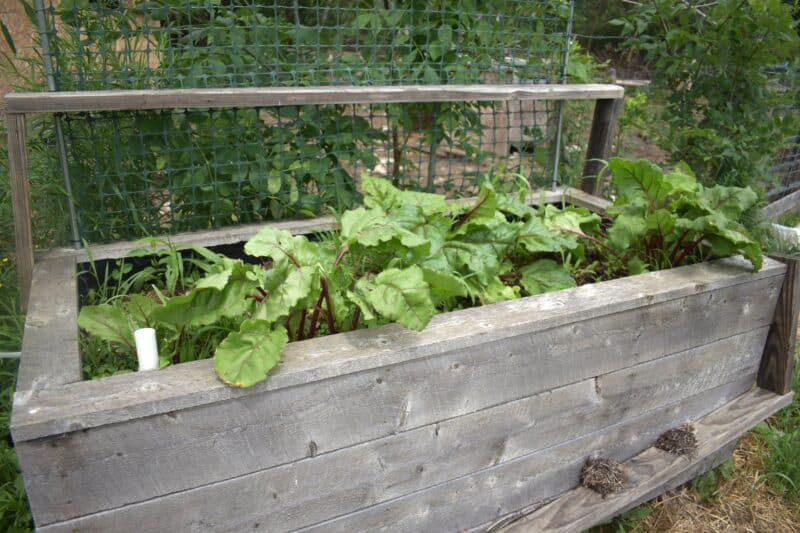
Beets
Beets are a great efficiency choice for planting alongside asparagus. Beets can be planted quite close together with each other, break up the soil as they grow, and don’t compete for many of the same resources that asparagus needs.
I recommend you alternate rows of these two: you can plant your beets anywhere from 2 to 6 inches apart, but make sure the edges of their rows are at least 10 inches away from the asparagus.
Many beet cultivars are ready to harvest in just a little over 2 months, and the greens significantly before that, meaning it’s possible to plant them closer if you’re sure you can get them out of the soil in a timely fashion before they start to crowd the asparagus.
Grapes
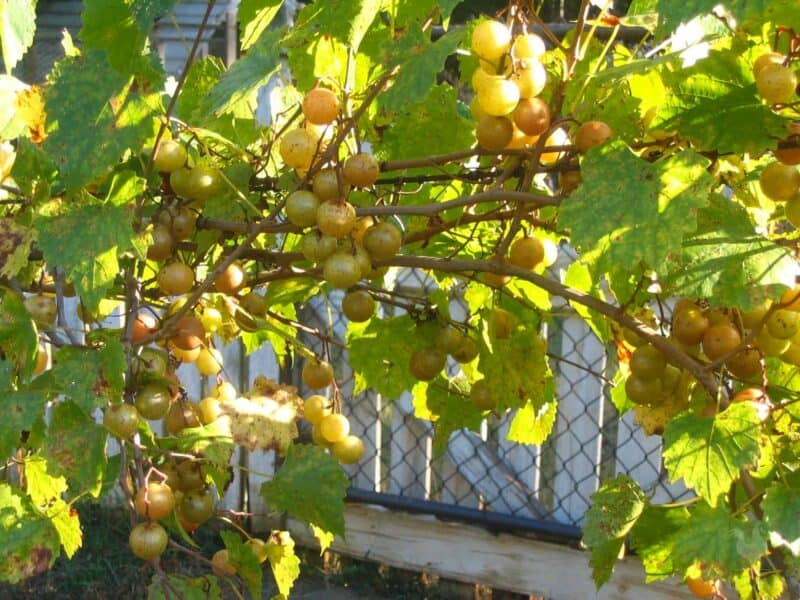
One of the most inspired and efficient pairings with asparagus is grapes. Because grape vines grow mostly vertically, usually on trellises or arbors, they can use the space well above asparagus to good effect.
Grapes may also benefit from the suppression of certain nematodes in the soil thanks to the nearby asparagus plants.
However, you’ve got to take care that the root zones of both plants don’t overlap because this will cause problems.
I like to offset and stagger the planting of grape vines and asparagus to this end, training grapes to go up, then across and over the asparagus while leaving at least two feet between each plant where they contact the surface.
As long as you can take care of this spacing and direct the grapes to grow accordingly, you can enjoy a marvelously bountiful harvest in a surprisingly small space.
Basil
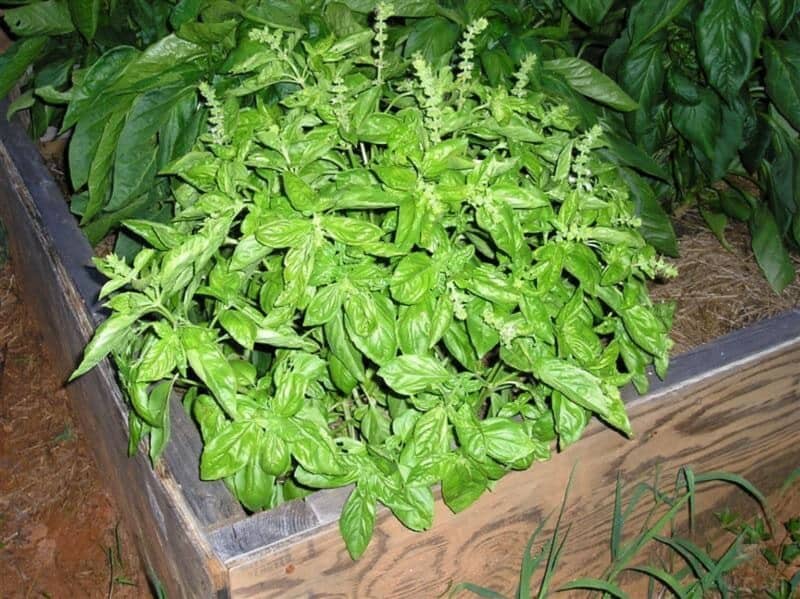
Arguably the most beloved and most popular kitchen herb used the world over, basil is easy to grow near asparagus since they have similar sun and soil requirements, and asparagus will benefit mightily from having it nearby…
Basil is an all-natural, and highly potent, insect repellent, and can keep away spider mites, aphids, various kinds of grubs and larvae, and even mosquitoes. It’s also thought to enhance the flavor of many plants growing nearby, asparagus included.
You will need to be a bit cautious, though, before you put your basil in the ground. Its roots can interfere and indeed start to compete with asparagus for space and resources.
My favorite technique for pairing it with asparagus is to plant it all around the perimeter of the bed or garden and leave about 12 inches of space between it and the closest asparagus. This will provide excellent all-around pest protection and minimize root competition.
Parsley
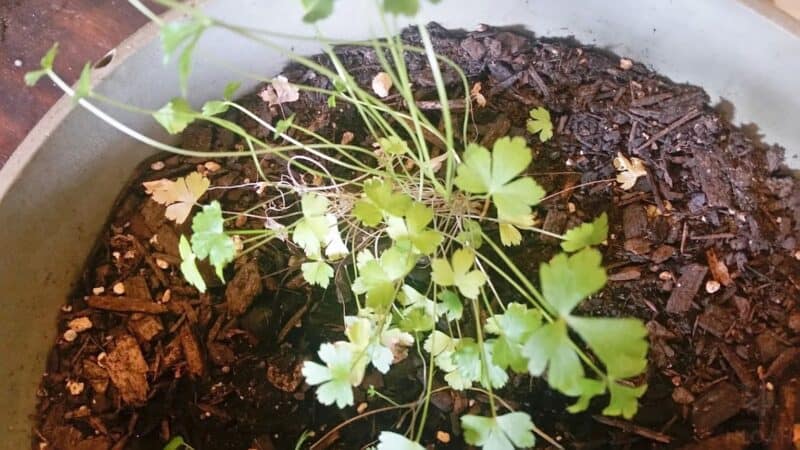
Parsley is fantastic for sharing garden space with asparagus. Like the basil above, it has a reputation for enhancing the flavor and overall quality of many vegetables that grow nearby and has additional benefits for asparagus and the rest of your garden besides.
That’s because parsley is intensely attractive to beneficial garden pollinators and desirable garden predators like ladybugs, various parasitic wasp species, and hoverflies.
These are insects you actually want to hang around your garden because they will pick off aphids, beetles, various kinds of larvae, and more that will chow down on your plants.
Like basil, make sure you give the asparagus plenty of room, anywhere from 12 to 18 inches, to prevent root competition.
Cilantro
Another herb that works wonderfully alongside asparagus, love it or hate it, there is no denying that cilantro is a powerful pest repellent.
Many harmful insects won’t come anywhere near it, and this makes it a great candidate for planting around the perimeter of your asparagus growth for protection.
Cilantro, when it blooms, is also highly attractive to beneficial pollinators, which will help the rest of your garden, and also certain birds, which might hang around and pick off harmful beetles
If you’re going to plant it near your asparagus, give it at least a foot of space. You can also consider placing it strategically in pots or rectangular planters if you don’t want to put it right in the ground.
Dill
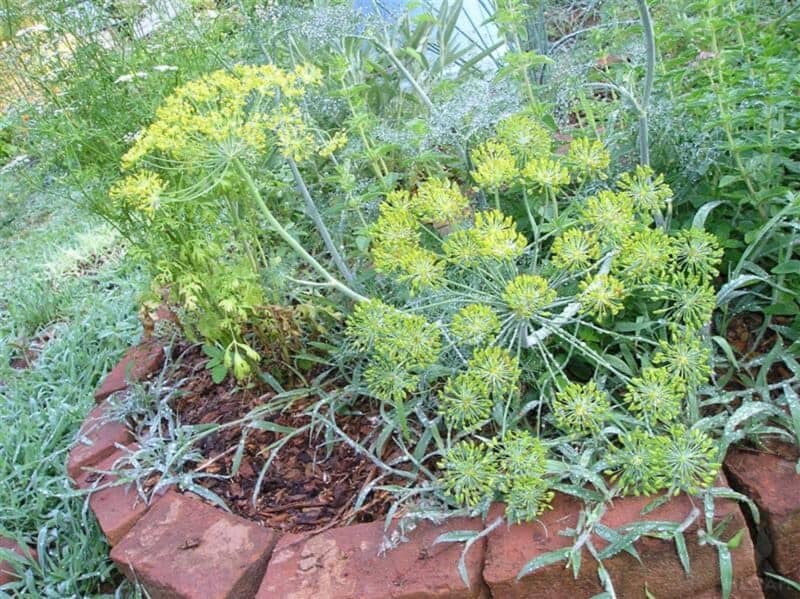
The bracing, fresh taste of dill can actually work really well with various preparations of asparagus, meaning it is a culinary companion for the stars.
More than that, dill can also be an efficient choice since its shallow roots generally don’t interfere with asparagus even when planted nearby.
Dill blooms are irresistible to beneficial garden pollinators like butterflies, bees, and more, but they also attract those helpful garden predators that will crack down on pests that typically munch on your asparagus and other plants. Among such insects are ladybugs and several parasitic wasps.
Just give your dill a little bit of distance from the asparagus plants, at least 12 inches, or plant it and set it around in pots.
Mint
Super fresh and highly fragrant, mint is great for making lamb sauce or desserts, and it’s also one of the strongest and most versatile insect-repelling herbs that you can grow.
Aside from repelling the usual suspects like aphids and various beetles, and also several kinds of flies, when it blooms it will prove supremely attractive to bees and butterflies, which can help give your garden a boost of pollination.
My advice is to plant this stuff in pots and set it near the asparagus; don’t plant it in the ground nearby: mint grows fast, goes wide, and can be difficult to manage, meaning it can overtake your asparagus if you aren’t paying attention to it and pruning daily.
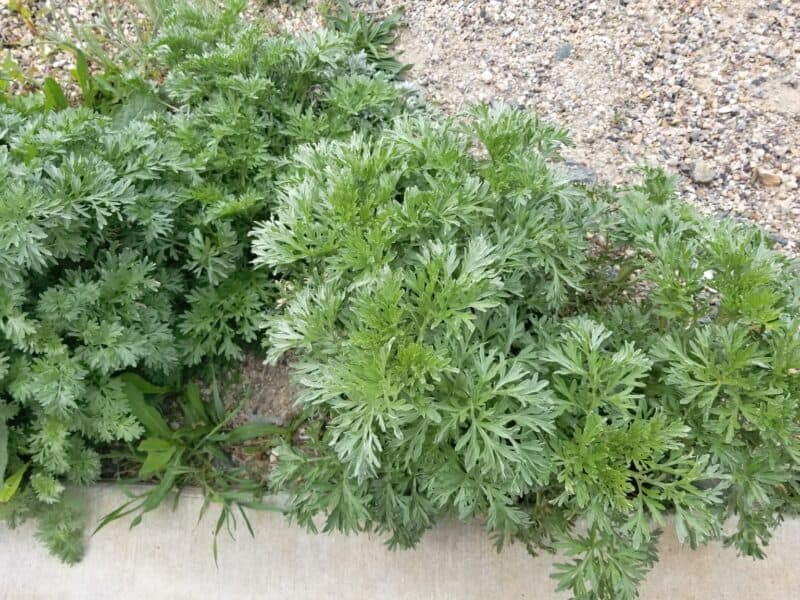
Sage
The earthy, aromatic, and sweet smell of sage is a reason enough to plant it, but you’ll definitely want to plant it if you’re growing asparagus.
That’s because they have a highly similar set of requirements, if not growth habits: sage, like asparagus, wants full sun and loose, well-drained soil.
Sage is also a known repellent of certain kinds of insects that will dine on and eventually weaken and kill your garden plants.
Cabbage moths, carrot flies, and black flea beetles will all flee from sage. But sage is a perennial that takes a good while to get established.
My best tip is to plant it one whole season before your asparagus to let it get settled. That will reduce competition between the two plants if you give them a little bit of space, about a foot and a half between each other.
Thyme
I love the fragrance and taste of thyme, and I started using it more and more in the kitchen once I started growing it myself.
It’s a known repellent of many garden and crop pests like the corn earworm and various moth larvae, and it’s also really easy to grow right alongside your asparagus.
Thyme grows as a low, wide bush, meaning it’s very easy to manage and you won’t have much to worry about when it comes to shading out your asparagus.
That said, it will easily shade out weeds before they get started and help to keep the soil cool and moist, two things that asparagus will love.


Get your gift and learn things like:
- how to make this really quick pest spray
- how to prevent egg waste
- two cheap automation devices that will make your life easier
Tom has lived and worked on farms and homesteads from the Carolinas to Kentucky and beyond. He is passionate about helping people prepare for tough times by embracing lifestyles of self-sufficiency.