
Dealing with bugs around your homestead is just a fact of life. Outside is one thing, inside is another, and inside the kitchen and on your food is something else entirely! Insects are creepy enough all on their own without infesting the things we eat.
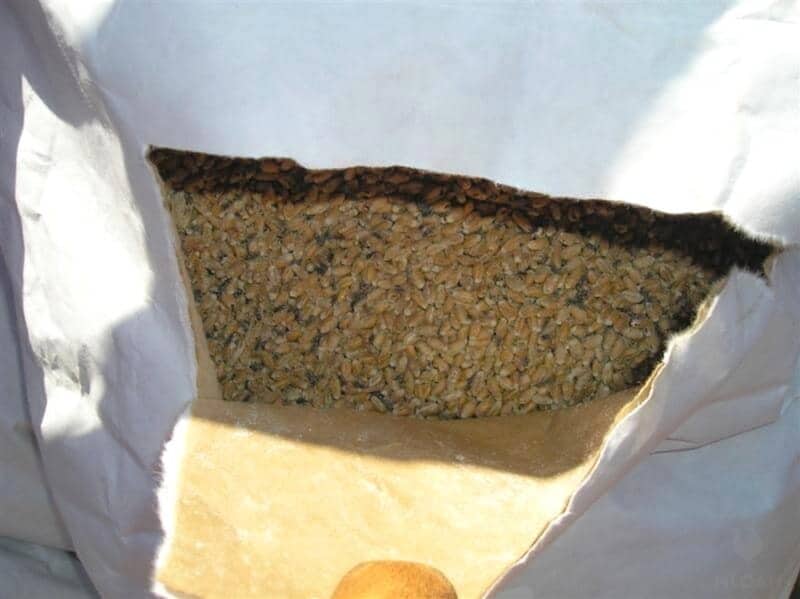
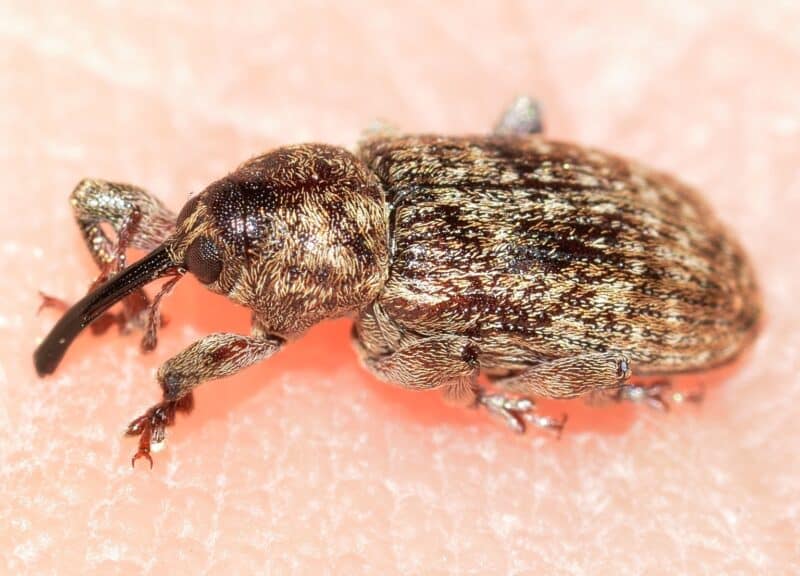
Sadly, one of the grossest food pests is also one of the most common and pervasive: weevils. They love nothing more than to infest flour, eat it, poop in it, and lay their eggs in it. Ugh, it’s giving me a shudder just thinking about it!
Grossed out? Keep reading, and I’ll tell you how to get rid of these critters once and for all with this easy guide.
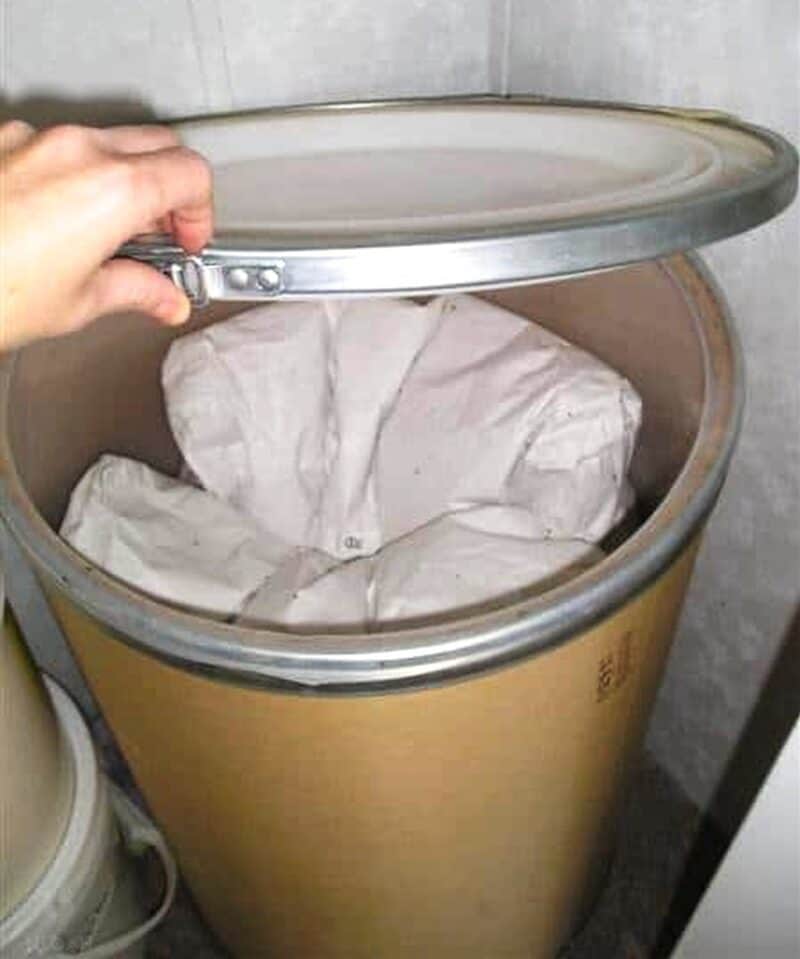
When In Doubt, Just Throw It Out!
Before we go any further, take heed. It’s possible to get weevils out of your flour, treat it for their eggs, and then use it normally without any noticeable decrease in quality most times. Really! It was good enough for great-grandma, and it’s good enough for us.
Nonetheless, if your flour is badly contaminated, swarming, and pulsating with these nasty little critters, just throw it out and get some new flour. It’s not worth the trouble or your emotional health!
If it’s a mild infestation, you only suspect weevils or noticed a few in your pantry, or for whatever reason you must use what you’ve got, simply follow the steps below.
First Step: Remove All Food and Deep Clean Cabinets and Pantries
Too many people battling a weevil infestation get this wrong: if you tackle the infested container immediately and put it back, nine times out of ten, it will become reinfested and spread.
You must assume that the weevils are living somewhere in the pantry or else have eggs tucked away in some nook or cranny.
Pull everything out of your pantry, vacuum it thoroughly using a brush or crevice attachment, and then wash every surface using a strong antibacterial cleaner or a homemade cleaner made from white or apple cider vinegar.
Don’t forget to empty your vacuum cleaner bag, or else weevils can spring up in there! I prefer to do it outside at my trash can.
Second Step: Sift Lightly Contaminated Flour for Adult Weevils
Now turn your attention to the flour. Do you see loads of adult weevils moving around in it or on the surface? Do you see lots of speckly, discolored stains on it? I’d consider that too far gone and just ditch it.
If you see only a few adults, or if a nearby container of food had weevils in it, you’ll want to sift the flour to remove the bugs and their droppings.
Use a flour sifter or a fine sieve for the purpose. Discard anything that gets filtered out.
Third Step: Treat Flour in the Freezer or Oven
Even if your flour comes out seemingly 100% normal, it might not be. Weevil eggs will pass right through and hatch later!
That’s why we must now treat the flour to safely kill off any eggs hidden inside. You’ve got two options for doing this: heat and cold. That means the oven or a food dehydrator, or the freezer. Both methods work, so use whichever you prefer or have access to.
For oven treatment, though, you’ll need an oven that can go low, really low, right at 140°F / 60ºC. Many residential ovens won’t go that low, so could use a food dehydrator to avoid toasting your flour. Twenty minutes at this temperature should do it…
Freezer treatment takes longer but is more straightforward. Simply place the flour in the freezer for at least five days. Give it a full week if you want to be extra sure.
Fourth Step: Store in Clean, Airtight Plastic, Metal, or Glass Containers
Once you’ve treated the flour or replaced the bad stuff, you’ll want to keep it in an airtight plastic, metal, or glass container. Soft plastic and paper won’t do it because weevils can, surprisingly enough, chew right through them to get to the goodies inside.
These sneaky little bugs can also fit through the smallest openings, so your container must be airtight to stop future ingress.
If you want to reuse a container that was previously infested, you can so long as you have a way to wash it out thoroughly and sterilize it. Never, ever reuse a paper or cardboard container!
Consider Placing Weevil Traps if You Often Suffer From These Buggers
Some areas just have to deal with weevils a lot more than others. Even if you keep your house scrupulously clean, you might have to stay constantly vigilant against another invasion.
If this sounds like your life, consider placing weevil traps in strategic spots outside your home and, if necessary, near the pantry. These traps use special chemical mixtures that imitate weevil pheromones, drawing them in to get stuck and die.
And don’t panic about the poison: these are among the safest insect traps, and there are even special, completely non-toxic versions on the market.

Get your gift and learn things like:
- how to make this really quick pest spray
- how to prevent egg waste
- two cheap automation devices that will make your life easier
Tom has lived and worked on farms and homesteads from the Carolinas to Kentucky and beyond. He is passionate about helping people prepare for tough times by embracing lifestyles of self-sufficiency.