
Homesteading looks a little different to everyone: for some folks it looks like a thriving farm, for others just a place to settle down way out in the country away from it all. But big or small, business oriented or not, all homesteaders need a particular set of skills.

That’s because homesteading is a lifestyle of self-sufficiency, self-reliance and old fashioned, can-do grit.
Whether you’re dreaming of having a homestead of your own one day or you’re just about to embark on the journey, you’ll need to skill up. In this article I’ll be telling you about the 10 most important homesteading skills you should focus on for your journey.
Gardening
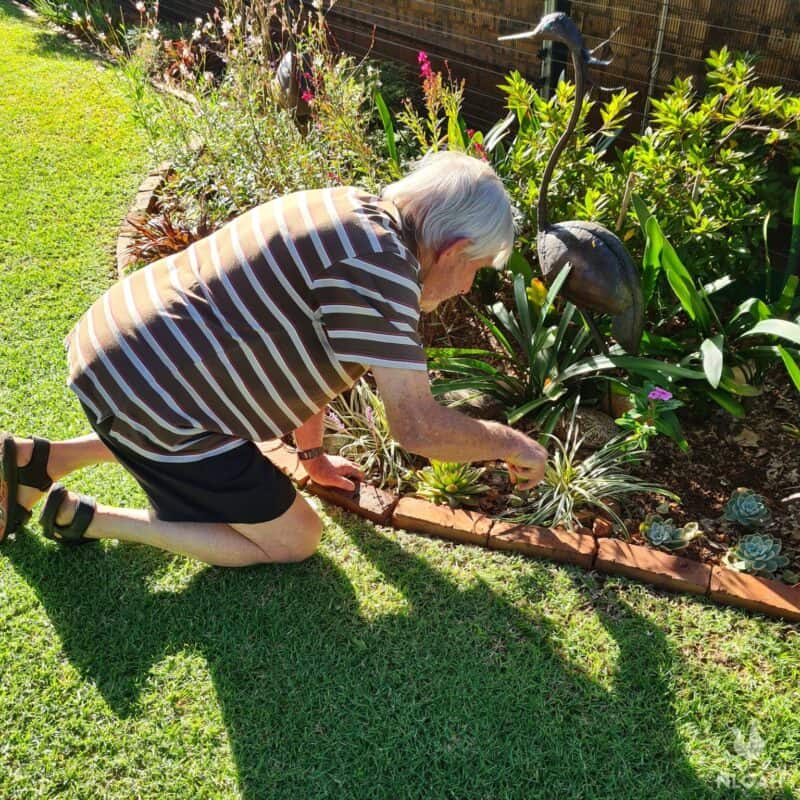
This is an obvious skill for some of us, but not so much for others. I think gardening really is critical to homesteading, though. Shortening the links in your food supply chain and ensuring better food security in one fell swoop; that’s what gardening can do for you.
There’s a reason why our great, great grandparents did it, after all, either as a primary or supplementary food supply.
But you need not think you can just scatter some seeds, pour a little water on them and enjoy a bounty of fruits and veggies in 4 months. Not hardly!
Gardening is hard and often exacting work that requires a lot of practice and a nuanced understanding of soil and environmental factors. Best get to practicing now!
Caring for Livestock
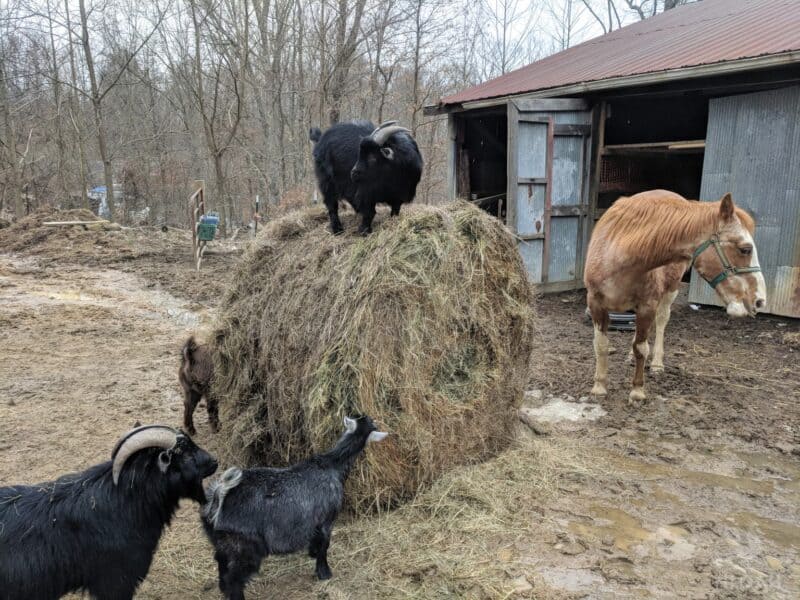
Another skill that is part and parcel of homesteading for some. Raising, caring for, breeding and if needed slaughtering livestock is a skill that can bring income, food and other products. The trick here is understanding what kind of livestock you need for your purposes. They all have advantages and disadvantages.
Chickens are the go-to for many homesteaders because they are affordable and very easy to keep successfully on very little land. Other good choices include cows and pigs if you have plenty of room, but don’t neglect goats and sheep either.

Composting
Composting should be thought of as a companion skill to gardening; rich, dark compost is the perfect thing to supercharge your planting or bring depleted, poor soils back to life. More than that, composting is a way to reduce waste holistically.
Yard debris like grass clippings, leaves, twigs and more along with kitchen waste like eggshells and fruit and veggie peelings and even manure from your animals all has a part to play as an ingredient.
As part of a broader homestead strategy, this means you can get better returns with less overall effort and expense, and get rid of more waste in a safe and inoffensive way. I put off composting for too long when I started gardening, and I regret it. Don’t be like me!
Pest Control
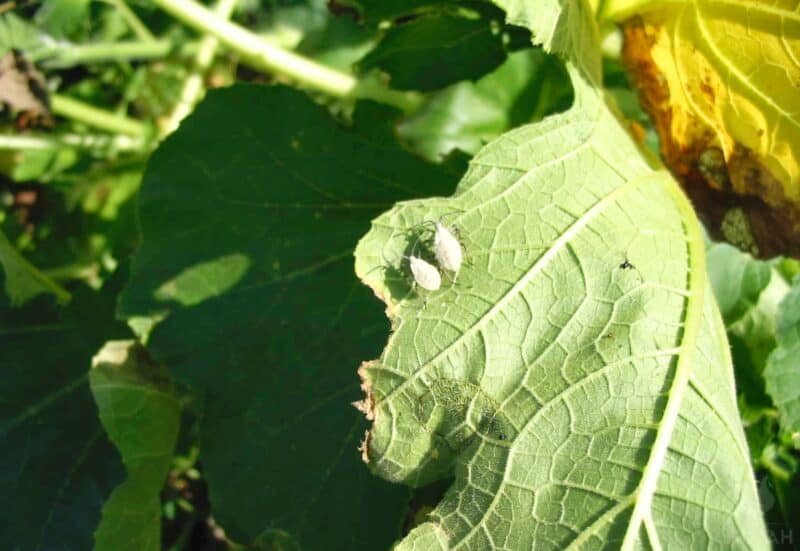
Not every homestead is out in a rural area, but most are. And for folks who are used to living in the suburbs and cities, there is no preparation that suffices when it comes to the sheer amount of pests you have to deal with on the average homestead.
Insects like mosquitoes and various biting flies will be far more common, and indeed a major annoyance and hazard for your animals. But you’ll also have to contend with critters like mice, rats, weasels and plenty of snakes!
Learning how to control and dispatch these pests without harming your livestock or pets, or the environment, is a skill unto itself.

Preserving Food
You’re going to be producing a lot more of your own food when homesteading, on average. Production is one thing, but preservation is another.
Bringing in a big harvest of fruits and veggies, or the precious meat you’ll get from slaughtering an animal cannot be allowed to go to waste. It’s an ethical and practical consideration.
Therefore you’ve got to learn how to preserve it. There are lots of different preservation methods to learn, too, and ones suitable for nearly any homestead: canning, pickling, fermenting, drying, freezing and more. If in doubt, learn how to can. If you’ve got electricity to spare, a freezer is priceless.

Off-Grid Power Generation
Switching to a homestead life doesn’t mean living like a troglodyte. Not hardly! You can still enjoy modern amenities and technology with the right approach. But if you want to live off grid you’ll be the one responsible for providing the electricity needed to run these modern amenities and tools.
Solar power, wind, hydroelectric, thermoelectric and other technologies have all become far more accessible and surprisingly affordable in the past decade or so.
You’d be wise to take advantage of the type that is best suited to your environment and needs. Mastering this skill, more than any other, can increase efficiency and your quality of life in tandem.
Repair
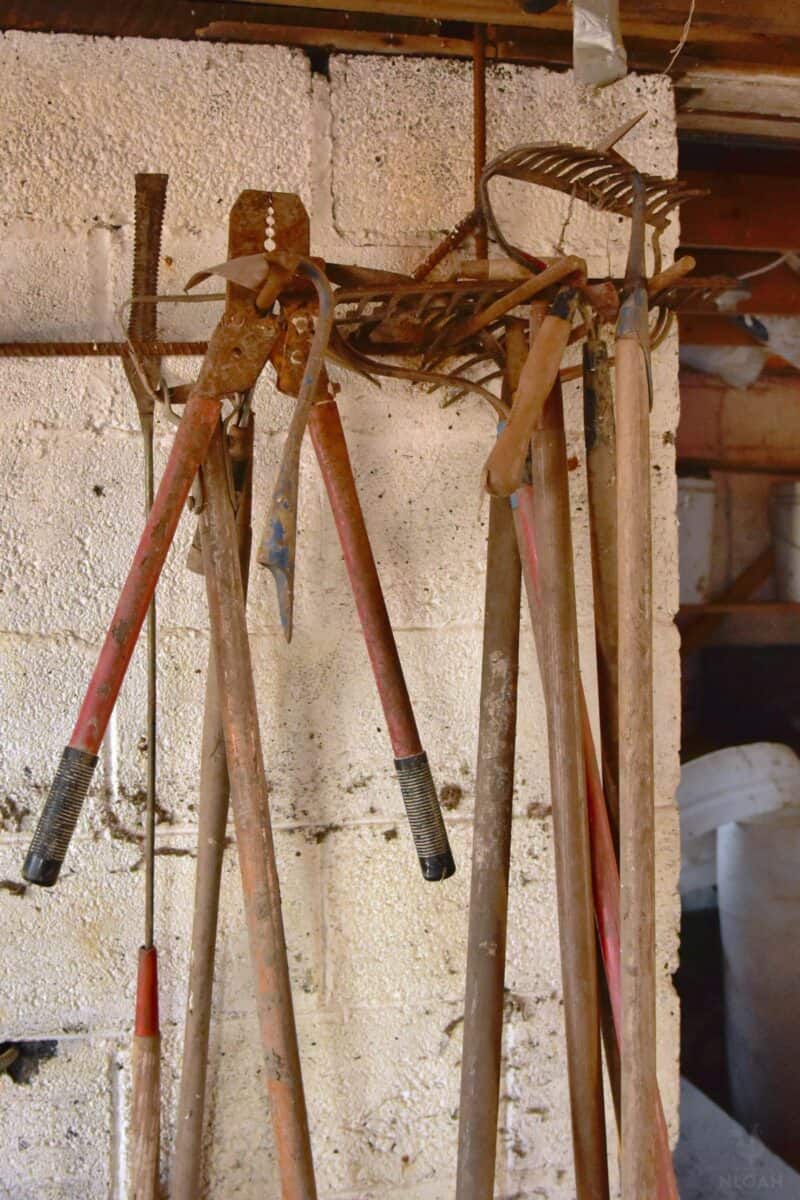
Fixing things that break is truly foundational to homesteading. Giving up and calling for professional help is so often not an option, and it’s sometimes seen as a mark of shame by your neighbors! In jest, usually – but not always!
Learn to take care of things yourself. Fix that busted fence or hog panel, split tool handle, a bad outlet, leaky hose and countless other things great and small. It’s not that hard. And you’ll be increasing resiliency and saving money to boot.
DIY
Just as important as repairing things that break is making the things you need. You can make everything from household cleaner and air freshener to pest repellent, tools, structures and a whole lot more.
A little bit of elbow grease, a little bit of research and a whole lot of ingenuity can solve 95% of your problems you’re going to encounter on the homestead.
Going the DIY route isn’t always the prettiest depending on your skill level and the time you have to invest in the project, but in the end, it often turns into a big time saver: running into town for that one niche thing you need is wasteful, so much of the time, no matter how you slice it.
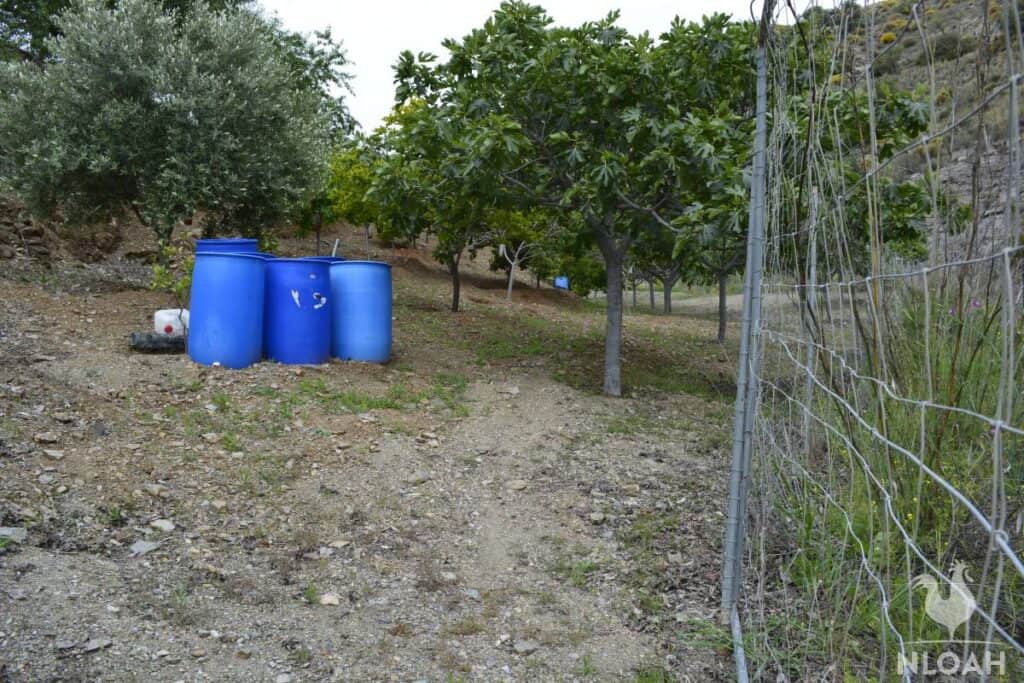
Water Storage and Management
Water is critical to life, and it is especially so on a working homestead. You’ll need it for washing, irrigation, watering your animals and, of course, drinking yourself.
Smart homesteaders store large quantities of water whether they have running water or not; one disaster, one bad turn, can put an end to that.
Catching rainwater is often the easiest way to go, but if you have a nearby stream, spring or river you can harvest water from there. Just make sure you read up on and follow your state and county water use laws!
First-Aid
When things go bad on the farm, help is often far away or at least farther away than it would be if you were living in the suburbs. Accordingly, it makes sense to be prepared for injuries and emergencies that invariably occur.
Learning how to take care of sprains and strains, burns, insect and animal bites, fractures and penetrating injuries can save the life of you or a loved one.


Get your gift and learn things like:
- how to make this really quick pest spray
- how to prevent egg waste
- two cheap automation devices that will make your life easier
Tom has lived and worked on farms and homesteads from the Carolinas to Kentucky and beyond. He is passionate about helping people prepare for tough times by embracing lifestyles of self-sufficiency.