
If you’re just getting started with keeping chickens, choosing the right breed is very important. Your birds must be able to meet your goals, yes, but they should also have an amenable temperament, be in good health, and just as importantly, make you proud to own them!

If you have your heart set on a brilliant, striking white flock of chickens, then you are in luck; there are so many good beginner breeds that have the look you love.
Keep reading, and I’ll tell you about 10 of the very best beginner-friendly white chicken breeds that you can get.
| Breed | Purpose | Weight (Rooster/Hen) | Egg Output | Egg Color | Broodiness | Notes |
|---|---|---|---|---|---|---|
| White Jersey Giant | Dual-purpose | 15 lb / 11 lb | Around 260 | Brown | Low | Large, slow-growing, gentle giant |
| White Ameraucana | Dual-purpose | 7.5 lb / 6.5 lb | Up to 250 | Blue | Low | Heritage breed, friendly, good for backyard flocks |
| California White | Eggs | 6.5 lb / 5.5 lb | Up to 320 | White | Low | Highly productive egg layer, active, friendly |
| Delaware | Dual-purpose | 8.5 lb / 6.5 lb | 200-280 | Brown | Medium | Fast-growing, good for meat and eggs |
| White Sussex | Dual-purpose | 9 lb / 7 lb | Up to 250 | Tan | Medium | Good foragers, curious, can be broody |
| Sultan | Ornamental | 6 lb / 5 lb | Around 100 | White | High | Ornamental, docile, low egg production |
| Rhode Island White | Dual-purpose | 8.5 lb / 6.5 lb | Up to 300 | Brown | Medium | High egg output, can be skittish |
| White Wyandotte | Dual-purpose | 9 lb / 7 lb | Up to 240 | Brown | Medium | Hardy, good for free-ranging, cold-tolerant |
| White Rock | Dual-purpose | 9 lb / 8 lb | 240-280 | Brown | Low | Steady egg producer, adaptable, disease-resistant |
| White Leghorn | Eggs | 6 lb / 4.5 lb | 280-320 | White | Low | Small, flighty, excellent egg production |
White Jersey Giant
The undisputed heavyweight champion on our list, the White Jersey Giant lives up to its name. Roosters tip the scales at an astonishing 15 lb, and hens are still quite hefty at 11 lb or just a little more.
Despite their size, they are known to be true gentle giants; they enjoy attention and affection from people and serve as peacekeepers in mixed flocks. An excellent table bird and a dependable egg layer, producing around 260 eggs per year, the Jersey Giant really can do it all.
Note, however, that they grow more slowly than other domestic breeds. You’ll have to be patient until they reach the point of lay or a suitable size for slaughter.
White Ameraucana
A beloved American heritage breed, the White Ameraucana is an excellent egg layer, a reasonable choice for meat, and a healthy, friendly specimen that is perfect for backyard flocks, homesteaders, and smaller commercial operations.
These medium-sized birds typically top out at about 7.5 lb for roosters and 6.5 lb for hens, and the latter can produce up to 250 medium eggs every year.
Of note, they are the only white bird on this list that lays blue eggs! If you crave some color in your egg basket or just want to impress your friends and neighbors, this is the chicken to beat.
California White
A hybrid that was intended and optimized for consistent and remarkable egg production, the California White can lay up to an astonishing 320 big, pure white eggs each year while in its prime. If eggs are your primary motivation for keeping chickens, you aren’t going to find a better bird on this list.
This is a smaller, medium-sized breed, with roosters maxing out at 6.5 lb and hens being a little smaller, at 5.5 lb. They tend to be active and curious, though, so they benefit from extra room and the ability to free-range if possible. Despite their athletic tendencies, they are still easy to handle and friendly.
Delaware
Another commercial hybrid on our list, first developed in the mid-20th century, the Delaware didn’t last very long on factory farms, but it has persisted as a heritage breed of its own, and it makes a great, well-rounded choice for beginning keepers.
Roosters weigh around 8.5 lb, and hens are quite a bit lighter at just 6.5 lb. Delawares were valued then, and remain today, for their good but variable egg production: you’ll get anywhere from 200 to 280 brown eggs yearly. If meat is what you are after, they are also a fine choice because they grow so quickly.
White Sussex
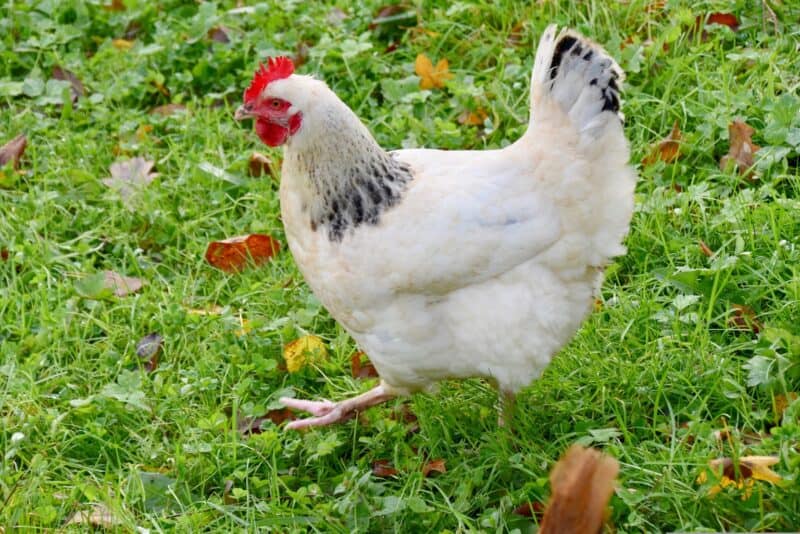
An ancient English domestic bird, the White Sussex is a true dual-use chicken. An extraordinarily consistent layer that can crank out up to 250 large, tan eggs every year, and a respectable table bird that is noted for the fine quality of its meat, it’s hard to go wrong with the Sussex, especially for beginners who have lots of room; they are excellent foragers!
These birds tend to be curious and keep to themselves, but if raised with care and treated right, they do get along with people and even other animals.
All in all, they are easy to handle, but they do have a tendency to go broody, which must be managed if you want to maximize egg production and avoid getting your fingers pecked during morning rounds! This is another larger breed, with roosters reaching 9 lb and hens 7 lb when fully grown.
Sultan
The most distinguished, unique, and arguably most beautiful bird on our list, the Sultan got its name from its original purpose: long ago, when they were first developed in Turkey, they were the birds of royalty, kept in the lush gardens of the palace grounds of the Sultans.
With plush, glowing white feathers and elaborate head crests and beards, along with fully feathered legs and feet, there is no mistaking the Sultan for any other.
With roosters topping out at just 6 lb and hens even smaller at 5 lb, they are really easy to handle, especially considering they’ve been bred for docility over many, many generations.
These birds are mostly ornamental, though: you’ll be lucky to get 100 small white eggs from them yearly.
Rhode Island White
If pure efficiency is what you are after, check out the Rhode Island White. You’ve probably heard of the Rhode Island Red before; this is just the white version, though considered a separate breed. These birds are highly prolific, with sexually mature hens laying up to 300 big brown eggs per year, and they are a fine choice for meat, too, renowned for a decent carcass yield and good flavor.
Roosters reach 8.5 lb, but hens are considerably smaller at just 6.5 lb. These birds are active and like to forage, but they can tolerate confinement for a short time if needed. Typically friendly if not gregarious, some owners report that they can be a little skittish and twitchy.
White Wyandotte
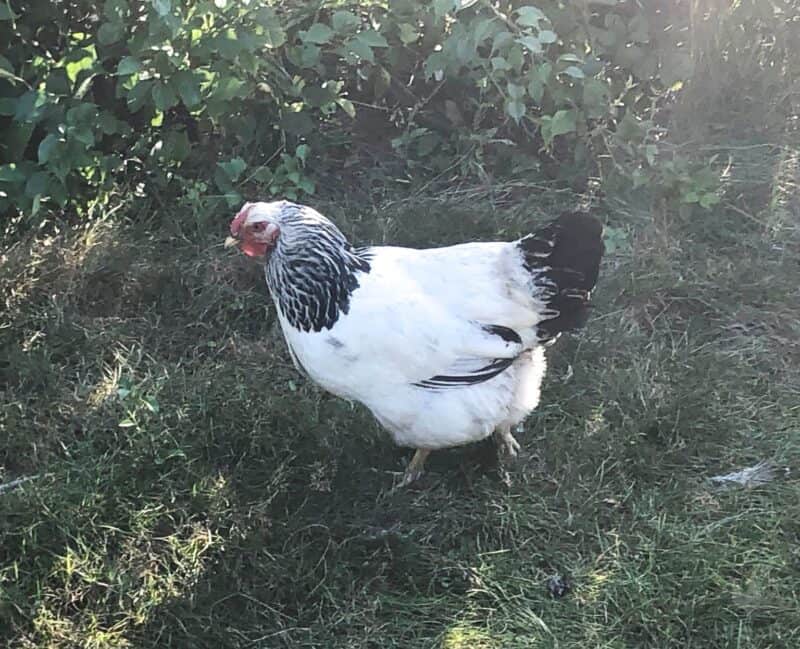
Known and respected for their impressive hardiness and adaptability to different environments, the White Wyandotte is a chicken that has a regal air about it. They are calm, stoic, and controlled, bordering on standoffish. But, so long as they are raised with plenty of human interaction, they get along famously well with people.
This is another big breed, with roosters reaching around 9 lb fully grown and hens around 7 lb. Expect up to 240 big brown eggs yearly. Beginning keepers should keep in mind that Wyandottes benefit greatly from free-ranging, and they are one of the best domestic birds for doing so in cold environments; they have extraordinarily good insulation and a tiny rose comb, which is less susceptible to frostbite.
White Rock
Also known as the White Plymouth Rock, the White Rock is a wonderful all-around choice for beginners as a utility chicken. They are steady, typically year-round producers of eggs and will lay anywhere from 240 to 280 large brown ones every year while in their prime.
They also have a larger-than-average carcass yield for their size, making them a good choice for meat: roosters average about 9 lb, with hens only slightly smaller at 8 lb.
Calm, typically friendly, and highly adaptable, White Rocks can thrive in hot or cold environments and are noteworthy for their overall good health and resistance to diseases and parasites.
White Leghorn
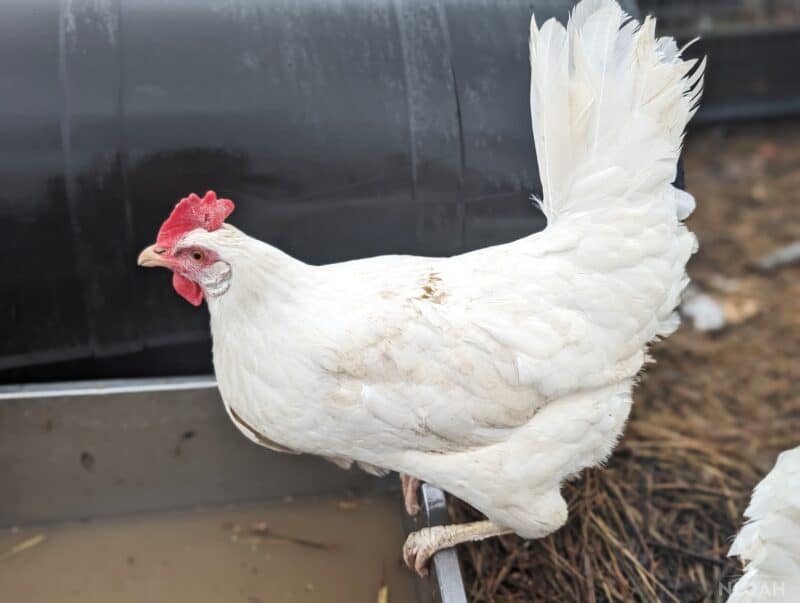
Another real chicken-lover’s chicken, and to many people, the very picture of what a chicken is supposed to look like, White Leghorns are identifiable by their upright, U-shaped posture, straight tail feathers, yellow legs, and tall, spiky single combs and wattles.
This is another super layer breed, with hens giving you anywhere from 280 to 320 large, pure white eggs annually. Athletic, highly alert, and inquisitive, you’ll be smart to provide Leghorns with plenty of room to roam and forage.
This is one of the smaller breeds on our list, with roosters topping out at 6 lb and hens 4.5 lb, but they aren’t great for handling: they don’t like it and tend to get flighty when held or confined.


Get your gift and learn things like:
- how to make this really quick pest spray
- how to prevent egg waste
- two cheap automation devices that will make your life easier
Tom has lived and worked on farms and homesteads from the Carolinas to Kentucky and beyond. He is passionate about helping people prepare for tough times by embracing lifestyles of self-sufficiency.