
When you think about the typical diet of sheep, you probably immediately think of greenery. Grass, hay, tender leaves, things like that. And this stereotype is for good reason because that is indeed what makes up the diet of most sheep.
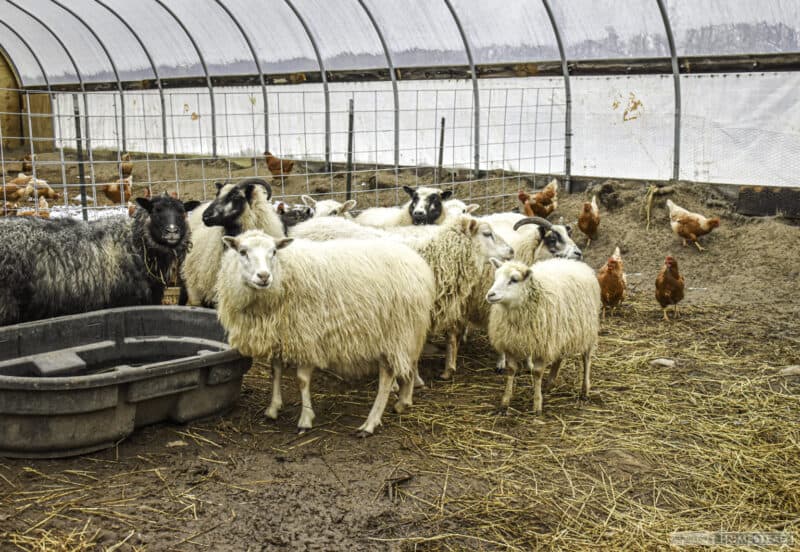
But you might be surprised to learn they can eat all sorts of things, including many different kinds of vegetables. Many of these veggies are the same kinds that we and other livestock species can eat. How about cabbage, for instance? Is it safe for sheep to eat cabbage?
Yes, cabbage is safe for sheep to eat but only occasionally and in limited quantities. It has a great amount of needed vitamins and minerals, but is high in sulfur which can cause serious health complications if sheep get too much.
Cabbage is one of those things that sheep should have but only in strict moderation. It’s definitely healthy, and pretty easy for them to digest, but if they get too much in their diet, it will eventually turn into some pretty serious health syndromes which can be life-threatening.
This is especially likely if they are already getting lots of sulfur elsewhere in their diet or from water that has a lot of it. Isn’t anything you need to be scared of, necessarily, but you do need to know what’s what. Keep reading and I’ll tell you more.
Do Sheep Like Cabbage?
Generally yes. Sheep like eating all sorts of tender greenery, and cabbage certainly fits the bill. If you serve it to them or if they find it growing, don’t be surprised if they start chowing down on it.
Accordingly, you need to be a little bit cautious to ensure they are never allowed to eat it free choice because they can, and often will, overeat. That will mean trouble…
How Nutritious is Cabbage for Them?
Cabbage is surprisingly nutritious for sheep, and is a decent source of carbohydrates for energy along with just a little bit of protein. The real benefits, though, are in the highly varied vitamins and minerals that it has.
Looking at the vitamin content first, we see that cabbage is a stellar source of vitamin K and vitamin C, backed up by a great amount of folate and vitamin B6. Rounding this out is a selection of the other B-complex vitamins and lesser amounts, including thiamine, riboflavin, niacin, and pantothenic acid.
The mineral selection lacks a true standout compared to the vitamins, but it is nothing to scoff at, either. All kinds of cabbage have ample manganese along with calcium, iron, magnesium, phosphorus ,and zinc was just a little bit of naturally occurring sodium.
How Can It Benefit Sheep?
When you look at the total picture of nutrients that cabbage contains, you’ll find a lot to like when it comes to the health of your sheep…
The B-complex vitamins are variously crucial for everything from the formation and maintenance of red blood cells to the regulation of metabolism, nervous system function, and a lot more. Vitamin K, which cabbage has an abundance of, is crucial for bone growth and maintenance along with blood clotting. Vitamin C is, as ever, hugely important for proper immune system function and disease resistance.
Manganese, the most abundant mineral found in most cabbage cultivars, is vital for reproductive health, enzyme formation, skeletal health, and more with the rest of the minerals improving everything from circulatory health to organ function, hormone regulation, metabolic stabilization, and the maintenance of DNA.
These are all significant benefits, and nothing that you should ignore, but you’ll be making a big mistake if you give your sheep a high cabbage diet because it isn’t a nutritionally complete food for them and, more importantly, the downsides outweigh the benefits when it comes to quantity. I’ll tell you about those in the next section.
This is a High-Sulfur Food for Sheep and Can Contribute to PEM
I mentioned several times already that cabbage, as with most cruciferous vegetables, is a high-sulfur food. This can be extremely problematic for sheep because high sulfur levels can result in a syndrome known as PEM, or polioencephalomalacia. That’s a real mouthful, which is why you usually see it abbreviated to PEM.
This is a truly devastating condition that is marked by increasing sulfur levels in the sheep’s body until they become truly toxic and then this leads to a vicious cycle of negative health consequences that will often result in death.
As dietary sulfur starts to accumulate in the rumen of sheep this will disrupt the typical balance of the needed microorganisms that live there and help sheep break down food properly.
This disruption, and subsequent interaction, causes the formation of hydrogen sulfide gas. This gas, unlike a typical bloating, will be absorbed into the sheep’s bloodstream.
Once there, this gas can actually cross the blood-brain barrier and cause severely debilitating neurological problems.
In the beginning, increasing sulfur levels and the onset of PEM results in a reduced appetite, slower growth, and general depression, but quickly escalates to major impairments like a loss of coordination, blindness, seizures, and eventually death from a host of complications.
Now, don’t panic, because giving your herd a little bit of cabbage isn’t going to cause this overnight. But giving them too much cabbage too often, or feeding them cabbage when they already have a lot of sulfur elsewhere in their diet, will definitely exacerbate it if they’re already getting into the danger zone.
As always, it’s up to you to stay on top of your flock’s needs along with food and water testing to prevent this and other problems.
Can Cabbage Cause Them Other Health Problems ?
Yes, it can, but these are generally minor and related to dietary imbalance or simple overconsumption. As mentioned above, cabbage is not a nutritionally complete food for sheep and they can’t subsist on it alone.
If they try, they’ll suffer from a marked lack of protein and other nutrients that they need in their diet. For this reason, you should only give it to them sparingly and as a supplement or treat in addition to their usual diet of hay, grass and other foods.
Spoiled or Moldy Produce Can Also Harm Them
And one more thing concerning cabbage risk factors: never give your sheep or allow your sheep to eat any that’s moldy, black, or slimy. Spoiled produce of any kind, cabbage included, is highly likely to sicken them.
Can Sheep Safely Eat Green Cabbage?
Yes, they can, assuming that they don’t get too much of it. Green cabbage is just fine for sheep to eat otherwise.
Can They Safely Eat Red Cabbage?
Yes. Red cabbage, like most other common varieties, is safe for sheep in moderation.
What About White Cabbage?
Yes, they can. White cabbage is fine for sheep as long as you stick to the guidelines I will share with you in this article.
Coleslaw?
Yes, assuming you are talking about raw coleslaw mix consisting of cabbage and carrots, not coleslaw that’s been made with gallons of mayo and seasonings.
Raw, shredded cabbage with a few carrots mixed in is safe for sheep in moderation.
How Often Can Your Sheep Have Cabbage?
Your sheep should get no more than one or two small servings of cabbage a week as part of a well-rounded, balanced diet. Even though cabbage is nutritious and easy for them to digest, the high levels of sulfur are just too problematic for them to serve it any more often.
How to Prepare Cabbage It
You’ll get the best results feeding them cabbage if you take the time to chop it after you give it a good wash. A rough chop into large pieces, easily done by cutting a head of cabbage into eighths, will make it a lot easier for them to handle and easier for you to mix into other food.
If you prefer easier control over portions or want to thoroughly mix it in, you can consider shredding the cabbage using a grater.

Get your gift and learn things like:
- how to make this really quick pest spray
- how to prevent egg waste
- two cheap automation devices that will make your life easier
I’ve taken over this blog from Kendra Lynne around 2018, and turned it into one of the best an most comprehensive homesteading website out there. I was raised partly in the countryside living a very frugal life ever since I can remember.