
Out of all the garden veggies you might grow, broccoli has a reputation for being one of the trickiest. Many gardeners report that it is difficult to get big, thriving heads from their plants and if they do, much of the time they are bitter, woody, and generally unpleasant. I know too many people that’ve sworn off even trying!
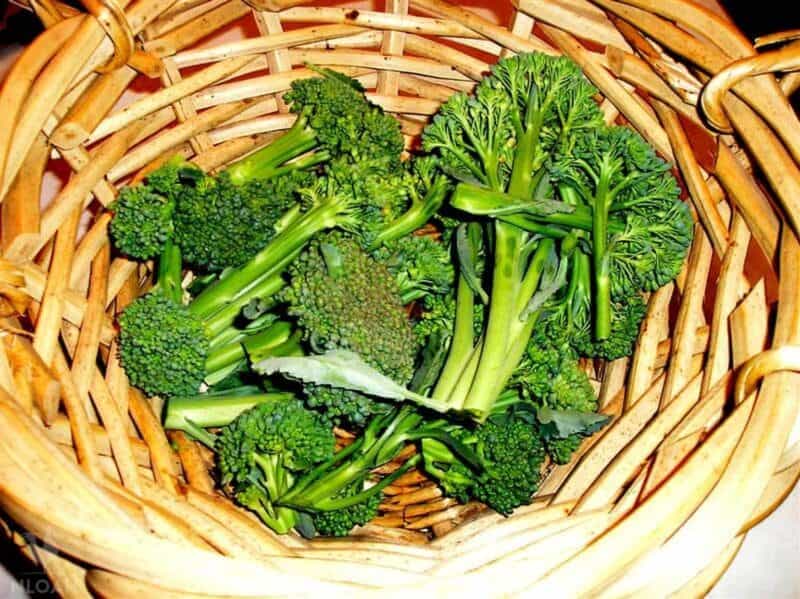
I promise, though, that it doesn’t have to be this way. Broccoli just needs a little bit of special treatment, and I’ll tell you how to treat broccoli right with 10 specific tips below. Follow them, and you can look forward to a bountiful haul of sweet, crisp broccoli. Grab your gloves and let’s get going.
Plant in the Cool Season for Sweeter Flavor
The best tip I can give you concerning broccoli is also one of the simplest, but surprisingly enough it’s one that people get wrong over and over. Broccoli is a cool season plant. Yes, it’s possible to get a good harvest when temperatures warm up but the odds will be against you.
Anytime the daytime temps reach or exceed 80°F / 26°C, the chances that your broccoli turns out bitter and bad increase. Likewise, cool nights followed by blazing days often lead to stunted heads.
Time the planting of your broccoli so it’s going in the ground very early in the spring or early in the fall depending on the climate in your region.
Leave Plenty of Room for Bigger Heads
Broccoli can get big, really big, and that’s what most of us want. But that can work against you if you don’t leave enough room for it to grow unimpeded. I recommend a minimum spacing of 18 inches (45 cm) between plants, and for some larger varieties like Sun King or Giant Russia you should leave 22 inches between each.
When your plants are too close together they will impinge on one another and increase the likelihood of contracting devastating fungal diseases.
Prep the Soil Specifically for Broccoli
Like every other plant out there, broccoli has specific soil requirements. If you aren’t taking the time to meet these requirements before planting, you aren’t setting your broccoli up for success and rapid growth.
Aim for slightly acidic soil, pH between 6.0 and 7.0. It’s also a heavy feeder, so a round of fertilization is in order. Make sure you provide extra nitrogen for rapid early leaf growth.
I like to use 10-10-10, but your choice should be dictated by soil levels so make sure you do a test.
Only Water the Root Zones, Not the Plant Directly
I mentioned in a previous section that broccoli is really vulnerable to various fungal diseases, particularly fusarium wilt. Well, many of these diseases develop or are facilitated by the foliage being wet. If you are watering your plants directly from above, you are setting the stage for a devastating infection that your plants won’t recover from!
Worse, fungal spores can contaminate soil, meaning you have to pull it all out or avoid planting there for years to avoid reinfection. Help prevent this from happening by using a soaker hose or a wand attachment to put water directly over the root zones.

Mulch Heavily
Mulch is always a good choice when working in the garden, but it’s never been more important than when you are planting broccoli. A heavy layer of mulch, be it wood chips, straw, or anything else, will help to regulate soil temperature, retain moisture, and suppress weeds.Since broccoli can easily go off course from any one of these factors, you are wise to mulch around all of your plants.
Fertilize Often for Dense, Tasty Heads
Broccoli, as stated, is a heavy feeder, and no matter how well you prep the soil at the beginning of the season, your plants probably won’t have enough food to go the distance. Plan on giving your broccoli a little supplementary fertilization once a month, lightly, or about halfway through growth, a little heavier.
This will give your plants the resources they need to sustain growth and, most importantly, to form densely packed, dark green heads with a delicious texture.
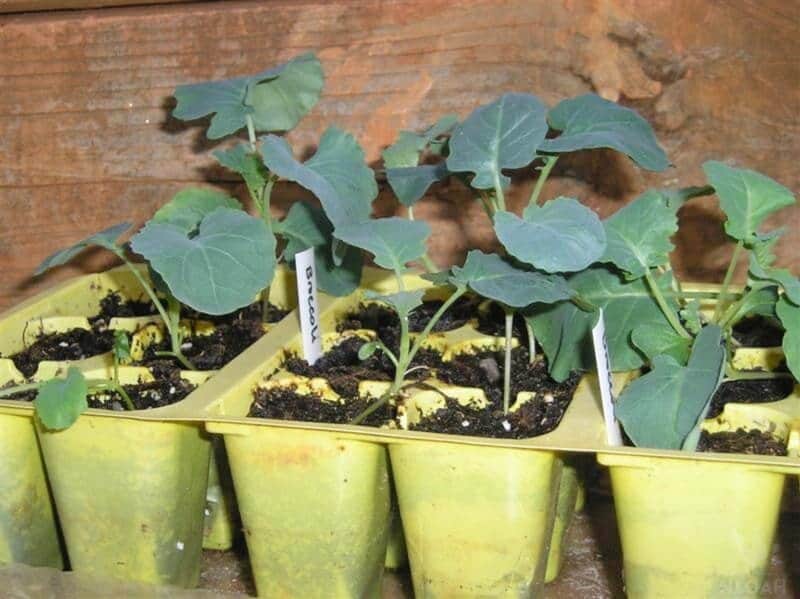
Use Summer-weight Row Covers Religiously
Intense afternoon summer sun can easily overheat broccoli and ruin its quality. This is especially likely in warmer regions. Broccoli, like so many other veggies, is also highly vulnerable to pests like aphids, thrips, and the dreaded cabbage worm.
You can easily nip both of these problems in the bud by using lightweight, semi-sheer summer-weight row covers to keep the bugs off and to moderate how much sunlight your plants get.
Plant Near Parsley to Help Keep Pests at Bay
For extra protection against all kinds of insect pests, consider planting a perimeter of parsley around your broccoli.
Parsley is full of aromatic compounds that make it taste great, but those same compounds also drive away many marauding garden insects, among them flies, beetles, and more.
If parsley isn’t your thing, other good options are zinnias and marigolds.
Harvest Heads Before They Bolt; You’ll Get More!
Another trick to enjoying a delicious, bumper crop of broccoli is to fight the urge to press your luck on harvesting. Everybody wants huge heads, but it’s better to have more, tastier smaller ones! Always harvest your heads when they are fully formed, dense, and a deep forest green color. Cut them right off the plant as soon as this happens.
I promise they will taste great, and more importantly, replacement heads will grow for later harvest! The longer you leave the heads, the more likely it is they will bolt and turn bitter.
Test For and Remedy Boron Deficiency
Here’s a really tricky problem that foiled me again and again, and it’s one that fellow gardeners have confirmed. Broccoli is extraordinarily sensitive to a lack of boron in the soil, something that might be overlooked in your testing regimen.
Without enough boron, broccoli plants will have hollow stems which can’t support the plant and are highly prone to infection or infestation.
Test your soil boron levels specifically, and if low or non-existent, all you need to do is add a single teaspoon of common borax to 5 gallons of water and then spray that over the soil where you’ll be planting your broccoli. This is a small element that makes a huge difference in your outcome!


Get your gift and learn things like:
- how to make this really quick pest spray
- how to prevent egg waste
- two cheap automation devices that will make your life easier
Tom has lived and worked on farms and homesteads from the Carolinas to Kentucky and beyond. He is passionate about helping people prepare for tough times by embracing lifestyles of self-sufficiency.