
I don’t think too many people would disagree that mice are very cute, but for those of us who have had to deal with them in any context except as pets, there is no arguing that they are destructive little critters. A single mouse can ruin food in your pantry, chew on wiring and of course stink up your whole house! If you live on a farm, the problem can be even worse because they’ll break into livestock feed and might even try to eat your chickens’ and ducks’ eggs.
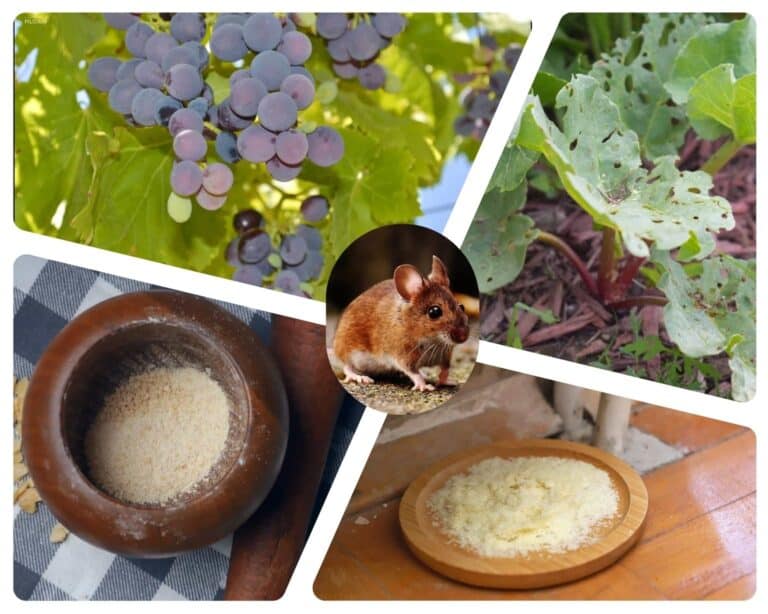
If you’re smart, you’ll try to get rid of them but using over-the-counter poisons can be really risky to other animals, including your pets. A better way, I think, is to use common foods that just so happen to be fatal to mice. I’ll tell you about such foods that will kill mice just below…
As with any of the DIY stuff, there will always be naysayers who say these don’t work and it’s better to just use mouse traps or call an exterminator. But lots of people report that they do work. Here’s how…
The 3 Proven Mechanisms That Actually Work
Mechanism #1: Gas Buildup
They reason these foods work is because mice don’t have the ability to burp! They have a weak gastroesophageal sphincter, which means the stomach is like a one-way valve…
As such, gas-producing foods react with the stomach acid and swell inside, and the gas build-up has no way to be released.
Mechanism #2: Starch Swelling
The second way is that some of the foods on this list that are rich in starch, such as mashed potatoes, work in a different way. There is no gas build-up. Instead, the starch absorbs water and starts to swell in their little stomachs.
Mechanism #3: Oxidative Damage to Red Blood Cells
This applies to garlic and onion specifically, and there is no direct evidence that they work in mice and rats, but we can extrapolate the date from mammals and have enough faith to try them. 🙂
Do They Work Instantly?
No they do not. It takes time for them to affect their digestive system. In fact, homemade poisons don’t work instantly at all! That includes any mixture you may prepare for them with flour, borax, etc. will not kill them on the spot.
Caveats
The Mice Might Be Picky… Or Just Full!
Also be aware that mice are typically skeptical of new foods they haven’t tried before, so give them time before you jump to conclusions. Or they could be returning “home” with a full stomach, and won’t feast on your treats until the next day. Patience is key, here…
Ethical Considerations
One of the main issues of these foods is that these aren’t necessarily the most humane way for the creatures mice to go. Remember the last time you were really bloated? It must have hurt a little, right? Well, they’ll experience the same thing, and they won’t get any relief… they just die.
Still, if you don’t want to spend money on mice traps and exterminators and have these substances lying around the house, it won’t cost you anything to try.
They Might Affect Pets and Livestock
Before we get to the list, I need to remind you to be careful when using any of these foods. Some of them, as you’ll see soon enough, can still be dangerous to pets and livestock. Take precautions if placing any of these baits where other animals could get to them in any way.
The Mouse Might Die Inside Your Walls!
One last thing to consider is that the mice will give it time to still wander through your home’s walls, and potentially die inside them, after they have their last meal. The resulting smell may or may not be an issue for you… Just a heads up!
Common Foods That Kill Mice
Instant Mashed Potatoes
One of the most innocuous items on our list is also one of the most deadly to mice. Mice love carbs, and they will certainly eat instant mashed potatoes once they get used to it. But after they do, and then after they drink later, the starch will expand fatally inside them, rupturing their tiny organs.

Clever, and gruesome, but effective and very, very cheap. This is actually one of my favorite methods because it doesn’t pose hardly any risk to other, larger animals like dogs and cats.
Tea
I thought we were trying to kill mice, not help them relax? Well, we are indeed trying to end them, and the reason we are using tea is because it contains caffeine. Anything but the smallest amount of caffeine is highly toxic to mice. So long as you use real, actual tea, not herbal tea, if the mice eat it they are getting that caffeine.
Now, mice with any other option are unlikely to eat tea by itself though they might. Take dried tea leaves and mix it in with peanut butter or other foods to make it more appealing to them.
Coffee
For our purposes, coffee works like tea, only it works a whole lot better if we can get mice to eat it since it has dramatically more caffeine. But, the pungent smell of coffee grounds might serve as a deterrent to mice, so do your best to incentivize them to eat it. The oral LD50 lethal dose for caffeine in mice is 185 mg/kg, versus 200–400 mg/kg in rats – in case you were wondering.
Once again, peanut butter and other nut butters are a sure thing here, since the oils will help to disguise the fragrance of the coffee. Roll it up into little balls making sure there is plenty of coffee grounds in each and then leave them where mice can find them.

Grapes
It’s hard to think of a fruit that is more wholesome than grapes, and as it turns out they are actually said to be toxic to mice.
Scientists aren’t entirely sure what makes grapes toxic to mice, but they do know it results in major strain, and eventually damage to their kidneys.
Nonetheless, mice usually don’t figure this out until it’s too late and grapes are a decent bait for mice just as they are. Place plenty where mice can get to them, and they’ll soon be dangerously close to death.
Raisins
Raisins are nothing more than dried grapes, and like grapes, they do the same kind of damage to a mouse’s kidneys. This is great for our purposes, but not so for the mouse!
Also, keep in mind that, like grapes, it will take time and multiple feedings for raisins to kill mice, so you might have to put them out repeatedly at your bait stations.
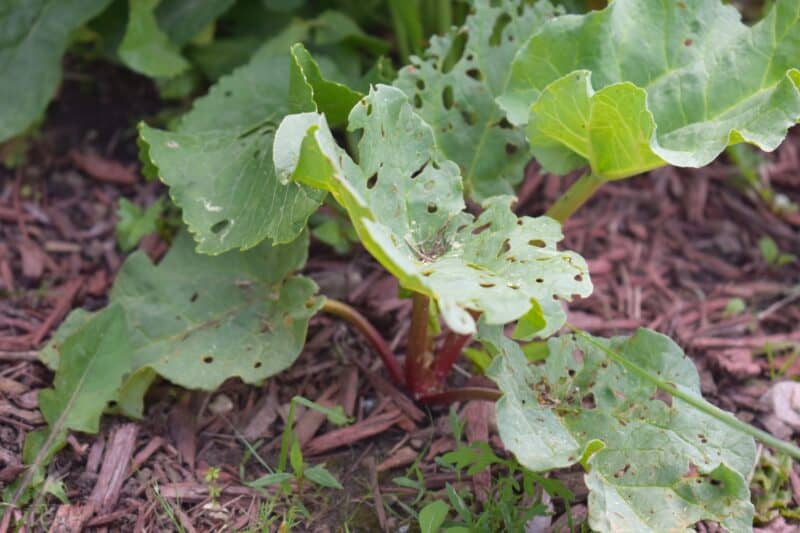
Rhubarb
Rhubarb isn’t really eaten as a food in most places throughout the US except as an ingredient in strawberry rhubarb pie. And, “fun” fact, it also has compounds that will cause kidney failure in humans, and definitely in smaller mammals like mice. It doesn’t take too much rhubarb over too many feedings to kill mice this way.
This is likely due to the oxalic acid in this plant, or should I say the leaves of this plant, because that’s where most of it is concentrated.
A good way to get mice to eat rhubarb is to harvest it yourself and then chop it up the leaves a sort of fine salad before mixing it in with other fruits and veggies. The downside is that you’ll need to switch out your bait regularly because it will rot quickly.

Garlic
Garlic makes food good. Bottom line. But, that’s only for people, as for most other animals garlic happens to be absolutely repulsive or even outright poisonous. This is because garlic causes oxidative damage to red blood cells, which leads to anemia when enough of it is eaten, and that can eventually turn into fatal organ and cellular damage.
The trick is actually getting mice to eat it. Many animals will avoid garlic and other allium plants for precisely this reason. Your best bet is to mince garlic and it mix it with butter or other foods that are attractive to them. Again, expect it to take multiple feedings but it could work.
The other thing is that current research shows toxicity in mammals in general, with no doses specific to mice.
Onions
These work the same way as garlic, they cause anemia in cats, dogs, and a bunch of other mammals – but nothing documented in mice specifically. Nevertheless, it’s definitely worth a try, but I would try garlic first because it’s more potent.
Sweet Potatoes
Our second mouse-killing potato on this list, but unlike instant mashed potatoes which kill via a peculiar mechanical action internally, sweet potatoes are actually hazardous to mice just as they are.
It’s because sweet potatoes, being extremely starchy, tend to slow down and eventually halt a mouse’s digestion, and will invariably result in a lethal blockage of the intestines.
Once more, this is a very bad way for a mouse to go, and although a few bites of sweet potato are not fatal, repeated feedings will eventually result in the lights out for the little scoundrel. Just leave sweet potatoes where mice can get to them and stay on top of changing them out.
Avocado
Avocados one of the most unique and delicious veggies around, but as it turns out, people are pretty much the only creatures that eat it. This is because all parts of the avocado plant, including the fruit we eat, contain a pretty serious toxin known as persin. Yes, this is present in the flesh of the fruit, but only in minimal amounts compared to the skin and leaves…
Accordingly, you should dice up the skin of an avocado and once more mix it in with other foods that you know mice eat, or else leave some of the flesh on the skin to encourage them to eat the whole thing. But take care! Avocado can be harmful to other mammals, including pets.
Cocoa / Chocolate
You know how you always hear it you should never give chocolate to animals? There’s a reason for that, and the reason is because it contains cocoa which contains theobromine. This is toxic to most mammals, except people of course, and that includes mice.
The only thing to keep in mind is that mice are some of the least sensitive mammals to it, when you do the math. Mice need a lethal dose of theobromine of 837 mg/kg, compared to 300 mg/kg for dogs and 200 mg/kg for cats…
You probably already know what to do: if it is chocolate, they will probably eat it as it is, but otherwise mix cocoa powder in with peanut butter or flour and a little bit of moisture to form a type of primitive dough, and then leave it where mice can get it.
For best results is you want to use the darkest, richest, purest cocoa or chocolate you can find. Darker chocolate means more cocoa and more cocoa means more poison. I realize this is also the most expensive stuff, so give it a try with the cheaper one, first…
Apple Seeds
Apple seeds have amygdalin, a substance that releases hydrogen cyanide and, while ingesting a few won’t harm humans, they could poison the tiny digestive system of a mouse. This is why owners who have rodents as pets clear the seeds before feeding them apples.
For pet mice, even a couple of seeds are a bad idea, but for the mice living rent-free on your property, know that a few may not be enough to take care of them. It’s worth a try even though research is lacking.
Foods That Don’t Actually Work
As you might expect, there are some foods making the rounds on the Internet that do diddly-squat to take care of rodents:
❌ Lettuce
The myth around this one says that when the mice eat it, it causes diarrhea and that’s just too much for them! But the only thing I could find is news articles about humans who experienced it after eating lettuce infested with Cyclospora.
There is zero evidence to show it causes anything to mice, or that it is lethal.
❌ Peanut Butter
You may be surprised to see peanut butter is not on this list. That’s because it doesn’t do anything to the mice per se. The reason it’s added to many of the homemade mouse poison recipes is because the mice really like the taste of it. This is why folks mix it with bleach: to lure the rodent with the peanut butter, and then let the second substance do the “work”!
❌ Popcorn
Just like peanut butter, this one is used in mouse traps baits to draw them in, it doesn’t affect their digestive systems in any way.
❌ Rice
The myth surrounds uncooked rice as it assumes it expands in their stomachs. But mice will chew it and it just gets processed like any other food. The cooked version is just as useless – and one they might actually enjoy eating since it’s softer!
❌ Baking Soda
The funny thing about baking soda is that the science behind it is real: it absolutely expands in the rodent’s stomach, and as we mentioned, mice can’t burp, thus the CO2 build-up.
But the reality is that they’d need to eat a lot of it for it to be lethal. Toxicology data on rats shows they would need no less than 4,200 mg per kilo for them to die for it. For your average mouse weight around 25 grams, they’d need to eat 100 grams of baking soda. That’s just too much for such a small animal.


Get your gift and learn things like:
- how to make this really quick pest spray
- how to prevent egg waste
- two cheap automation devices that will make your life easier
Tom has lived and worked on farms and homesteads from the Carolinas to Kentucky and beyond. He is passionate about helping people prepare for tough times by embracing lifestyles of self-sufficiency.
I use cinnamon sticks, cloves, chili flakes in a small mesh bag. Place them everywhere in garage and shed. They don’t like the smell.
I also spray pine sol in my garage. Place moth balls around as well.
This has worked for me for a few years now. Also put a few traps out in case.
I’m going to try the instant potato one right now!