
A couple of years after I started gardening, a friend and mentor finally got me turned on to the idea of using raised beds instead of traditional in-ground methods. Boy, what a revolution that was!
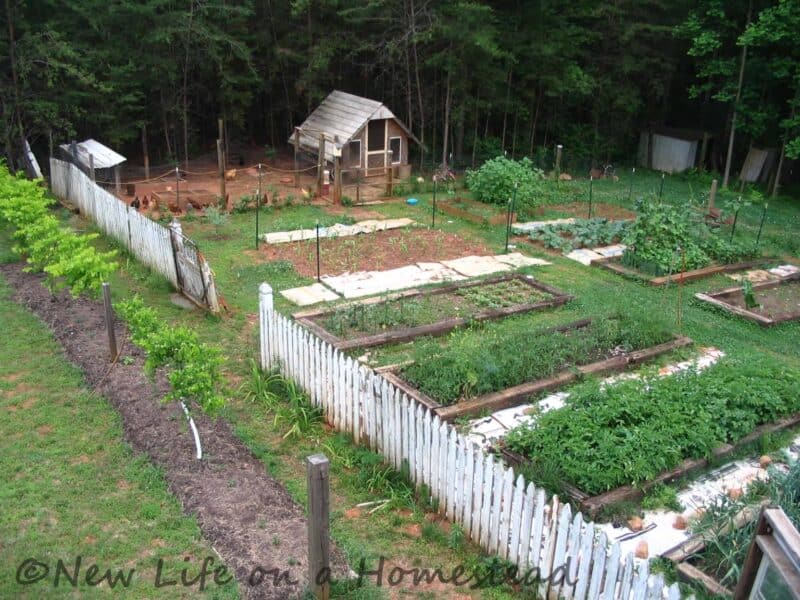
Suddenly, it became easier for me to get up close and personal with my plants, my back wasn’t aching, and I enjoyed better control over both the soil and water levels. It was wonderful! Accordingly, I recommend raised bed gardening to everyone, either as a replacement for typical methods or a supplement.
However, as good as it is, you’ve got to know what you’re doing: mistakes you make early on or throughout the process can cost you a ton of time, effort, and money, and potentially even your harvest! To keep that from happening, I’ll be telling you about some of the worst raised bed gardening mistakes you could possibly make in this article.
No.1 Poor Location
I know it sounds elementary, and in truth, it is, but you’d be surprised how many people take the plunge on installing raised beds and forget about the basics of gardening.
Whatever you plan on growing in those beds will need a certain amount of sunlight and can tolerate only so much shade. The beds must accommodate the plants, and neighboring plants in those same beds cannot block sunlight from others that need it.
Make sure you review your design carefully and slowly so you don’t wind up with some major disappointments.
No.2 Insufficient Space for Plants
Speaking of space, this is another classic rookie mistake for the aspiring raised bed gardener. Ask me how I know! Most planning around a raised bed, or multiple beds, is done with the bed as the installation focus first.
I mean to say it’s easy to get carried away trying to make the bed fit your property and look okay, and forget about the spacing requirements of the plants themselves.
Now, this latter point is an entire article all by itself: depending on your preferences and growing methodology, your plants might need more room in the bed or a whole lot less if you go with square foot gardening or intensive companion planting. There’s a lot to consider; just make sure you consider it before you build, or else your raised bed might not pay off the way you are hoping.
No.3 Building with Bad Materials
One of the coolest parts about raised bed gardening is the fact that you can make them from just about anything. Many kinds of wood are eminently suitable, as are concrete and cinder blocks, bricks, and a lot more.
But not all materials are a good idea. Specifically, depending on where you live, some materials will work better than others. Folks who live in dry climates will enjoy a much longer life from most species of wood. Some wood products, like poles, posts, and ties treated with creosote, should never be used because they are toxic to the environment and to you!
If you live in a wet and rainy place, you’d be smart to consider masonry or potentially even plastic so that your beds don’t rot away in just a few years.
No.4 Making Beds Too Low or Too Tall
Everything you need to know about a raised bed is in the name—it should be raised, up off the ground, in other words! Otherwise, what is the point!?
I’m being facetious, but only a little bit. Even low-raised beds have some technical advantages that clever gardeners can exploit. I, and most other gardeners I know among my friends and neighbors, greatly prefer taller beds to prevent so much stooping over, which can be hell on your back.
On the other hand, it is possible to make your beds too tall to be easily workable. This is especially a consideration for folks who can’t stand for a long time or families who want to get their children involved in gardening young.
No.5 Interfering With Property Workflow
Unless you are developing your property from scratch or putting in a garden for the very first time, you’ve probably got other things happening in and around the area where you plan on installing the bed.
Think this through prior to building! Failing to account for the position of your in-ground plot, outbuildings, livestock pens, compost bins, and even the route you use to cut your grass might turn your labor-intensive bed installation into a hugely annoying obstacle.
No.6 Picking the Wrong Soil
If the soil you have in-ground on your property isn’t very good for gardening, it won’t magically become good just because you stick it in a raised bed.
I get it; we all want to use readily available soil and hopefully save some money. But you’re really costing yourself when it comes to effort, labor, and return on investment if you do that.
If you need to get high-quality garden or topsoil for your raised beds in order to give your plants the best shot, that’s what you need to do.
No.7 Filling Beds with Nothing but Soil
This mistake sort of piggybacks on the previous point: don’t make the mistake of thinking you have to fill up the entire bed with soil alone. Not only does it make for a huge amount of work, but it can also cost a literal fortune depending on the volume of your beds!
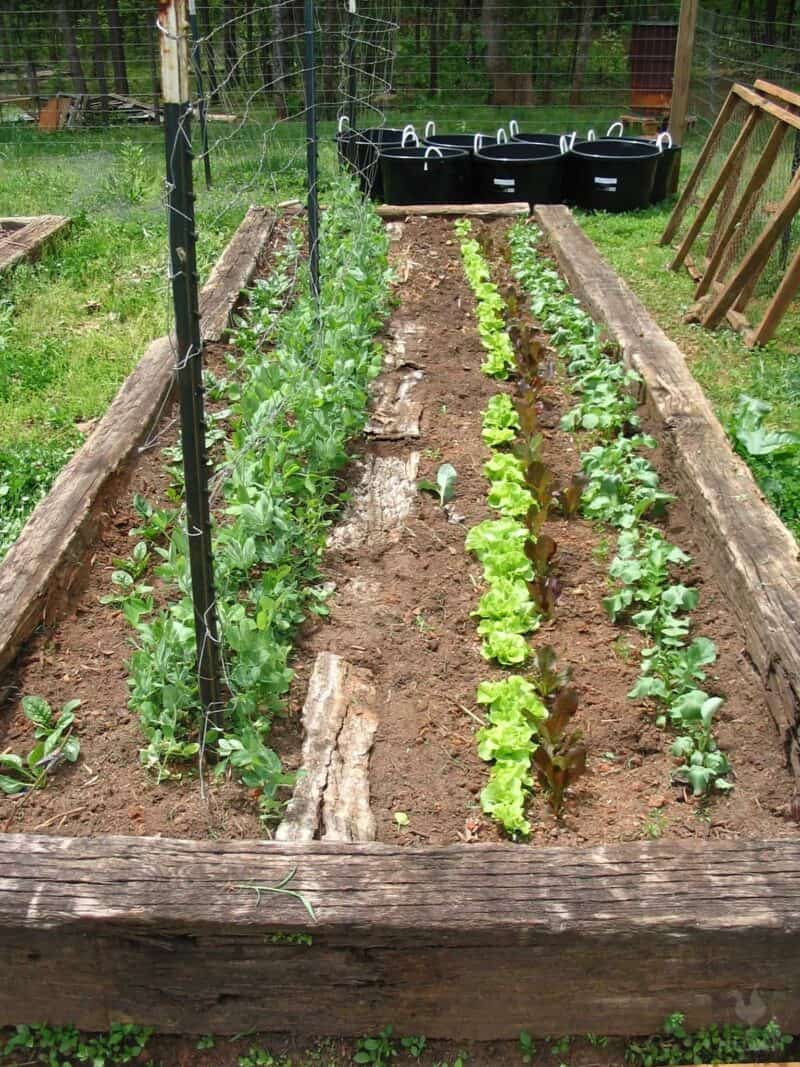
Instead, make a layered bed by adding branches, log pieces, straw, and other natural materials to the bottom, anywhere from a third to halfway up, then layering on your soil.
As long as your plants have at least a foot of soil for their root systems, they should be just fine, and some shallow veggies like radishes and many herbs need even less than that.
No.8 Not Using Protection
No, not that kind of protection. Get your mind out of the gutter! Terrible jokes aside, do keep in mind that your raised bed plants still need protection from inclement weather, high winds, bugs, and other pests besides.
Make sure you are ready to go with those appropriately sized row covers, cages, nets, frost blankets, and more as appropriate.
No.9 Failing to Fertilize Seasonally
Another soil quality failure that I encounter entirely too often with raised beds. Done right, you’ll have a much easier time controlling and maintaining soil nutrient levels if you plant in raised beds, but those levels must be maintained!
This means the usual regimen of seasonal or twice-yearly testing must be done to see what nutrients your plants need. Then you’ve got to add amendments and any other resources as needed to maintain healthy growth and soil texture…
No.10 Failing to Weed Under and Around Beds
This is a sneaky one! Raised beds can help you keep weeds at bay by making it somewhat harder for them to get established – while also making these annoying invaders easier to reach.
However, I know too many folks who simply throw their beds down over existing weeds with the idea that a great mass of soil over top will smother them. That sometimes works, but rhizomatic weeds especially can reach a long way for daylight and air, infiltrating your beds!
Also, you can’t give up on weeding around the beds themselves: many weeds release seeds that will float on the wind and inevitably wind up a short distance away—in the beds!


Get your gift and learn things like:
- how to make this really quick pest spray
- how to prevent egg waste
- two cheap automation devices that will make your life easier
Tom has lived and worked on farms and homesteads from the Carolinas to Kentucky and beyond. He is passionate about helping people prepare for tough times by embracing lifestyles of self-sufficiency.