
I think every gardener knows by now that plants need three essential nutrients in order to grow and thrive: nitrogen, phosphorus, and potassium. But just like everything else in life, getting too much of a good thing will quickly turn harmful, and that is certainly the case when it comes to nitrogen.

All kinds of plants rely on nitrogen to develop foliage, which in turn enables them to photosynthesize. But when nitrogen levels in the soil stay too high, it throws the biology of our plants out of whack, including fruits and veggies and ornamentals.
This can be one of the most persistent and frustrating problems to deal with, but it is possible to fix it with the right approach and the right amendments.
Keep reading, and I’ll tell you more about the problem and 9 things you can use to reduce soil nitrogen levels.
Nitrogen Toxicity Symptoms
You don’t want to assume that your nitrogen levels are high just because your plants aren’t producing the way you want. It could be something else entirely!
The very best way to determine if your soil has too much nitrogen is to perform a soil test, but you can also tell by looking out for the following symptoms in your plants:
Scrawny Root System
Nitrogen, as mentioned, promotes the growth of vegetation on plants. This is definitely a good thing most of the time, but too much nitrogen will fool plants into making way too many leaves, branches, and shoots, diverting resources away from root growth.
Obviously, an underdeveloped root system is a huge issue for any plant, and it’s only going to rob it of moisture and resources down the line. This is particularly nasty because it sets the plant up to be extremely vulnerable to drought and other nutrient deficiencies besides.
If you have experience with the plants you are working with, either pull one up or gently dig the soil away from the roots and examine them.
Iif they seem scrawny, short, or just sparse, you might be dealing with excess nitrogen, especially if the other symptoms on this list are present.
Also, watch out for prematurely drooping leaves and wilting; even if temperatures aren’t too high or when plants get watered regularly, an underdeveloped root network won’t be able to make use of the moisture to support the plant.
Excess Foliage
Just as I mentioned above, nitrogen promotes foliage growth in plants. Too much nitrogen means plants will focus on the production of leaves. This can easily fool beginning gardeners because it often makes a plant look abundant and healthy, but it’s a falsehood.
If foliage seems very dark, dense, and plentiful, especially in conjunction with other symptoms we’ll talk about here, it is highly likely that there’s too much nitrogen in the soil.
Although it’s tempting to leave this be and try to shore up the health of the plant in other ways, you can’t let this go.
This dense umbrella of leaves will reduce the amount of light that gets to other parts of the plant and it also reduces air circulation, which traps more moisture, and not in a good way; that makes it easy for fungal infection to take hold, and you certainly don’t want that! Investigate if any of your plants are showing huge foliage growth.
Bitter Fruit
This one is a dead giveaway, but mostly for plants in the cucurbitaceae family (cucumbers, squash, melons, etc.) : if your fruits or veggies taste bitter and tangy, chances are very good that excess nitrogen is to blame…
That’s because high nitrogen levels affect many biochemical pathways in all kinds of fruiting plants, and this leads to an accumulation of compounds that eventually impact taste.
Also, the texture of the fruit or veggie might likewise be negatively impacted. Many people describe them as simply tasting off in some way, if not bitter, tangy, or soapy.
They might look normal on the outside, and the plant might seem healthy, but you need to check that soil level right away if your harvest doesn’t measure up to your standards.
Leaf Burn
Leaf burn is a classic symptom of high nitrogen. Sadly, it’s the only one that most people look for, skipping the others on this list, and that leads to them applying the wrong remedy, which can cause more harm.
High nitrogen soil levels usually lead to a buildup of salts in the soil, subsequently causing osmotic stress and crisping leaves.
If the edges or tips of your leaves appear brown and shriveled, or even blackened, high nitrogen is likely the culprit. This obviously negatively impacts the health of the plant and prevents proper photosynthesis.
Severe leaf burn will lead to the premature dropping of lots of leaves, which is usually sufficient to kill the plant.
Few or No Blooms and Fruit
Another consequence of nitrogen forcing the biology of a plant to go a little screwy is the fact that the overproduction of foliage will subsequently result in very few or even no blooms or fruits.
Obviously, this is a major bummer if that is what you are after! You might see very few or very small buds or fruits forming, but this formation will often halt or fail entirely, falling off.
And again, any fruits that do develop properly, or mostly so, will likely taste bitter or off as detailed previously. If your yield is very low, and what blooms or fruits there are are lackluster, it’s worth doing that soil check.
That’s it for the bad news; now let’s talk about how to mitigate those high nitrogen levels.
Things That Can Reduce Nitrogen Levels
Sawdust
Sawdust is a type of carbon-rich organic material that uses up nitrogen during the decomposition process. When you add it to the soil, and especially when mixed in, the sawdust will use the nitrogen up until it is totally decomposed.
Definitely a good move if your soil composition can support it, but do keep in mind that adding sawdust will also add other nutrients besides, so you can’t overdo it.
Although it breaks down pretty quickly, it’s best to add a little bit at a time and then retest after decomposition. Other soil amendments might be needed to fully stabilize your soil and prepare for planting.
Also, never use chemically treated lumber sawdust! This can introduce toxic compounds to the soil that can seriously harm your plants or even turn into toxic runoff that we don’t want getting into the water supply.
Wood Chips
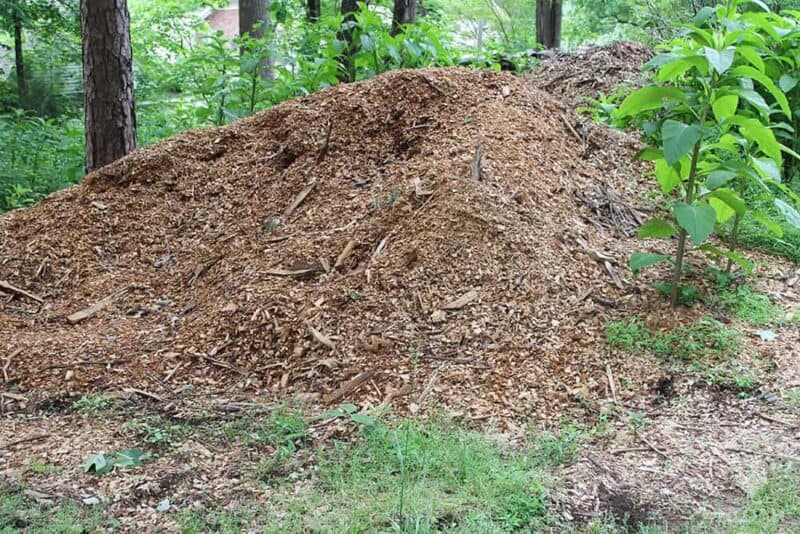
Wood chips works to reduce nitrogen in the same way that sawdust does, only at a slower rate. Whether it’s shredded, shaved, or chipped, it decomposes more slowly.
The trick is, though, to mix the chips with the soil; don’t use them as mulch. While mulch has some proven benefits for gardens in general, it does little to reduce the nitrogen content. So after you spread the chips over the top soil, you have to till them ti mix them. As the wood chips decompose, they’ll start to immobilize some of that extra nitrogen.
Keep in mind this only works in the topsoil, and that it’s temporary. Also keep in mind that over the long term, decomposing mulch will actually increase nitrogen levels.
Wood chips will not draw nitrogen from the soil unless they are incorporated into it. When used as mulch, arborist chips have no effect on underlying soil nitrogen levels, except to increase them over time.
Myths of Mulch
Straw
Straw is treated like another “brown” material when it comes to soil amendment: as it breaks down, it uses nitrogen to facilitate the process. The more straw that breaks down, the more nitrogen it will use, and the lower the soil nitrogen level will go.
Straw can be a good in-between option compared to sawdust and wood mulch because it breaks down a little slower than the former and a little quicker than the latter and can also help shade the soil and keep it moist.
However, straw will invariably promote weed growth unless you lay it on really, really thick—too thick for most garden applications; that’s because it will have a few seeds left hiding in there which will sprout once they make their way to the soil.
Dried Leaves
Dry leaves aren’t just for putting in the compost pile. Freely available and quick to degrade, like the other organic matter we’ve discussed, they require nitrogen to facilitate decomposition, and nitrogen that’s going to the leaves won’t be taken up by plants.
A preliminary treatment with dried leaves in the fall might make your soil perfect and ready to go in the springtime when it comes to nitrogen levels. If possible, crush or grind the leaves and stir them into the soil to facilitate rapid and even breakdown.
Nitrogen-Hungry Plants
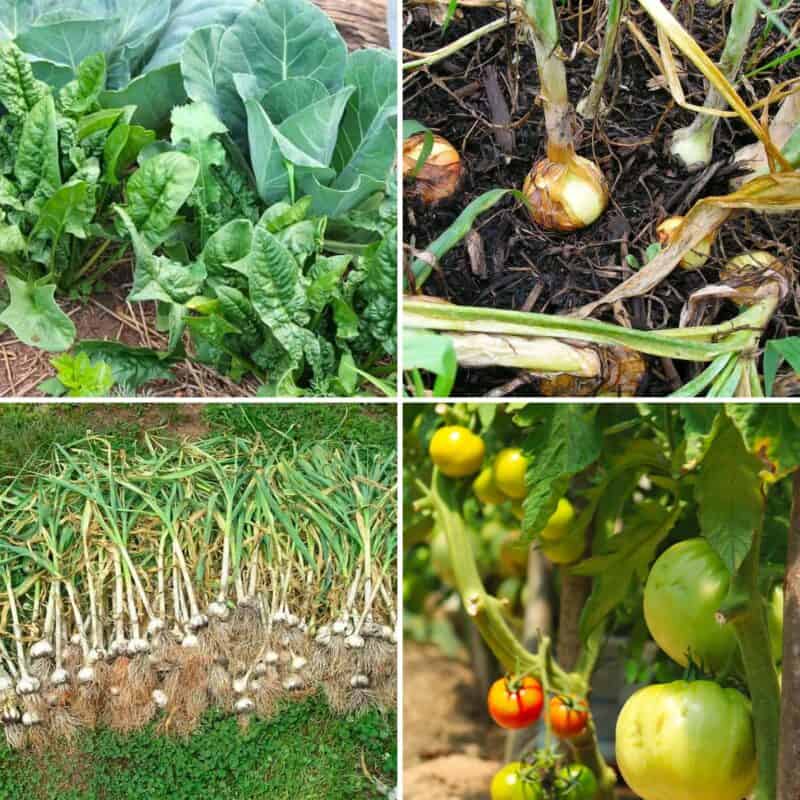
One of the best and least invasive ways to reduce nitrogen soil levels is to simply plant different plants that need lots of nitrogen in order to thrive. Cabbage, broccoli, corn, pumpkins, kale, mustard, spinach, and more are all nitrogen-craving, and none will mind the extra nitrogen.
All of these veggies produce copious foliage to fuel growth, and in fact, low nitrogen levels are one of the most common causes of failure. So unless you’ve had an industrial spill of nitrogen in your garden, chances are good they’ll do just fine…
Once you’ve made it to the end of the season with them, test your soil levels again and you’ll probably be surprised to see how much they consumed.
If your levels are still too high for your intended plants, consider planting another variety or just doing another round. It takes a little bit of patience, but this is one of the most reliable ways to reduce soil levels.

Water
As strange as it sounds, you might need nothing more than water to meaningfully lower the levels. Repeatedly soaking the soil with large quantities of water will help to displace and sink or wash away nitrogen.
It takes lots of water, and many soakings to obtain a significant reduction, but it definitely works, and it can work well, especially in easily draining soil. This technique is also a good one if you are planting anything that has a shallow root system like onions, beets, turnips, and so forth.
If you can move the nitrogen lower in the soil, these plants will be drawing from the higher level that now has less nitrogen, meaning they won’t feel the effects of too much.
There is one downside to it, though: overwatering, in general, has been shown to increase the leaching of nitrates into groundwater, with multiple extension sources warning against the practice. Use sparingly, and only if the other methods didn’t work for you.
Hydrated Lime
Hydrated lime is a controversial method that basically spikes the pH of the soil it’s applied to. So it doesn’t reduce the nitrogen in the soil directly. But it is controversial.
There’s some mixed advice out there from reputable sources no less. Oregon State University, for example, warns against using it, but other extension sources are fine with it (here and here).
The main issue with it is that it’s very caustic. You need to wear gloves when applying it and should only be used by seasoned gardeners.
Hydrated lime works quickly and it can even burn plants roots, not to mention irritate your skin and eyes. This is a soil amendment you’ll want to use well before planting season to ensure it has time to break down properly.
Depending on the density of your soil, you’ll need anywhere from 3 to 12 ounces of hydrated lime per square yard in your garden. Apply it with a spreader or broadcaster and then gently rake it in before watering for the best effect. Keep in mind there is no safe and official guideline for how much to use, so you might want to apply less, then do a soil test, then add some more if you need to.


Get your gift and learn things like:
- how to make this really quick pest spray
- how to prevent egg waste
- two cheap automation devices that will make your life easier
Tom has lived and worked on farms and homesteads from the Carolinas to Kentucky and beyond. He is passionate about helping people prepare for tough times by embracing lifestyles of self-sufficiency.
I had sprayed on my 16 arborvitae in the first week of September here in the Chicagoland area miracle grow for bushes. Stupidly I gave them too much nitrogen as they’re turning brown. The nitrogen content was 20, but I later found out it should only be 15. They were soaked with water only after the above, but still turning brown. The only thing for me to help them is to continue to water them or have the landscapers blow the leaves on them for the fall. Please make a suggestion. I would appreciate that. Thank you. I have noticed the other arborvitae around the streets here are also turning brown, however mine are worse, bc of my actions.