
Are you losing feathers from your chickens? If so, you’re probably wondering why. Feather loss in chicken is a common occurrence that can arise from a wide range of causes. From diet to the environment, there are lots of things to consider when figuring out the cause of your birds’ feather loss… Some are easy to notice and other causes are far more subtle, but many of them are preventable with the right approach.
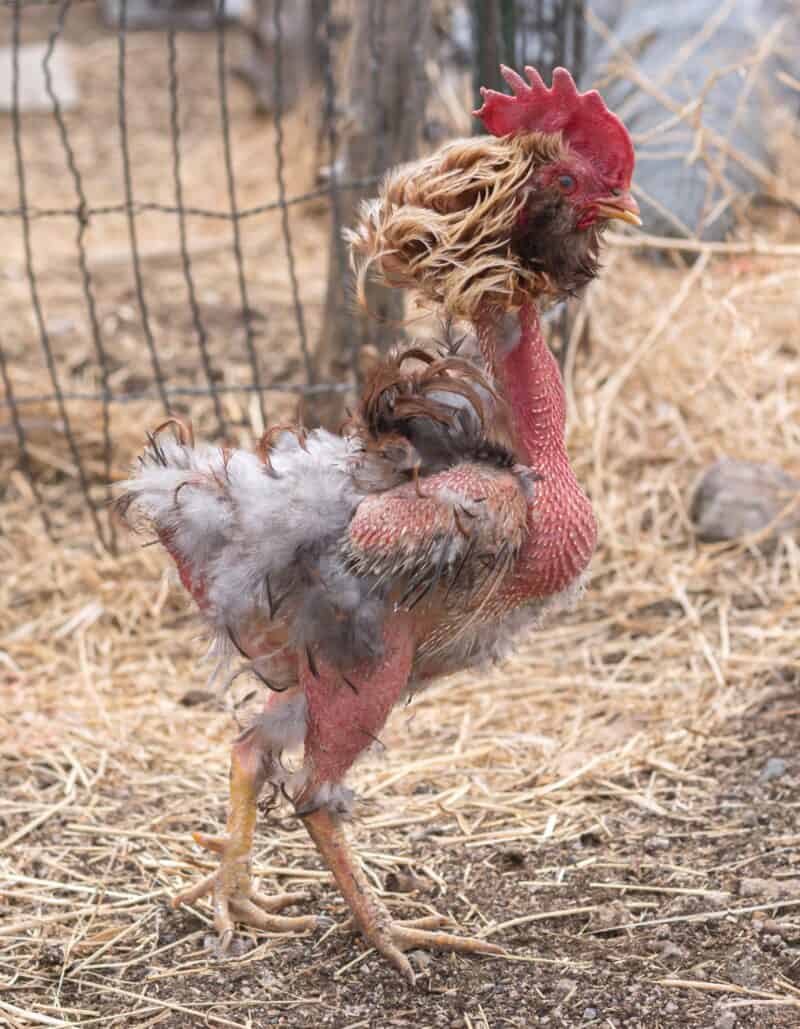
In this article, we will look at the possible causes of feather loss and the actions you should take to help your chickens maintain their plumage. Let’s dive in and explore each factor one by one so that you can get to the root of this problem quickly and take the necessary steps to ensure your flock looks as impressive as ever!
1. Molting
Molting is one of the most common causes of feather loss and also the most common – but keep in mind that abnormal feather loss can sometimes resemble molting, so don’t assume it IS molting!
Anyway, this is a natural process in chickens where they lose their old feathers and replace them with new ones. It usually occurs at least once a year and typically last about 7 to 8 weeks, though some may run late and technically “skip” a calendar year. New feathers will usually appear shortly after the old ones are shed and should grow back within 12 to 16 weeks tops.
It’s important to note that during this period, your birds may become more vulnerable to stressors as they will have less protection from the elements due to lack of insulation.
2. Predator Attack
A predator attack is another possible cause of feather loss, one that’s far more traumatic than molting. If your chickens were attacked by a wild animal (or even a pet), you might see that their feathers are missing in patches.
This assumes they survive the ordeal; much of the time, a wild predator will kill and carry off a chicken to be consumed at leisure, leaving only blood and feathers behind for you to find.
Depending on exactly what happened and what kind of predator is responsible, this type of damage can be difficult to diagnose. You’ll want to carefully examine the affected bird to check for life-threatening injuries, but if they are lucky, they will have only had some feathers torn out- a near miss!
If you suspect that your birds have been attacked by a predator, you obviously need to make sure they are safe and secure so that it doesn’t happen again. Look around for evidence of what kind of animal did it and then take the necessary steps to stop a reoccurrence. Reinforce the coop with mesh or other anti-predator measures if necessary.
3. Mating
Chicken mating practices can be pretty rough: the males will grab onto the hens and hold them down with their claws while they hold them down with their beaks. This can obviously result in feather loss particularly around the neck, back, and hindquarters of the hen. Sometimes hens actually get hurt!
Some owners go so far as to equip their hens with special “saddles” which are little capes or vests that your hens can wear. But if those don’t work and you see repeat injuries, it might be time to consider finding him a new home or even culling him if necessary.
4. Infighting
Another sad and shocking but possible reason chickens could lose feathers. Squabbling, sparring, establishing the pecking order, whatever you want to call it, chickens often fight among themselves, particularly roosters.
The most common target of their aggression when a fight is “social” is usually the head, though other parts of the body can also get attacked. As is often said, you will literally see feathers flying when chickens are fighting!
Removing this cause can be complicated, though. Chickens have complex social structures modified by inherent traits and environmental pressures. Use a holistic approach and have enough space for your birds to prevent overcrowding, make sure there is plenty of food and water, and plenty of feeding stations.
Multiple roosters must establish their hierarchy, but if they don’t settle down, you might need to split them and give them to a neighbor. New additions to the flock, whether or not from a different breed, might be harassed or even killed.
All in all, keep in mind that chickens are also individuals, and some birds just might not get along.
5. To Line a Nest
Laying hens, especially ones that are going broody, will sometimes pluck out feathers from their breast and belly. They do this to line the nest area and make themselves a cozy bed in which to lay their eggs, but also to increase the amount of body heat that warms the eggs directly (this is called a brood patch).
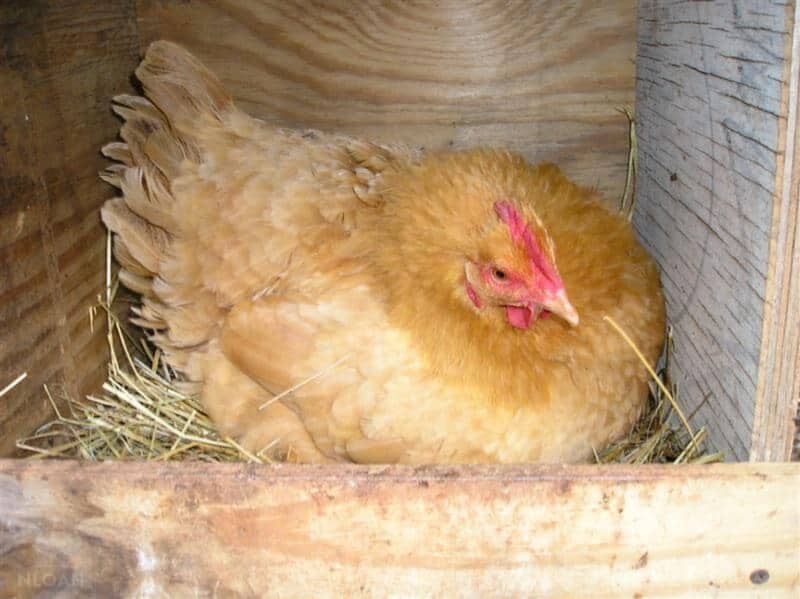
This is another entirely natural and normal but still alarming cause. It means a hen looks a little weird when walking around, but this is otherwise harmless and she will re-grow her feathers in time. Still, you want to stay vigilant just to be sure that the real cause of her plucking is not something else. See below.
6. Illness
Disease, especially severe or chronic ones, is sometimes responsible for feather loss. This is typically accompanied by other signs of illness such as reduced appetite, lethargy, or changes in behavior.
If you suspect a bird is ill, the best course of action here is to separate it right away from the rest of the flock to prevent the spread of disease and get it treated by a vet if possible (which might not always be practical!). You can’t possibly know what the internal reason for the feather loss might be: a nutrient deficiency, a skin follicle disease, or something else!
7. Parasites
This is a cause of feather loss that every chicken keeper will deal with at some point. Mites, lice, and other chicken parasites can set up shop on your birds and cause terrible itching and irritation for them. As wounds develop as the birds scratch themselves to try and dislodge the little buggers, their feathers will start to come out!
At this point, you should probably talk to your vet to identify the parasite and give your birds the right treatment.
8. Stress
It is said people tear their hair out when stressed, and chickens tear their feathers out. It is true that chronic stress can lead to some major behavioral issues with chickens plucking out feathers for no apparent reason – but I can assure you there is a reason.
Figuring out that reason and fixing the issue requires you to look at your own management and their situation:
- Are they getting enough food?
- Enough space?
- Is there a rooster harassing them or bullying other birds in the flock?
- Are they cold stressed?
- Poor nutrition can also lead to stress or to feathers falling out due to nutritional deficit.
Stressful conditions like these will need to be addressed until feather loss stops and normal, healthy behavior resumes.


Get your gift and learn things like:
- how to make this really quick pest spray
- how to prevent egg waste
- two cheap automation devices that will make your life easier
Tom has lived and worked on farms and homesteads from the Carolinas to Kentucky and beyond. He is passionate about helping people prepare for tough times by embracing lifestyles of self-sufficiency.