
If you have ever tasted a homegrown tomato, you likely already know how much more flavorful it is than a store-bought tomato. And it’s not just your imagination playing tricks on you. Homegrown produce often tastes better than supermarket groceries, and it offers a host of other benefits as well. Sure, they don’t always look as pretty, but who cares? That’s not a bad thing!
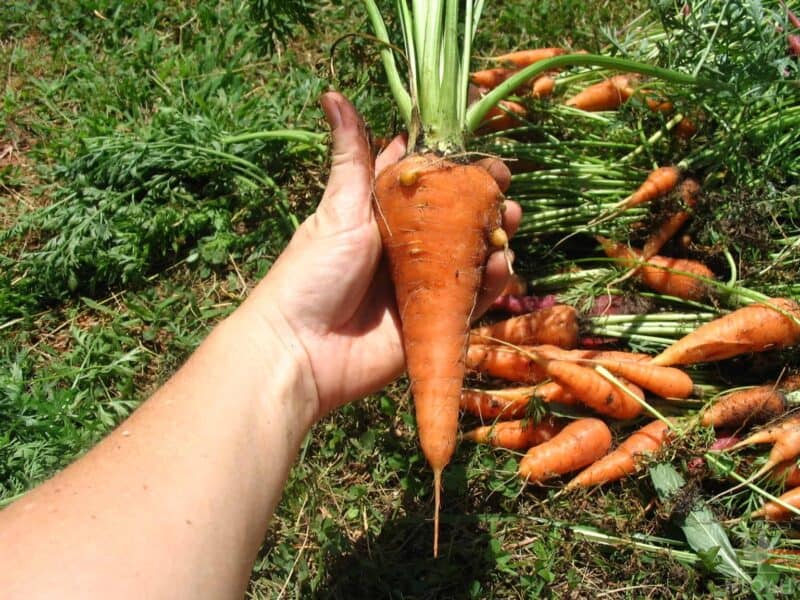
While the size will vary depending on the type of produce grown (you likely won’t notice a huge difference with pumpkins, but you might notice that your celery and onions are much smaller), it’s not a huge concession to make when you consider you aren’t paying by the pound and you can grow as much as you like (and then some!) if you have the land, time and resources.
1. They can taste so much better
Your homegrown produce can taste better (and flavorful) than that store-bought, and the reason for that is, you’ll harvest it much closer to the moment you consume it. While it’s true that different varieties taste differently and you can indeed get tasty veggies at the grocery store, many commercial food systems are not set up to maximize flavor.
For example, some tomatoes are grown (among other reasons) to ripen as slowly as possible – on purpose. This will increase shelf life as they are shipped and moved around, and as they are waiting to be bought on the produce aisle.
Also, and this is anecdotal, you might find yourself using less salt and sugar to prep your vegetables, because the ones in your garden will have a far richer flavor. You won’t need to hid the lack of taste of store-bought veggies with other ingredients…
2. They’re cheaper
Time and again, grocery prices show up in the news, and it’s never because they get cheaper. Add to that that a lot of the monthly income of a typical family is spent on food, and it#s easy to see why reducing the costs of groceries in a household should be a top priority.
On the other hand, a pack of seeds costs only a few dollars at most, and can set you up to getting veggies for a fraction of supermarket costs. Sure, there are other costs associated to growing them and to gardening in general (water, fertilizer, time, etc.) but overall, the cost reduction can be significant.
You can have more produce at a lower cost (not taking the labor into account), and you can preserve or share the excess with neighbors to help spread the wealth a little more.
Due to your local climate or storage limitations, you might not be able to enjoy all the produce you love at all times of the year.
However, you can enjoy homegrown produce all summer as well as deep into the fall, saving you good amounts of money throughout the rest of the year as well. By cutting out the middleman, you save yourself time, money, and hassle.
3. You get ultimate control
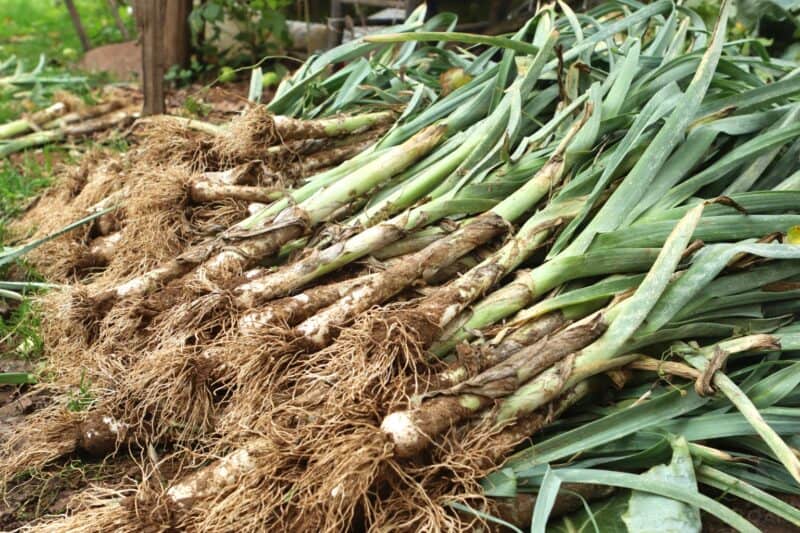
When you grow your own fruits and veggies, you are in control of your supply chain. Grocery store options are limited by the season, location, and availability. You get to choose what your own personal “supermarket” carries and how much of it you are going to provide.
Another thing to consider is that when growers who ship their produce cross-country choose their varieties, they often favor those that withstand shipment well – not necessarily those that are highest in nutrients or flavor.
You’ll sometimes see more fragile produce, like heirloom tomatoes, on store shelves as a result. As a gardener producing your own food, you are in control of what you grow and what you eat.
For instance, there are thousands different varieties of tomatoes alone, and with each variety comes a different flavor. You can choose which types you’d like to grow, and select varieties of vegetable based on their color or growing patterns.
4. They can retain more nutrients vs. storebought
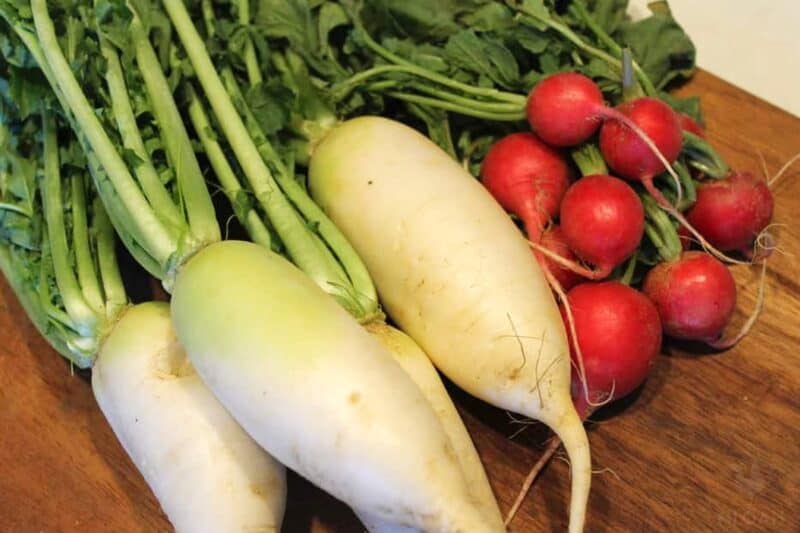
A tomato is a tomato is a tomato – right? Not so fast. The biggest difference between homegrown or local produce and the one that’s produced far away is that homegrown can sometimes be higher in nutrients. Here’s why…
When a package of green beans, for example, lands in your cart at the grocery store, it has already stayed for at least a week in warehouses to reach you. The (sometimes long) journey gives the beans’ nutrients, particularly vitamin C and some antioxidants, time to degrade. This is especially true if they’ve been exposed to heat.
Most vegetables are best stored at cooler temperatures, but this ranges wildly among them. Despite these vastly differing needs, multiple varieties are sometimes shipped together. Definitely not the case of home garden where you can set up a nice and cool pantry or root cellar.
Plus, many types of produce (like tomatoes) are often picked green. While this allows them to avoid rotting longer, it can prevent them from fully developing flavor. They are able to withstand transport, but they are sometimes artificially ripened with ethylene gas later on.
Even harvesting methods impact the nutritional content of your produce. Mechanical harvesting methods have a higher likelihood of bruising the produce.
This can affect the fruit’s ability to ripen, withstand rot, and store nutrients. Vitamin C content in many store-bought tomatoes can be a whole lot lower than those produced at home.
5 They’re better for the environment
As you might expect, shipping food across nations and continents, as well as packaging will have an impact on carbon emissions. On the homestead, you’ll not only reduce the food’s carbon footprint, you’ll also reuse packaging (crates, tote bags, Ziploc bags, canning jars etc. etc.)
6. They’re lower in pesticides
When you grow your own vegetables, you reduce the risk of eating those grown with harmful chemicals – but not fully. As a gardener, you too will likely use or have been using pesticides, insecticides and fungicides. getting a good crop without using anything is next to impossible.
But overall, you will use less. One way to reduce them is to find other ways to deter some pests. You can do things like:
- planting pest-deterren plants
- growing plants that attract pollinators
- using companion planting
- setting up a permaculture garden so the plants themselves do more of the heavy lifting for you
7. They promote a sense of community
Let’s be hones, your typical home garden won’t have as huge a yield as conventional farms – and that’s okay! But your garden is able to produce more than your own family is every able to eat. If you go to the grocery store for your weekly shopping, you are likely only buying enough food to feed your family for a week.
Growing your own food on your homestead promotes a sense of community because you can share your excess produce to your neighbors. What better way to spend time with your friends and loved ones than to gather over a fresh, home cooked meal?
While you can host dinners and create delicious recipes with store-bought produce, there is something truly special about sharing the bounty of your garden with the friends and neighbors.
While not everyone owns a farm or has enough outdoor space to grow a garden large enough to support your family throughout the year, there are alternatives. You can try vertical gardening, invest in an indoor small scale hydroponics system, or you can select produce that has only been grown locally.
While your homegrown produce may not always look picture-perfect or be ready to grace the cover of a food critics’ magazine, you’ll ultimately have the satisfaction of eating food that you have grown yourself.

Get your gift and learn things like:
- how to make this really quick pest spray
- how to prevent egg waste
- two cheap automation devices that will make your life easier

Rebekah is a high-school English teacher n New York, where she lives on a 22 acre homestead. She raises and grows chickens, bees, and veggies such as zucchini (among other things).
I enjoy the better flavors from homegrown products! They contain more of the “good stuff”, vitamins and minerals. Plus, you know you are eating real food that has real flavor and nutrients!
I agree that store-bought veggies and home-grown veggies look different. It’s because store-bought veggies have been commercialized to look more appealing to consumers. Some may even put coloring to make it look more vibrant and some toxic fertilizers to make it way bigger than organic vegetables. So growing your own veggies will assure you the safety of your loved ones from eating toxic foods.