
Boron is a trace mineral that is, sadly, neglected by many gardeners. Found naturally in several plants, boron actually plays an important role in plant growth It’s also found in the soil in the form of boric acid or borate and is a mobile nutrient, meaning it is moving in the soil.
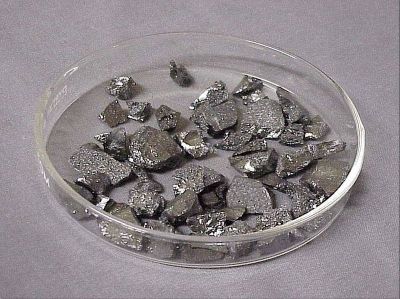
Food and drinking water naturally contain boron. This element is typically more common in the oceans, sedimentary rocks, shale, and coal. Some types of soil, as a result, are more likely to naturally contain boron.
Boron interacts with oxygen and other natural elements to form specific compounds, also known as borates. These are distributed all over the world, with the highest concentrations found in shale.
Boron is also mined in many regions around the world. This is because it plays such a role as a garden and health supplement, but also because it is used as a key ingredient in many products.
For example, it is often used in fiberglass, fire retardants, and even laundry bleach. Mines can be found in the United States, as well as in Turkey, Argentina, China, Peru, and others, but it typically is mined in dry areas.
Boron enters our environment when rocks that contain boron are weathered. It can sometimes be released into seawater in the form of vaporous boric acid produced by geothermal activity, such as steam, volcanic activity, and earthquakes.
Sometimes, human activities can also cause boron to be released, particularly through the use of borate fertilizers or chemicals, or through burning wood or oil.
Borates are then absorbed into soil particles. Some soils have higher contents of boron depending on a host of reasons, such as the pH, the amount of organic plant matter, or the porosity of their soil particles. Plants then accumulate boron.
Without the right amount of boron in the soil, plants may look healthy, but they won’t be able to bear as many fruits or flowers. A lack of boron highly impacts their ability to reproduce.
A lack of boron can also affect crop quality, and boron has many other important uses and benefits.
Boron Deficiency in Plants and Soil
But how can you tell if your plants are deficient in boron? You might notice a stall in growth patterns, or yellowing leaves. The tips of your plants might wither and die, and any fruit that the plant is able to produce will be lumpy and misshapen. Your overall yield will drop dramatically.
These don’t automatically mean you have a boron deficiency, so the best thing you can do is do a soil test. This way you’ll know exactly how much you have and how much you need to add.
Boron deficiency can happen to any plant plants, but is most easily noticed among apples, pears, grapes, Brussels sprouts, broccoli, cauliflower, cabbage, and turnips. These are all heavy boron feeders and will likely suffer if your soil doesn’t have enough of.
If your plants seem to be lacking, you can add boron by buying a commercial solution specifically formulated to be used in the garden, then apply it according to the instructions.
But before you do that, you really need to make sure your plants are actually deficient, as the line between deficiency and excess is fine for any plants. Generally, an excessive amount of boron occurs in soil solution, when the soil is naturally derived from geologically young deposits (like volcanic rock) or from arid soils or those derived from marine sediment.
Soil that has been disturbed by human activities, such as that released from coal-fired power plants or mining operations, also can lead to too much boron in the soil.
Uses and Benefits of Boron in Plants
That being said, boron plays an integral role in dozens of farming and health applications. We’re naturally exposed to boron in our diets, water, and consumer products, as well as through the air we breathe and absorbing some of it through the soil. Most of our boron intake, however, comes directly from the foods we eat.
Helps in Plant Development
Boron, usually naturally found in soil, helps plants grow properly. Without adequate levels of it, your plants may appear healthy, but fail to produce fruit or flowers. Different amounts of boron are needed for different plants, so keep this in mind.
Water affects boron availability and movement through your garden’s soil, and this in turn affects how much of it is utilized by the roots of the plants. The amount of boron in most soils is minute, but every last bit of it is impactful. Too much or too little is a delicate balance, as heavy boron quantities in soil can be deadly to plants.
Deep watering can easily leach boron from the soil. It’s important to have your soil tested so that you know exactly how much boron exists in the soil’s natural state.
Boron requirements slightly increase when a plant is about to enter the flowering stage (typically regarded as a plant’s reproduction process). In humid areas that receive a great deal of rainfall, particularly those with light-textured or acidic soils, it is possible for rainwater to leach all of the boron out of the soil, and obviously cause a deficiency.
having the right amounts boron in your garden can help ensure the healthy growth of your plants. It helps to develop cell walls, improve reproductive organs, and more.
Strengthens Cell Wall
Boron plays an important role when it comes to strengthening the cell wall of a plant. Cell walls of plants and trees help to carry out a multitude of functions, as you probably know. Apart from that, the structure of the entire plant relies on the strength of the plant’s cell walls.
The manner in which a plant uptakes nutrients and water, as well as how it synthesizes those nutrients and water, can also play a role.
Gardens that are low in organic matter may be more likely to have boron deficiency. For example, if you have sandy soil that leaches frequently, it will be difficult for boron to remain in the soil.
However, because boron can become toxic once levels have increased so that it is no longer being absorbed into the soil, it is very easy to overdo it on boron, too.
So if boron is in short supply in the soil, then it makes the cell wall weaker and shorter. A weaker cell wall will restrict the plant from bearing fruits and can also make it difficult for the plant to set seeds. Moreover, the roots and pollen tube are also affected.
The presence of boron is vital for both cell wall and reproductive organs because without it, plants may experience stunted growth and the growth tissues may die as well. Also, in some cases, plants may begin to lose their green color, implying leaf death if boron is lacking.
Enhances Fruit And Seed Development
Boron is also known to aid in fruit development and pollen germination. It also helps in the nut and seed development. It is a necessary mineral for pretty much all plants as it is required by cell walls.
Since boron is found under the soil, a heavy rain may leach away the boron found in the soil, and leave plants with a very small quantity of boron. This can affect an entire plant drastically, especially the growing regions of a plant such as roots, leaves etc.
Boron plays a large role in pollen germination and pollen tube development as well. If your garden’s soil lacks boron, then pollen grains will also be affected.
That’s not all – fruit production, seed and nut crops are also affected if there is low amount of boron in the soil.
A deficiency in boron can damage flowers and buds and force them to drop. As a result, the plant will bear fewer of seeds and fruits than it should have if it were to have healthy levels of boron.
Facilitates Sugar Transport In Plants
Photosynthesis is an essential process as it helps plants make food. However, just the process of producing food is not enough, as it must be transported to all parts of the plant. This is where boron comes into play.,,
Boron enhances the transportation of sugar and allow the plant to develop properly. Boron also helps to produce sugar indirectly by aiding in photosynthesis. Receiving adequate amount of sugar in plants promotes root growth, too, and as a result the plant is strengthened and provides better yield.
Cell Division (Creating New Plant Cells)
Boron is needed for healthy and continuous growth of certain parts of plants such as root tips, new leaves and buds.
When there is an adequate amount of boron in the soil, it promotes the growth of meristematic tissues (more colloquially known as growing tissues) in plant cells.
In short, cell division involves rapidly multiplying these growing tissues and ensuring proper and continuous growth of plants by creating new plant cells.
Deficiency of boron can lead to issues related to cell division. This is where rosetting may occur. Rosetting is referred to the stunting of plants and trees because the cell number rapidly decreases in a plant. Hence, make sure that your soil is not deficient in boron by doing a soil test.
Pollination
Pollination aids in increasing the overall yield of your garden, and as a result should be paid close attention to. You can improve pollen tube growth and pollen germination with boron, but only if your soil is already deficient. If it’s not, it probably won’t make a difference.
There are several factors that affect the yield of a plant: things like water systems, weed/pest/insect control, available nutrients to the plant, and more. All of these need to be taken care of if you want your plants to provide you with a good yield.
But, how does boron impact pollination and yield?
Boron is a fundamental supplement that plays an important part in pollen germination that pollination converts into effective fertilization. Pollination results in fertilization, which is naturally aided by boron.
Pollens do not always reach the ovary; at times they are lost or stuck and hence no fertilization takes place. But, this problem can be solved with help from boron, as it improves the performance of a pollen tube and impacts the yield in a positive way.
The solution to the problem could lie in foliar spraying of boron, but again, you need to first check that the soil is deficient in boron.
Enhances Carbohydrate Production
While boron is responsible for producing and translocating sugars, it also helps form complex sugar molecules along with carbohydrates that help a plant grow better. When boron is not present in the soil, these simple sugars won’t form carbohydrates but will form phenols, which will invite insects and may even cause a plant to fall sick.
A lack of boron can sometimes make your plants more vulnerable to pests and disease.
The colonization of mycorrhiza is also affected by boron at the root surface, as it increases carbohydrates in the roots. Boron also aids in forming abscission layers (similar in appearance and function to scar tissue) and prevents certain bacteria from entering the tube storage in plants.
In addition, boron protects plants against severe weather conditions. It keeps the leaves intact by maintaining a strong abscission layer, preventing leaves from falling off.
Signs of Boron Deficiency in Plants
While symptoms of boron deficiency will vary depending on the type of plant, most plants exhibit telltale signs. In particular, the following symptoms can be found in these plants:
- Apples – Plants will have trouble processing calcium, and will have internal areas that appear brown.
- Cabbage – Plants will have misshapen leaves and hollow pieces within their stems.
- Celery – The stalks of this plant’s leaves will develop thick cracks and ridges and may have reddish brown tissue.
- Pears – Some new shoots will begin to die back early, in the spring, and fruits will form brown discoloration.
- Strawberries – Plants will be stunted in growth with small foliage that produces puckered yellow tips.
- Beets – The roots of the beets will be rough and diseased, and also more susceptible to rot.
- Cauliflower and Broccoli – Brown patches will develop and stems will become rough or hollow.
In addition, all plants (as well as those not listed here) can be susceptible to boron deficiency, and will exhibit generalized problems like dying rowing tips and stunted growth.
Borax
Boron also helps to keep pests and insects at bay. However, this doesn’t mean that you should use boron directly in your garden. Here’s where borax comes into play. Borax is used in vegetable gardening to control pests and insects.
Borax is made from boron and comes in a white powdery form.
While borax is sometimes used as a disinfectant and cleaner, small doses can be used to protect your garden as well. In fact, many gardeners use it since it’s affordable and can be bought without any trouble at any local lawn and garden store…
The reason borax formed from boron is used as a pesticide or herbicide is because the excess boron added to the soil will help kill weeds, bugs, fungus and other things that can affect your veggies. But the problem is it works in-distinctively – it can destroy all veggies equally.
Let’s now see what borax can do…
Kills Ants
Ants can sometimes damage your plants, or they can just be an annoyance on the farm. You can use borax traps to trap and kill them – if you follow proper procedures and take safety precautions.
Here’s how to make the trap:
- Take a little amount of sugar and mix it with water.
- Add borax to make a paste.
- Now, pour this paste on things like lids, plates etc., and keep them in your garden.
- The ants will be attracted to the sweet-smelling sugar in the mixture, they end up carrying it back to the colony where more insects will ingest it and then die from it.
Kills Weeds
It should be kept in mind that borax can be harmful for your garden plants even in smaller quantities. Use a commercial formula specifically for garden use, and be REALLY careful with it…
Fertilizer
It’s true that, on one hand, borax can kill plants, but it is also true that, if there is a boron defficiency, adding some amount of borax in water and then passing it into the soil can boost production. It can also work to remedy nutrient deficiency, especially in the case of sandy soil.
Conclusion
Plants drastically depend on the presence of boron as an essential nutrient in the soil because of the many benefits it provides. It helps them grow at a good rate and in a healthy manner. Moreover, it also helps to keep pests and insects at bay while increasing the overall yield of your crops.
Plus, it helps transport food to all the parts of the plant and protects them against several diseases. It can help with the pollination process as well.

Get your gift and learn things like:
- how to make this really quick pest spray
- how to prevent egg waste
- two cheap automation devices that will make your life easier
Michael is in love with nature and loves to spend his weekends with his pet dog at his farm where he grows organic fruits and vegetables. He’s a single parent who loves the idea of simple living.