
Cooked Powdered Eggs Recipe
Equipment
- Blender
- Skillet to cook the eggs before you dehydrate them
- Dehydrator get one that can go as high as 160F or higher
- Large Mixing Bowl
- Storage
- Ladle or Spoon
Ingredients
- Eggs
Instructions
- Prepare Your Equipment. As always, ensure the equipment you are going to use is as clean as possible.. Wash and sanitize your dehydrator, dehydrator trays, your blender, and any bowls or utensils you expect to use.
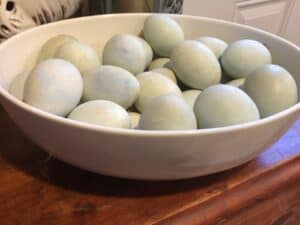
- Prepare Your Eggs. Try to obtain the freshest eggs you can for this recipe. Ideally, you should gather your eggs from your homestead and prepare your powdered eggs as soon as possible. If you don’t have enough chickens to produce two dozen eggs quickly, get some more from a fellow farmer or homesteader, or buy some from a local store. Prior to proceeding to the next steps, wash any eggs you’ve gathered under warm water and wipe them off with a clean towel.
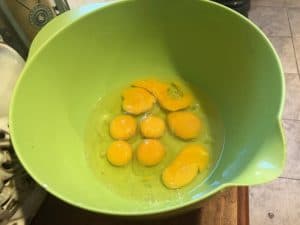
- Cracking Your Eggs. Crack all of the eggs into a large mixing bowl, yolks and all. Take care not to get eggshells or other materials into the bowl. If you do, use a fork to carefully fish any debris out, working the material out along the side of the bowl. Once all two dozen of your eggs are in the mixing bowl, transfer them to your blender. Then, thoroughly wash and dry your mixing bowl, and set it aside for use later.
- Mixing Your Eggs. Once your eggs are in the blender, blend them at medium speed for around two minutes. If you have a smaller blender, you may need to do it in two separate batches, since the egg mixture fills with air and expands a bit as you blend it all together. Once your eggs are fully mixed, you will be ready to transfer them over to your skillet for cooking. Remember to wash and dry your blender as soon as you are done transferring your mixture, you will need it to render your dried eggs into powder later on.
- Cook Them.This is mandatory for your safety. Pour the eggs into your skillet and scramble them over medium heat, just like you would when making an omelet. Cook them until they are as dry as they can be, with no runny spots, but make sure they won't get burnt, either.
- Transfer the Cooked Egg onto the Drying Racks. Set out your drying racks on a table or counter and move your blender alongside them. Transfer the eggs "omelet" from the blender to the trays, taking care not to overfill them.
- Once each tray is filled, load the racks into your dehydrator.
- Dehydrate Your Egg Mixture. Set the dehydrator to at least 135 - 145ºF (57 - 63ºC) and let the eggs dry for for 4 to 6 hours.
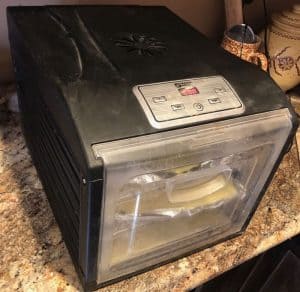
- After your eggs have dried for the prescribed time, remove and inspect them. If they are thoroughly dry, they should be slightly browned on top, cracked and brittle. If the eggs seem moist or soft, place them back into the dehydrator to dry some more.
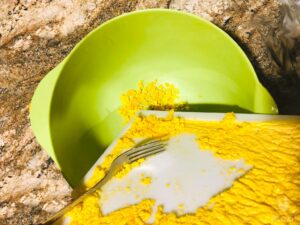
- Once they are fully dried out, scrape your eggs off of each tray with a fork or butter knife carefully into your mixing bowl.
- Rendering your Dried Eggs into PowderOnce you’ve removed all of your dried eggs from your blender into your mixing bowl, load them all into your blender. Then, on a medium setting, blend the dried eggs until they are completely rendered into a fine powder. Once the blending is done, you are ready to store your powdered eggs!
Notes
- If you have a compost pile, you should collect up all of the eggshells, smash them up, and then add them to the pile.